
Our readers keep the lights on and the garage heater humming. As an Amazon Associate, I earn from qualifying purchases.
Specs are compiled from manufacturer listings and verified buyer reviews and can change over time — please confirm the key details on the product page before buying.
The biggest headache with car window tint isn’t picking the darkness level — it is dealing with film that creases the second you touch it or peels within a season. You want a cooler cabin, real privacy, and a clean look that lasts, without paying a pro installer for every single window. The right roll delivers that balance, but the wrong one leaves you with bubbles, scratches, and wasted cash.
I’m Mo Maruf — the founder and writer behind GoCarLife. This guide is built by comparing the manufacturers’ published specifications and the patterns across verified customer reviews, so you get each pick’s real strengths and trade-offs instead of marketing spin.
This guide focuses on what actually matters: how easy the film is to install yourself, how well it blocks heat and UV rays, and which darkness level works for your daily drive and local laws.
Our Picks at a Glance
How To Choose The Best Window Film Tint for a Car
Picking the right roll means matching three things: your privacy goal, your state’s legal limit, and your patience with a squeegee. Here is what to look for before you add anything to your cart.
VLT — The Darkness Number That Matters Most
VLT stands for Visible Light Transmission. It tells you how much light the film lets through. A 5% VLT film, often called “limo tint,” lets only 5% of visible light in — very dark for daytime privacy, but tough to see out of at night and illegal on front windows in many states. A 35% VLT is much lighter and meets legal limits in many states while still cutting glare. A 70% VLT is nearly clear. Know your local law before picking a percentage.
Film Material — Dyed PET vs Carbon vs Ceramic
Budget rolls often use dyed PET (polyethylene terephthalate — a standard plastic base), which darkens the window and blocks UV rays but does little for heat. Carbon film uses carbon particles to absorb infrared heat without fading to purple over time. Ceramic film is the premium choice — it rejects the most heat, blocks 99% of UV, and won’t interfere with phone or GPS signals, but it costs more per roll.
Roll Size — Does It Fit Your Car?
A typical sedan needs about 10 to 15 feet of 20-inch-wide film to cover the side windows and rear glass. A 20-foot roll gives you some spare material for mistakes. A 100-foot roll can cover two vehicles and your home windows. The comparison table below shows the footage for each pick, so you know exactly how much material you are getting.
Quick Comparison
| Model | Best For | Film Type | Darkness (VLT) | Roll Size | Amazon |
|---|---|---|---|---|---|
| United Black Window Tint Film 20″ x 100′★ Best Overall | Maximum yardage & value | Dyed PET | 5% | 20″ x 100′ | Amazon |
| IAQWE 35% VLT Ceramic FilmSmart Value | Budget ceramic upgrade | Ceramic | 35% | 20″ x 20′ | Amazon |
| ARANA 5% VLT Ceramic Film | Affordable dark privacy | Ceramic | 5% | 20″ x 20′ | Amazon |
| TOYOCO 20% VLT Ceramic Film | Mid-range ceramic balance | Ceramic | 20% | 24″ x 15′ | Amazon |
| LuxeShade 20% Carbon Film | High-volume carbon pro roll | Carbon | 20% | 24″ x 100′ | Amazon |
| United 5% VLT 1 Mil PET Film 24″ x 100′ | Durable pro-grade privacy | Dyed PET | 5% | 24″ x 100′ | Amazon |
In‑Depth Reviews
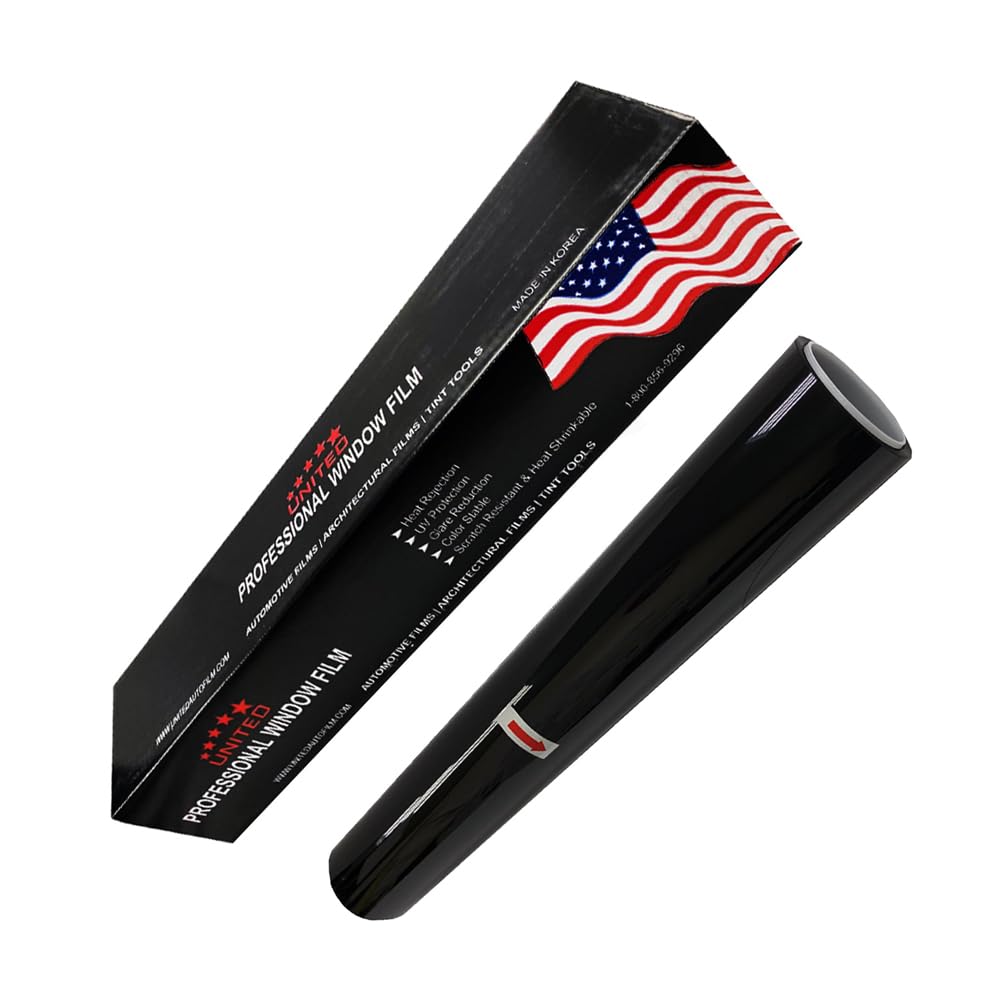
1. United Black Window Tint Film 20″ x 100′, 5% VLT
Our pick — over 4.5★ from 400+ verified ratings; the strongest balance of quality and price.
This 100-foot roll lets you tint six vehicles from one box.
The 5% VLT (Visible Light Transmission — lets only 5% of light through) gives you daytime privacy where no one can see inside. The dyed PET (polyethylene terephthalate) construction blocks 99% of UV rays, so your dashboard and seats are safe from fading. This is a 1-ply (single-layer) material, which buyers report is thicker than expected, making it easier to move across the glass without tearing.
The big story is the sheer volume. The 20-inch by 100-foot roll covers 167 square feet. As one buyer put it: “I tinted windows in 6 vehicles and still have more left!” That yardage makes this a no-brainer if you have multiple cars, an SUV, and home windows on your list. It cuts glare and heat for a more comfortable drive, though this is a budget dyed film — it absorbs heat rather than reflecting it, so the cabin still warms up after extended sun exposure.
Why owners love it
- Generous 100-foot roll covers multiple vehicles — one buyer tinted six cars and still had material left over.
- Thicker-than-expected film handles well during installation with less risk of tearing.
- Has held up with no fading or peeling after more than a year of daily use, according to reviewers.
The honest trade-off
- At 5% VLT, it is very dark — nighttime rear visibility drops sharply, and it may be illegal in some states on front side windows.
- Dyed PET film absorbs heat rather than reflecting it, so the cabin will still get warm after extended sun exposure.
The right fit for: Anyone needing a lot of film at a low cost per square foot — fleet owners, multi-car families, or DIYers who also want to do home windows.
Think twice if: You want maximum heat rejection without upgrading to a ceramic film, or if your state bars 5% tint on front side windows.
2. IAQWE 35% VLT Ceramic Car Window Tint Film 20 in x 20 ft Roll
The entry-level ceramic film that cuts cabin heat without blocking your phone’s signal.
Nano-ceramic particles (tiny ceramic grains embedded in the film) reduce infrared heat so your AC doesn’t have to work as hard. At 35% VLT, this film strikes a legal-friendly balance that passes in most states while still cutting glare during bright drives. Unlike metal-based films, ceramic won’t interfere with your phone, GPS, or radio — something owners consistently appreciate.
The 20-inch by 20-foot roll is sized for a single car project. Owners mention it is “great product easy to work with” and note the bubble-free adhesive makes for a cleaner install. There is a mix of opinion on durability — some call it thin and prone to scratching during installation, while others call it a fantastic value for the ceramic price point. Compared to the United Black 5% VLT film, this IAQWE tint is significantly lighter (35% VLT vs 5% VLT), so choose based on your privacy needs.
Best for the budget-conscious: You get real ceramic heat rejection at an entry-level price. The trade-off is a thinner film that demands careful handling — rush the squeegee pass and you may see a scratch, reviewers warn.
Reach for this if: You want ceramic performance on a tight budget and your state allows 35% tint on front windows.
Look elsewhere if: You need a rugged film that can survive a messy first install, or you want maximum privacy (5% or 20% VLT).
3. ARANA 5% VLT 20″×20FT Ceramic Car Window Tint Film
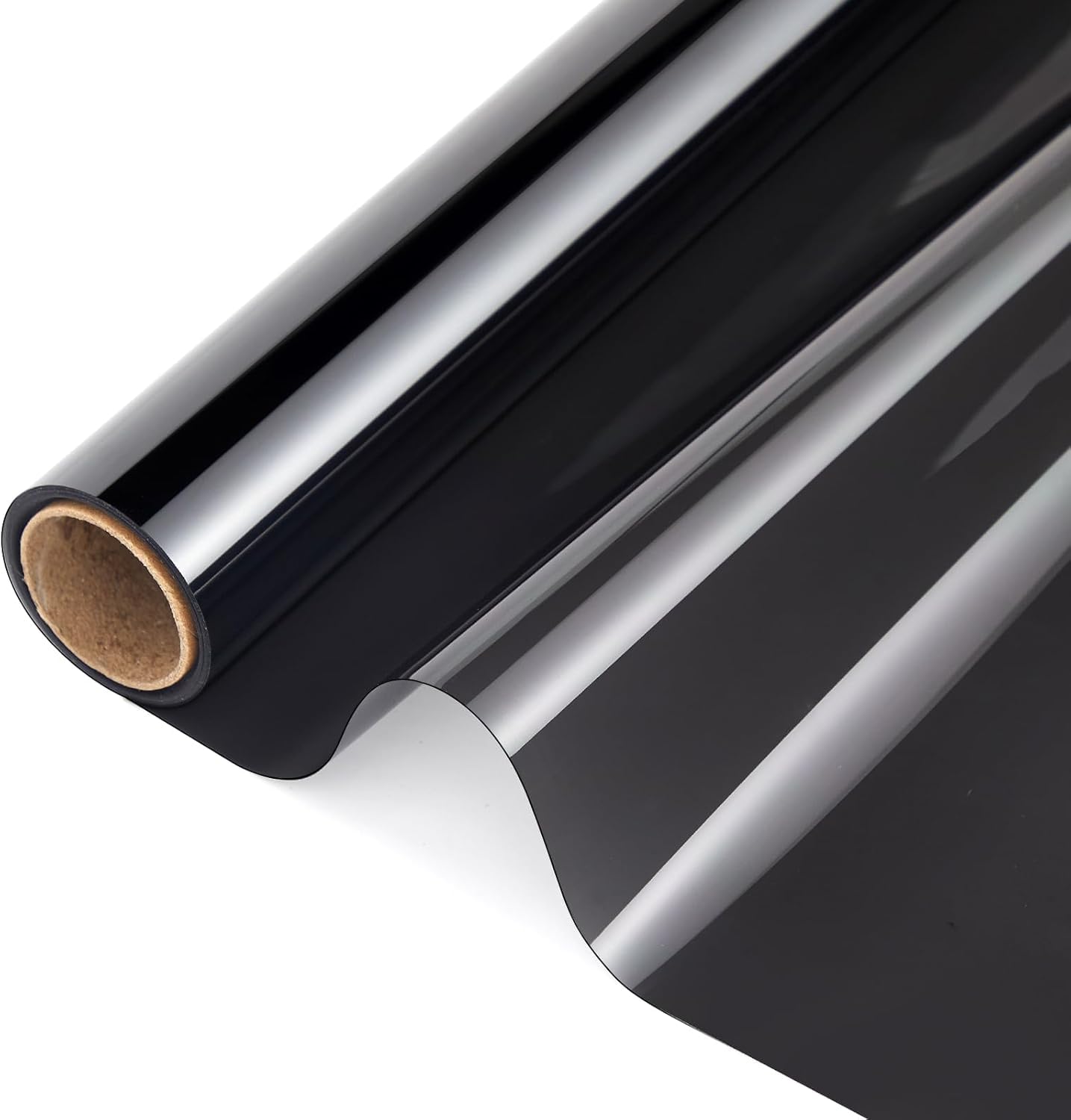
The 5% limo-style ceramic film that claims to give you private daytime driving without blocking your signal.
Daytime privacy is the headline here — at 5% VLT, no one is seeing inside your car in the middle of the day. The nano-ceramic construction claims to block 99% of UVA and UVB radiation while keeping the interior cooler. It is also scratch-resistant, with a hard coating that handles daily window action and minor friction without showing wear quickly, according to the maker.
The 20-foot roll is enough for a small car or a Jeep, and the flexible film is designed for DIY handling. That said, the feedback on darkness is split. Some buyers find the film looks lighter than 5% — closer to 20% in practice — and note the film is not very thick, so it creases easily if you push too hard. The manufacturer backs it with 18 months of after-sales support, which is a solid safety net compared to most budget rolls.
Privacy with a caveat: The 5% VLT claim is the main selling point, but some reviewers point out it is not as dark as advertised. If precise darkness is critical, a dyed 5% PET film like the United Black may be more predictable.
Best for: Drivers who want ceramic heat rejection in a dark shade, especially for rear passenger and cargo windows where nighttime visibility is less of a concern.
Not ideal if: You need exact 5% darkness confidence, or you are a first-time installer who prefers a thicker film that forgives mistakes.
4. TOYOCO Ceramic Car Window Tint Film, 20% VLT, 24″ x 15FT
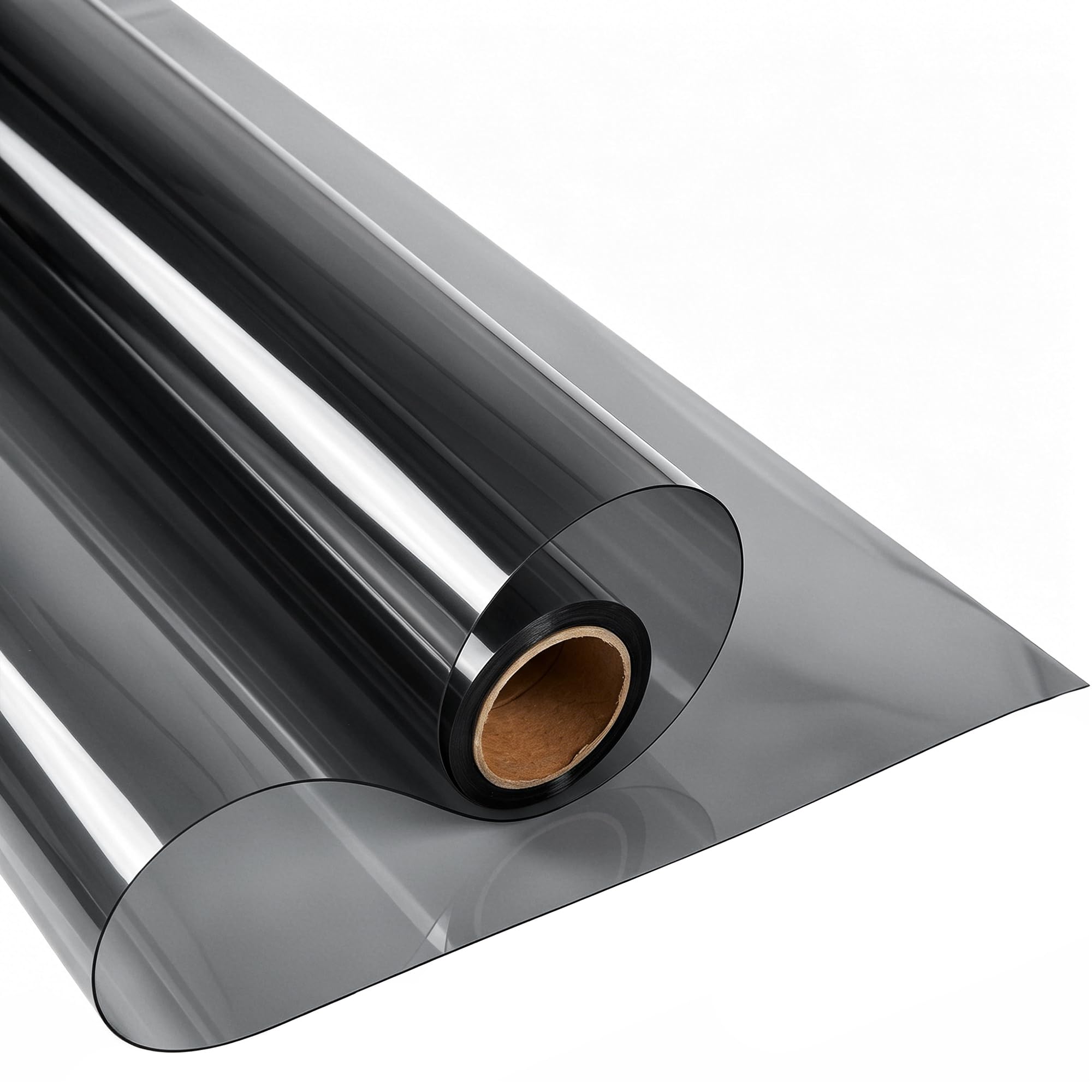
A 2-ply ceramic build that delivers real heat rejection without blinding you at night.
At 20% VLT, this film sits in the balance — dark enough for daytime privacy and a sleek black exterior, but not so dark that you are guessing at pedestrians after sunset. The 2-ply (two-layer) ceramic construction blocks 99% of UV rays and reduces heat buildup noticeably, even in extreme heat over 100°F as one owner noted. Because it uses nano-ceramic rather than metal, your GPS and phone signals stay strong — unlike some metal-based tints that can interfere.
The roll measures 24 inches wide by 15 feet long, which covers the rear and side windows of a typical sedan. It includes a scraper and blade in the box. Installation requires care — the film can stick to itself if you aren’t deliberate with your movements. The crowd favorite sentiment is “great product and very affordable,” with many calling it a dramatic upgrade in cabin temperature control. For the same 20% darkness, the LuxeShade carbon roll (pick 5) is a better value for multi-car projects because it is 100 feet long versus 15 feet, but the TOYOCO is a smarter buy for a single-car job.
A legitimate heat fighter: The temperature reduction is the most consistent praise. For a moderate investment, you get ceramic-level shielding. The 15-foot run is tight for larger vehicles, so measure your windows first.
Choose this if: You want 20% darkness with ceramic heat rejection for a single car, and you’re comfortable with a moderately challenging DIY install.
skip it if: You need to tint a large SUV or truck — the 15-foot length will fall short — or you expect a simple to use peel-and-stick process.
5. LuxeShade Professional Auto Window Tint Film Roll, 20% Premium Carbon Film, 24IN x 100FT
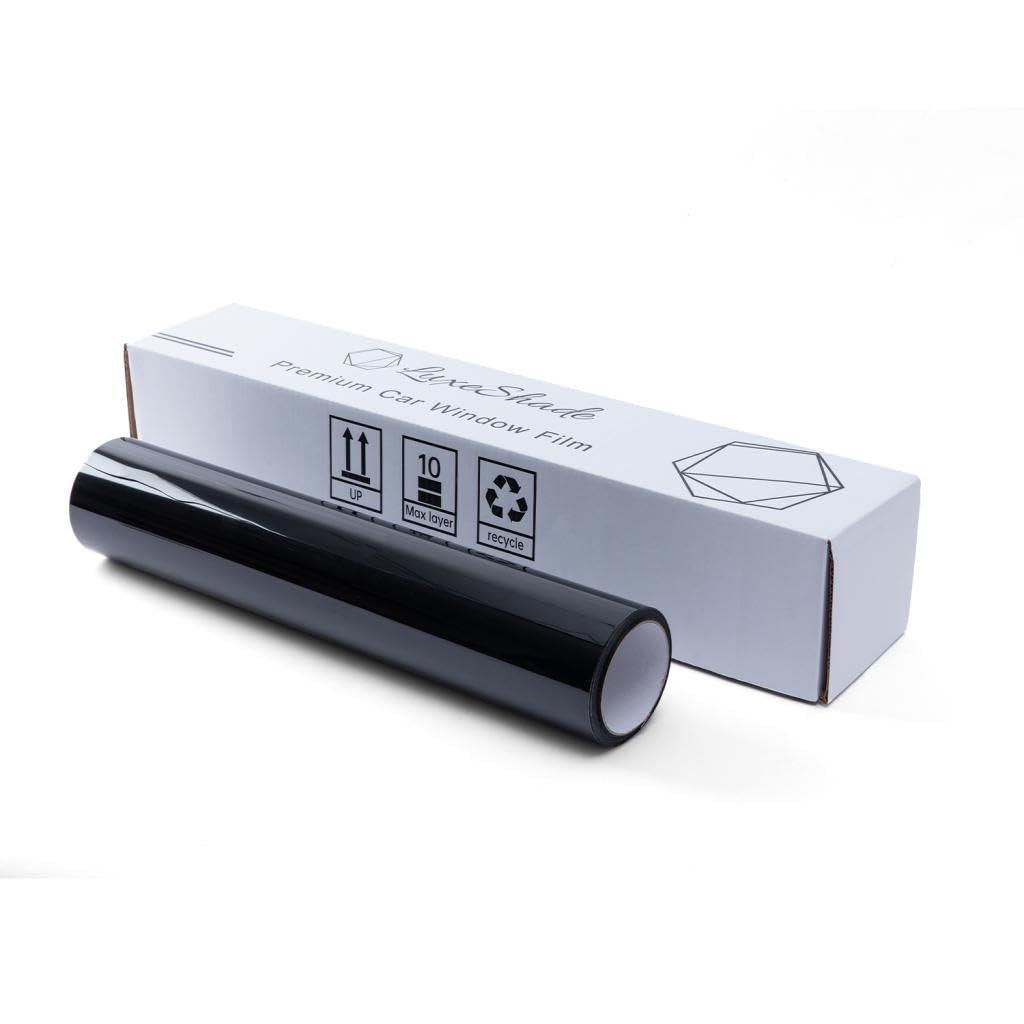
The 100-foot carbon roll built for shop owners who need to cover multiple cars without multiple purchases.
Carbon nano-technology (particles that absorb infrared heat instead of letting it through) sets this apart from basic dyed films. It absorbs infrared heat rather than just darkening the glass, which means the car stays cooler during summer drives. The 20% VLT is a smart compromise — it is dark enough for privacy without the severe night-blindness of a 5% tint. The film allows you to see out clearly while blocking outside visibility into the cabin.
The 24-inch by 100-foot roll is the standout feature. That is enough material for several cars plus home or office windows. The manufacturer claims easy installation, and the customer consensus is that the quality holds up well against sun exposure and normal wear. A few owners note that the ease of application depends on your skill level — experienced tint installers find it manageable, while absolute novices may struggle with the precise shrinking and trimming.
High value per square foot: Carbon film at this scale beats paying per-vehicle at a shop. The trade-off is that a 100-foot roll demands storage space and patience to unroll and cut cleanly.
Ideal for: A shop, a die-hard DIYer, or anyone with a truck and a home project who wants carbon heat rejection on a big scale.
Not for: Someone who only needs to tint a single small sedan — a 20-foot roll will cost less and waste less material.
6. United 5% VLT Professional Window Tint Film – 24″ x100′ Upgraded 1 Mil Dyed PET Film
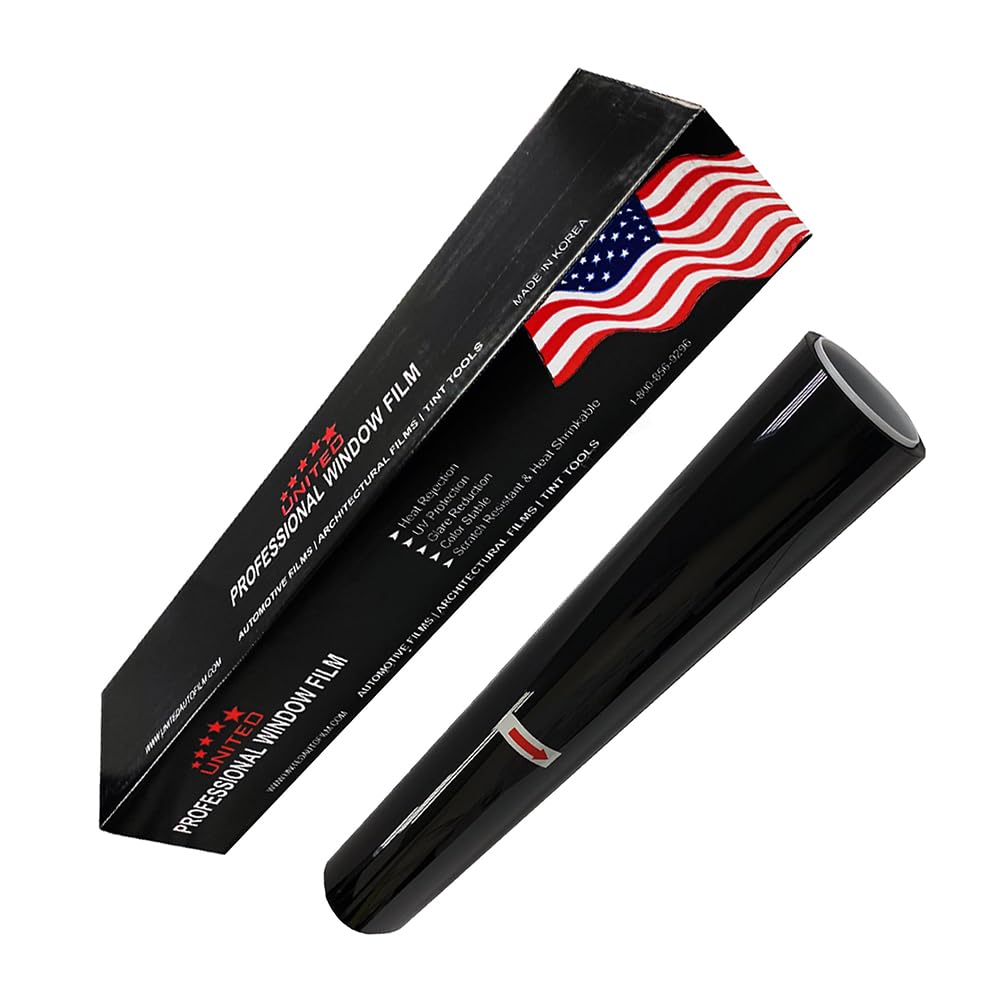
A 5% privacy film with upgraded adhesive that sticks better over time and keeps reflections low.
This upgraded 1-mil (one-thousandth of an inch thick) dyed PET film improves on basic tint with an enhanced adhesive that helps it stick reliably over time. The deep 5% shade blocks 99% of UV rays, which protects upholstery and dashboard from sun damage. It is less reflective than cheaper films, giving the windows a clean, flat black appearance that owners like.
The 24-inch by 100-foot roll provides 200 square feet of material, making it one of the largest rolls on this list. The feedback on installation is honest: some owners find it “very easy install” while others describe separating the clear liner from the tint as “an absolute nightmare.” That split is common with wider, longer rolls — the liner tension can be tricky on the first try. The tint itself earns consistent praise for heat reduction and light blocking once it is on the glass. Unlike the basic United Black 5% film (pick 1), this version is wider (24 inches vs 20 inches) and uses a thicker adhesive, but both are dyed PET so neither reflects heat as well as ceramic films.
Strengths
- Massive 100-foot roll covers two vehicles plus home windows in one purchase.
- Upgraded adhesive contributes to better long-term durability versus basic 1-ply rolls.
- Low reflectivity gives a professional matte finish rather than a shiny mirror look.
The main hurdle
- Liner separation is the most-discussed difficulty, shoppers say — plan for a careful, slow peel process.
- At 5% VLT, this is a night-driving compromise; rear visibility is limited without backup cameras.
Reach for this if: You are willing to invest time learning the liner peel technique and you want the most 5% coverage for your dollar with decent UV protection.
Look elsewhere if: You want a film that is more forgiving for a first-ever tint job, or you need ceramic heat reflection rather than dyed absorption.
Understanding the Specs
VLT — Visible Light Transmission
This is the single number that defines how dark your tint looks. A 5% VLT film lets only 5% of visible light through — almost black, great for daytime privacy, but risky at night and illegal on front doors in many states. A 35% VLT is much lighter and typically street-legal across the US. A 70% VLT is virtually clear. Always check your state’s legal limit before buying a roll, because enforcement can mean a fix-it ticket or worse.
Dyed PET vs Carbon vs Ceramic
Dyed PET is the budget standard — it darkens the window and blocks UV rays, but it absorbs heat rather than reflecting it, so the glass still gets hot. Carbon film uses carbon particles to absorb infrared heat without fading to purple, and it generally costs more than dyed but less than ceramic. Ceramic film uses nano-ceramic particles to reflect the most heat while staying optically clear and signal-friendly for GPS and phones. For serious heat rejection, ceramic is the winner; for pure privacy on a budget, dyed PET does the job.
FAQ
How dark of a tint should I get for my car?
Will ceramic tint interfere with my phone or GPS signal?
Can I install window tint myself, or do I need a professional?
How long does a DIY window tint job last?
What film type is easiest to install for a beginner?
Does tint really keep the car cooler, or is it just for looks?
Is there a difference between window tint and window film for cars?
How do I remove old window tint without damaging my rear defroster?
Which is better for a hot climate — 5% or 20% VLT?
Will the tint make it hard to see out at night?
Final Thoughts: The Verdict
If you want ceramic heat rejection without spending a fortune, grab the IAQWE 35% VLT Ceramic Film. And for a professional-grade carbon build with enough material for a shop project or an entire fleet, the United 20% VLT Carbon Film 24″ x 100′ is the one to reach for.
How We Picked
We do not accept paid placement. Every pick is matched to a real buyer and a real use-case; we do not hands-on test units.
Sources & Methodology
Specifications: manufacturer listings and product documentation. Review insights: verified customer reviews, as of July 2026. Pricing: not shown on this page (it changes often); check the current price via the retailer link.
As an Amazon Associate, GoCarLife earns from qualifying purchases. This does not affect which products we feature.