
Our readers keep the lights on and the garage heater humming. As an Amazon Associate, I earn from qualifying purchases.
Specs are compiled from manufacturer listings and verified buyer reviews and can change over time — please confirm the key details on the product page before buying.
Picking the right window tint supplies is confusing because you see a jumble of VLT numbers, material claims, and promises about heat rejection. The real trick is knowing which spec actually matters for your car or home and which is marketing fluff. That starts with understanding what you want from the film: deep privacy, heat control, or clear glass that still blocks UV. The best window tint supplies are the ones that match your skill level and your goal, not the ones with the fanciest label.
This guide compares manufacturer specifications and patterns across verified customer reviews so you get each pick’s real strengths and trade-offs instead of marketing spin.
The crowd favorite across all seven picks here — with a 4.6-star rating from hundreds of owners — is one massive roll of dyed film that simply delivers more privacy and material than anything else for the money. This deep-dive on window tint supplies will show you exactly which film fits your next project.
Our Picks at a Glance
How To Choose The Best Window Tint Supplies
The first thing to know is that window film is not one-size-fits-all. Your choice depends on three factors: how dark you want it, what it’s made of, and how much you need to cover. A film that works perfectly on a sedan’s side windows might be the wrong match for a sunny home office window.
Understanding VLT (Visible Light Transmission)
VLT (Visible Light Transmission, the percentage of visible light that passes through the film) is your main guide. A 5% VLT means only 5% of light gets through — that is limo-tint dark for maximum privacy. A 50% VLT lets half the light in, which keeps your car legal in most states while still cutting glare. The lower the number, the darker the film and the harder it is to see into the vehicle during the day.
Material: Dyed vs. Ceramic vs. Carbon
Dyed PET (polyethylene terephthalate) film is the budget workhorse — it darkens windows and blocks UV but does not reject heat as well as the other options. Ceramic film uses nano-ceramic particles to block infrared heat without interfering with phone or GPS signals, and it resists fading better over time. Nano carbon film sits between them, offering a non-reflective matte finish and good heat rejection at a lower price than ceramic.
Roll Size and Coverage Area
Check the square footage of a roll before you buy. A 20-inch by 20-foot roll covers roughly 33 square feet, which is enough for a few car windows. A 24-inch by 100-foot roll gives you over 200 square feet — enough for multiple vehicles or several home windows. Buying too small a roll means patching two pieces together, which never looks professional.
Quick Comparison
| Model | Best For | VLT | Material | Roll Size | Amazon |
|---|---|---|---|---|---|
| United Universal 5%★ Best Overall | Best Overall — maximum coverage | 5% | Dyed PET | 24″ x 100′ | Amazon |
| United Nano Carbon 35%Premium Pick | Best clarity and color stability | 35% | Nano Carbon Duo | 20″ x 100′ | Amazon |
| TOYOCO 20% Ceramic | Best ceramic for signal-friendly heat rejection | 20% | 2Ply Ceramic | 24″ x 15′ | Amazon |
| IAQWE 50% Ceramic | Best for legal-compliant light tint | 50% | Ceramic | 20″ x 20′ | Amazon |
| Tview T2BK0536 5% | Best bulk roll for heavy dark jobs | 5% | 2ply Plastic | 36″ x 100′ | Amazon |
| ARANA 5% Ceramic | Best entry-level ceramic film | 5% | Ceramic | 20″ x 20′ | Amazon |
| BDF NSN70 Clear | Best near-clear film for homes | Near-clear | PET | 36″ x 14′ | Amazon |
In‑Depth Reviews
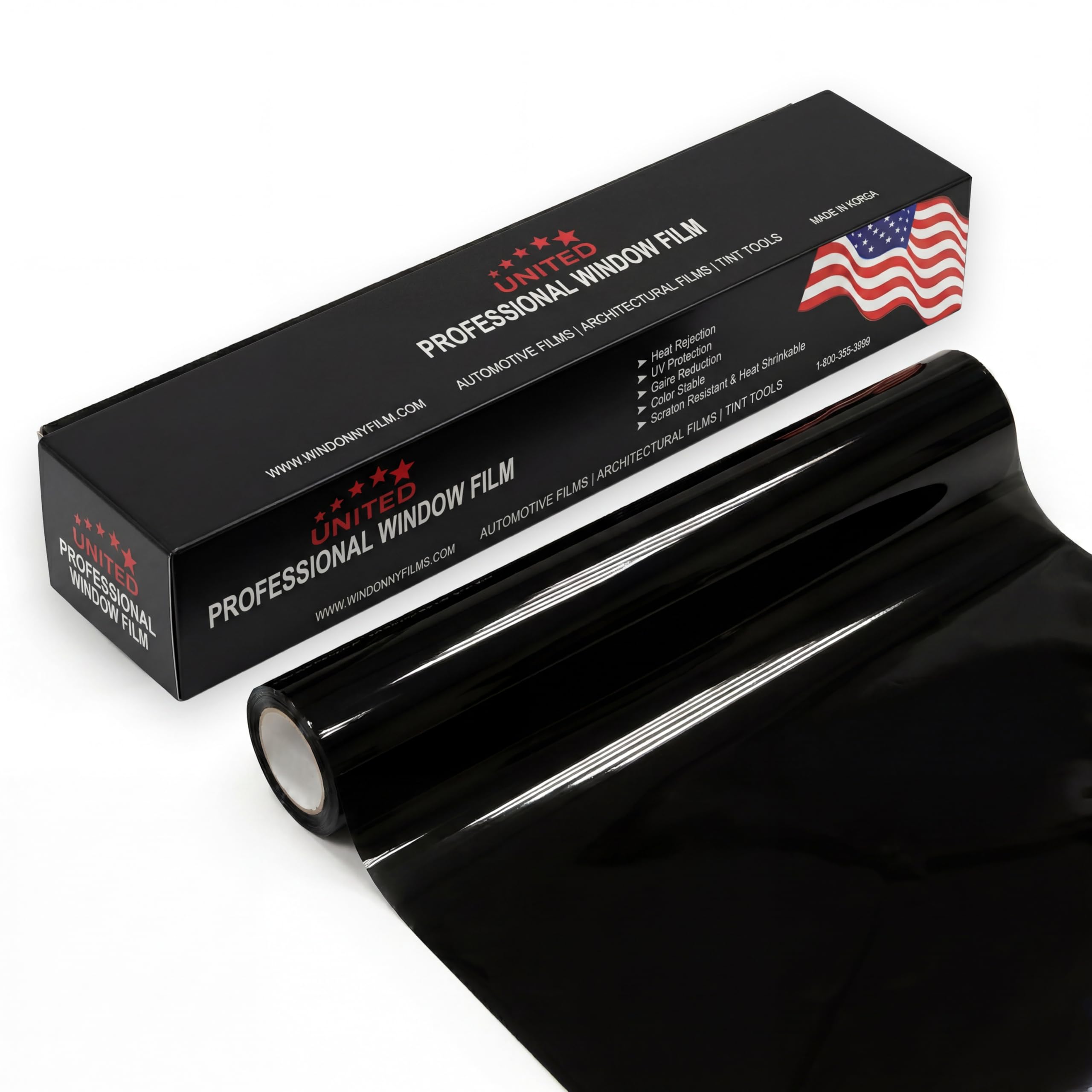
1. United Universal Black Window Tint Film 24″ x 100′ – 5% VLT 1Ply Dyed
Our pick — over 4.5★ from 400+ verified ratings; the strongest balance of quality and price.
The big roll that keeps six vehicles covered with lots to spare.
You get maximum privacy and a deep black look without spending a fortune per square foot. The 5% VLT (visible light transmission, meaning only 5% of outside light gets through) gives you that limo-dark appearance that makes it nearly impossible to see in during the day. What wins people over is the sheer amount of material — a single roll covers 200 square feet, which is enough for multiple cars, a truck, an SUV, or several home windows.
The 1Ply dyed PET (polyethylene terephthalate) construction is straightforward: it darkens the glass, blocks 99% of UV rays (ultraviolet rays that cause fading and skin damage), and cuts glare while keeping the interior cooler than an untinted window. Buyers consistently report that the film is thicker than expected and easy to handle without tearing during installation. One owner summed it up: “I tinted windows in 6 vehicles and still have more left!” That kind of coverage means you can take your time practicing on the first window without worrying about running out.
The trade-off with dyed film is that it does not reject heat as aggressively as a ceramic film. You get UV protection and a dark look, but the interior temperature drop is less dramatic than what a nano-ceramic layer provides. For most people, especially those on a budget or tackling a whole fleet of windows, that is an easy compromise to make.
Maximum Privacy Blackout
- Massive 100-foot roll covers 6 vehicles plus extra — verified by owners who did exactly that
- Thick, tear-resistant film that handles well during wet or dry installation
- Deep 5% shade offers real daytime privacy and a sleek, uniform black look
Extreme Darkness Inside
- Dyed PET absorbs more heat than it reflects — not the best choice if interior cooling is your top priority
- At 5% VLT, nighttime visibility is low; not ideal for drivers who frequently back into dark driveways
Nighttime Privacy: you want one roll to cover everything from a sedan to a home workshop, and deep privacy matters more than top-tier heat rejection.
Daytime Visibility: you drive at night often and need a lighter tint, or if you are chasing maximum infrared heat block from a ceramic layer.
2. United Nano Carbon 2Ply Window Tint Film – 20″ x 100′, 35% VLT
The 2-layer carbon film that stays cool-toned and never turns purple.
This is the film for buyers who want a smart middle ground between privacy and legality, with heat rejection that actually makes a difference. At 35% VLT (Visible Light Transmission, letting 35% of light through), it is dark enough to shield the interior from prying eyes but light enough to keep nighttime driving safe in most states. What sets the United Nano Carbon apart is its dual-layer PET (polyethylene terephthalate) construction with nano carbon particles embedded in both the adhesive and the hard coat — that combination delivers what owners describe as “a nice cool shade” that is “not brownish or purpleish like others.” Quality is the most-praised aspect here, with 10 owners calling it out specifically.
The heat rejection specs back up the real-world feel: IRR (infrared rejection) sits at 30-35% and TSER (total solar energy rejection) lands between 35-50%. That translates to a noticeably cooler cabin on a sunny afternoon. The film is also designed for wet installation, which means you spray the glass and the adhesive side, then squeegee the water out — the recommended method for getting a bubble-free finish on curved car windows or flat home glass. Owners say it is also “surprisingly malleable with a nice adhesive,” making first-time DIY work less frustrating than with stiffer films.
The catch is that this roll is only 20 inches wide, which is narrower than standard car door windows. You will need to plan your cuts carefully or order the wider 24-inch or 36-inch options if you are doing a full SUV. The price per square foot lands right in the mid-range balance — more expensive than the United Universal 5% dyed film but cheaper than full-ceramic rolls of similar size.
All-Round Performance: the owner who wants proper heat rejection and a color-neutral look that lasts, without jumping to a premium ceramic budget.
Deep Tint: anyone needing a true 5% privacy tint — 35% is dark but see-through in direct light — or a wider single-roll fit for an SUV’s rear windows.
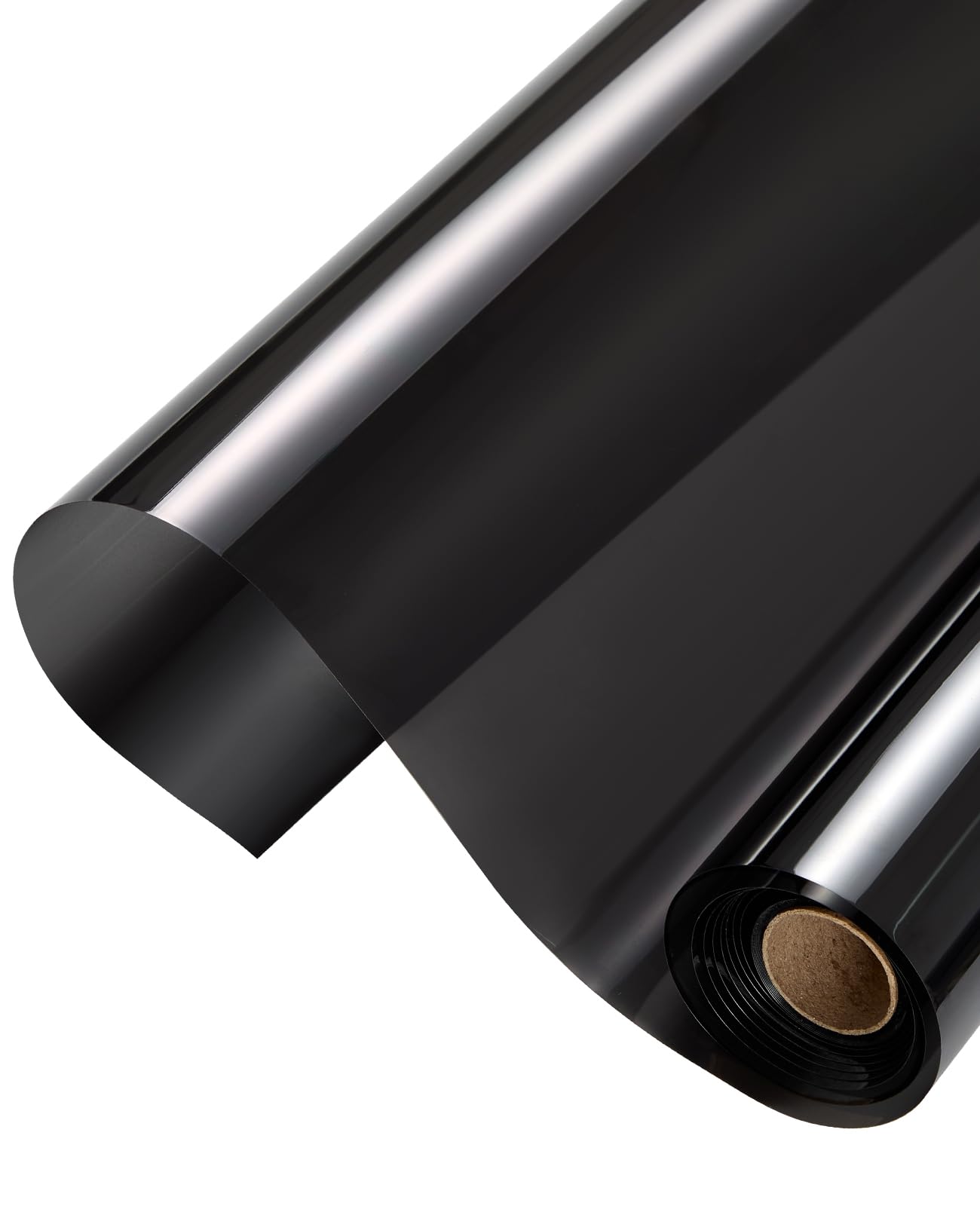
3. IAQWE 50% VLT Ceramic Car Window Tint Film – 20 in x 20 ft
The ceramic film that keeps you street-legal while cutting the heat.
If you need a tint that stays on the right side of the law in almost every state, this 50% VLT (Visible Light Transmission, letting half the light through) ceramic film is the one. It lets half the visible light through, which means no more squinting at night, while still providing meaningful heat insulation and 99% UV (ultraviolet) protection. One owner summed up the value perfectly: “Tinted a whole bunch of windows at restaurant. Worked out great. Hopefully this holds up for years. For the price I’m satisfied.” The 20-inch by 20-foot coverage is enough for a compact car’s side and rear windows with some spare material.
The ceramic construction here is genuine nano-ceramic, which means signal-friendly performance — your GPS and phone work fine after installation, something metal-based films cannot promise. The film also has a heat-shrink capability that makes fitting curved rear windows much smoother. Just note that at 50% VLT, this is not a privacy tint. During the day, you can see inside the car fairly easily, and at night the glass is fully transparent. The real benefit of this pick is that it reduces interior heat without turning your car into a dark cave.
Buyers mention that the film is thin and requires care during handling — if you crease it, that mark stays. Take your time with the soapy water and a plastic squeegee, and the result is a clean, professional-looking finish that keeps the cabin noticeably cooler.
Clear View: a daily driver where nighttime visibility and heat reduction matter more than hiding what is inside the car.
Large Windows: you want deep privacy — 50% is barely tinted from the outside — or a wider roll for large SUV rear windows.
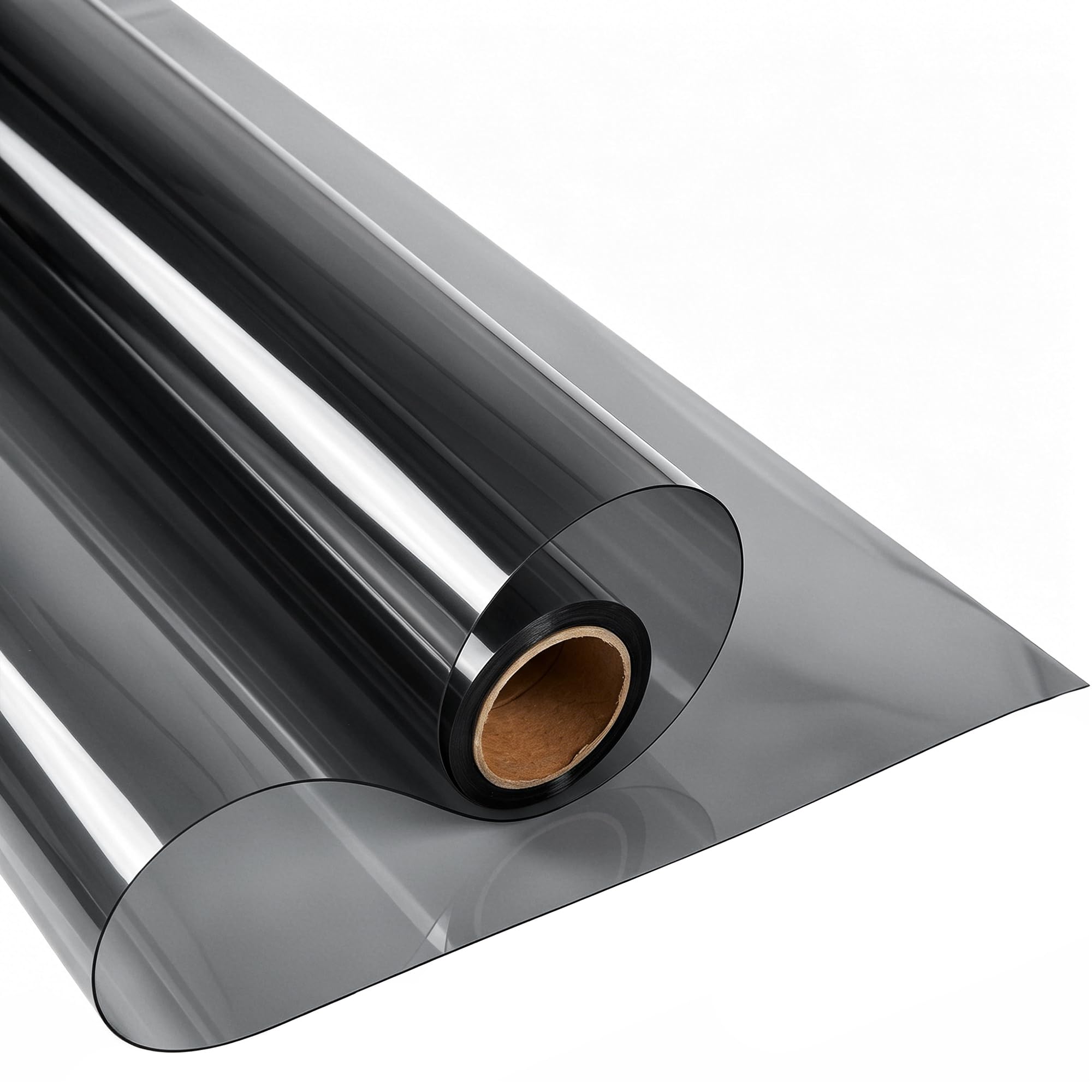
4. TOYOCO Ceramic Car Window Tint Film – 20% VLT, 24″ x 15FT
The 20% tint that balances privacy with signal clarity for phone and GPS users.
This is the balance for a lot of drivers: dark enough to give you real daytime privacy — 20% VLT (Visible Light Transmission, letting 20% of light through) — but light enough to keep rear visibility at night when you are reversing. The 2Ply ceramic construction blocks 99% of UV rays and rejects heat without metal, so your GPS, phone, and other wireless devices work as before. That “no signal interference” claim is a big deal for anyone who relies on a magnet-mounted phone or has a built-in navigation system.
The film is 24 inches wide by 15 feet long, covering about 30 square feet, which is enough for the side and rear windows of a sedan or a smaller SUV. It comes in multiple VLT options — 5%, 15%, 20%, 35%, 50%, and 70% — so you can order the exact shade you need. Some buyers report that installation is a bit fiddly because the film can stick to itself and rip if you are not patient. The reward is a dramatic temperature drop on hot days; one owner in intense heat confirmed it made a real difference. Take the time to watch a YouTube tutorial before you start, and use plenty of slip solution.
Car Interiors: the tech-heavy driver who wants privacy and heat protection without losing cell signal or GPS accuracy.
Long Rolls: you are a first-time installer who needs a forgiving film — this one requires patience and a steady hand to avoid creases.
5. Tview T2BK0536 2ply 1mil 36″ x 100ft Window Film – 5% VLT

A 100-foot roll that is 36 inches wide — enough for the biggest trucks and vans.
You need this film when you need to cover large commercial windows, a full-size van, or wide SUV glass without splicing two smaller pieces together. At 36 inches wide and 100 feet long, the Tview T2BK05 gives you the most surface area per roll of any pick here. The 5% VLT (Visible Light Transmission, letting only 5% of light through) delivers that near-blackout privacy that makes it nearly impossible to see in during the day, which is why owners use it not just on cars but on greenhouse conversions and home windows as well. Installation is the most-praised aspect, with 10 owners calling it out specifically — the 2ply (two-layer) plastic construction is pliable enough for curved surfaces and resists bubbling and peeling when applied correctly.
The honest note here is the tint color. While the film is deep black, some owners mention it has a slight red or purple hue depending on the lighting. The aspect count shows “tint” as the most-discussed topic — 20 mentions — and Amazon flags it as mixed, so it is not a universal complaint but something worth knowing if you are a perfectionist about a pure neutral shade. For the price, though, the sheer amount of material and the reliable adhesive make this a strong choice for anyone tackling a big project or a fleet of vehicles. One owner noted it is “the easiest to install” compared to other films they had tried, citing the thick and durable feel.
Large Projects: a wide-format job like a cargo van, greenhouse, or multiple home windows where 36-inch width saves time.
Subtle Look: you need a perfectly neutral black tint with zero color shift — the slight purple hue bothers some owners in certain light.
6. ARANA 5% VLT 20″×20FT Ceramic Car Window Tint Film
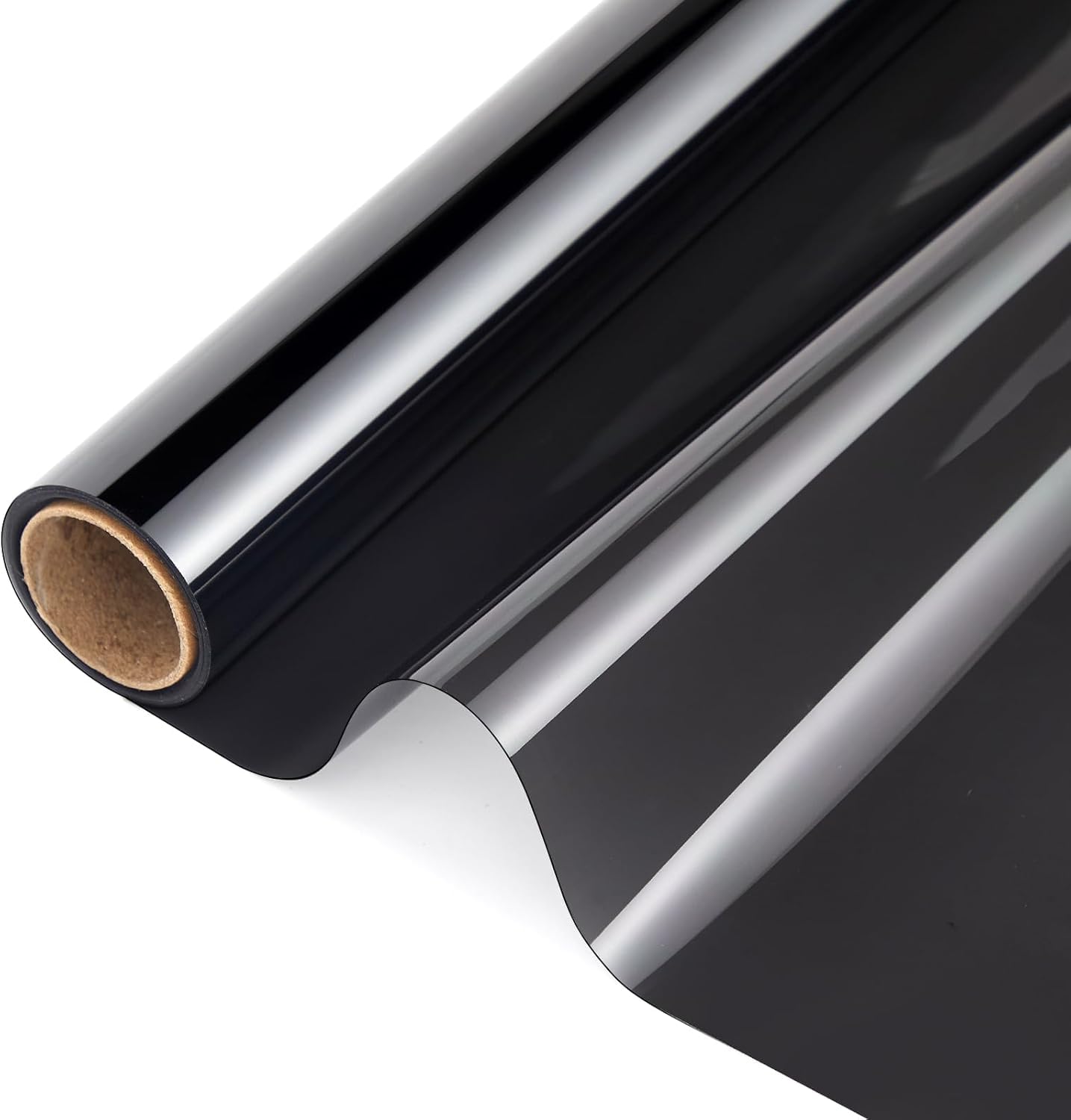
A ceramic film at a dyed-film price — just watch the clarity.
If you want the heat rejection of a nano-ceramic layer but your budget is closer to what dyed film costs, this ARANA roll is worth a look. It blocks 99% of UVA and UVB radiation (the two types of ultraviolet rays that cause skin damage and fading), helps keep the car cooler, and has a scratch-resistant hard coating that holds up to daily use. The 5% VLT (Visible Light Transmission, letting only 5% of light through) gives you that deep, limo-style privacy that makes it hard to see valuables inside. The manufacturer also backs it with 18 months of after-sales support, which is better than most budget rolls offer.
The catch is that the clarity is not what some buyers hoped for. One owner noted it is “not as clear as I was hoping,” and a few report that the film is thinner than expected and creases easily during installation. The application process is the most divisive part — some find it very easy, while others struggle with adhesion. This is a film that rewards patience: a super-clean window and a generous amount of soapy slip solution are non-negotiable. The price is more expensive per square foot than the United 5% dyed film above, but the ceramic construction means better infrared heat rejection over the long run.
Budget Builds: getting ceramic heat protection at a near-budget price — the heat rejection is real and the scratch resistance helps.
Full Coverage: someone who wants crystal clarity or an ultra-forgiving film for their first-ever DIY tint job.
7. BDF NSN70 Window Film Transparent High Heat Rejection – 36in x 14ft

The nearly invisible film that drops room temperature by 10 degrees.
For anyone who does not want dark windows but desperately needs heat control — think a sun-facing home office, a glass storm door, or a skylight — this BDF NSN70 film is the answer. It is near-clear, meaning it lets lots of natural light through while blocking 99% of UV rays (ultraviolet rays) and cutting heat. Customers note real temperature drops: one saw their pantry drop from 74-76°F to 71°F, and another layered four sheets under a skylight for 95% heat reduction. The 36-inch width fits standard residential windows nicely, and the 14-foot roll covers about 42 square feet.
The film is delicate — buyers warn that the slightest fold creates a permanent wrinkle, so handle it carefully. Installation calls for a lot of soapy water to soak both the glass and the adhesive side. Once it is on, the film is scratch-resistant and durable. Some owners were disappointed that it did not eliminate all heat on a storm door, but the overall consensus is that for a clear film, the temperature difference is significant. This is not a privacy film; it is a “live with the view but kill the heat” solution for homes, offices, and sunrooms.
UV Protection: home windows where you want to keep the view and light but stop the heat, or for a glass door that bakes in the afternoon sun.
Dark Tint: a car privacy tint or any application where you need to hide the interior — this film is practically invisible once installed.
Understanding the Specs
VLT (Visible Light Transmission)
This is the percentage of visible light that passes through the film. A 5% VLT is very dark — often called “limo tint” — and offers maximum daytime privacy, but it makes nighttime reversing harder. A 50% VLT is much lighter and keeps you legal in most states, while still cutting glare. Each state has its own legal limits for front-side windows, usually between 30% and 50%, so check your local rules before you pick a shade.
Ceramic vs. Dyed vs. Carbon
Dyed PET (polyethylene terephthalate) film is the most affordable and blocks UV well, but it absorbs heat rather than reflecting it, so the glass can get hot. Ceramic and nano-carbon films use non-metal particles to reject infrared heat, which keeps the cabin cooler and does not interfere with phone or GPS signals. Carbon films typically cost less than full ceramic ones while still providing good color stability that does not fade to purple over time.
FAQ
What does VLT mean for window tint?
How much window tint film do I need for my car?
Does ceramic window tint block phone and GPS signals?
Can I install window tint myself?
Does darker tint always mean better heat rejection?
How long does window tint last before it needs replacement?
Can I use car window tint on my home windows?
Will window tint make my car illegal?
What is the difference between 1-ply and 2-ply window film?
How do I remove old window tint?
Final Thoughts: The Verdict
For most people, the window tint supplies winner is the United Universal 5% 24″ x 100′ because it gives you the most material for the money, a deep privacy shade, and thick film that DIYers love to work with. If you want ceramic heat rejection that is also signal-friendly, grab the United Nano Carbon 35%. And for home windows where you need a near-invisible film that still drops the room temperature, the BDF NSN70 near-clear is the one to reach for.
How We Picked
We do not accept paid placement. Every pick is matched to a real buyer and a real use-case; we do not hands-on test units.
Sources & Methodology
Specifications: manufacturer listings and product documentation. Review insights: verified customer reviews, as of July 2026. Pricing: not shown on this page (it changes often); check the current price via the retailer link.
As an Amazon Associate, GoCarLife earns from qualifying purchases. This does not affect which products we feature.