
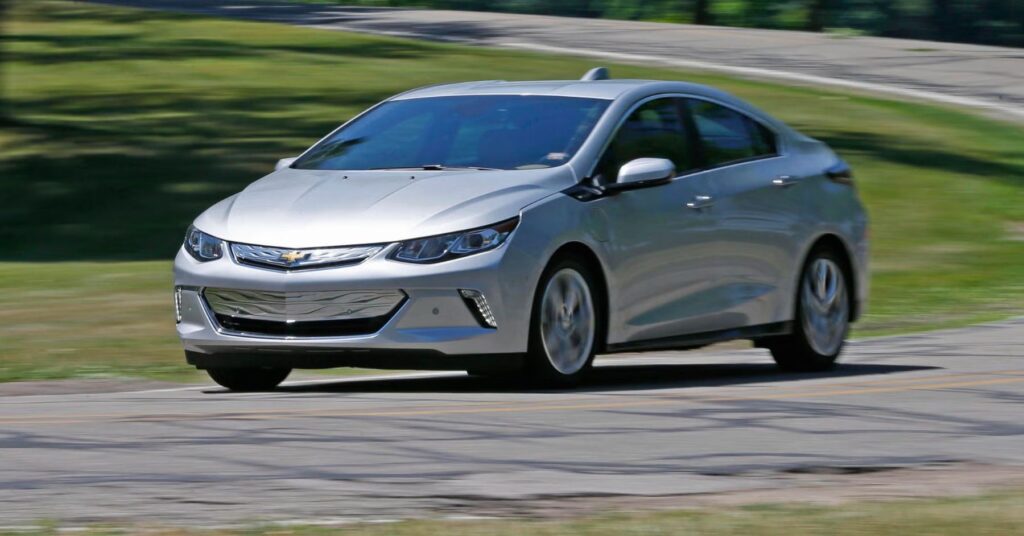
The Volt can drive on electricity first, but it also has a gasoline engine that runs when the battery is low or extra power is needed.
The Chevy Volt is an electric-first car with a safety net. Keep it charged and many local miles happen without burning fuel. Skip charging, stretch the trip length, or ask for more power than the battery can give in that moment, and the gasoline side steps in.
Below is what “uses gasoline” means in a Volt, when the engine runs, what you’ll notice while driving, and how to shape your habits so you buy less gas without turning every trip into a project.
What The Volt Is, In Plain Terms
The Volt is a plug-in hybrid. It has a traction battery and electric drive motors, plus a gas engine and fuel tank. When the battery has charge, the car tries to cover your miles on electricity. When the battery reaches its lower operating band, the system switches into a mode that relies on gasoline to keep you moving.
FuelEconomy.gov lists the Volt’s fuel type as “regular gas or electricity,” which fits the design. FuelEconomy.gov’s Volt specs also show MPGe on electricity and MPG on gas only.
Does Chevy Volt Use Gasoline? What Owners Notice
Yes. A Volt can burn gasoline. The more useful question is when it burns fuel.
Start the day with a full charge and short errands may use no gas at all. Push past the electric range, and gasoline use becomes normal. Road trips often feel like this: electric miles first, then a steady gas-backed cruise once the battery hits its reserve band.
Chevy Volt Gasoline Use In Daily Driving
Most drivers land in one of these patterns:
- Charge most nights: Gas is mostly for longer drives and occasional engine cycles.
- Charge some nights: Gas fills the gaps when the battery runs down.
- Rarely charge: The car still works, but it leans on gasoline far more often.
The first pattern is where the Volt feels most like an EV. The third pattern is where it feels closer to a regular hybrid, with the extra weight of a larger battery.
How The Car Decides To Start The Engine
The Volt’s control system watches battery state of charge, power demand, and temperature. When the battery reaches its lower operating band, it shifts to charge-sustaining operation. In that state, the engine runs to provide energy for propulsion and to keep the battery from dropping past its usable limit.
The engine can also start even with some charge left if the system needs more power than the battery can deliver cleanly at that moment. Hard acceleration, high-speed cruising, long climbs, and cabin heating demands can all raise the load.
The Alternative Fuels Data Center sums up the plug-in hybrid pattern clearly: a PHEV typically runs on electric power until the battery is nearly depleted, then switches to the internal combustion engine. AFDC’s plug-in hybrid “how it works” explainer lays out that sequence and the major components.
What You’ll Feel When The Engine Turns On
Most transitions are subtle. You may hear a low hum, feel a mild vibration at a stop, or notice the power flow display change. Under steady cruising, the car often keeps the same pace with no drama.
On steep grades or strong acceleration, you’ll notice the engine more. That doesn’t mean something is wrong. It usually means you asked for power that’s above what the battery alone can give right then.
Table Of Common Engine-Start Triggers
If you’re trying to decode a surprise engine start, check these triggers first.
| What Triggers It | What You Might Notice | What You Can Do |
|---|---|---|
| Battery reaches its lower operating band | Engine sound during cruise; “hybrid” feel | Plug in sooner, or plan longer drives knowing the engine will carry the last miles |
| Long highway stretch at higher speeds | Engine runs more steadily | Hold a steady pace and avoid sharp speed swings |
| Steep or sustained climbs | Engine tone rises under load | Expect more fuel use on hills; keep speeds moderate when safe |
| Hard acceleration bursts | Engine may join in to meet power demand | Smooth your launches; build speed a little more gradually |
| Cold temperatures | More frequent engine starts; stronger cabin heat | Precondition while plugged in; use seat heaters when available |
| Battery or powertrain temperature management | Engine runs on a short drive | Let the system stabilize; keep coolant service current |
| Fuel maintenance mode with old fuel | Engine runs to cycle fuel | Use fresh gas, keep turnover in the tank, avoid long storage with old fuel |
| High accessory loads (defrost, strong heat) | Engine runs more often | Heat or cool the cabin while plugged in when you can |
| Extended drive with no charging options | Normal gas-car behavior after electric miles | Refuel as needed; treat it like a hybrid on the open road |
Charge-Depleting Vs Charge-Sustaining, Without The Buzzwords
Volt drivers often talk about two phases.
- Electric-first phase: You’re spending battery energy to move the car. This is where the Volt feels like a battery EV.
- Gas-backed phase: The battery sits in a reserve band and the engine does much of the energy work, with the battery still helping through regen and short bursts.
You don’t need to micromanage either phase. If you want fewer gas miles, the main lever is simple: start more days with more charge.
What Happens If You Never Plug It In
The Volt will still drive and it won’t strand you when the battery is low. It will use gasoline like any other car once the electric range is used up. You’ll still get regenerative braking and hybrid-style operation, but you’ll miss the main payoff of owning a plug-in hybrid: replacing local gas miles with electric miles.
If you can charge even a few nights a week, you’ll usually notice a drop in fuel use right away. That’s because many people’s daily errands fit inside the Volt’s electric range on the days it starts charged.
How To Cut Gasoline Use In Real Life
These habits tend to move the needle without making driving feel like a math problem:
- Charge where you sleep: A steady home routine does more than chasing public chargers.
- Precondition while plugged in: Let shore power warm or cool the cabin before you leave.
- Drive steady at speed: Smooth inputs help on both fuels, but they matter most once the engine is running.
- Lift early for stops: Regen works best when you give it time.
- Combine errands: One longer loop can beat several short cold starts.
Check your results over weeks, not over a single trip. A cold snap or a hill-heavy day can skew one drive. A month shows the trend.
Fuel And Engine Notes That Still Matter
Fresh Gas Helps
If you rarely burn fuel, the same tank can sit for a long time. Gasoline ages. Keep some turnover in the tank by adding fresh fuel now and then, and avoid storing the car for long stretches with old gas.
Long Trips Are Normal Gas Trips After The Electric Miles
On a long drive, you’ll use your electric miles and then settle into gas-backed cruising. That’s the Volt doing its job. The upside is simple refueling when you’re far from charging.
Cold Weather And Cabin Heat
Cold weather can raise engine run time. Cabin heat takes energy, and batteries behave differently at low temperatures. If you want to cut winter fuel use, start with preconditioning while plugged in. Once you’re rolling, seat heaters can keep you comfortable with less total energy than pushing high cabin heat.
Maintenance Items People Skip On Plug-In Hybrids
Because the engine may run less, it’s easy to treat it like an afterthought. The Volt still needs routine care, and the battery side depends on good thermal and electrical health.
| Item | Why It Matters | Simple Habit |
|---|---|---|
| Engine oil and filter | Short run periods can still create moisture and contaminants | Follow the oil life monitor and the maintenance schedule |
| Cooling systems | Battery and power electronics rely on stable temperatures | Keep coolant services current and watch for low levels |
| Tire pressure and alignment | Rolling resistance changes energy use on both fuels | Check pressure monthly and after big temperature shifts |
| Cabin air filter | HVAC efficiency drops when airflow is restricted | Replace on schedule, sooner if you drive in dusty areas |
| Brake hardware | Less brake use can mean more rotor rust in wet climates | Use the brakes firmly now and then in a safe spot |
| Fuel turnover | Old gas can trigger extra engine running and drivability quirks | Add a few gallons of fresh fuel periodically if you rarely refuel |
| Charging cord and outlet condition | Heat at the plug can signal a worn outlet or loose connection | Inspect the plug fit and stop using any outlet that feels hot |
So, Does It Use Gasoline Or Not?
The honest answer is: it can, and it will, unless you keep it charged and keep your drives within its electric range. The Volt is built to give you electric driving on many local trips, then cover you when life stretches past the battery.
If you plug in regularly, gasoline use often drops to longer drives and occasional engine cycles. If you don’t plug in, it becomes a gas-heavy plug-in hybrid that still drives fine, just with less payoff.
References & Sources
- FuelEconomy.gov (U.S. DOE / EPA).“2017 Chevrolet Volt.”Lists Volt fuel type as regular gas or electricity, plus MPGe and gas-only MPG figures.
- Alternative Fuels Data Center (U.S. DOE).“How Do Plug-In Hybrid Electric Cars Work?”Explains that plug-in hybrids run on battery power until nearly depleted, then switch to the internal combustion engine.