
Our readers keep the lights on and the garage heater humming. As an Amazon Associate, I earn from qualifying purchases.
Specs are compiled from manufacturer listings and verified buyer reviews and can change over time — please confirm the key details on the product page before buying.
Finding a helmet an 8-to-14-year-old will actually wear — without complaining about the weight, the pinch, or the color — is a surprisingly tough job. Kids in that age group go through growth spurts fast, but their tastes also shift just as quickly, and the wrong helmet ends up in the garage collecting dust. The good news is today’s youth helmets have moved way beyond clunky one-size-fits-all shells: they now come with adjustable fit systems, built-in sun visors, and even LED lights that make riding safer and more appealing.
I’m Mo Maruf — the founder and writer behind GoCarLife. This guide is built by comparing the manufacturers’ published specifications and the patterns across verified customer reviews, so you get each pick’s real strengths and trade-offs instead of marketing spin.
Whether you are shopping for your own child or as a gift, the right youth bike helmet 8-14 should balance protection, comfort, and features that make your kid look forward to strapping it on every single ride.
Our Picks at a Glance


How To Choose The Best Youth Bike Helmet 8-14
In the 8-to-14 age range, a helmet needs to handle two tricky things at once: it must fit securely right now while leaving room to grow. Here is what to weigh up before you click add to cart.
Fit and adjustment system
The most important thing is how the helmet sits on the child’s head. A good fit means it does not wobble side to side or slide forward over the eyes. Look for a rear dial adjuster — often called an ErgoKnob or a round adjuster — that lets you turn a knob to tighten or loosen the fit in seconds. Adjustable chin straps with Y-shaped dividers are also key for keeping everything stable.
Ventilation
Kids move fast, and they heat up faster than adults. A youth helmet typically has between 11 and 23 air vents. More vents mean better airflow, which keeps a sweaty child from wanting to rip the helmet off mid-ride. Internal air channels also help direct the breeze through the helmet, not just over it.
Safety standards and construction
Every helmet on this list meets the U.S. CPSC safety standard for bicycle helmets for persons aged 5 and older. That is the baseline. Many also pass ASTM and CE certifications. The construction usually pairs a hard outer shell with an inner layer of expanded polystyrene (EPS) foam that absorbs impact by crushing upon a hit. The shell is most commonly made from either polycarbonate (PC) or tough ABS plastic.
Quick Comparison
| Model | Best For | Weight | Air Vents | Safety Certifications | Amazon |
|---|---|---|---|---|---|
| Retrospec Remi★ Best Overall | Overall winner | 1.5 lb | 11 | CPSC | Amazon |
| Bienbee RainbowStyle Pick | Style and visibility | 8.1 oz | 11 | — | Amazon |
| Exclusky with LEDBest Value | Low-light riding | 8.48 oz | 16 | — | Amazon |
| ZLEIOUY Gradient | True multi-sport use | 11.2 oz | 11 | CPSC & CPSIA & ASTM | Amazon |
| OnBros with Visor | Value and sun protection | ~240 g (8.5 oz) | 15 | CPSC & CE | Amazon |
| SIFVO Plaid | Full-coverage ventilation | 11.04 oz | 21 | CPSC & ASTM & CE | Amazon |
| HocIece Set | Complete protection kit | 0.61 kg (1.34 lb) | 11 | — | Amazon |
| Bilaki Gradient | Adults and teens sharing | 0.62 lb (280 g) | 23 | CPSC | Amazon |
| Anharluka Duo Visor | Two-visor flexibility | 9.52 oz | 23 | CPSC | Amazon |
In‑Depth Reviews
1. Retrospec Remi Kids Bike Helmet
Our pick — over 4.5★ from 800+ verified ratings; the strongest balance of quality and price.
The crowd favorite that grows with your child, not against them.
Most parents end up choosing the Retrospec Remi — and for a clear reason. It uses an ErgoKnob dial system (a rear wheel you turn to tighten or loosen the fit) and no-chafe straps, so you can get a precise fit in seconds. That means the helmet stays put whether your kid is bombing down a hill or cruising to the park. The 11 air vents are placed to pull hot air out efficiently, and owners say that makes a real difference on warm afternoons.
Fit is the single most praised thing here — hundreds of owners call it out. The shell meets CPSC standards for ages 5 and up, and the reflective straps add a layer of visibility at dusk without needing batteries. The only trade-off is the weight: at 1.5 pounds it is slightly heavier than some ultralight options, although most kids adjust quickly and the sturdy feel actually reassures parents.
Reasons to pick it
- Excellent fit adjustability with a rear dial that parents find super simple
- Removeable quick-release padding that you can hand-wash and air-dry
- Built-in sun visor and reflective straps for extra safety
One thing to know
- Heavier than some youth helmets at 1.5 lb — a small number of owners find it a little heavy
Grab it if: you want the best all-rounder with proven adjustability and a sun visor. Buyers report that “he has fallen a few times with this on, and it seems to have done a good job protecting him and not getting too damaged.”
Think twice if: weight is the top concern and your child is very slim or has a smaller neck — some prefer a featherlight model.
2. Bienbee Kids Bike Helmet
A rainbow-hued helmet that feels like wearing nothing at all.
At just 8.1 ounces, the Bienbee is one of the lightest helmets a kid in the 8-to-14 range will tolerate — and that matters when a summer ride stretches into an afternoon adventure. The medium size fits head circumferences 21.2 to 22.8 inches, which matches the 8-to-14 balance perfectly. Parents call it a “lovely helmet for 7-9 yo girls,” noting that the vibrant rainbow finish is exactly what kids want to show off.
Construction uses ABS outer shell plus thickened EPS foam for double protection. The 11 vents and breathable foam keep things cool. What is not in the data is any specific safety certification mention on the listing — but the real-world feedback from families who have put it through daily rides gives confidence in its build. The medium size goes up to age 14, so there is room to grow.
Best for the style-conscious rider: if your child insists on a helmet that matches their personality, this one delivers on looks without weighing them down. It suits girls and boys who want a cheerful, bright shell.
Reach for this if: ultra-light weight is your priority and you want a finish that stands out on the sidewalk. It also comes in small and medium sizes so you can tweak the fit as they grow.
3. Exclusky Kids Bike Helmet with LED Light
The one with a blinking rear light that makes evening rides safer.
The Exclusky stands out because it packs a 3-mode LED light (constant, slow flash, fast flash) on the rear, which runs on a replaceable CR2032 battery. That is a genuinely useful safety feature at a price point where most helmets offer only reflective stickers. It also has 16 air vents, compared to 11 vents on some models, so airflow is noticeably better on hot days.
At only 8.48 ounces it is featherlight, and the detachable sun visor is a nice bonus. The fit covers head circumferences 19.7 to 22.5 inches (50 to 57 cm), which comfortably spans ages 8 to 12. However, the construction gets mixed feedback — some owners mention the shell breaking after a couple of bumps. Customers note “great construction and fit for my 8 year old daughter” and love the blinking red light, so treat the shell with normal care and it should hold up fine.
Best for low-light riders: that rear LED gives confidence when dusk creeps up earlier than expected. The price-to-feature ratio is tough to beat among youth helmets.
Grab it if: your child rides near dusk or in foggy conditions and you want an active light for under. The adjustable dial and removable visor add everyday convenience.
4. ZLEIOUY Color Gradient Adjustable Helmet

Triple-certified protection in a gradient finish kids actually ask to wear.
This is the one to pick if you want the confidence that comes from a helmet that passes not just CPSC (Consumer Product Safety Commission) but also CPSIA (Consumer Product Safety Improvement Act) and ASTM (American Society for Testing and Materials) certifications — three separate third-party standards that cover impact, child safety, and product integrity. The shell uses a strong ABS (acrylonitrile butadiene styrene) outer layer bonded to impact-absorbing EPS (expanded polystyrene) foam, and the gradient color option (pink, purple, and blue) is a hit with younger riders.
The medium size covers 54 to 58 cm (21.3 to 22.8 inches), which puts it squarely in the 8-to-14 range. Owners say the adjustable crank dial and chin strap make it easy to dial in a secure feel. Eleven vents keep the head cool. Some reviewers point out the 11.2-ounce weight is slightly higher than the ultralight crowd, but for triple-certified protection that is a reasonable trade-off.
Why it stands out
- Triple safety certifications (CPSC, CPSIA, ASTM) for thorough protection
- Removeable washable padding and a crank dial for growing heads
- Stylish gradient color scheme that kids love
Worth noting
- Slightly heavier than some alternatives at 11.2 oz
Pick this if: independent safety certifications are a non-negotiable for you. It also works for skateboarding, scooters, and inline skating.
5. OnBros Kids Bike Helmet with Visor
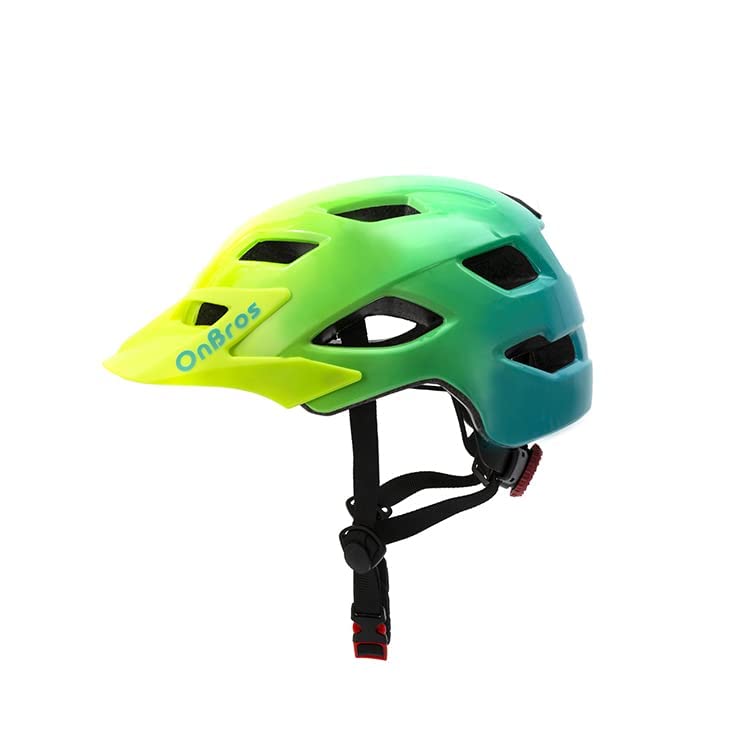
A lightweight shell with a detachable visor at a very approachable price.
The OnBros hits 240 grams (about 8.5 ounces), making it one of the lighter entries here, and the 15 vents provide strong airflow without looking bulky. The rear dial adjuster is easy for kids to operate themselves, which means fewer requests for help from a parent. It comes with a helmet bag, which is a thoughtful inclusion for keeping the shell scratch-free between rides.
The detachable visor works well for sun glare, owners say. Durability is the one note of caution: the visor has been reported to break after around 5 uses by a handful of owners. The main shell itself is rated CPSC and CE certified, and the polycarbonate outer plus EPS foam inner gives solid impact protection. If your child tends to be rough on gear, you may want to treat the visor gently or remove it when not riding.
Best for budget-conscious families: the price-to-features mix here is excellent, and the included bag is a nice extra. Just be mindful of the visor attachment if your child is very active.
Reach for this if: you want a good-looking, lightweight helmet with a visor at a mid-range price point and do not mind taking the visor off when storing it.
6. SIFVO Kids Bike Helmet

A wind-tunnel feel on a kid’s head — 21 vents make this one breathe.
If your child sweats through a helmet within five minutes, the SIFVO is the answer. Its 21 vents create an internal air circulation system that owners describe as genuinely effective at keeping heads cool. The full-coverage shell extends around the back of the head for 360-degree protection, and it meets CPSC, ASTM, and CE safety standards — triple certified like the ZLEIOUY above.
The quick-adjust knob on the rear has three positions, and the detachable visor is a practical shield against sun and low-hanging branches. The black and white plaid color option gives it a clean, modern look. At 11.04 ounces it is not the lightest, but owners consistently praise the comfort and fit — a 10-year-old owner loved it, and the easy-turn knob makes self-adjustment a breeze for smaller hands.
Best for hot-weather riders and skatepark days: the ventilation is the standout feature, and triple certification backs up the protection. If you live in a warm climate, put this at the top of your shortlist.
Grab it if: airflow is your biggest concern. Also suitable for scooters and hoverboards, making it a versatile multisport helmet.
7. HocIece Kids Helmet Set
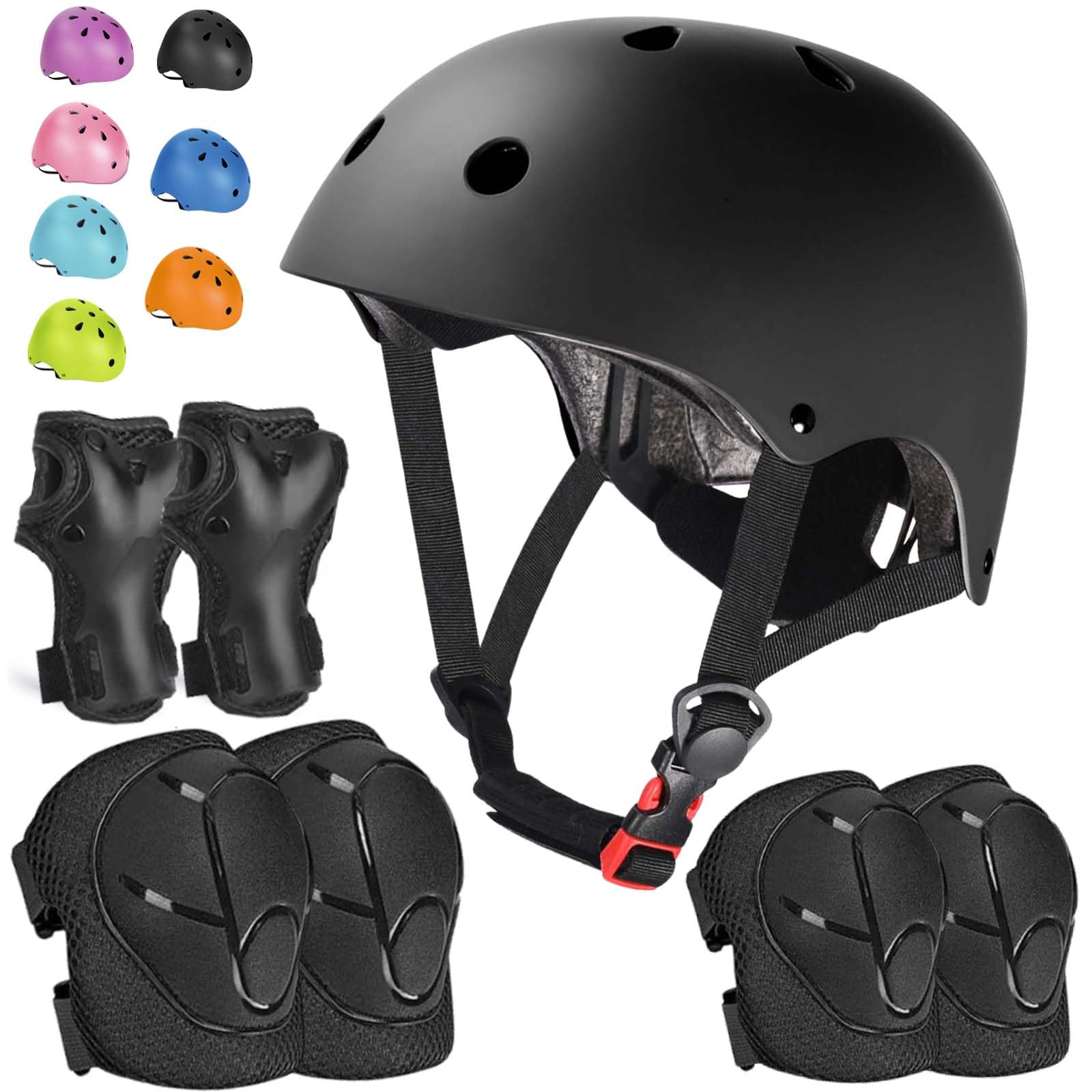
One box — helmet, elbow pads, knee pads, and wrist pads — ready to roll.
Starting a new skater or scooter rider? This set includes everything: a helmet plus two elbow pads, two knee pads, and two wrist pads, all in one bundle. The helmet itself covers head circumferences 21.6 to 23.2 inches (55 to 59 cm) in the medium size, which fits ages 3 to 15 depending on head shape. The ABS shell and EPS foam liner provide the usual impact protection.
Owners mention the pads stay in place during active play, which is often the biggest complaint with budget sets. The adjustable dial on the rear lets you tighten or loosen easily. The 11 vents are standard for this price level. One thing to keep an eye on: the set can run large for smaller kids, so measure the head circumference before buying if your child is on the younger end of the 8-to-14 range.
Best for families buying their first set of protective gear: the all-in-one approach saves you from buying knee and elbow pads separately. The storage bag included makes it easy for a child to pack everything themselves.
Reach for this if: you need a full protection set for a birthday or holiday gift. If your child is small for their age, go up a size or measure carefully.
8. Bilaki Bike Helmet

Light enough for a child, big enough to fit a small adult too.
The Bilaki is designed to bridge the gap between youth sizing and adult small. The medium size fits 54 to 58 cm (21.3 to 22.8 inches), which covers ages 8 to 14 and also works for petite adults. At only 0.62 pounds (280 grams), it is one of the lightest helmets in this roundup, and the 23 flow vents with internal air channels make it the most ventilated option here — great for long summer rides.
The detachable sun visor comes in two color options, and the adjustable dial and straps make fit easy. Shoppers say the comfort is excellent and the chin strap is the only recurring complaint — some find it a bit rough, though that is common among many helmets at this level. Overall, the fit and lightweight feel are standout points that get consistent praise from both parents and young riders.
Best for families who share equipment: if you need one helmet that can switch between a 12-year-old and a mom or dad on short rides, this does the job. The gradient cyan blue color is a nice touch.
Grab it if: you want maximum ventilation and a helmet that serves both a growing youth and a small adult. The included storage bag is a practical bonus.
9. Anharluka Road Bike Helmet
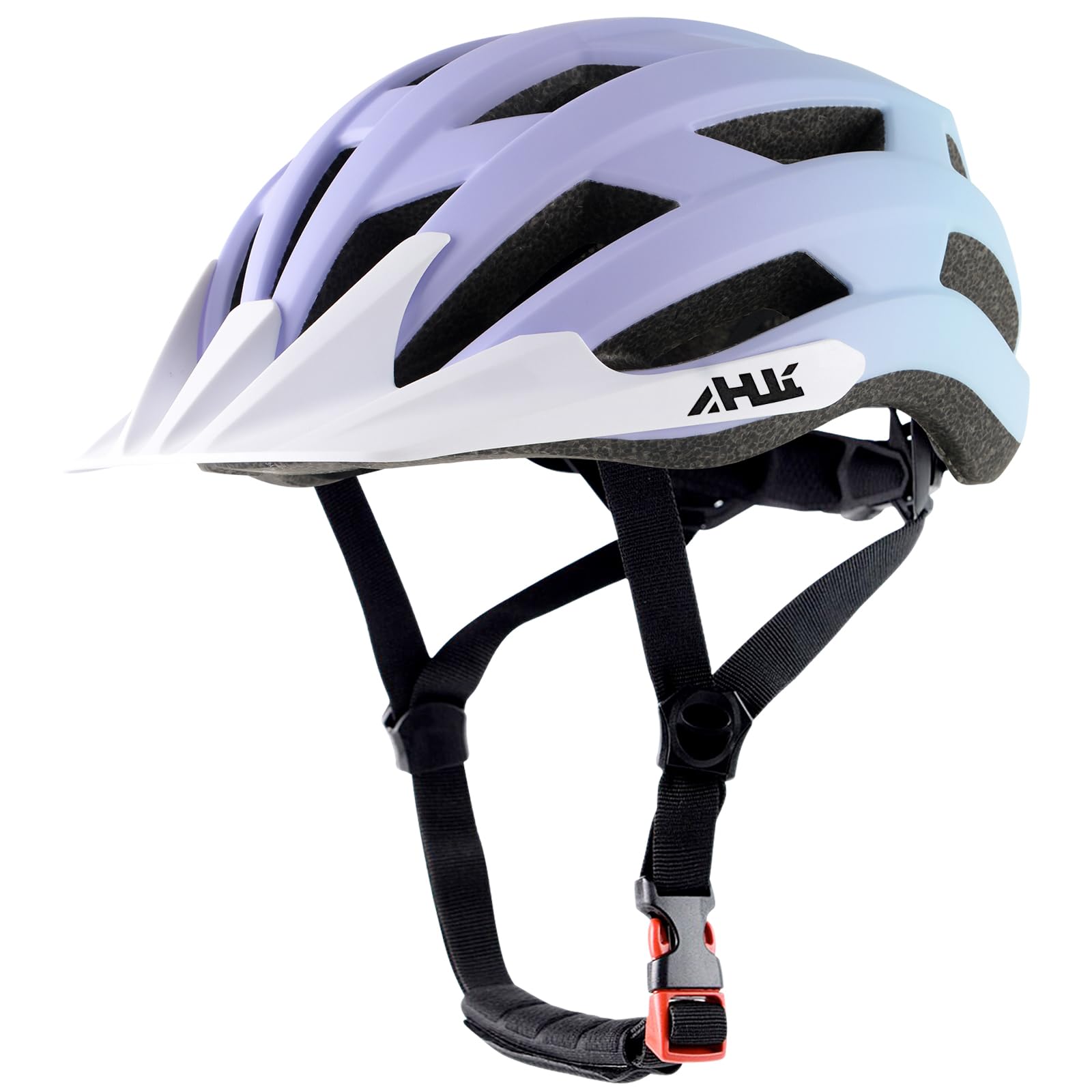
Two visors in the box — one black, one white — swap to fit the ride.
The Anharluka takes the visor idea a step further by including two different-color visors (black and white) that you can switch without tools — just push them through the slots. The medium size covers 54 to 58 cm (21.2 to 22.8 inches), fitting ages 8 to 14 comfortably. The 23 air vents match the Bilaki for top-tier airflow, and the EPS foam plus polycarbonate shell meets CPSC safety standards.
At 9.52 ounces it is notably light, and the breathable inner pads are removable and washable — a feature parents appreciate after a sweaty week. Owners consistently praise the fit and quality, with over 40 owners highlighting the fit as a top positive. The insect net at the front vents is a thoughtful detail that keeps bugs out during summer rides through wooded trails.
Best for the detail-oriented buyer: the two-visor system means you can pick the shade that works for that day’s conditions. The included carrying bag keeps everything organized.
Reach for this if: your child rides in varying light conditions and you want the flexibility of a quick visor swap. Solid value for a well-ventilated, lightweight helmet.
Understanding the Specs
EPS Foam
Expanded polystyrene (EPS) is the lightweight foam layer inside the hard shell. In a crash, the foam crushes to absorb the force of the impact, slowing down the head’s deceleration. All modern youth helmets use EPS of varying density — thicker foam generally gives better protection. It is a single-use material: if the helmet takes a hard hit, the foam is compressed and will not protect as well a second time, so replace the helmet after any significant crash.
CPSC Certification
The Consumer Product Safety Commission sets the mandatory minimum safety standard for all bicycle helmets sold in the United States for persons aged 5 and older. A CPSC-certified helmet has passed tests for impact absorption, strap strength, and coverage area. Many helmets also carry ASTM (American Society for Testing and Materials) certification, which is voluntary but adds an extra layer of testing for multi-sport use such as skateboarding and scooters.
FAQ
How do I measure my child’s head for a youth bike helmet?
What is the difference between CPSC and ASTM certification?
Can a youth helmet be used for skateboarding or scooter riding?
How tight should a bike helmet fit on a child’s head?
When should I replace a youth bike helmet?
What size helmet does a 10-year-old typically need?
Are LED helmets worth the extra cost?
How do I clean a youth bike helmet?
Can a youth helmet fit an adult with a small head?
How many vents do I really need in a youth bike helmet?
Final Thoughts: The Verdict
For most families, the youth bike helmet 8-14 winner is the Retrospec Remi because it combines a dial-fit system, a built-in sun visor, reflective straps, and proven real-world impact protection — all backed by the most positive owner feedback among the group. If you need extra safety visibility for evening rides, grab the Exclusky with LED. And for the hottest days, the SIFVO with 21 vents is the one that kids won’t want to pull off mid-ride.
How We Picked
We do not accept paid placement. Every pick is matched to a real buyer and a real use-case; we do not hands-on test units.
Sources & Methodology
Specifications: manufacturer listings and product documentation. Review insights: verified customer reviews, as of July 2026. Pricing: not shown on this page (it changes often); check the current price via the retailer link.
As an Amazon Associate, GoCarLife earns from qualifying purchases. This does not affect which products we feature.