
Our readers keep the lights on and the garage heater humming. As an Amazon Associate, I earn from qualifying purchases.
Specs are compiled from manufacturer listings and verified buyer reviews and can change over time — please confirm the key details on the product page before buying.
If you own a Subaru WRX, you already know the stock air intake is a compromise between cost, noise, and emissions. Swapping it out is the single most popular first mod — but pick the wrong one and you are either making noise with no gains, or worse, running your engine lean. This guide breaks down nine specific, vehicle-specific intakes for the WRX, using real owner experiences and published dyno results to separate the show from the go.
I’m Mo Maruf — the founder and writer behind GoCarLife. This guide is built by comparing the manufacturers’ published specifications and the patterns across verified customer reviews, so you get each pick’s real strengths and trade-offs instead of marketing spin.
Whether you daily a bone-stock VA chassis or you are building a track-ready VB, finding the right wrx air intake means matching your year, your tuning plans, and your appetite for wrenching to a kit that actually fits and performs.
Our Picks at a Glance


How To Choose The Best WRX Air Intake
The market is flooded with intakes that claim big horsepower numbers but can cause drivability issues on a stock tune. These three factors separate a smart purchase from a regret.
Year-Specific Fitment
A 2009 WRX intake does not bolt onto a 2018. The engine bay layout, MAF (mass airflow sensor) housing diameter, and turbo inlet tube changed significantly between the GR, VA, and VB generations. Kits like the AEM 21-732C are strictly for the 2015-2021 platform, while the K&N 69-8004TTK covers 2008-2014. Always verify the model year range before you buy — forcing a wrong-fit part damages the sensor or causes air leaks.
Need for a Tune
Some intakes are designed to run safely on the factory ECU calibration. The Mishimoto MMAI-WRX-15BP claims 33 wheel horsepower on a stock tune, with zero CEL (check engine light) issues reported by owners. Others, like the older K&N units, often trigger lean fuel trims unless you add an Accessport and a custom tune. If you are not ready to tune, prioritize a kit that is explicitly dyno-tested for stock air/fuel ratios.
Filter Type & Maintenance
You will choose between a dry synthetic filter (AEM DRYFLOW) and an oiled cotton filter (K&N). The dry type never needs oil and is cleaned every 100,000 miles. The oiled type catches more fine dust but requires careful re-oiling to avoid contaminating the MAF sensor. For a daily driver in dusty conditions, the dry filter is lower maintenance.
Quick Comparison
| Model | Best For | WRX Years | Claimed Gains | Filter Type | Amazon |
|---|---|---|---|---|---|
| AEM 21-732C | Best Overall VA Chassis | 2015-2021 | Unstated | Dry Synthetic | Amazon |
| K&N 69-8006TTK | Daily Driver 2015-2017 | 2015-2017 | Guaranteed Increase | Oiled Cotton | Amazon |
| K&N 69-8004TTK | Budget GR Chassis | 2008-2014 | Guaranteed Increase | Oiled Cotton | Amazon |
| Mishimoto MMAI-STI-08WBK | No-Tune GR/STI | 2008-2014 | Up to 25 whp | Oiled | Amazon |
| AEM 21-478WR | Peak Horsepower GR | 2008-2014 | 36 HP at 5300 RPM | Dry Synthetic | Amazon |
| Mishimoto MMAI-WRX-15BP | Premium VA 2015+ | 2015+ | Up to 33 whp Stock | Oiled | Amazon |
In‑Depth Reviews
1. AEM 21-732C Cold Air Intake System
The crowd-favorite VA intake that delivers sound and quality without demanding a tune.
Buyers report the installation takes about an hour, though one tip keeps surfacing: you need to remove the passenger splash guard to access a bolt, a step the instructions do not include. The sound is the headline: the air suction between 4,000 and 6,000 RPM is addicting, and the stock BOV becomes instantly audible. At 5 pounds, it is notably lighter than some competitors, and the lifetime DRYFLOW synthetic air filter requires zero oiling. Compared to the premium Mishimoto MMAI-WRX-15BP, the AEM does not claim a dyno-tested horsepower number — a few owners note the power gain is not dramatic without a tune — but its build quality and perfect fit on the 2015-2021 platform make it the reference point.
What wins people over is the sound—24 owners single it out as the best part—followed closely by the straightforward installation. The consensus is that throttle response improves and the torque fade at around 4,400 RPM in second gear feels reduced. A minority note the heat shield requires adjustment if you have aftermarket charge pipes, and the metal shield can make a knock noise on cold startup until it flexes into place. The intake is non-CARB compliant, so check your state laws if you face emissions inspection.
Why It Wins
- Tool-free filter changes and a lifetime dry filter that never needs oil
- Relocates the filter outside the engine bay for cooler, denser air
- True bolt-in with no cutting or drilling reported by dozens of owners
Know Before You Buy
- Non-CARB compliant (check your local emissions rules)
- Heat shield may rattle on cold start until it warms up
- Battery disconnect during installation means you will need to reprogram your windows
Reach for this if: you own a 2015-2021 WRX and want a proven, great-sounding intake that you can install yourself in an afternoon without worrying about a tune.
Look elsewhere if: you need a CARB-legal part or you want a guaranteed dyno-verified horsepower number on a stock ECU.
2. Mishimoto MMAI-WRX-15BP Subaru WRX Performance Air Intake
The only kit claiming 33 wheel horsepower on a completely stock tune — and owners confirm it.
Mishimoto backs this kit with dyno-proven numbers: 33 whp (wheel horsepower) and 30 wtq (wheel torque) on a stock tune, and up to 70 whp and 70 wtq with an aggressive tune. That is the highest stock-tune gain of any intake in this guide. Owners on 2015+ WRXs consistently report the installation takes about 40 minutes and is done entirely from the top of the engine bay — no jack stands or splash shield removal. The sound profile is dead quiet until you hit the throttle, then a pronounced turbo whoosh. The kit uses the factory intake duct, so it retains a clean, almost OEM look under the hood. It is CARB-legal (EO D-759-3), making it a safe choice for California and other emissions-strict states.
The recurring note across reviews is that a tune is still strongly recommended to avoid long-term fuel trim issues, despite the stock-tune claim. One owner on a Bren Stage 2 E-Tune reports rock-stable performance. A small number of units arrived missing screws for the top plate or a clamp — not a pattern, but worth checking the box immediately. The weight is about 5 pounds (converted from 2.27 kg), which is competitive. This intake leads the premium tier ahead of the older Mishimoto MMAI-STI-08WBK because of the sheer data and owner satisfaction on the VA platform.
The Usability Truth: If you plan to tune your car later, this intake grows with you — the same hardware supports a stage 2 setup that makes 70 wheel horsepower over stock. If you never plan to tune, the 33 whp on 93 octane is still a real seat-of-the-pants improvement that the buddy with the cheaper intake will not get.
Buy this for: a 2015+ WRX you intend to keep long-term, especially if you plan on adding an Accessport and custom tune down the road.
Skip if: you want the lowest price entry point — the AEM 21-732C is cheaper and still sounds phenomenal.
3. AEM 21-478WR Wrinkle Red Cold Air Intake System
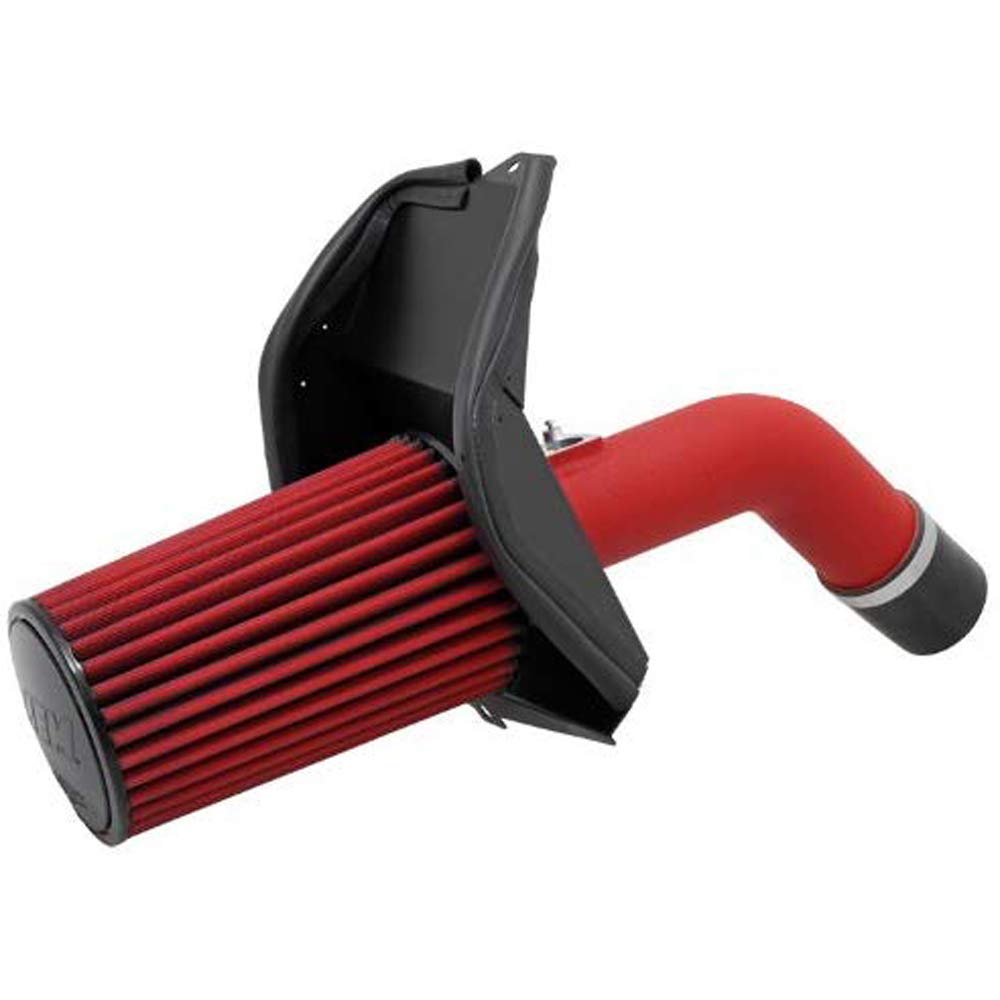
The highest claimed peak horsepower in the guide, aimed at the GR chassis crowd.
AEM claims 36 horsepower at 5300 RPM for this wrinkle-red cold air intake, making it the single most aggressive peak-power number among these nine products. It fits the 2008-2014 Subaru WRX and STI, the GR chassis generation, and it relocates the filter outside the engine bay for true cold-air effect. The weight is 8.5 pounds, notably heavier than the AEM 21-732C, but that extra mass comes from a larger filter housing and a metal heat shield. Owners mention an easy installation taking about an hour with basic hand tools. The dry DRYFLOW filter is oil-free and only needs a check every 25,000 miles, with a full cleaning at 100,000 miles — less maintenance than any oiled cotton filter.
The crowds say the sound is epic—the whoosh of the turbo spool and the recirculating BPV become dramatically more present. Performance is the second-most-discussed trait, with owners on both stock 2011 WRXs and 2011 STIs noting noticeable power and improved throttle response after a tune. A common caveat: the filter cleaning process requires disassembling part of the intake tube. And the wrinkle red color is slightly brighter than the stock intake manifold — a cosmetic detail to know if you are a stickler for under-hood uniformity.
The Peak-HP Trade-Off: This intake makes more power at high RPM than the Mishimoto MMAI-STI-08WBK on paper, but it needs a tune to open up that 36 HP safely. If you are building a track-focused GR car, this is your pick. If you want a daily that sounds good without a laptop, the Mishimoto no-tune kit is smoother.
Grab this for: a 2008-2014 WRX or STI where you are chasing peak dyno numbers and already have an Accessport or EcuTek tune.
Consider something else if: you want CARB compliance (this may not have the sticker) or you prefer to keep the stock ECU untouched.
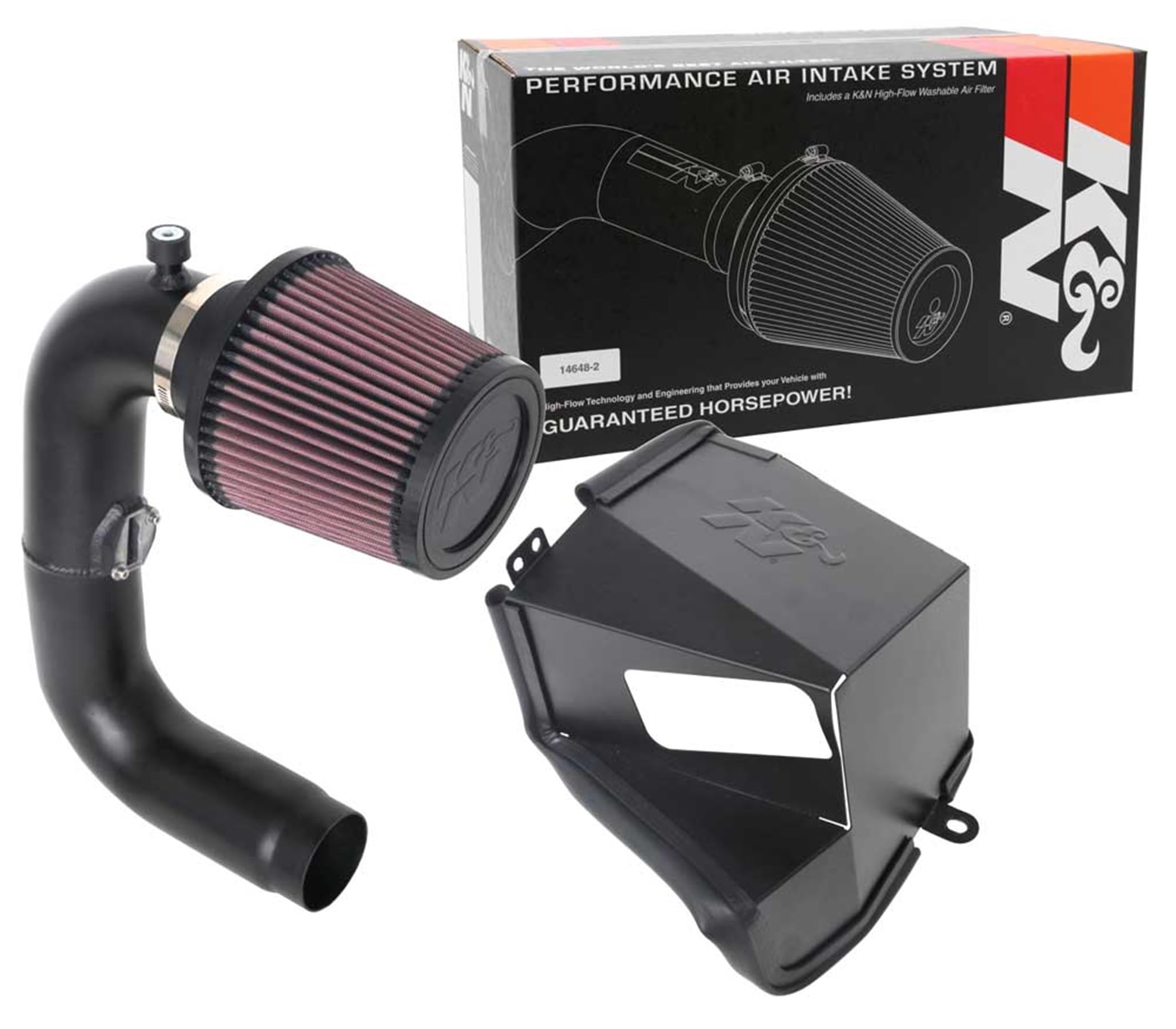
4. K&N 69-8006TTK Cold Air Intake System (2015-2017 WRX)
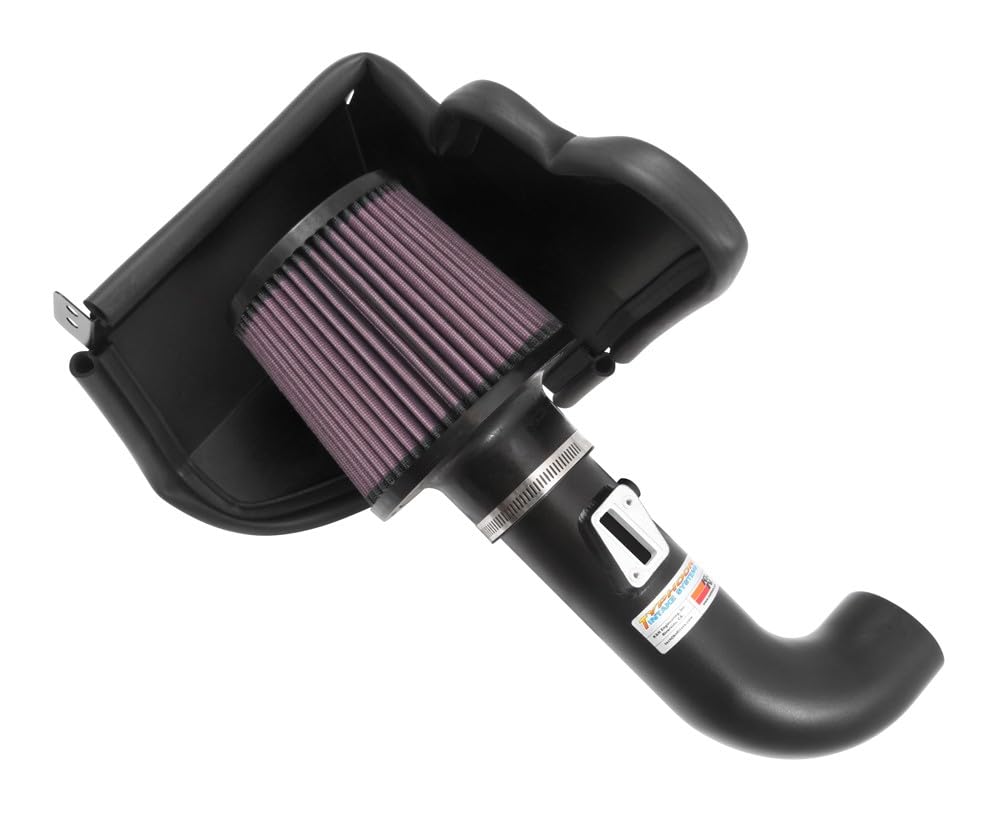
The familiar red filter with the million-mile warranty, tuned for the 2015-2017 VA WRX.
K&N is the name most people recognize, and this kit brings the brand’s signature oiled cotton filter and a “guaranteed increase” in horsepower and torque to the 2015-2017 WRX. Owners consistently say the installation is easy, with one describing it as a 30-minute job on a 2011 (though that is a different chassis—the 2015-2017 fit is similarly straightforward). The turbo sound becomes “aggressive” and “growly” on acceleration, then quiets down at cruising speed. The filter can go 100,000 miles between cleanings under normal conditions, and the No-Hassle Lifetime Limited Warranty backs the product for the life of the vehicle.
The honest caveat found across reviews: the heat shield sits vertically, and in a few cars it can contact the headlight mounting bracket, requiring you to bend the bracket slightly. More importantly, the heat shield must be completely removed every time you clean or replace the filter — which is every 30,000 to 60,000 miles in real-world driving, not the optimistic 100,000. The hole for the MAF sensor on one unit was reported as too small — a quality-control miss that is rare but documented. Compared to the Mishimoto MMAI-WRX-15BP, this K&N lacks a dyno-sheet claim and most owners describe power as “slight” or “minimal,” buying it mainly for the sound upgrade.
The trade-off is you need to remove the heat shield for maintenance and you probably will not feel a night-and-day power difference on the butt dyno.
Who it is for: the budget-conscious WRX owner who wants an easy, good-sounding intake from a trusted brand without committing to a tune.
Who it is not for: anyone who wants maximum performance per dollar — the AEM 21-732C offers a better owner experience at a similar price.
5. Mishimoto MMAI-STI-08WBK Performance Cold-Air Intake (2008-2014)
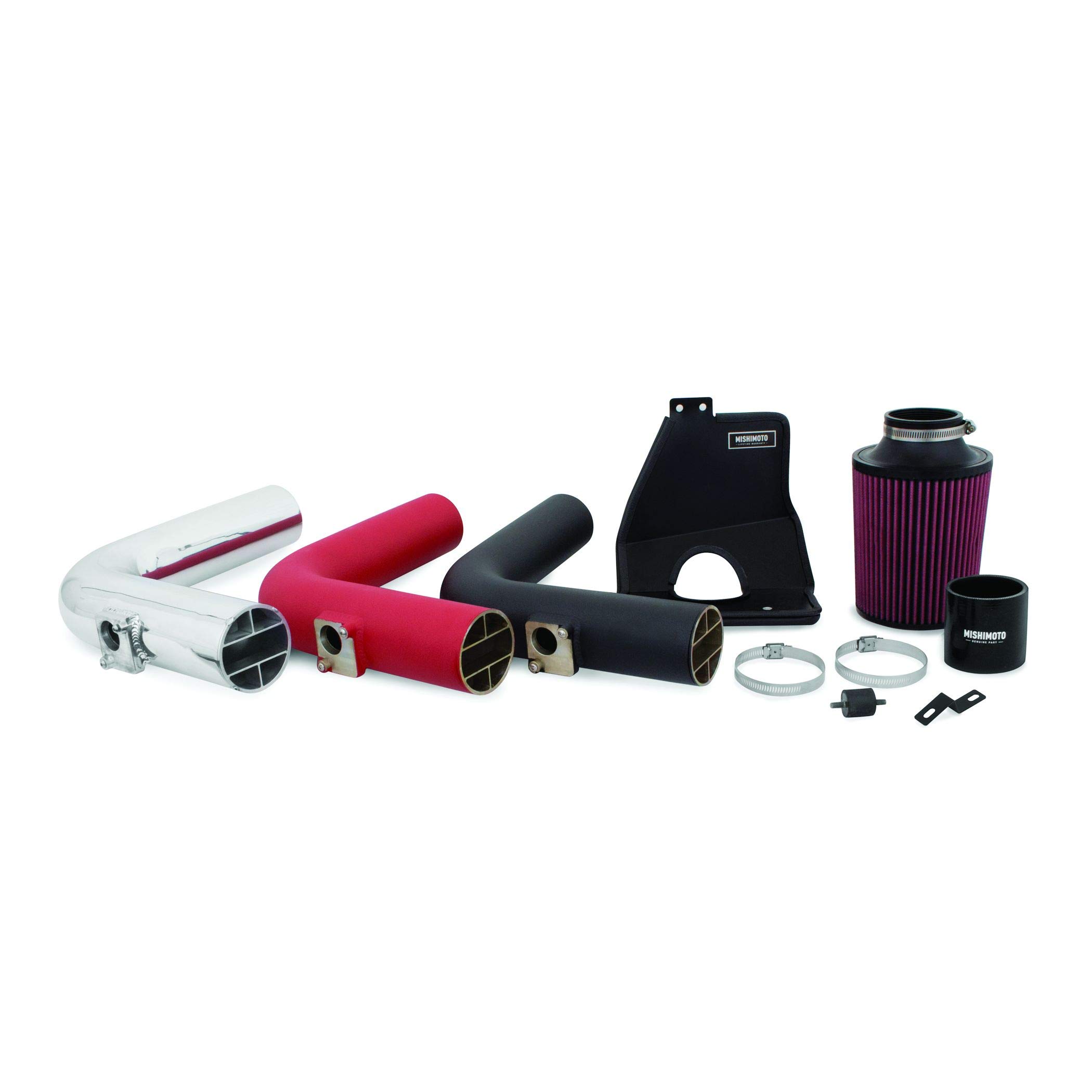
The wrinkle-black GR intake that claims real dyno numbers without requiring a reflash.
Mishimoto says this intake makes up to 25 whp and 25 wtq with no tune required, and it carries a CARB EO D-759-3 for legal use in California. At just 3 pounds, it is the lightest intake in this guide — significantly lighter than the 8.5-pound AEM 21-478WR. The aluminum intake pipe features an air straightener and a CNC-machined MAF housing, designed to deliver consistent airflow readings to the ECU so it does not trigger a check engine light. Owners confirm: “no CEL, direct bolt-on, no fuss with my Accessport.” The filter surface area is 16% larger than the stock unit, which helps explain the power claim.
A few customers note the kit arrived without printed instructions (you will rely on YouTube videos), and the intake pipe on some units had minor cosmetic marks inside and out — a fit-and-finish detail that does not affect performance but is worth checking on arrival. One owner found the Mishimoto logo was completely covered by hoses after installation, a minor aesthetic annoyance. The turbo sound is immediately addictive — as one owner put it, couldn’t stop woooooshing all day. Importantly, a small number of reviewers point out the car runs rich and needs a remap to correct over-fueling, which contradicts the “no tune” claim. Weigh that against the majority who run it without issues. The wrinkle-red version (MMAI-STI-08WRD) is mechanically identical — choose by color preference.
The Color Split: The black (WBK) and red (WRD) versions are the same product with the same 25 whp claim. Pick the one that matches your engine bay aesthetic. If you are on the fence, the black blends more naturally under the hood.
Buy it if: you own a 2008-2014 WRX or STI and want a true no-tune intake backed by dyno sheets and the Mishimoto Lifetime Warranty.
Think twice if: you are obsessive about packaging quality or you want the highest peak HP on paper — the AEM 21-478WR beats it at the top end.
6. K&N 69-8004TTK Cold Air Intake Kit (2008-2014 WRX)
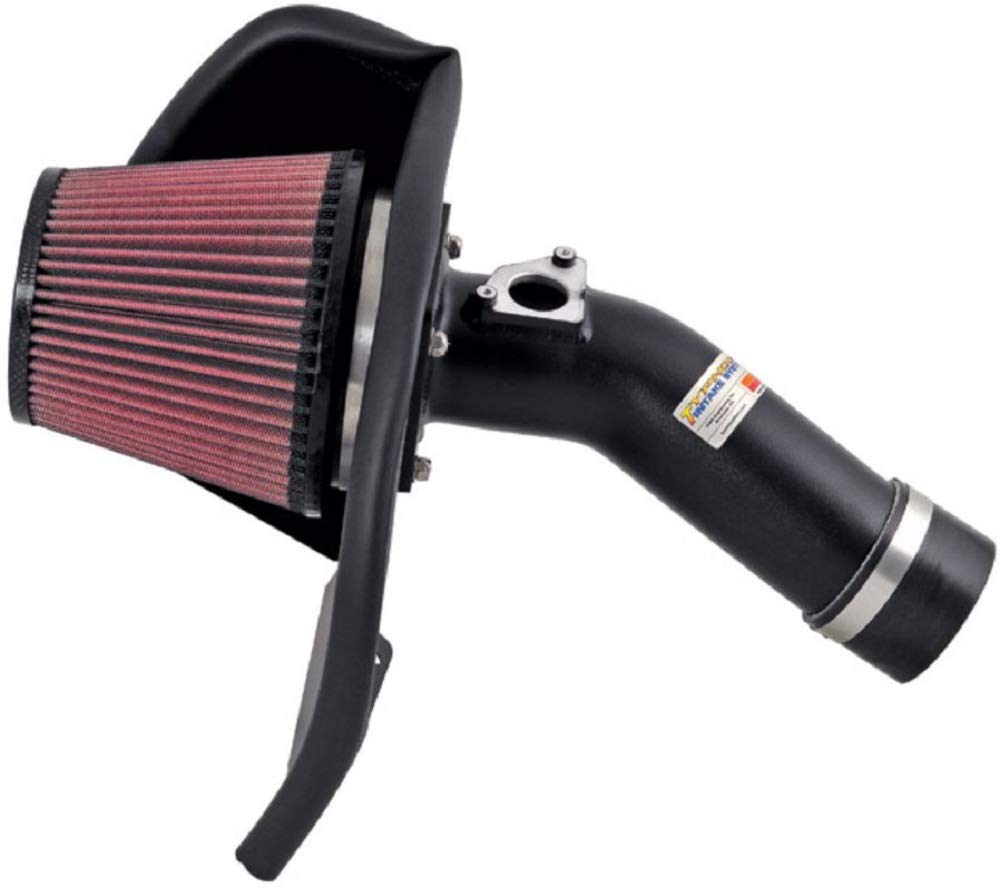
The classic K&N for the GR generation, delivering sound and brand reliability at an entry-level price.
This is K&N’s offering for the 2008-2014 Subaru Impreza WRX. It uses the same 4-layer oiled cotton filter and mandrel-bent aluminum tube design as the newer K&N kits, and owners love the sound — 15 call it out as the standout feature, with the turbo and BPV becoming very loud and present. One owner on a 2011 WRX completed the install in 30 minutes and noted the turbo sound becomes noticeable at around 2000 RPM. K&N backs it with a 1,000,000-mile guarantee and claims it will not void your manufacturer warranty. The shape is cylindrical, which is visually distinct from the panel-style filters in many other kits.
Quality control is the biggest split in the reviews. One owner describes it as “AMAZING piece of engineering,” while another says “quality control is out the window” — missing hardware, gaskets that do not line up, and a MAF hole that needed sanding to remove coating before the sensor would fit. This is not a consistent pattern, but it happens often enough to check all parts before you start. The intake also requires a tune on the GR chassis to avoid the car running lean — multiple owners confirm they used a Torqued Performance Stage 1 map. One owner even reported clutch slippage in 5th gear after installation due to the increased torque. This is a budget option with a caveat: budget for a tune and potentially a stronger clutch.
The Honest Trade-Off: You save money upfront compared to the Mishimoto MMAI-STI-08WBK, but the K&N almost certainly requires a tune to run right on a GR WRX. Factor the cost of an Accessport or an Torqued Performance map into your total.
Good for: the GR owner on a budget who plans to tune their car anyway and wants a loud, classic intake sound.
Not ideal for: anyone who wants a no-headache, open-the-box-and-bolt-it-on experience without touching the ECU.
7. K&N 69-8011TTK Cold Air Intake Kit (2018-2019 WRX)
MAF Sensor Housing & Scaling
The MAF (mass airflow sensor) measures how much air enters your engine so the ECU can add the correct amount of fuel. When you change the intake tube diameter, the MAF reads differently — this is called “MAF scaling.” If the intake does not have a precision-machined MAF housing (like the CNC-machined unit in Mishimoto intakes), the sensor reading drifts and the car runs lean. Lean conditions cause detonation and engine damage over time. That is why some intakes need a tune and others (like the AEM 21-732C) do not trigger a CEL on simple cars.
FAQ
Will a cold air intake damage my WRX engine without a tune?
What is the difference between a cold air intake and a short ram intake?
How do I know if my WRX air intake is CARB legal?
How often do I need to clean the air filter on a WRX intake?
Will a cold air intake increase my gas mileage?
Do I need to upgrade my clutch after installing a cold air intake?
Can I install a WRX air intake myself with basic tools?
What is the difference between an oiled and a dry synthetic filter?
Will a cold air intake void my Subaru factory warranty?
Which WRX air intake is the loudest?
Final Thoughts: The Verdict
For most owners, the wrx air intake that hits the balance is the AEM 21-732C. It combines a stellar owner reputation, a simple installation, a lifetime dry filter, and a sound that genuinely transforms the driving experience — all without requiring you to open your laptop for a tune. If you drive a 2015+ WRX and want a proven, drama-free upgrade, that is your answer. If you have a 2022+ VB chassis, the Mishimoto MMAI-WRX-22MWBK is your only dedicated option and it is a good one despite the install quirks. And for the 2008-2014 GR crowd chasing peak numbers, the AEM 21-478WR offers the highest peak horsepower claim in this lineup — 36 HP at 5300 RPM — but budget for a tune to open up it safely.
How We Picked
We do not accept paid placement. Every pick is matched to a real buyer and a real use-case; we do not hands-on test units.
Sources & Methodology
Specifications: manufacturer listings and product documentation. Review insights: verified customer reviews, as of July 2026. Pricing: not shown on this page (it changes often); check the current price via the retailer link.
As an Amazon Associate, GoCarLife earns from qualifying purchases. This does not affect which products we feature.