
Our readers keep the lights on and the garage heater humming. As an Amazon Associate, I earn from qualifying purchases.
Specs are compiled from manufacturer listings and verified buyer reviews and can change over time — please confirm the key details on the product page before buying.
You bought a wireless car heater to stop scraping ice at 6 a.m. The problem is most of them barely warm your hands, and a few can actually melt a hole in your floor mat or blow a fuse. This guide cuts through the clutter: you will learn which 12V models actually clear a windshield, which ones stay safe, and the one wattage number you should never exceed on your cigarette lighter circuit.
I’m Mo Maruf — the founder and writer behind GoCarLife. This guide is built by comparing the manufacturers’ published specifications and the patterns across verified customer reviews, so you get each pick’s real strengths and trade-offs instead of marketing spin.
After looking at power output, safety feedback, and real-world defrosting speed across dozens of models, these seven picks represent the most worthwhile wireless heater for car options you can plug in today without second-guessing your vehicle’s electrical system.
Our Picks at a Glance

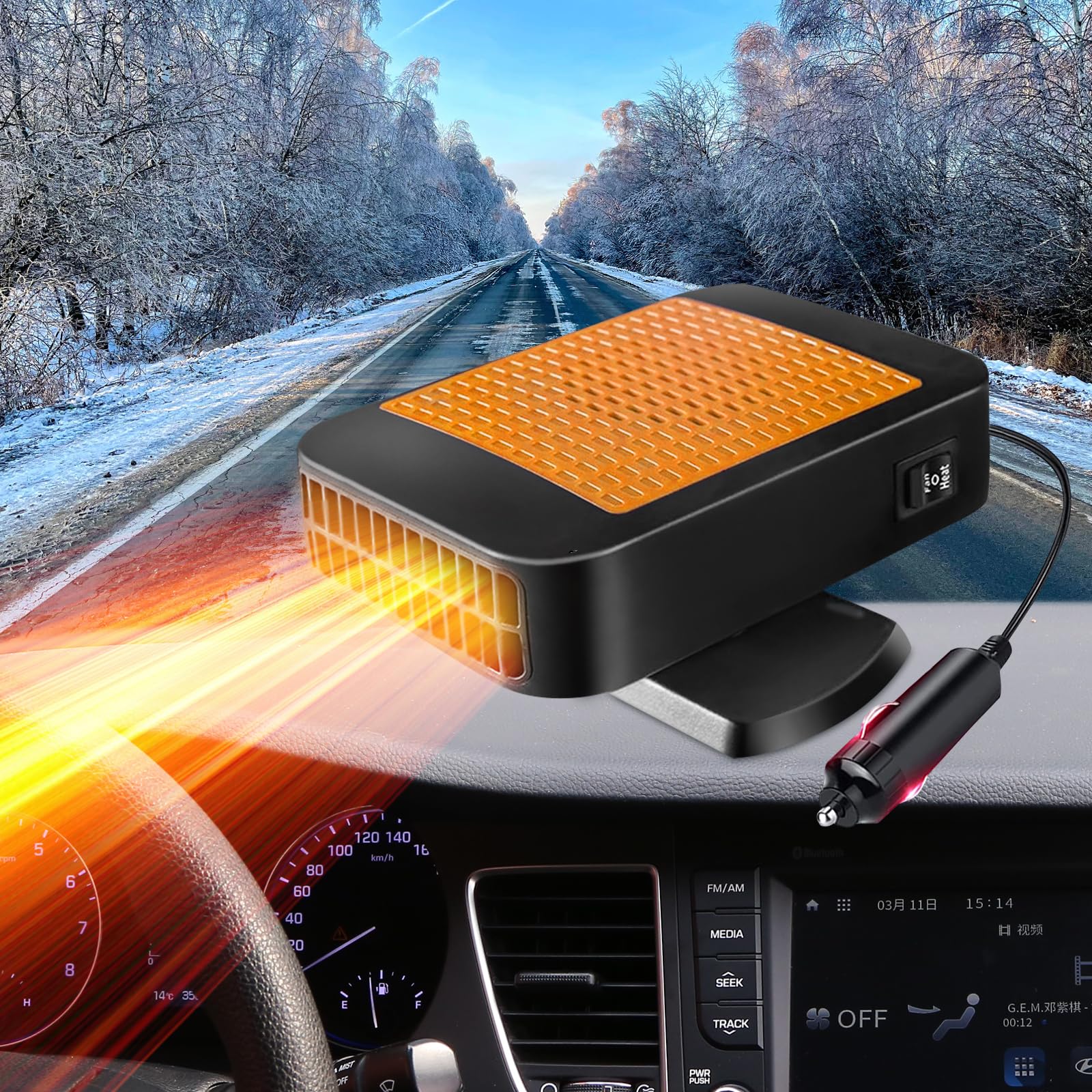
How To Choose The Best Wireless Heater for Car
The number-one mistake buyers make is grabbing a heater rated above 200W and plugging it into a factory cigarette lighter. Most car 12V sockets are fused at 10-15 amps, which caps out around 180W continuous. A 600W unit (like the first product below) pulls close to 50 amps — that demands a direct battery connection with a dedicated fuse. Ask yourself if you want a simple plug-and-play accessory or something you are willing to wire in.
Heating Technology: PTC Ceramic vs. Wire Coil
PTC ceramic (positive temperature coefficient) elements regulate their own temperature — they get hot but rarely red-hot, so the risk of melting a plastic housing is lower. Older wire-coil designs can overheat if the fan stalls. Most of the picks here use PTC ceramic, which is the safer bet for a device you leave running while you drive.
Airflow and Fan Speed
A heater can run at 200W, but if the fan barely pushes air, you will only feel warmth an inch or two from the vents. Look for units that mention multiple fan speeds or a decent-sized blade. The ones that owners praise for “airflow” almost always have a 3-speed switch and a 360-degree rotatable base that lets you aim the stream right at the windshield.
Build Quality and Material
ABS and heat-resistant polymer plastic are the standard. Avoid anything with thin, cheap plastic around the heating element — several reviews in this category mention units that melted or deformed during their first 20-minute run. A heavier unit (over 1 pound) often has a metal housing or a larger PTC element that handles heat better than a flimsy all-plastic shell.
Quick Comparison
| Model | Best For | Wattage | Weight | Heating Element | Amazon |
|---|---|---|---|---|---|
| Ejoyous 600W★ Best Overall | Workshop/cargo-trailer projects | 600W | 1.34 lb | PTC ceramic | Amazon |
| KINOWJI 200WAlso Great | Best Overall — strong airflow + safety | 200W | 12.6 oz | PTC ceramic | Amazon |
| LLWAN 12V Heater | Suction-mount convenience | ~166W | 13.1 oz | Alloy heating wire | Amazon |
| Rossesay 800W | Metal build for hardwiring | 800W | 2.23 lb | PTC heating plate | Amazon |
| Wewymewo 150W | Ultra-compact defogging | 150W | 10.4 oz | Alloy heating wire | Amazon |
| Therwen 3-Pack 150W | Multi-zone if wired separately | 150W | 2 lb (3 units) | Polymer plastic | Amazon |
| DNA Motoring 170W | Summer cooling fan use | 170W | 14.1 oz | Copper wire | Amazon |
In‑Depth Reviews
1. Ejoyous 600W PTC Car Heater
Serious wattage for a workshop, cargo trailer, or camper — but not for your dashboard.
This unit is a 600W PTC ceramic heater with three separate air outlets and a dual-gear temperature switch. The outlet temperature hits 75°C (167°F), which is genuinely hot. But the electrical reality is harsh: 600W at 12V draws 50 amps. The manufacturer ships it without a cigarette lighter plug for a reason — it must be wired directly to the battery with a 30A or 50A fuse. One experienced buyer flagged that the 40-amp draw will blow any standard 10-15A car lighter fuse instantly.
Owners who installed it in cargo trailers found it “works better as a fan than a heater,” which aligns with the 3.5-star average. The compact aluminum-and-PVC housing can be mounted under a seat or on a workbench, but the overall consensus is that this is a project heater, not a grab-and-go accessory.
The real use case: bolting under a truck camper shell or into a utility trailer where you can run dedicated 8-gauge wire. The catch: without proper wiring, this is a fire risk — and a few buyers learned that the hard way.
Ideal for: DIY van builders who understand 12V electrical and want serious heat output for a small enclosed space.
Not for: anyone who expects to plug this into a cigarette lighter socket — it will blow the fuse on the first try.
2. KINOWJI Portable Car Heater 200W
The 200W powerhouse that clears a windshield without stressing your fuse.
This is the one buyers call out for its “amazing airflow” — and the numbers back it up. At 200W with a PTC ceramic element (a self-regulating heater that won’t run red-hot), it runs safely on a standard 12V cigarette lighter socket as long as your fuse is rated 20A or higher. The 360-degree rotatable base lets you aim a stream of warm air directly at the windshield, side window, or rear passengers.
The crowd favorite here is the sheer breeze it pushes. Owners describe a 3-speed fan that is “very quiet” yet strong enough to cool the backseat in a Texas summer, meaning the fan moves real volume. A few reports mention reliability hiccups — a unit that “works great until it doesn’t” — but the majority find the combination of power and portability worth it. It weighs just 12.6 ounces, so it tucks into a glove box when not in use.
What Wins People Over
- Airflow gets the most praise — owners call it “amazing” for defogging and cooling
- 3-speed motor is genuinely quiet even on high
- 200W is the balance: warm enough to feel but safe for a 20A fuse
- Compact and light (12.6 oz) for tossing in a door pocket
The Honest Trade-Off
- Reliability gets mixed marks — a few buyers report intermittent electrical issues after the return window
- Cable is on the short side; may not reach rear ports in large SUVs
Reach for this if: you need a proper plug-and-play windshield defroster that actually moves air, not a barely-warm fan.
Look elsewhere if: you want a heater you can leave running unattended for hours — the sporadic reliability reports suggest occasional babysitting.
3. LLWAN 12V Car Heater with Suction Mount
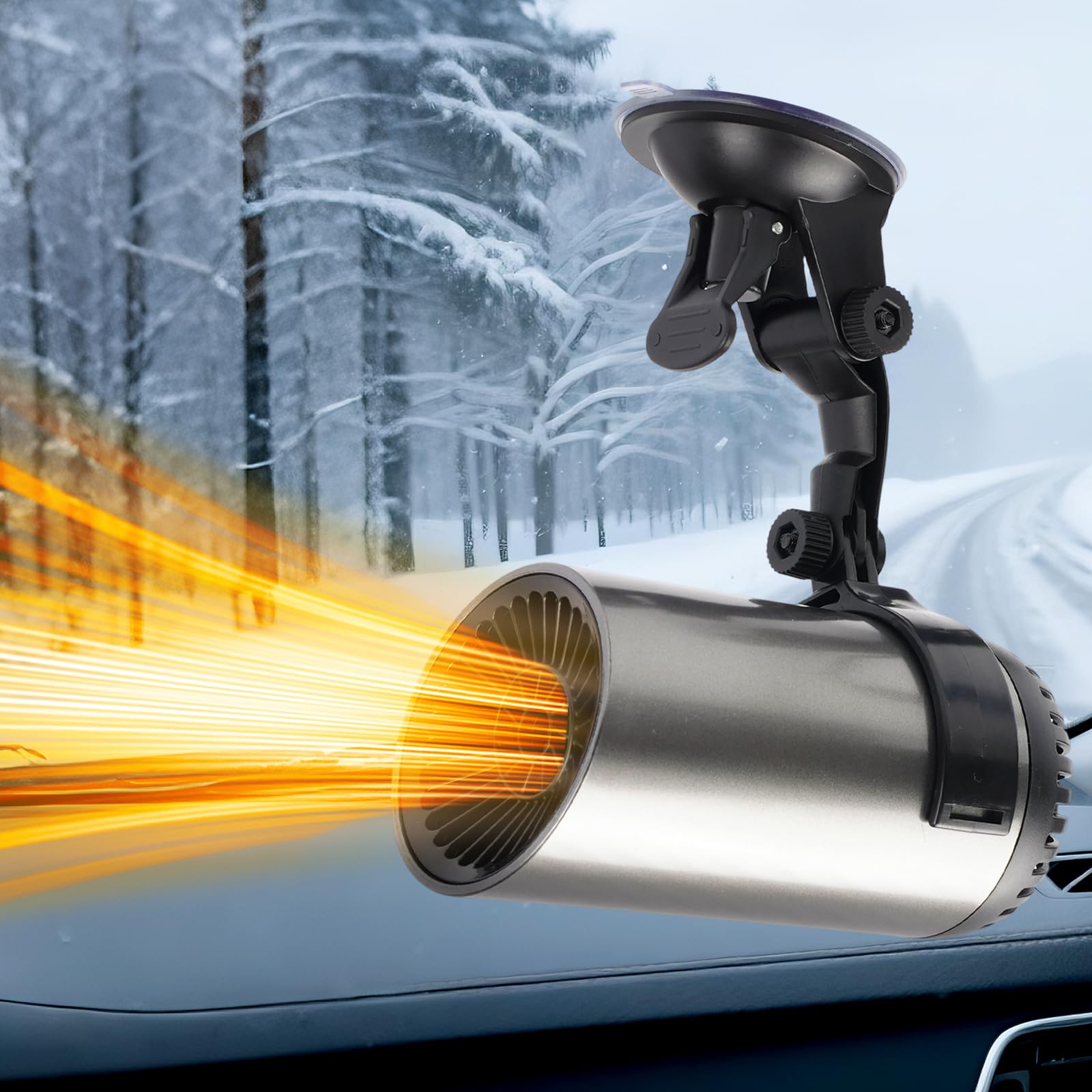
Sticks to your windshield and directs warmth exactly where the ice sits.
This unit’s standout feature is the 180-degree rotatable suction mount — you press it onto the glass, angle the nozzle at the frost, and plug in. It draws roughly 166W, well within a standard 12V socket’s comfort zone. One owner who used it after a heater core failure reported it defrosted a truck window reliably, noting the cord gets warm but the unit itself ran fine for the job.
The mixed feedback centers on heat output versus airflow. Buyers describe it as “warm but slow” — one comparison called the air pressure weaker than a human exhale — while a few had units burn out after 20 minutes. The ABS and polymer heat-resistant construction includes overheat protection, but the mixed reliability score (15 mentions) means it is best treated as a defogging aid rather than a cabin heater.
The big plus: suction-cup positioning means you aim heat right at the fog zone, unlike floor units that heat your ankles. The honest limit: the airflow volume is modest — it clears a pizza-sized spot in 10 minutes, not a full windshield.
Best suited for: side-by-sides, UTVs, or as a supplemental defogger on a frosty windshield.
Not ideal if: you need to warm a whole cabin or have a large truck windshield — the fan just isn’t that strong.
4. Rossesay 12V 800W Car Heater
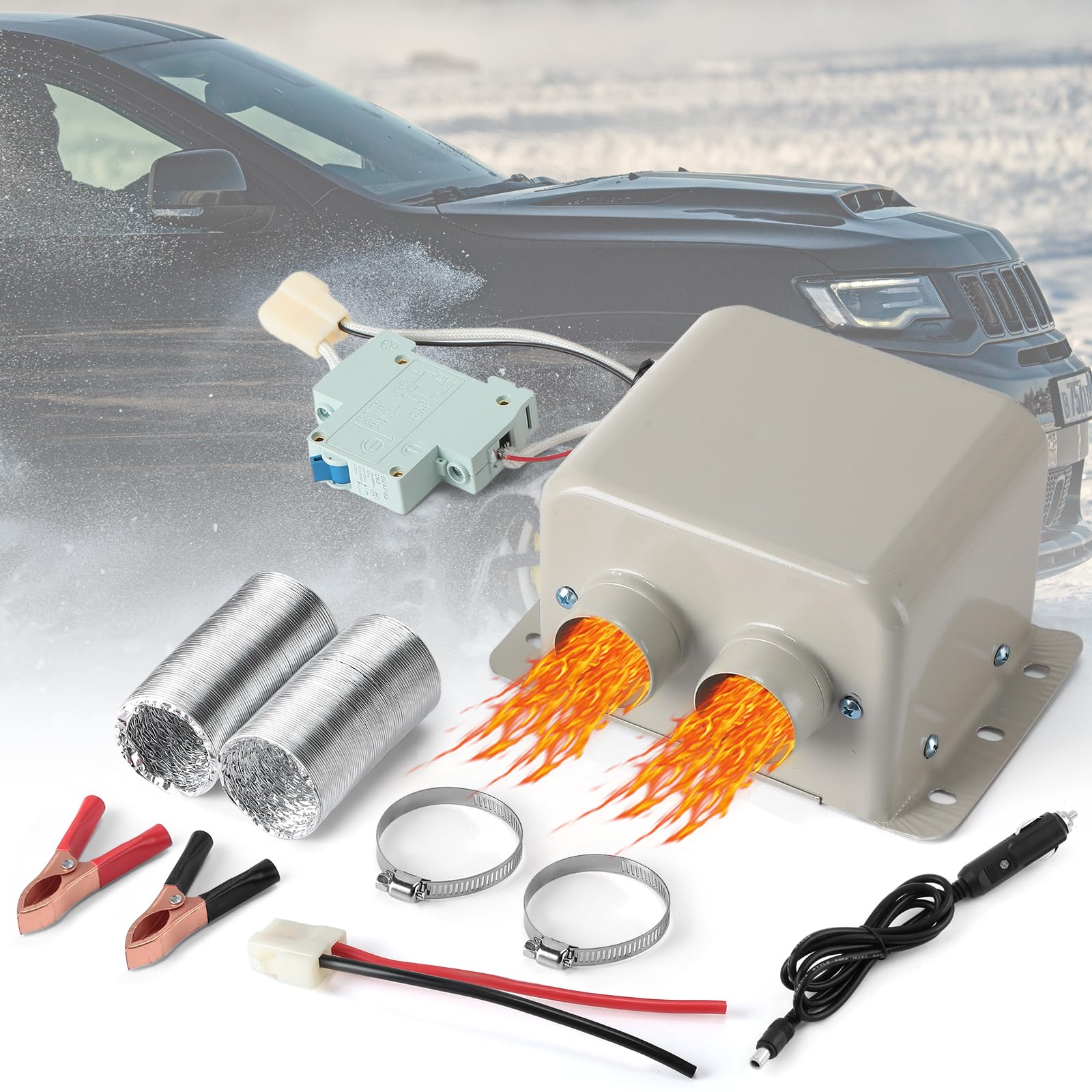
Heavy-duty metal construction for when you are ready to hardwire.
At 800W and 2.23 pounds, this is the beefiest unit here — built from steel, aluminum, and a PTC heating plate rather than cheap plastic. The maker explicitly states it is for “defrosting, defogging, and localized heating,” not whole-cabin warmth. The problem: 800W at 12V equals 67 amps, which no cigarette lighter can handle. The included adapter requires you to cut and splice wires directly to the battery with a proper fuse.
Owner experience splits sharply. Some say it “works better than expected” for defrosting a windshield over time. Others report that the fan blows too fast, cooling the heat before it reaches the glass, and that the 800W rating barely produces more warmth than a 200W unit. The heat output is the most-discussed issue (8 mentions, mostly negative), and a few buyers received units with no plug-in port — just bare wires.
Standout Strengths
- Steel and aluminum body is far more durable than ABS plastic shells
- Two-hole design directs air across a wider windshield area
- True PTC heating plate for self-regulated temperature
What Holds It Back
- Requires hardwiring — not plug-and-play; no cigarette plug on some units
- Fan speed can actually over-cool the heating element, reducing warmth
- Heat output is underwhelming for the 800W claim
Go for this if: you are comfortable with basic 12V wiring and want a metal-bodied defroster for a truck or van.
skip it if: you expect to simply plug into your dashboard lighter — you will be disappointed and possibly pop a fuse.
5. Wewymewo 150W 2-in-1 Car Heater
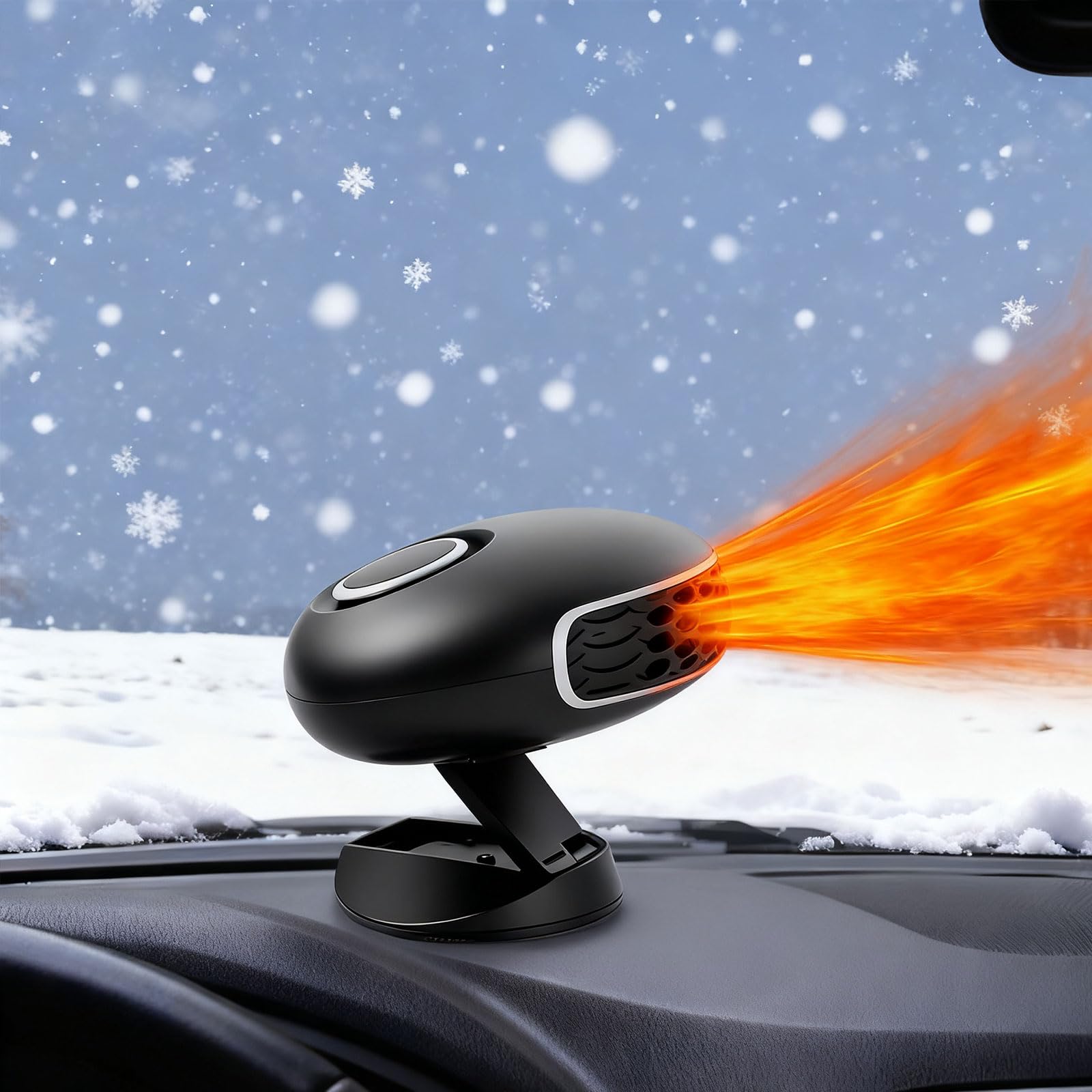
Small, cheap, and truly plug-and-play — if you manage your expectations on heat.
At 150W and a mere 10.4 ounces, this is the lightest heater here, which also makes it the easiest on your car’s electrical system. The built-in alloy heating wire and a 2-speed switch (I and II) let you toggle between warm and cool air. The 360-degree mount is great for aiming, but the plastic base and extending arm are fragile — several owners reported them arriving broken or snapping on the second adjustment.
The biggest challenge for this unit is heat output. At 150W, the warmth is gentle rather than forceful. One buyer who loved it called it “excellent” for defogging, while others said “it does not work well” for serious frost. If your goal is to take the edge off a cold windshield during a short commute, this will do it. If you park overnight in freezing temps, you will be underwhelmed.
Why It’s Worth a Look
- 10.4 oz is barely noticeable on the dashboard
- Adhesive pad mount means zero tools needed
Know Before You Buy
- Base and swivel arm are fragile — treat them gently during install
- 150W produces mild warmth, not the blast you get from a 200W+ unit
Best for: a commuter who wants a lightweight defogger to clear light condensation without worrying about blowing a fuse.
Pass on this if: you deal with thick frost or need to heat an entire cabin — the wattage is just too low.
6. Therwen 3-Pack 150W Car Heater

Three heaters for the price of one, but safety concerns make this a risky buy.
On paper, a 3-pack for a mid-range price sounds like a steal for outfitting a family SUV. Each unit runs 150W and features a 360-degree rotating bracket and a switch between heating and cooling modes. The compact size (5.12 x 4.33 x 2.76 inches each) means you can place one on each row. The problem is the real-world feedback is the most negative in this roundup — across 136 ratings, the recurring phrase from buyers is unmistakable: “Multiple owners mention near-miss fire incidents with this unit..” Another owner reported the wire overheated and burned their hand even after the truck’s fuse popped.
The manufacturer’s own “customers say” summary confirms the pattern: the unit fails to heat properly, blows cool air, stops working, and in some cases melts during use. Heat output (26 mentions) and reliability (16 mentions) are both overwhelmingly negative. A few customers note that the units work fine for defrosting, but the safety risk — no internal fuse, no thermal cutoff on some units — is too common to ignore. If you decide to try these, never leave them unattended and check the plug temperature every few minutes.
The only scenario that makes sense: you need cheap, temporary heat in a beater car and you are willing to monitor it constantly. The deal-breaker: multiple reports of overheating and melting make this the most dangerous pick in the list.
Only consider this if: budget is the absolute priority and you promise yourself to unplug it every time you park.
Hard pass if: you want something you can trust overnight or on a long trip — the safety data is too concerning.
7. DNA Motoring 12V 170W 2-in-1 Heater/Cooler
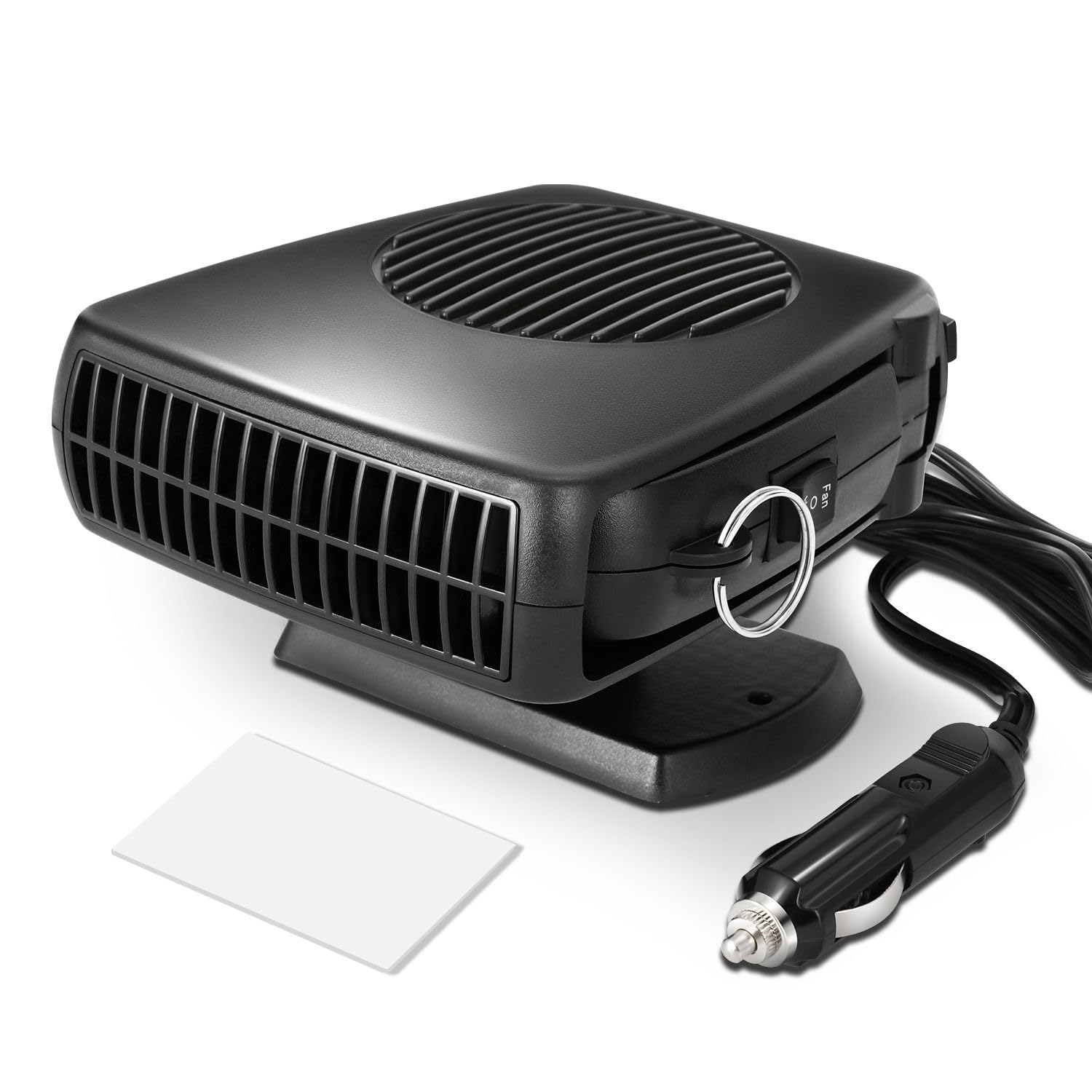
A 2-in-1 that tries to do everything but struggles to do any of it well.
DNA Motoring’s entry offers both heating and cooling modes in one unit, switching between them with a simple toggle. The 170W power draw and 14.1-ounce weight are middle-of-the-road, and the retractable handle and adhesive Velcro base make it easy to move between cars. The manufacturer requires a minimum 15A fuse and recommends a 14-16A current draw, which is a tight tolerance for many older vehicles.
Reviewers are blunt: “this seems kind of weak” and “car was warmed up before windows were defrosted.” A more alarming quote came from an owner who said it “One owner reported the unit overheated instantly and damaged the vehicle..” The heat mode is described as slow, with only one fan speed and no noticeable warmth beyond a few inches. On the plus side, a few buyers call it “nice” for the price, and the cooling mode does provide a light breeze in summer.
The Positive Side
- Dual heat/cool mode gives you year-round utility from one device
- Retractable handle and adhesive base make it genuinely portable
- Thicker copper cables than most budget units
The Real Picture
- Heat output is consistently called weak — cars warm up before the heater does its job
- Multiple verified reports of overheating and vehicle damage
- Only one fan speed, and it is not strong
Useful if: you primarily want a small summer fan that can occasionally blow mild warm air — and you keep a close eye on it.
Avoid if: your main need is reliable winter defrosting; the overheating risk and weak heat output make it a poor choice for cold climates.
Understanding the Specs
Wattage
Wattage tells you how much heat the unit can produce, but also how much electrical current it pulls from your car. A 12V socket with a 10A fuse can safely deliver about 120W. A 15A fuse handles about 180W. Anything above 200W — like the 600W or 800W models — requires a direct connection to the battery with a properly sized fuse. Ignoring this is the fastest way to blow a fuse or start a fire.
PTC Ceramic vs. Wire Coil
PTC ceramic elements regulate their own temperature by increasing electrical resistance as they get hotter. This means they never reach the red-hot temperatures that can melt plastic housings. Wire-coil heaters (alloy heating wire) can overheat if the fan stalls or airflow is blocked. For a device you may leave running while driving, PTC is the safer bet every time.
Airflow (CFM)
A high-wattage heater is useless if the fan barely moves air. Look for multi-speed fans (2 or 3 settings) and a rotatable head that lets you aim the stream. Owners consistently rate “airflow” as the most important real-world factor — a 150W unit with a good fan can feel warmer than a 300W unit with a weak one, because moving air carries heat farther from the vent.
Build Material
ABS plastic with heat-resistant polymer is the standard for affordable heaters. Steel and aluminum (like the Rossesay) last longer and handle higher temperatures but add significant weight — 2.23 pounds vs. 10 ounces. A heavier metal body also acts as a heat sink, reducing the risk of the outer casing becoming dangerously hot to the touch.
FAQ
Can I plug a 600W car heater into my cigarette lighter?
How long does a 12V car heater take to defrost a windshield?
Why do some car heaters melt or catch fire?
What is the difference between PTC ceramic and wire-coil heaters?
Will a 12V car heater drain my battery?
Is 150W enough to heat a car in winter?
Can I use a car heater in my truck or RV?
What fuse rating do I need for a car heater?
Why do some car heaters come without a cigarette lighter plug?
Are more expensive car heaters worth the money?
Final Thoughts: The Verdict
For most drivers, the wireless heater for car that makes the most sense is the KINOWJI 200W, because it delivers the strongest fan airflow in a safe, plug-and-play 200W package — owners consistently call it “amazing” for defogging. If you want the most compact unit that fits in a glove box and won’t stress your electrical system, grab the Wewymewo 150W. And for a heavy-duty workshop or camper project where you plan to hardwire, the Rossesay 800W gives you metal build quality that plastic units cannot match — just be ready to splice wires and run a dedicated fuse.
How We Picked
We do not accept paid placement. Every pick is matched to a real buyer and a real use-case; we do not hands-on test units.
Sources & Methodology
Specifications: manufacturer listings and product documentation. Review insights: verified customer reviews, as of July 2026. Pricing: not shown on this page (it changes often); check the current price via the retailer link.
As an Amazon Associate, GoCarLife earns from qualifying purchases. This does not affect which products we feature.