
Our readers keep the lights on and the garage heater humming. As an Amazon Associate, I earn from qualifying purchases.
Specs are compiled from manufacturer listings and verified buyer reviews and can change over time — please confirm the key details on the product page before buying.
Finding a winter tire that actually grips black ice without turning your commute into a white-knuckle slide is the difference between arriving calm or not arriving at all. You need rubber that stays pliable in single-digit cold, bites into packed snow, and still feels composed on the dry highway stretch that hasn’t seen a plow. This guide cuts through the tread-depth marketing to the real-world performance numbers and owner experiences that matter when the road turns to glare ice.
I’m Mo Maruf — the founder and writer behind GoCarLife. This guide is built by comparing the manufacturers’ published specifications and the patterns across verified customer reviews, so you get each pick’s real strengths and trade-offs instead of marketing spin.
Whether you drive a sedan through Appalachian switchbacks or a crossover across the northern plains, the right set transforms your car’s winter demeanor — here are the winter tires for a car that earn their keep when the temperature drops and the snow flies.
Our Picks at a Glance


How To Choose The Best Winter Tires for a Car
Picking the right winter tire depends on three things: where you drive, how you drive, and what your car needs. A tire that shreds Vermont back roads will feel different on a Chicago highway, and your car’s size and weight dictate the load rating you absolutely must meet.
3PMSF Certification: The Legal Line
The Three-Peak Mountain Snowflake symbol means the tire passed a standardized traction test on medium-packed snow. It is the only legal performance threshold for severe winter conditions in many Canadian provinces and mountain regions. Any tire labeled 3PMSF will outperform an all-season tire in snow, but not all 3PMSF tires are equal on ice — that is where the tread compound and siping density make the real difference.
Studdable vs. Studless: A Real Trade-Off
Studdable tires come with pre-drilled holes so you can add metal studs for maximum ice bite. With studs installed, grip on glare ice is dramatic, but you get more road noise and some regions ban studs. Run them without studs and you still get a capable winter tire with deep tread blocks. Studless winter tires use a softer rubber compound and dense siping (tiny slits in the tread) to grip ice without metal. They are quieter and friendlier on dry pavement but demand more care on pure ice.
Load Index and Range: Don’t Overlook This Number
A winter tire must support your car’s weight plus snow buildup on the roof or in the trunk. The load index (a two- or three-digit number) converts to pounds. Standard Load (SL) is fine for most sedans; Extra Load (XL) adds a safety margin for heavier crossovers or when you are carrying extra winter gear. Check your owner’s door sticker for the OE tire’s load index and never go lower.
Quick Comparison
| Model | Best For | Load Capacity | Item Weight | Diameter | Amazon |
|---|---|---|---|---|---|
| General Tire Altimax Arctic 12★ Best Overall | Best Overall | 3197 lbs | 26.5 lbs | 26.6 in | Amazon |
| Bridgestone Blizzak WS90Ice Specialist | Ice Specialist | 1389 lbs | 22 lbs | 25.7 in | Amazon |
| NEXEN Winguard Winspike 3 | Budget Value | — | 18.6 lbs | 24.2 in | Amazon |
| Firestone Winterforce 2 (215/60R16) | Daily Driver | 1521 lbs | 22.4 lbs | 26.1 in | Amazon |
| HANKOOK Winter ipike X W429 | Premium Studdable | 1709 lbs | 25 lbs | 26 in | Amazon |
| Firestone Winterforce 2 (205/70R15) | Budget Pick | 1565 lbs | 20.5 lbs | 26.3 in | Amazon |
| GOODYEAR WinterCommand | Performance Pick | 1609 lbs | 26.5 lbs | 25.91 in | Amazon |
In‑Depth Reviews
1. General Tire Altimax Arctic 12
Our pick — over 4.5★ from 350+ verified ratings; the strongest balance of quality and price.
The heavyweight champ that carries 3197 pounds without breaking a sweat.
What makes the Altimax Arctic 12 the crowd favorite is simple: it stops. Owners of everything from a Hyundai Sonata to a Prius being used offroad report shorter stopping distances in snow versus all-seasons, and the 26.5-pound construction holds up on black ice without needing studs. The load capacity here is massive — 3197 pounds — at 3197 pounds versus the Firestone Winterforce 2’s 1521 pounds, meaning a heavy crossover with a trunk full of gear won’t push this tire past its limit.
Buyers report the ride is slightly bouncier than OEM rubber and highway noise ticks up a notch, but the performance trade-off is obvious. After 1200 miles owners see no excessive wear, and the consensus is that this tire gets a CRV anywhere in New England. Traction is the thing praised most. If you want a studdable winter tire that stays quiet enough for a daily commute and hauls like a truck tire when needed, this is the one.
What wins owners over
- Class-leading load capacity — 3197 lbs handles heavy crossovers and cargo
- Reliable braking on ice and snow without studs
- Backed by a 45-day trial and 72-month limited treadwear coverage
The honest trade-offs
- Slightly bouncier ride than OEM all-season tires
- Road noise is a touch higher at highway speeds
- Fuel economy drops about 2 mpg vs. stock tires
Reach for it if: you drive a heavier car or crossover through New England winters and want a single tire that does ice, snow, and dry highway without drama.
Look elsewhere if: road noise sensitivity is your top priority, or you only need a tire for a lightweight sedan on occasional light snow.
2. Bridgestone Blizzak WS90
The studless king that eats ice using rubber alone.
Bridgestone’s Blizzak name carries serious weight in winter driving circles, and the WS90 backs up the reputation. It uses bit particles embedded in the tread compound to create microscopic biting edges on ice — no metal pins required. Owners who drive hilly West Virginia roads through heavy storms report the WS90 outperformed other vehicles around them, and one owner noted it offers an extra season of tread life compared to the older WS80.
The catch is real: grip comes from a softer rubber that wears faster on dry pavement, so you cannot run these year-round. The 1389-pound load capacity is lower than the General Tire’s 3197 pounds, but that is normal for a tire built for lighter passenger cars and crossovers. The ride is smooth and quiet for a studless winter tire, and at 22 pounds each they are easy to mount and swap seasonally.
What won them over
- Bit-particle compound delivers impressive ice traction without studs
- Smooth, quiet ride for a studless winter tire
- Extra season of tread life vs. previous-generation WS80
The honest trade-offs
- Softer compound wears faster on dry and warm pavement
- Lower load capacity — 1389 lbs — not ideal for heavy vehicles
Ideal for: the driver who faces frequent glare ice and wants studless convenience, especially on a sedan or compact crossover.
Not the pick for: long highway stretches of dry pavement where the soft tread will wear quickly.
3. Firestone Winterforce 2 (215/60R16)

A 100-miles-a-day commuter tire that doesn’t slip on country roads.
Firestone’s Winterforce 2 is built for the daily grind. It is 3PMSF-certified and pinned for studs, but owners running it without studs still report normal speeds on snow-covered Vermont roads with zero slipping. One buyer drives 100 miles a day on these and had no trouble in the snow. The trade-off compared to the General Tire Altimax Arctic 12 is load capacity — at 1521 pounds compared to the General Tire’s 3197 pounds, so this tire suits a standard sedan or light wagon.
Owners consistently call it the best snow tire for the price, specifically calling out the value against premium options. The 22.4-pound weight makes seasonal swaps manageable. It is not the quietest winter tire on dry pavement, but for a studdable tire at this price point, the snow performance is where it earns its keep.
Solid performer: 3PMSF-rated, studdable, and earns praise as a “great tire for the price” from owners who commute through Vermont snow.
Best for: the commuter who needs a reliable winter tire for a sedan and values proven snow traction over premium brand badges.
Think twice if: you carry heavy loads — the 1521-pound capacity is fine for a car, not a loaded SUV.
4. HANKOOK Winter ipike X W429
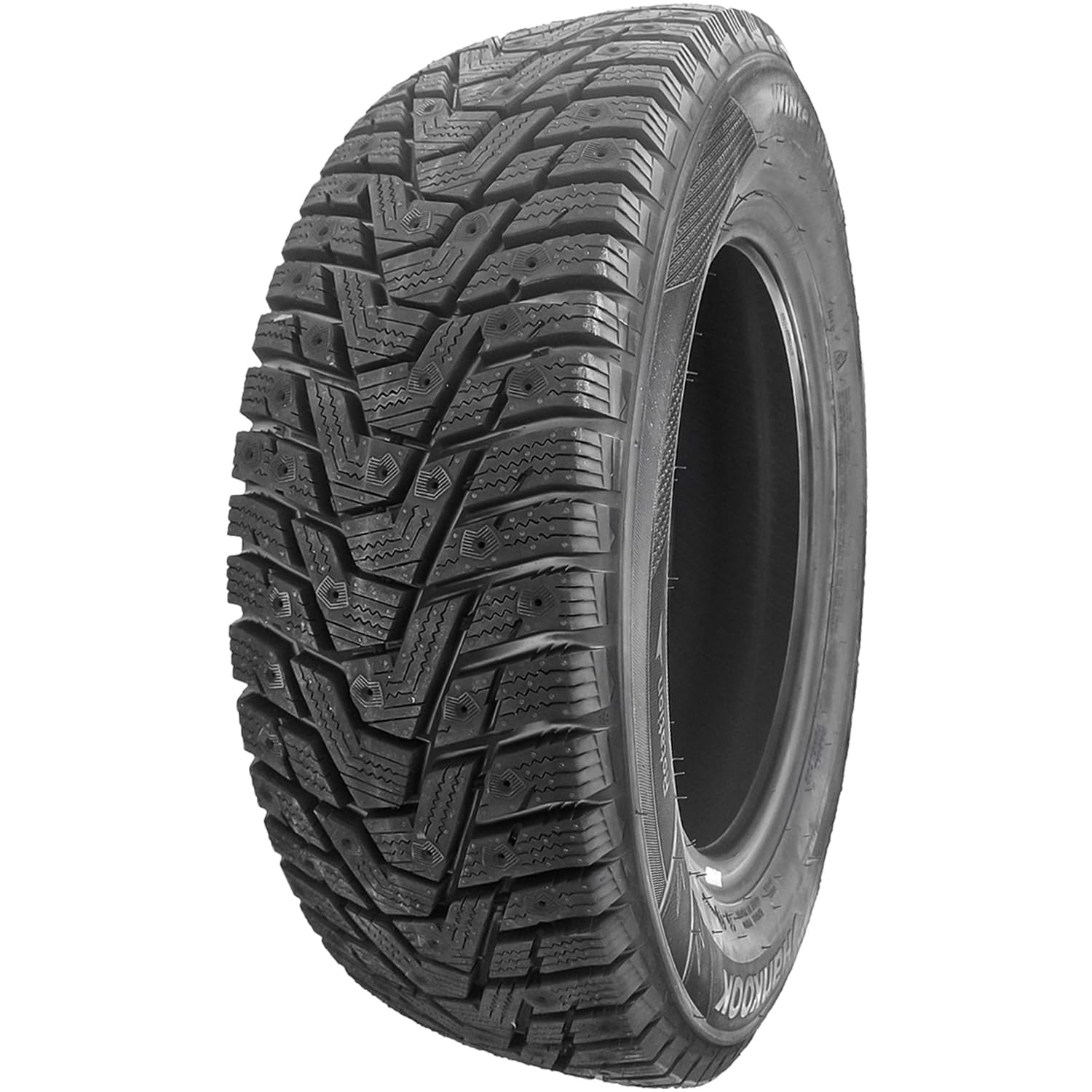
A second-set buyer favorite from Minnesota all the way to Alaska.
Hankook’s Winter ipike X W429 is a premium studdable winter tire that earns repeat buyers. Owners in Alaska and Minnesota call it their second set, which speaks volumes about durability. The tire weighs 25 pounds and has a load capacity of 1709 pounds, and the directional tread pattern with wide center blocks is designed to claw through deep snow.
Buyers highlight smooth ride and quiet operation — rare for a studdable tire. The weather performance and traction get consistent praise. One owner did report tread wear after 10,000 miles, a reminder that softer winter compounds sacrifice longevity for grip, but the broader consensus calls it a solid tire that handles great in cold and wet Michigan weather.
Quiet performer: “handles great in cold and wet weather” and runs smoother than many studdable rivals, per owners who drive Alaska and Michigan winters.
Grab it for: a comfortable, quiet studdable tire that handles snow and ice well enough for long northern winters.
skip it if: you are budget-conscious or wear is your top durability concern.
5. GOODYEAR WinterCommand

Goodyear’s 13-millimeter directional tread for the northern Michigan driver.
The WinterCommand is Goodyear’s studdable winter tire with a deep 13-millimeter tread depth that bites into fresh snow. Owners running it on a Subaru Legacy in northern Michigan found the grip impressive — one reviewer noted it works great on ice, which is the hardest test for any winter tire. The 26.5-pound weight and 1609-pound load capacity give it a solid feel on the road, and the extra load (XL) construction adds margin for heavier cars.
At this price point you are paying for the Goodyear name and the deep tread block design. The honest limitation: a small number of owners have reported a factory defect causing sidewall failure. The broader experience, however, is positive — buyers call it good value with awesome ride quality and traction on ice.
What stands out
- Deep 13 mm directional tread for snow bite
- XL load range at 1609 lbs suits heavier sedans and crossovers
- Owners mention great traction on ice in northern Michigan
Worth noting
- Occasional factory defect reports mean inspect on arrival
- Premium pricing for a Goodyear-branded tire
Perfect for: drivers who want a deep-tread Goodyear winter tire for a heavier sedan or crossover and prioritize snow and ice traction.
Not the safest bet: if you cannot tolerate the risk of an early defect — inspect the tire immediately upon delivery.
6. NEXEN Winguard Winspike 3
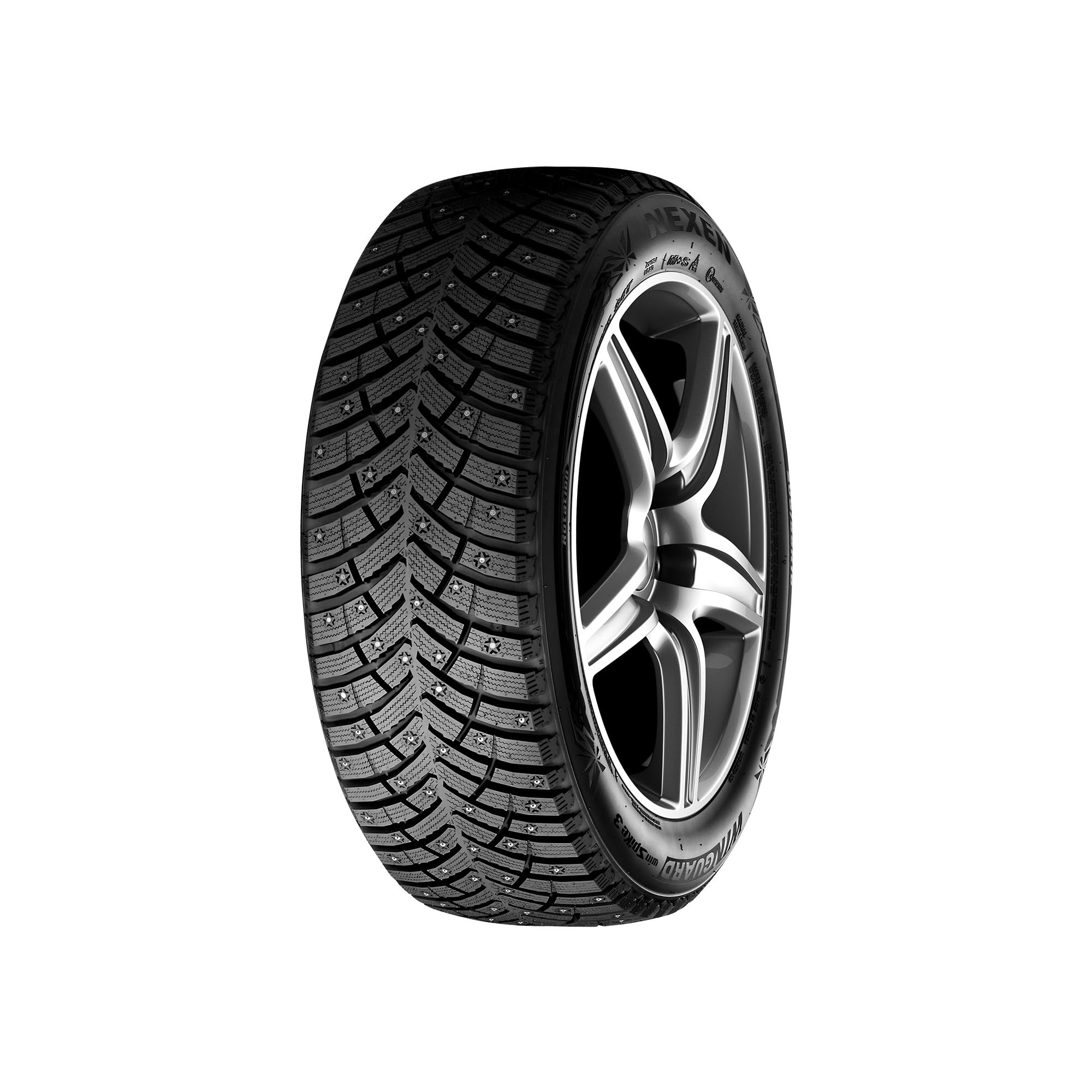
The 18.6-pound featherweight that one owner ran 68,000 miles year-round.
The Nexen Winguard Winspike 3 is the lightest tire here at 18.6 pounds, and it punches way above its weight class. It is 3PMSF-certified, studdable, and comes with Nexen’s Total Coverage Warranty including 36 months of roadside assistance. One owner’s brother got 68,000 miles from a first set and ran them year-round — an extraordinary figure for a winter tire. Drivers report driving 27 miles on solid ice without slipping, and another owner at 9,000 feet in Colorado said it is the best winter tire they have ever used, no studs needed.
Quality and snow performance are the aspects praised most. The directional tread and dense siping are designed to evacuate water and slush. The catch: a small number of customers note a mysterious flat tire issue possibly related to defective beads. Given the volume of positive reviews, this appears uncommon. The tire balances well at 80 mph and runs quiet, making it a legitimate budget alternative to the General Tire Altimax Arctic 12 for lighter cars.
Why owners love it
- Incredible value — one owner’s brother logged 68k miles year-round
- Excellent ice and snow grip without studs, even at 9,000 ft
- Includes 36 months of roadside assistance
The honest trade-offs
- Occasional defective bead claims — inspect immediately
- Not as sturdy as heavier options for a loaded SUV
Reach for it if: you drive a smaller sedan on a budget and want a 3PMSF-rated studdable tire with proven snow grip and an optional 36-month roadside warranty.
Think twice if: you need the highest load capacity for a heavy vehicle or cannot risk an occasional quality issue.
7. Firestone Winterforce 2 (205/70R15)
The same Winterforce formula in a smaller, lighter package for older cars.
This is the 205/70R15 version of the Firestone Winterforce 2, designed for vehicles that run 15-inch wheels. This tire weighs 20.5 pounds and has a 1565-pound load capacity. Owners say it works great in thick snow and offers comfortable driving at half the store price. It is studdable and wears the same “Built to Keep You Working Through the Winter” engineering as the larger size.
The honest limitation: a single delivery complaint about missing tires stands out in the reviews, but that is a shipping issue, not a tire defect. The broader buyer experience is positive — owners call it a good deal that goes great in the snow. For a budget winter tire on an older sedan or small wagon, you get solid snow performance without spending premium dollars.
Solid budget buy: a 3PMSF-rated, studdable winter tire for 15-inch wheels that owners call “great in the snow” and “half the price of in-store options.”
Best for: budget-conscious owners of older cars on 15-inch wheels who need a reliable studdable winter tire without spending premium money.
Not for: anyone who needs a higher load capacity — this is a Standard Load tire for light-to-medium cars.
Understanding the Specs
Load Capacity (Pounds)
This number tells you the maximum weight a single tire can carry at its maximum inflation pressure. A higher number means the tire can support a heavier vehicle. For winter, extra margin matters because snow buildup on your roof and trunk adds hundreds of pounds. The General Tire Altimax Arctic 12 carries 3197 pounds per tire — enough for a heavy crossover — while the Firestone Winterforce 2 at 1521 pounds suits a standard sedan.
Item Weight (Pounds)
How much each tire weighs affects mounting effort, rotational inertia, and fuel economy. Tires weighing 26.5 pounds like the General Tire and Goodyear WinterCommand feel more planted on the road but cost slightly more in fuel and are harder to lift onto a mounting machine. The 18.6-pound Nexen is noticeably easier to handle during seasonal swaps and puts less unsprung mass on the suspension.
Load Index and Load Range
The load index (a two- or three-digit number like 102 or 95) is a code that maps to a specific pound rating. Load Range tells you the tire’s internal construction strength: SL (Standard Load) for normal passenger cars, XL (Extra Load) for heavier vehicles or if you want a safety margin. The HANKOOK Winter ipike X W429 has an XL load range and a load index of 99, which equals 1709 pounds per tire.
Three-Peak Mountain Snowflake (3PMSF)
This symbol on the sidewall means the tire has passed the ASTM snow traction test and is legally rated for severe winter service. It is not a guarantee of ice performance, but it is the minimum standard for any tire you plan to rely on in deep snow. Tires without this mark, including most all-season tires, are not designed for severe winter conditions.
FAQ
Can I use winter tires year-round?
How long do winter tires usually last?
Are studded winter tires legal in my state?
What does the load index number mean?
Do I need four winter tires or just two?
Will winter tires fit my car’s rims?
What is the difference between studdable and studless tires?
How do I store winter tires during summer?
What tread depth is safe for winter tires?
Are more expensive winter tires always better?
Final Thoughts: The Verdict
For most drivers, the winter tires for a car winner is the General Tire Altimax Arctic 12 because it combines a massive 3197-pound load capacity, reliable ice and snow traction without studs, and the widest owner praise of any tire here — a true one-stop winter solution. If you want a budget-friendly studdable tire with proven ice grip and a warranty that includes roadside assistance, grab the NEXEN Winguard Winspike 3. And for pure ice performance in a studless package, the Bridgestone Blizzak WS90 is the specialist that delivers where the grip runs out.
How We Picked
We do not accept paid placement. Every pick is matched to a real buyer and a real use-case; we do not hands-on test units.
Sources & Methodology
Specifications: manufacturer listings and product documentation. Review insights: verified customer reviews, as of July 2026. Pricing: not shown on this page (it changes often); check the current price via the retailer link.
As an Amazon Associate, GoCarLife earns from qualifying purchases. This does not affect which products we feature.