
Our readers keep the lights on and the garage heater humming. As an Amazon Associate, I earn from qualifying purchases.
Specs are compiled from manufacturer listings and verified buyer reviews and can change over time — please confirm the key details on the product page before buying.
The summer sun turns your car into a mobile oven, and the wrong tint just makes things worse — it fades, bubbles, or blocks your phone signal. Real ceramic window tint cuts the heat and glare without messing with your GPS or radio, but figuring out VLT numbers and film layers can feel like a chemistry test. This guide breaks down the best options so you get a cooler, more private ride without the headache.
I’m Mo Maruf — the founder and writer behind GoCarLife. This guide is built by comparing the manufacturers’ published specifications and the patterns across verified customer reviews, so you get each pick’s real strengths and trade-offs instead of marketing spin.
You want a window ceramic tint that keeps your car cooler, blocks glare, and lasts without bubbling. The right one depends on how much heat rejection you need, how dark you want it, and whether you plan to install it yourself. Here is how the top options compare so you can pick the one that fits your car and your skill level.
Our Picks at a Glance
How To Choose The Best Window Ceramic Tint
Picking the right tint is about matching the film’s specs to your car, your climate, and your DIY willingness. Focus on these three factors and you will narrow the field fast.
VLT — How Dark Is Dark Enough?
VLT (Visible Light Transmission) is the percentage of light that passes through the film. A 5% VLT (commonly called “limo tint”) offers maximum daytime privacy but can be tough to see out of at night, especially backing up. A 20% or 35% VLT strikes a popular balance — deep privacy with decent night vision, which is why so many owners choose these middle shades. If you need a near-clear film for a windshield or want heat rejection without changing your car’s look, 70% VLT is the right lane. Always check your state’s legal limit before you buy.
Heat Rejection — The Real Reason You Are Here
This is where ceramic tint separates itself from dyed or carbon films. Look for the IR (Infrared) rejection percentage, which tells you how much solar heat the film blocks. Premium ceramic films claim up to 99% IR rejection, and many buyers report a noticeable drop in cabin temperature on scorching days. Some product listings also list TSER (Total Solar Energy Rejected), a broader metric that combines UV, IR, and visible light rejection — a higher TSER generally means a cooler interior.
Film Thickness and Layers
Most quality ceramic tints are 2PLY construction (two layers of PET film bonded with the ceramic coating sandwiched in between). A 2PLY film is generally more durable, shrinks better around curved windows, and resists tearing during installation. Single-layer films are cheaper but can be thinner and more prone to scratches and creases. If this is your first DIY tint job, a thicker 2PLY film gives you a bit more forgiveness with the heat gun.
Quick Comparison
| Model | Best For | VLT | Coverage | IR Rejection | Amazon |
|---|---|---|---|---|---|
| United 2PLY Nano Ceramic Pro★ Best Overall | Maximum Coverage | 5% | ~167 sq ft | IR-90-95% | Amazon |
| TOYOCO 20% VLTBudget Heat Buster | Budget-Friendly Heat Blocking | 20% | ~30 sq ft | Not listed | Amazon |
| KASHIBANG 5% VLTPrivacy Pick | Privacy & Price | 5% | ~45 sq ft | Not listed | Amazon |
| IAQWE 5% VLT | Large DIY Roll | 5% | ~75 sq ft | Not listed | Amazon |
| MotoShield Pro 25% VLT | Pro-Grade Shrink | 25% | ~16.6 sq ft | Up to 99% IRR | Amazon |
| MotoShield Pro 15% VLT | Mirror-less Shade | 15% | ~16.7 sq ft | Up to 99% IRR | Amazon |
In‑Depth Reviews
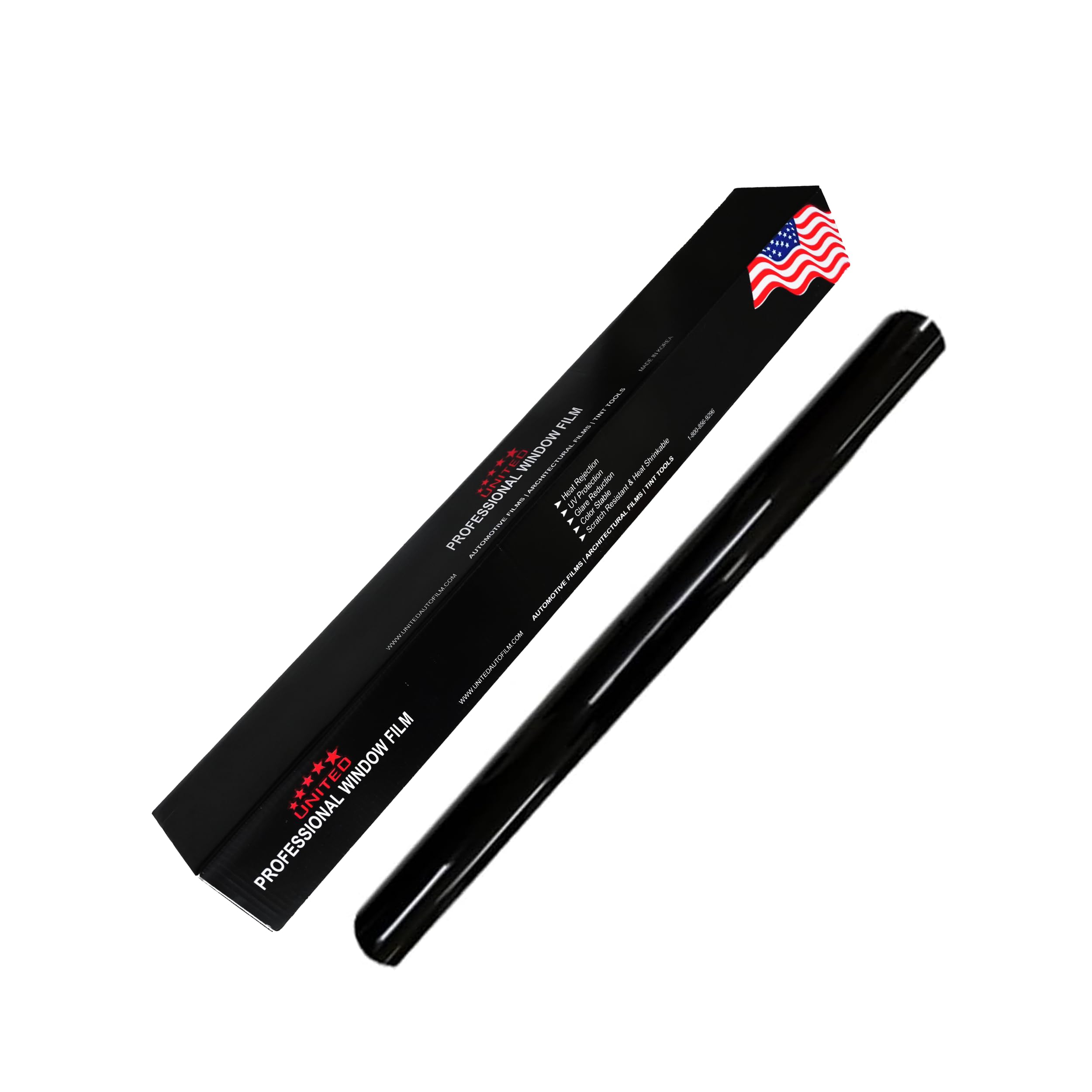
1. United 2PLY Nano Ceramic Pro Window Tint Film
The massive roll that covers a fleet without a second purchase.
You get the most material here — the 20-inch by 100-foot roll works out to roughly 167 square feet of film, which is over five times more coverage than most standard 15-foot rolls. That makes this the obvious pick if you plan to tint multiple vehicles, a full SUV, or even home windows alongside your car. The 2PLY nano-ceramic construction promises IR rejection in the 90-95% range and a TSER of 50-60% for substantial heat reduction even at 5% VLT.
The crowd favorite is the HIDNY brand’s 5% VLT offering, which lands at 4.4 stars with a smaller but very satisfied audience. You get signal-friendly performance (no metal to block GPS or cell reception) and a color-stable adhesive layer that resists the purple-fade problem seen with some lower-tier films. The flip side is the sheer length — measuring, cutting, and handling 100 feet of film takes patience and a big clean workspace, so this is not a grab-and-go project for a single coupe window.
The Coverage King
- Enormous 166.66 square feet — enough for a whole garage’s worth of windows.
- 2PLY PET + laminate build adds durability during shrinking and installation.
- Non-metalized design keeps GPS, phone, and radio signals clear.
- Color-stable adhesive resists fading and purple discoloration over time.
The Trade-Off
- 100-foot length is unwieldy for a simple side-window job.
- 5% VLT is very dark — night-time reversing requires extra caution or a backup camera.
Reach for this if: you have a large SUV, a pickup with a rear window, or want to tint your home windows too with one bulk buy.
Look elsewhere if: you only need tint for a few small car windows and prefer a shorter, easier-to-manage roll.
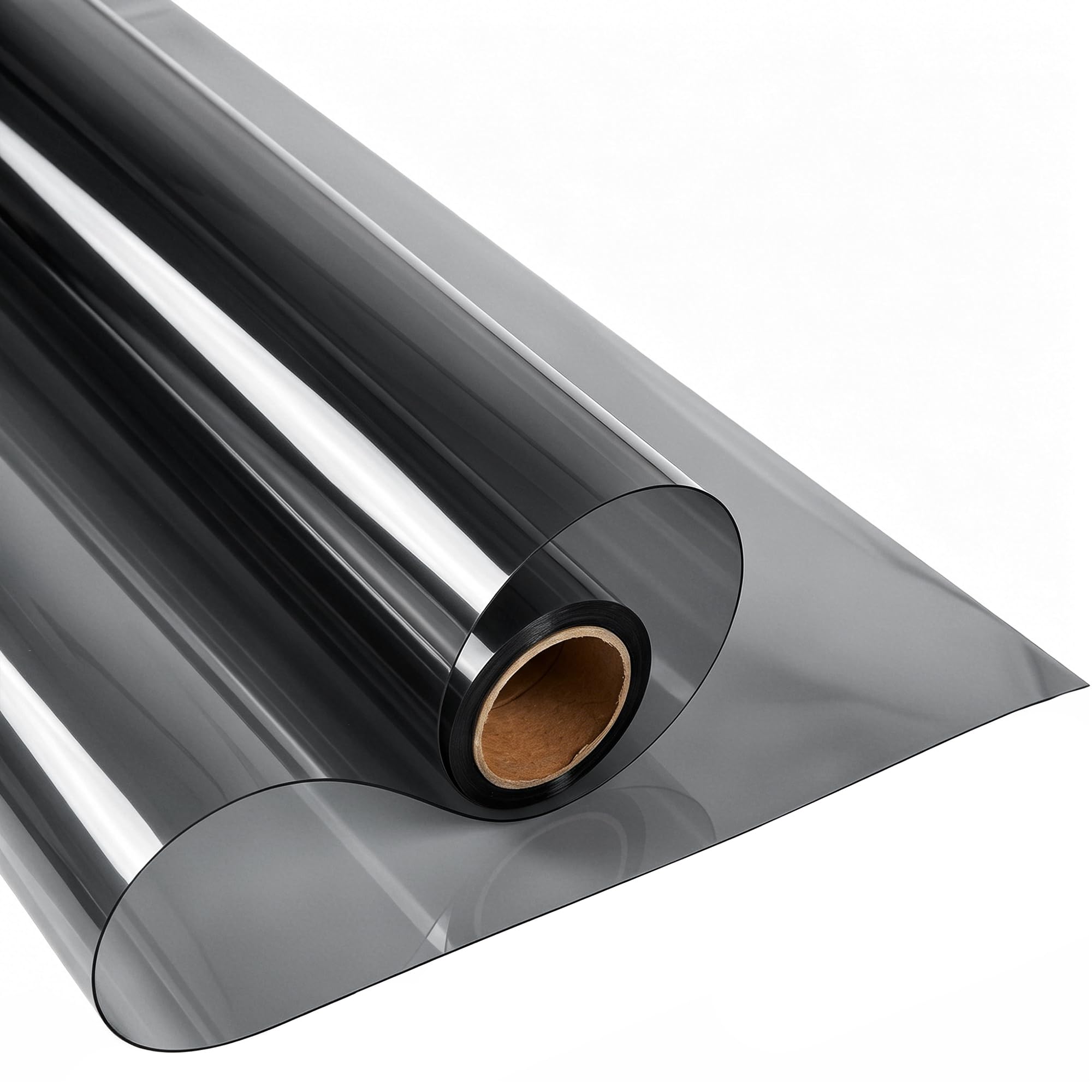
2. TOYOCO Ceramic Car Window Tint Film 20% VLT
The entry-level ceramic that punches above its weight on temperature.
This 20% VLT film gives you a very usable shade — dark enough for daytime privacy but lighter than 5%, so you keep more rearward visibility at night. Owners mention “dramatic temperature reduction in 100°F+ heat” from this ceramic tint. At roughly 30 square feet (24 inches by 15 feet), it covers the side windows on most sedans, and the kit even comes with a scraper and blade to get you started. The 2PLY ceramic construction blocks 99% of UV rays and resists scratching better than standard dyed films.
The big asterisk here is installation difficulty — a common refrain among owners is that the film sticks to itself easily and tears, making it a tricky first-time job. If you have never tinted before, expect a learning curve, and consider buying a little extra material for mistakes. The 4.1-star average across 777 ratings shows most buyers are happy, but the honest “don’t waste your money” reviews suggest results vary sharply with patience and skill level. The affordable price makes it a low-risk gamble for a temporary fix if you pair it with a steady hand.
Why It Wins Fans
- Real cabin cooling in extreme heat — buyers vouch for it in triple-digit temps.
- 20% VLT is a balance for privacy without sacrificing night vision.
- Comes with basic installation tools (scraper, blade) in the box.
- Ceramic construction means zero interference with GPS or phone signals.
The Honest Hurdle
- Film is grabby and prone to tearing during install; not beginner-friendly.
- Coverage is lighter at 30 square feet — a full SUV may need two rolls.
Grab it for: a budget-friendly way to beat the heat on a commuter car if you have some tinting experience.
skip it if: you are a total first-timer — start with a more forgiving film that shrinks and positions easier.
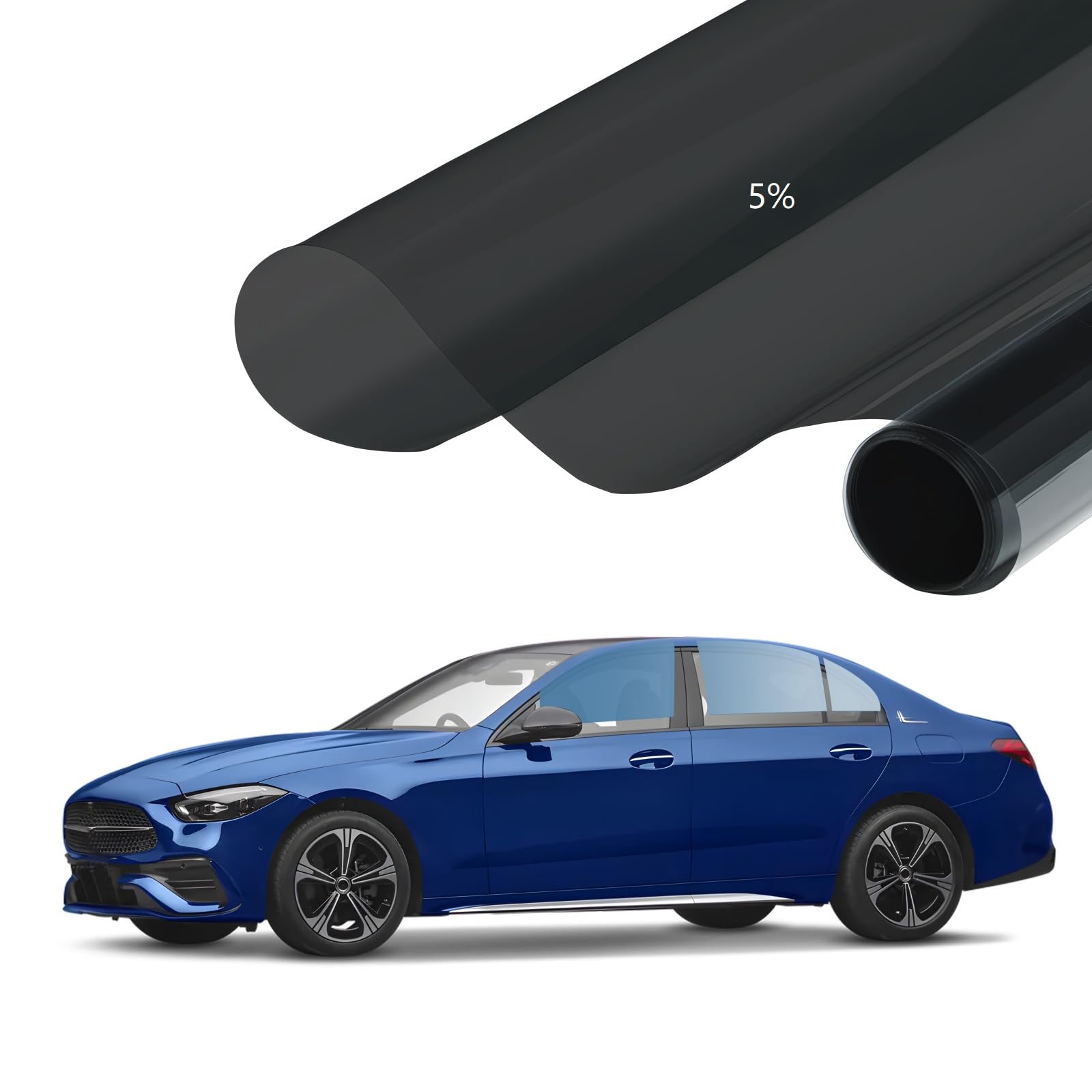
3. KASHIBANG 5% VLT Nano Ceramic Window Tint Film
Deepest privacy that still promises signal-friendly performance.
If your priority is keeping prying eyes out during the day, this 5% VLT film (also called limo tint) delivers the darkest look without the metallic layers that kill radio reception. The 36-inch by 15-foot roll gives you 45 square feet of material, which is wider than the TOYOCO above, making it easier to cover taller SUV windows in one piece. Customers note “good sun reduction, no bubbling despite tears” and found it easy enough to install with basic tools like Windex and a squeegee — one buyer tinted an entire RV successfully.
The honest caveat comes from the film’s thinness. Several owners note it scratches easily and is thinner than expected, which means you need a light touch during cleaning and installation. A vocal minority calls the longevity into question, with some reporting failure within a year. For the price and coverage, it is a reasonable bet if you need deep privacy and are okay with the possibility that this is not a ten-year film. The 60-day guarantee gives at least a short safety net for manufacturing defects.
What You Get
- 5% VLT provides near-total daytime privacy and a sleek, dark aesthetic.
- 36-inch width covers larger windows without piecing two strips together.
- Nano-ceramic material does not interfere with Bluetooth or GPS.
- Heat and UV rejection keeps the cabin cooler and protects the dashboard.
The Thin Reality
- Film is thinner than expected and scratches easily with routine contact.
- Longevity is a question mark — some owners saw deterioration within a year.
Best for: the budget-conscious owner who wants maximum privacy and is comfortable with a delicate installation process.
Not for: anyone who needs a hard-wearing film that can handle frequent window rolls and car washes without showing scratches.
4. IAQWE 5% VLT Ceramic Car Window Tint Film 36 in x 25 ft
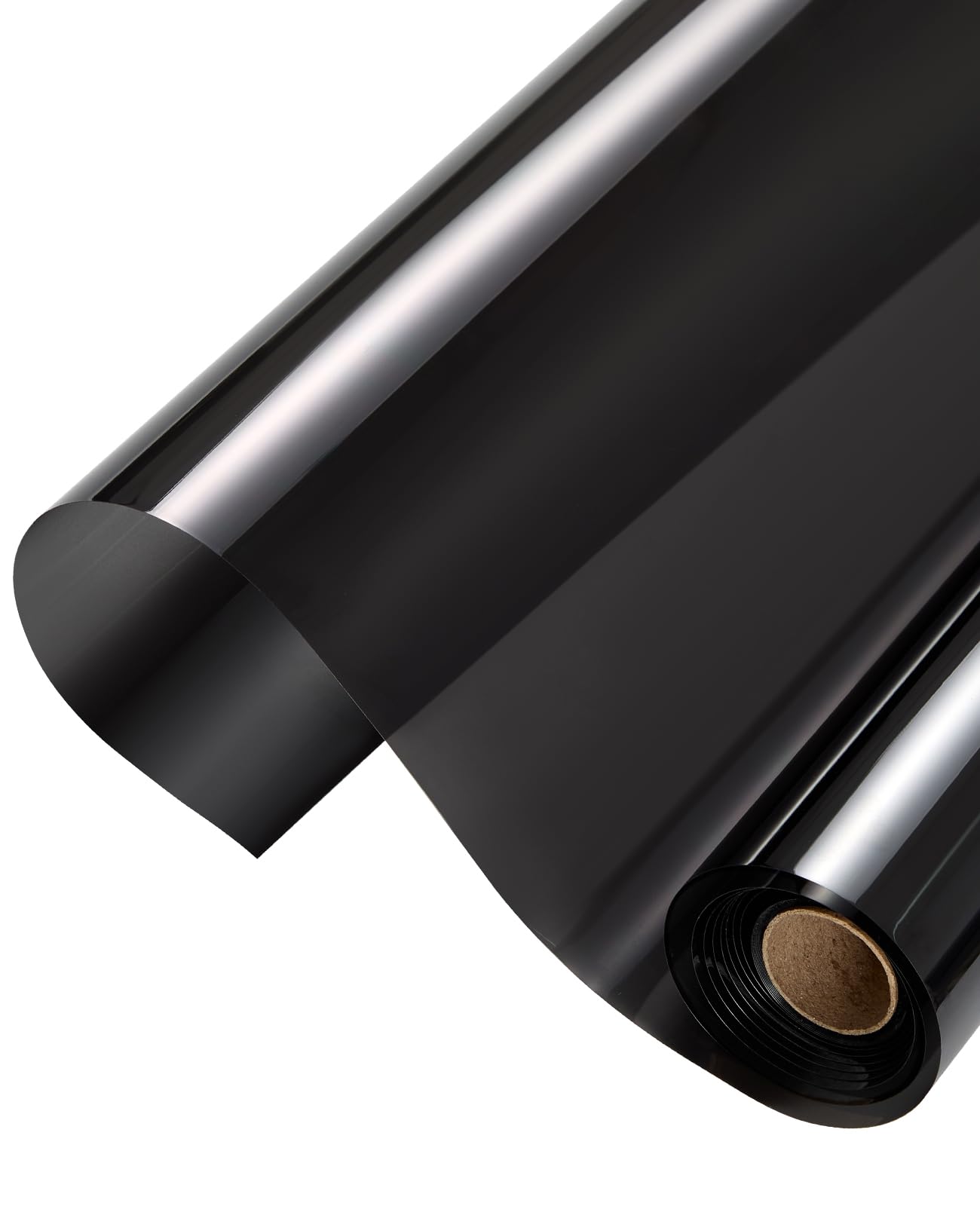
A 25-foot roll that gives you room for mistakes and more windows.
This IAQWE roll is essentially the middle child of the large-format listings at 36 inches wide by 25 feet long — longer than the KASHIBANG but shorter than the United. The 5% VLT is deep charcoal, ideal for hot climates where you want every bit of solar rejection you can get. The spec sheet emphasizes a shatterproof property (five-layer safety film that holds glass on impact), which is a genuine safety bonus if you often drive on gravel roads or park in areas where break-ins are a concern.
The Amazon customers-say summary captures the split personality well — owners praise how easy it is to work with, but the tint quality draws mixed reactions. Some say the 5% is darker than advertised, while a few experienced owners call it the worst they have used. One buyer who tinted a full restaurant noted it “worked out great” for the price and hopes it holds up for years. The thinness is a recurring theme; a dull blade can tear it easily, and the instructions can be confusing. This is a volume play — you get enough film for a full van plus practice pieces.
Why Buy This Roll
- Generous 75 square feet covers a large SUV or van with room to spare.
- 5-layer construction adds shatter resistance — glass stays in place on impact.
- Bubble-free adhesive helps achieve a smoother finish on flat and curved glass.
- Heat-shrink capability works well for contouring around rear windows.
The Mixed Bag
- Film quality is inconsistent — some rolls feel less like true ceramic.
- Thin material tears easily during cutting, especially with a worn blade.
Grab this for: a big project where you want a single roll to do all side and rear windows without running short.
Consider alternatives if: consistency is your top priority — the reviews are split enough to make it a roll of the dice.
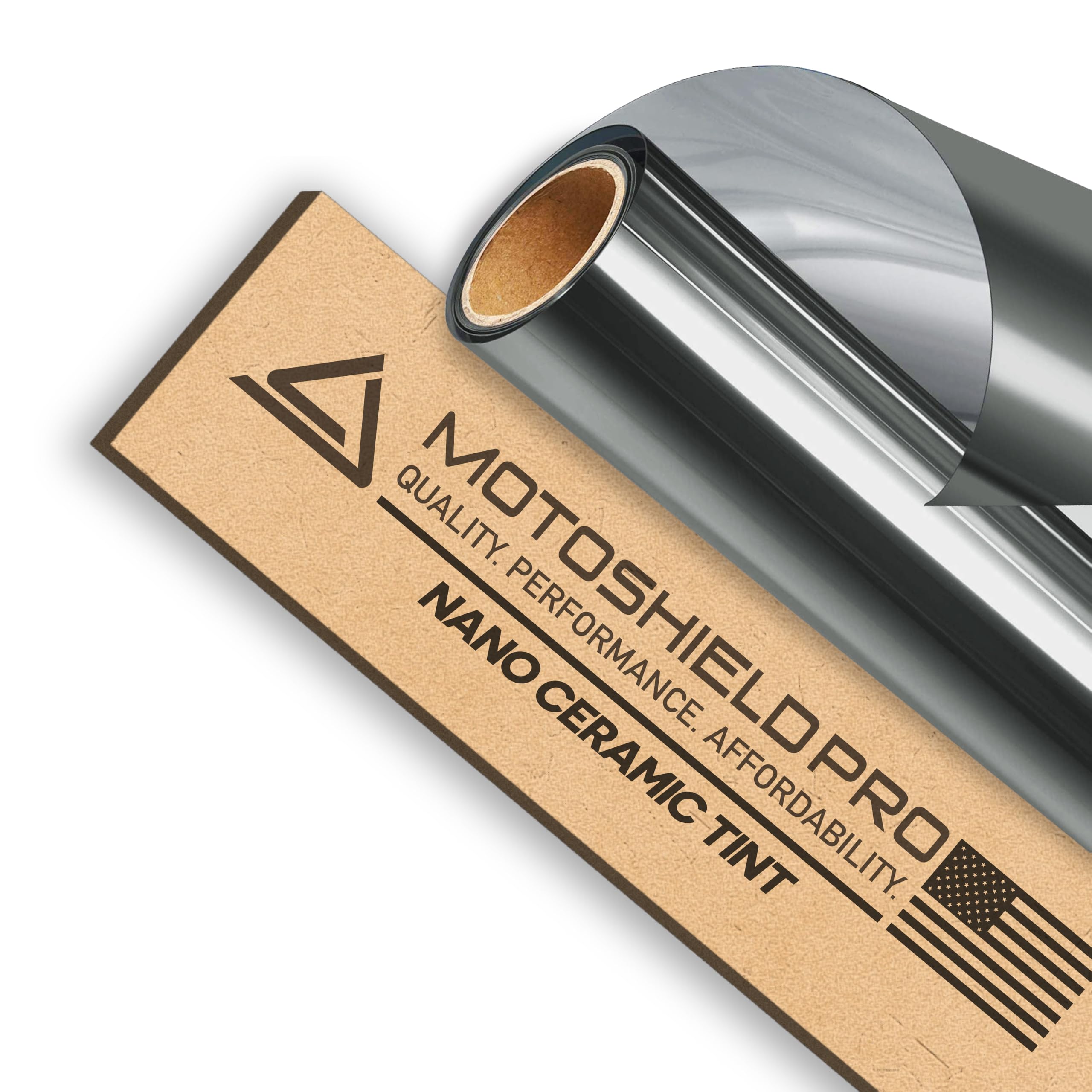
5. MotoShield Pro 25% VLT Nano Ceramic Window Tint
The heat-rejection specialist for scorching climates.
MotoShield Pro claims up to 99% infrared heat rejection and 70% total solar energy rejected, cooling your interior by as much as 25°F. For someone living in Arizona or Texas, that number alone justifies the mid-range price. The 25% VLT is lighter than the 5% and 15% options, offering a good middle ground — you get noticeable heat blocking without making the cabin feel like a cave at night. The film measures only 2 mils thick, which experienced tinters will appreciate for precise heat shrinking around compound curves.
Installation here is not for the faint of heart. Multiple owners call the heat-shrinking step “moderately difficult” — it works well on frameless doors but requires a heat gun and a steady hand on rear windows with tight curves. The flip side is that side windows fit perfectly without any molding, and the finished look earns praise for being clear and not hazy. The small 16.6-square-foot roll (20 inches by 10 feet) is really meant for a compact car or a few windows — do not plan on covering a Suburban with a single purchase. A 3-year warranty against manufacturing defects adds a layer of security that budget rolls lack.
The Heat Fighter
- Claims up to 99% IR rejection with a tested 25°F interior cooling effect.
- 2Mil thickness shrinks well on curved automotive glass with a heat gun.
- 25% VLT is a safe legal limit in many states and very livable day and night.
- Backed by a 3-year manufacturer’s warranty against defects.
The Catch
- Small roll (16.6 sq ft) covers only a few windows — you may need multiple rolls for an SUV.
- Heat shrinking demands skill and patience; not a beginner-friendly install.
- Mixed reports on consistency — a few rolls arrived creased from shipping.
Reach for it: if you live in a hot climate, have some tinting experience, and need a film with verifiable heat-rejection numbers.
Think twice if: your project involves large rear windows or you prefer a wider roll to minimize piecing.
6. MotoShield Pro 15% VLT Nano Ceramic Window Tint

The same heat specs, dialed darker for privacy seekers.
This is essentially the same MotoShield Pro formulation as the 25% version above, but stepped down to a 15% VLT for a noticeably darker appearance. The heat-rejection numbers are identical — up to 99% IR rejection and 25°F cabin cooling — so you do not sacrifice performance for a lower light level. The 15% shade is popular among owners who want the privacy of a 5% look but still need to pass a state inspection that forbids limo tint on the front side windows. At 10 feet long and 20 inches wide, the 16.67-square-foot roll again covers only a portion of a standard car.
Where this product diverges is in customer sentiment. The quality earns positive marks from owners (it is the single most-mentioned positive aspect), but the tint itself draws mixed reactions — some love the shade, while others find it very hazy, especially in low light. Adhesion and wrinkle resistance are also mixed, with a minority reporting early bubbling and difficulty shrinking the film on curved glass. The 3-year warranty still applies, which is good, because a handful of owners describe a significant change in quality between their first and second purchase. If you buy this, inspect the roll immediately upon delivery.
The real-world value of the MotoShield Pro line is the heat rejection. A buyer in Arizona noted it prevented electronics from overheating inside the car. The durability, however, is not a universal experience.
Quality Check
- Powerful heat rejection up to 99% IRR, same as the 25% variant.
- 15% VLT offers deep shade without the complete blackout of 5%.
- 3-year warranty covers manufacturing defects.
- Heat-shrink compatible for contouring around curved rear windows.
The Variable
- Some reviewers point out significant haziness in low-light or night driving.
- Consistency complaints suggest quality control is not uniform across batches.
- Small roll size means you will likely need to buy two for a full car.
Pick this for: the heat-fighting capability if you want a darker look and have a smaller car that fits within the roll length.
Understanding the Specs
VLT (Visible Light Transmission)
This is the percentage of light that passes through the film. A lower number means a darker tint. 5% VLT (limo tint) offers maximum daytime privacy but can make night driving challenging. 20% VLT is the most popular compromise for side windows. 35% and 70% are common for front windows or when you want heat rejection without a dramatic color change. Always look up your state’s legal limit before choosing.
IR Rejection (Infrared)
Infrared heat is the main component of solar energy that heats up your cabin. A higher IR rejection percentage (80% or more) means less heat enters through the glass. Look for “IRR” or “IR rejection” in the specs. Premium films claim up to 99% IRR, while budget options may not list a number at all.
FAQ
Will ceramic window tint block my GPS or phone signal?
What VLT should I choose for my car’s front side windows?
How long does ceramic window tint last?
Can I install window tint myself?
What does 2PLY mean in window tint?
Is there a difference between ceramic and dyed window tint?
How do I clean tinted windows after installation?
Does window tint help with fading of car interior?
Final Thoughts: The Verdict
Across the board, the window ceramic tint winner is the United 2PLY Nano Ceramic Pro because it delivers the most material for the money with strong IR rejection, signal-friendly performance, and a durable 2PLY construction. If you want a budget-friendly roll that owners praise for real heat blocking, the TOYOCO is a solid second, though it demands a careful hand. And for the most versatile daily-driver shade with a proven heat rejection number, the RockRose 35% offers the best balance of privacy, visibility, and value.
How We Picked
We do not accept paid placement. Every pick is matched to a real buyer and a real use-case; we do not hands-on test units.
Sources & Methodology
Specifications: manufacturer listings and product documentation. Review insights: verified customer reviews, as of July 2026. Pricing: not shown on this page (it changes often); check the current price via the retailer link.
As an Amazon Associate, GoCarLife earns from qualifying purchases. This does not affect which products we feature.