
Our readers keep the lights on and the garage heater humming. As an Amazon Associate, I earn from qualifying purchases.
Specs are compiled from manufacturer listings and verified buyer reviews and can change over time — please confirm the key details on the product page before buying.
You are looking for real protection against the sun’s rays, not just a darker window that fades and peels. The right UV film for car windows blocks up to 99% of UV rays, prevents dashboard fading, and rejects solar heat to keep the cabin cooler. This guide compares six rolls across VLT, UV block, and roll size to help you buy with confidence.
I’m Mo Maruf — the founder and writer behind GoCarLife. This guide is built by comparing the manufacturers’ published specifications and the patterns across verified customer reviews, so you get each pick’s real strengths and trade-offs instead of marketing spin.
From budget rolls for a quick DIY job to a 100-foot pro-grade run, here are the honest picks for the best uv film for car windows that actually block heat and hold up over time.
Our Picks at a Glance
How To Choose The Best UV Film for Car Windows
A lasting tint depends on three factors: the VLT darkness, the film material, and your installation skill. Choose the right VLT, material, and install skill, and your tint lasts years; pick wrong, and you’ll be peeling it off within a season.
Know Your VLT (Visible Light Transmission)
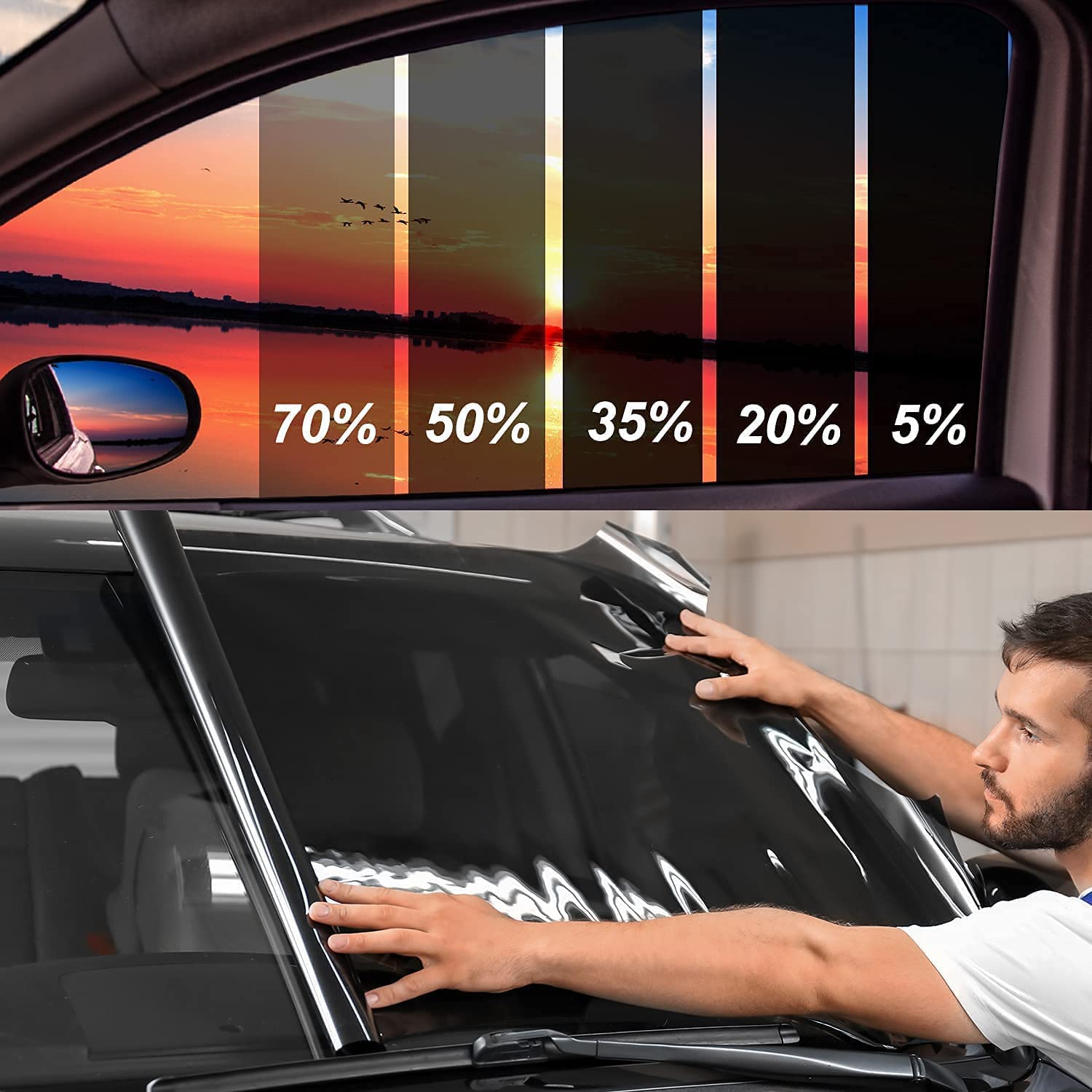
VLT measures the percentage of visible light that passes through the film. A 5% film is limo-dark and gives maximum privacy and heat blocking, but it can hurt your night vision. A 35% film is far more legal-friendly in most states and balanced for night driving. A 50% is barely there, mostly for heat rejection and glare.
Ceramic vs. Carbon vs. Dyed Film
Ceramic film uses nano particles to reject heat without blocking phone or GPS signals, making it the premium choice. Carbon film is durable with a matte finish that resists fading, but it can interfere with signals. Basic dyed film is the cheapest, but it fades to purple over time and offers the least heat rejection.
The DIY Reality Check
Professional installers use heat guns to shrink film around curved rear windows. If you are doing it yourself, a film that shrinks easily and has a forgiving adhesive is worth more than one with a slightly higher UV number. Watch for reviews that say “bubbles” or “creases” — that is usually a sign of a tough install, not always a bad product.
Quick Comparison
| Model | Best For | Shade (VLT) | UV Block | Roll Size | Amazon |
|---|---|---|---|---|---|
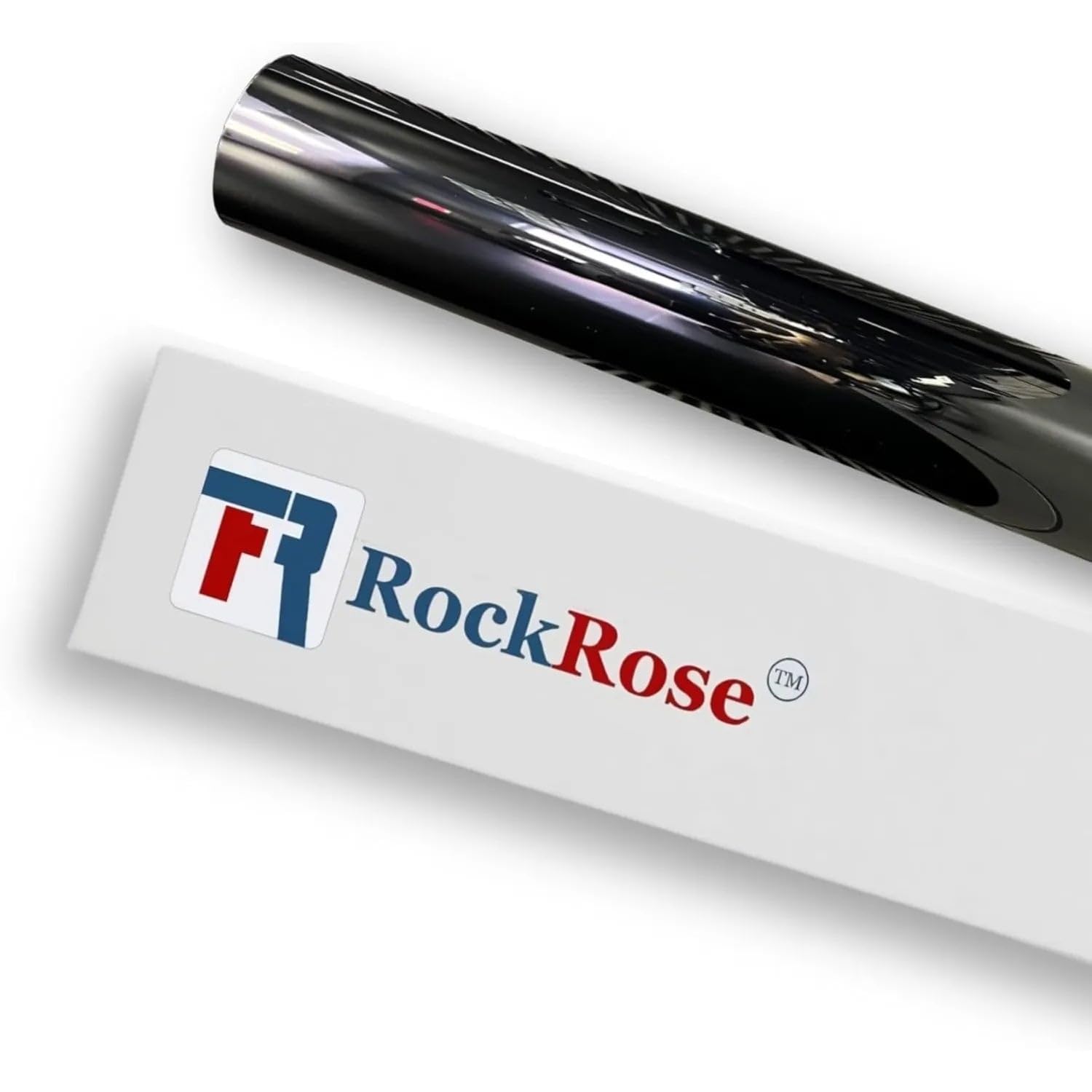
| RockRose 5%★ Best Overall | Full-car pro jobs | 5% Limo | Up to 99% | 60″ x 100FT | Amazon |
| TOYOCO Ceramic 35%Premium Pick | Privacy plus signals | 35% | 99% | 20″ x 10FT | Amazon |
| United 20% Carbon | Homes & whole cars | 20% | Up to 99% | 24″ x 100′ | Amazon |
| ARANA 15% Ceramic | Balanced heat + privacy | 15% | 99% | 20″ x 10FT | Amazon |
| IAQWE 35% Ceramic | Long rolls, big cars | 35% | Yes | 20″ x 20FT | Amazon |
| TOYOCO 5% Ceramic | Budget rear-window privacy | 5% | >99% | 20″ x 10FT | Amazon |
In‑Depth Reviews
1. RockRose 5% Car Window Tint 60 in x 100FT
Our pick — over 4★ from 350+ verified ratings; the strongest balance of quality and price.
The 100-foot roll that turns a whole car into a single, money-saving DIY project.
This roll suits the serious DIYer who wants to cover every window in one go. At 60 inches wide and 100 feet long, it covers a full car with room to spare. The carbon material blocks up to 99% of harmful UV rays (the ones that fade your seats and dash), rejects up to 35% of infrared heat (the kind you feel on your arm), and cuts 45% TSER (Total Solar Energy Rejection, the overall heat blocked) to keep the cabin cooler.
The 5% shade is limo-dark, so it gives you serious daytime privacy. Because it is a 1PLY film and heat-shrink friendly, it is designed for professional-grade shrinking around curved windows, and it is plotter-friendly for precut kits. Owners consistently praise the film quality and how easy it is to work with — the adhesive is not too sticky or tacky, just the right amount for a smooth application.
What wins people over is the film quality itself; the shade comes out looking clean and natural without that blue tint cheaper films get. There is a mix of feedback on creasing, and the roll end can arrive crushed, so inspect it on delivery. For the coverage you get per dollar, this is the smartest buy on the list, especially compared to the smaller 20-inch rolls below.
Why owners love it
- Huge 100-ft roll covers an entire vehicle plus home windows
- 99% UV block with a sleek, non-blue finish
- Heat-shrink capable for curved rear glass
What to watch
- Roll end sometimes arrives crushed
- Creasing needs a careful hand during install
The verdict: The best pick if you are tinting a whole car or truck and want pro-grade coverage without paying a shop.
Think twice if: You only need one rear window — this much film is overkill for a single panel.
2. TOYOCO Ceramic Car Window Tint, 35% VLT
The ceramic 35% that keeps your GPS strong while it blocks the burn.
If you cannot afford to lose your phone signal or your GPS, this is the film to beat. It is made from a 2PLY premium ceramic film, which creates a barrier that blocks 99% of UV rays without the metal that interferes with wireless devices. Your phone, GPS, and radio keep working clearly after installation.
The 35% VLT strikes a real balance — enough shade for daytime privacy and glare reduction, light enough that night driving stays safe. Unlike the 5% options on this list, this shade is far more likely to meet legal limits in most states. The broad 20-inch by 10-foot sheet gives you flexibility during installation and fits a range of vehicle sizes.
Here is the honest trade-off: adhesion gets mixed feedback, with bubbles frequently forming if the surface is not perfect. Owners note it takes practice, and some say the tint is not as dark as described. This is not a film for a first-timer with zero patience — it rewards a careful, experienced hand. The 2PLY build is noticeably more substantial than the budget single-layer rolls.
The strong points
- 2PLY ceramic build holds up to daily wear
- 99% UV block with zero signal interference
- 35% shade keeps night visibility intact
The catch
- Bubbles can form if installation is rushed
- Curved rear windows are a struggle without a heat gun
Reach for this if: You want the premium ceramic benefits — heat rejection and clear signals — without committing to a limo-dark shade.
Look elsewhere if: You are a complete beginner; this film demands some installation experience to come out bubble-free.
3. United 20% VLT Carbon Window Tint Film
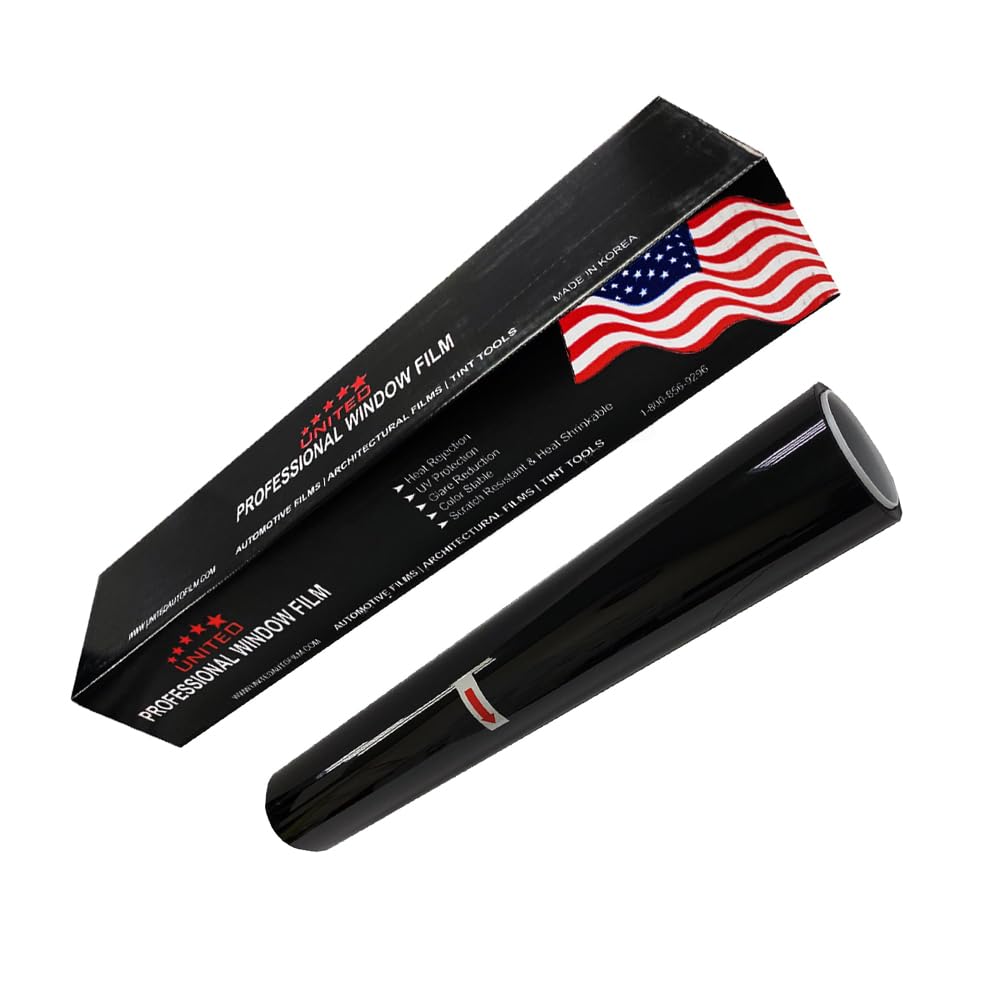
A hundred feet of carbon film that one owner stretched across 40 home windows without a hitch.
This 24-inch by 100-foot roll pulls double duty for cars and houses. It blocks up to 99% of harmful UV rays and reduces infrared heat and solar energy buildup, protecting both your car’s interior and your home’s furniture from sun fading.
The 20% VLT is a middle-ground shade — darker than the 35% options here for better daytime privacy, but not as extreme as a 5% limo black. Being a 2PLY carbon film, it combines clear polyester with carbon particles for excellent optical clarity and low reflectivity. Buyers report it lays down clean, and a house project covering over 40 windows went smoothly with no discoloration.
The thing everyone raves about is the quality and the value per square foot. The wet or dry heat-shrink installation works on curved and flat glass. Adhesion gets a mixed note, so prep your glass well. The recurring gripe is that some rolls run lighter than a true 20%, so set your expectations before you start.
What stands out
- 24-inch by 100-foot roll covers cars plus home windows
- Clean optical clarity with no discoloration
- Wet or dry installation flexibility
Before you buy
- Shade may run lighter than a true 20%
- Adhesion depends heavily on clean glass prep
Who it beats: The best budget-per-foot ratio on this list — ideal if you are covering multiple vehicles or a house too.
The one caveat: If you need an exact, guaranteed 20% darkness for legal limits, this might run lighter than you expect.
4. ARANA 15% VLT Ceramic Car Window Tint Film
The nano-ceramic 15% that cuts heat without sacrificing your phone’s signal strength.
This film blocks 99% of UVA and UVB radiation while reducing solar heat buildup, so your interior stays cooler and your skin gets real protection. The 15% VLT gives you reliable privacy from the outside while keeping a clear view from inside — a nice middle step between the light 35% films and the limo-dark 5% options.
What makes it interesting is the after-sales support: the maker offers 18 months of support on this specific roll, which is more than most budget films offer. The stable adhesive is designed to stick without bubbling, peeling, or yellowing through daily driving and car washes, and the hard coating resists scratches and wiper wear.
Owners mention it cuts heat noticeably, and some have even used it on home patio doors since the material handles both jobs fine. The honest note: the shade runs lighter than advertised — several owners say it looks closer to 20% than 15% — and the film is not very thick, so it creases easily if you fold it. Spray generously and work slowly.
The highlights
- 18-month manufacturer support included
- Scratch-resistant hard coating
- Stable adhesive resists bubbling and peeling
Fair warning
- Runs visibly lighter than the stated 15%
- Thin material creases if handled carelessly
Pick this if: You want ceramic heat rejection with a shade that keeps night driving easy and a brand that backs its product for 18 months.
skip it if: You need a guaranteed dark, exact 15% match for looks or legal limits.
5. IAQWE 35% VLT Ceramic Car Window Tint Film
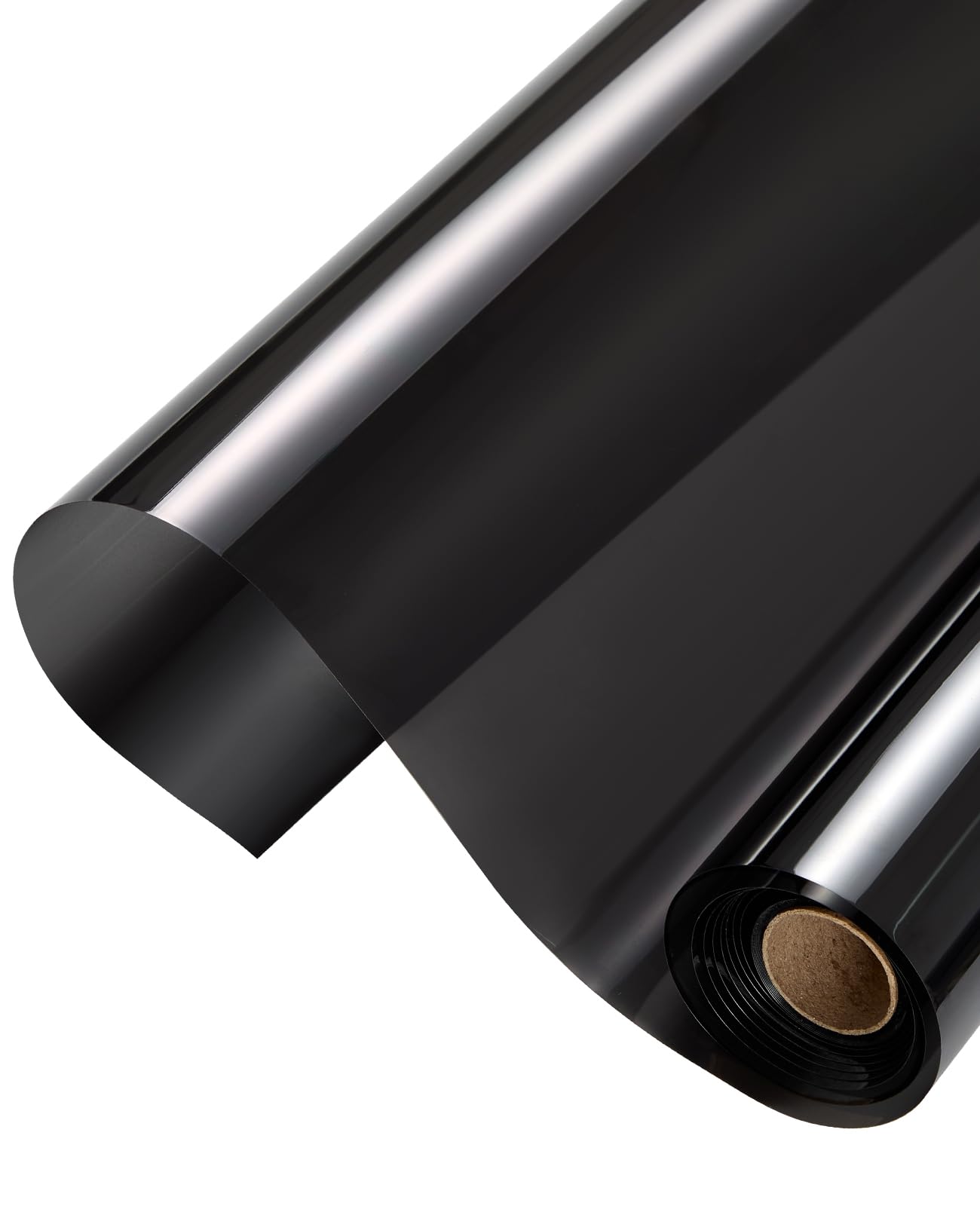
A 20-foot ceramic roll with 5-layer shatter protection for sedans and SUVs.
This is a longer 20-foot roll, which gives you more material than the 10-foot options in the same price class — enough to work through a couple of mistakes or cover larger side windows. The 35% VLT balances privacy and visibility and is designed to meet legal limits in most states for safe night driving.
The standout feature is the 5-layer safety film, which holds glass together on impact — a nice extra layer of protection beyond just blocking the sun. The nano-ceramic build reduces infrared heat to keep the interior cooler and lower the AC load, and the bubble-free adhesive is meant to give smooth results.
Owners find it genuinely easy to install and it keeps the heat out well. The honest complaint: it is not as thick as expected and tears easily while cutting if your blade is dull — sharpen up before you start. There is also one harsh review questioning the ceramic claim, so treat the “pro-grade ceramic” marketing with a little skepticism and judge it on the install experience.
What you get
- 5-layer shatterproof safety construction
- Long 20-ft roll covers more glass
- Bubble-free adhesive for smoother installs
Watch out for
- Thin material needs a sharp blade to cut clean
- Ceramic claim is questioned by some owners
Best for: The DIY owner tinting a sedan or SUV who wants extra length and shatter protection without paying pro prices.
Not for: Anyone expecting a thick, heavy-duty professional-grade film — this one is on the lighter side.
6. TOYOCO 5% VLT Ceramic Window Tint
The budget 5% that blocks 99% UV and gave one Jeep owner zero signal issues.
This is the entry-level way to get a limo-dark look for your rear windows without spending much. The 5% VLT provides strong daytime privacy, and the ceramic construction blocks over 99% of UV rays and over 95% of IR rays, protecting your skin and slowing interior fading. It is ideal for areas with long sunshine hours.
What surprises owners is how forgiving the film is during install. A Jeep Wrangler owner installed it on a soft topper and found it handled air bubbles well — you can lift, reposition, and reapply without damaging the film. Another owner reports it blocks most UV, keeps the car cooler, and causes no signal interference with the phone or navigation.
Here is the catch: this is a budget-tier roll, and the quality is mixed across the board. Some owners found it easy, while others report adhesion problems and creasing, and at least one roll arrived wrinkled and filthy. The value is real, but so is the gamble — for a perfect finish on a curved rear window, you may need the pricier 2PLY options above. It shines brightest as a low-cost DIY experiment or a rear-window privacy fix.
The upsides
- Very affordable entry into 5% privacy tint
- Forgiving adhesive allows repositioning
- No signal interference from ceramic build
The downsides
- Quality control is inconsistent between rolls
- Adhesion and creasing issues reported by some
The takeaway: A smart budget pick for a single rear window or a first-time DIY practice roll — the forgiving adhesive is its secret weapon.
Who should pass: Anyone tinting a heavily curved rear windshield who needs a flawless, show-quality finish on the first try.
Understanding the Specs
VLT: Visible Light Transmission
This is the number that defines how dark your tint is. Lower numbers mean darker glass — a 5% lets almost no light through (limo black), while a 35% is a mild shade that is legal in most states. Your choice here affects your night vision, so match the percentage to how much you drive after dark.
UV Block & Heat Rejection
Nearly every film on this list claims 99% UV blocking, which protects your skin and stops your dashboard from fading. But UV is only part of the story — look for infrared (IR) rejection and TSER for real heat reduction. More IR rejection means a cooler cabin and less AC strain on hot days.
FAQ
What does 5% VLT mean for night driving?
Will ceramic tint block my phone or GPS signal?
How long does car window tint film last?
Is 20% or 35% tint darker?
Can I use car window tint film on my home windows?
What is the difference between 1PLY and 2PLY tint film?
Do I need a heat gun to install window tint?
Will tint film stop my car interior from fading?
Final Thoughts: The Verdict
Across the board, the best uv film for car windows winner is the RockRose 5% 100-foot roll because its sheer coverage and pro-grade carbon build give you the most car for your money. If you want a premium ceramic shade that keeps your GPS and phone signals clean, grab the TOYOCO 35%. And for a budget-friendly rear-window privacy fix that is forgiving to install, the TOYOCO 5% is the one to reach for.
How We Picked
We do not accept paid placement. Every pick is matched to a real buyer and a real use-case; we do not hands-on test units.
Sources & Methodology
Specifications: manufacturer listings and product documentation. Review insights: verified customer reviews, as of August 2026. Pricing: not shown on this page (it changes often); check the current price via the retailer link.
As an Amazon Associate, GoCarLife earns from qualifying purchases. This does not affect which products we feature.