
Our readers keep the lights on and the garage heater humming. As an Amazon Associate, I earn from qualifying purchases.
Specs are compiled from manufacturer listings and verified buyer reviews and can change over time — please confirm the key details on the product page before buying.
Fuel filler necks are the metal tubes that carry fuel from the gas cap into the tank, and when they rot or you are building a custom tank, you need a replacement that fits without a fight. A universal weld-on unit is the standard fix for fabricators, while a direct OEM-style part is what you want for a street car. This guide breaks down the three routes you can take, from welding in a bare steel or aluminum neck to bolting in a model-specific replacement.
I’m Mo Maruf — the founder and writer behind GoCarLife. This guide is built by comparing the manufacturers’ published specifications and the patterns across verified customer reviews, so you get each pick’s real strengths and trade-offs instead of marketing spin.
Choosing the right universal fuel filler neck depends on your tank material and how much fitting you are willing to do. This guide covers the best options for welding and direct replacement, so you can match the part to your project.
Our Picks at a Glance

How To Choose The Best Universal Fuel Filler Neck
Start by identifying what your fuel or oil tank is made of. A steel tank needs a steel filler neck and an aluminum tank needs an aluminum one, because you cannot weld dissimilar metals together with a standard process. Getting this wrong means you are shopping twice.
Match the metal to your tank
Steel necks are the go-to for mild steel tanks, offering a natural finish that takes weld easily. Aluminum necks suit aluminum tanks and need a compatible filler rod, like a 5356 rod that owners mention using successfully.
Think about venting and cap design
Sealed tanks build pressure as fuel sloshes or heats up, which is why a vented cap matters. A twist-on cap that vents to the underside relieves that pressure and keeps the system working reliably. Check whether a rubber gasket is included, since you may need to source one after welding heat does its work.
Quick Comparison
| Model | Best For | Material | Neck Diameter | Install Style | Amazon |
|---|---|---|---|---|---|
| Speedway Steel Neck★ Best Overall | Steel tank builds | Steel | 2.25 in | Weld-On | Amazon |
| Speedway Aluminum Neck | Aluminum tank builds | Aluminum | 2.3 in | Weld-On | Amazon |
| Dorman 577-256 | Mitsubishi Galant repairs | Corrosion-Resistant | OEM Match | Bolt-On | Amazon |
In-Depth Reviews
1. Speedway Steel Fuel Filler Neck
Our pick — 4.5★ from 86 verified ratings; the strongest balance of quality and price.
The straight-ahead steel choice for any custom fuel or oil tank you are welding yourself.
If you are fabricating a steel tank, this neck removes the guesswork. It is built from mild steel with a natural finish and a 2.25-inch outside diameter, which makes it easy to weld directly onto a steel tank. The included twist-on cap spans 2.75 inches, providing a wide opening for easy filling during service or refueling..
The cap is zinc-plated to resist wear and includes a rubber gasket for a secure seal. It also vents to the underside, which relieves pressure buildup inside the tank as it sits in the heat. Buyers report that it “fit as expected, fixed the problem, easily welded in place,” which matches the experience of a fabricator who confirmed the neck is genuinely steel and welds fine.
At 4.5 stars across 86 ratings, this is the crowd-favorite budget pick. The steel neck’s 2.25-inch outside diameter is slightly smaller than the aluminum unit’s 2.3 inches, which still leaves ample opening for filling.
Why it wins
- Zinc-plated cap resists wear and seals with a rubber gasket
- Vented design relieves tank pressure buildup
- Buyers praise how easily it welds to steel tanks
Keep in mind
- The natural finish needs paint or coating if you want it protected
- It is sized for steel tanks, not aluminum
The straightforward pick: If your tank is steel and you are comfortable with a weld-on install, this delivers a solid, well-vented setup that owners consistently get right the first time.
Think twice if: Your tank is aluminum, since welding steel to aluminum is not a standard process and you would want the aluminum version instead.
2. Speedway Aluminum Fuel Filler Neck

The matching aluminum counterpart for fabricators building tanks that need to stay light and corrosion-free.
This is the aluminum answer to the steel neck above, and the defining spec is the 2.3-inch outside diameter weld-in bung. That bung sits at 1.125 inches tall without the cap and 1.5 inches with it, giving you some flexibility in fitment that the fixed steel unit cannot match. Owners who weld aluminum tanks regularly say it works perfectly for the tanks they fabricate.
The twist-on cap vents through its underside to relieve pressure buildup in sealed tanks.. The aluminum build resists corrosion and keeps weight down for custom tank fabrication., and the machining is smooth enough that a welder using 5356 filler rod reported it welded smoothly and worked well. It earns 4.7 stars across 37 ratings, the highest score in this lineup.
The one honest catch: the rubber gasket did not survive the welding heat for at least one builder, who had to find a new gasket afterward. That is a minor cost, but plan for it if you are welding in place rather than bolting on.
The smooth-welding unit: Aluminum tank builders get a clean, corrosion-resistant neck that meets the tank’s metal and vents properly through the cap. The adjustable height adds fitment flexibility the steel unit does not offer.
Reach for this if: You fabricate aluminum tanks and want a weld-in bung that matches the metal and takes a 5356 filler rod cleanly.
Look elsewhere if: You would rather not source a fresh rubber gasket after welding, since the heat can damage the original one.
3. Dorman 577-256 Fuel Filler Neck
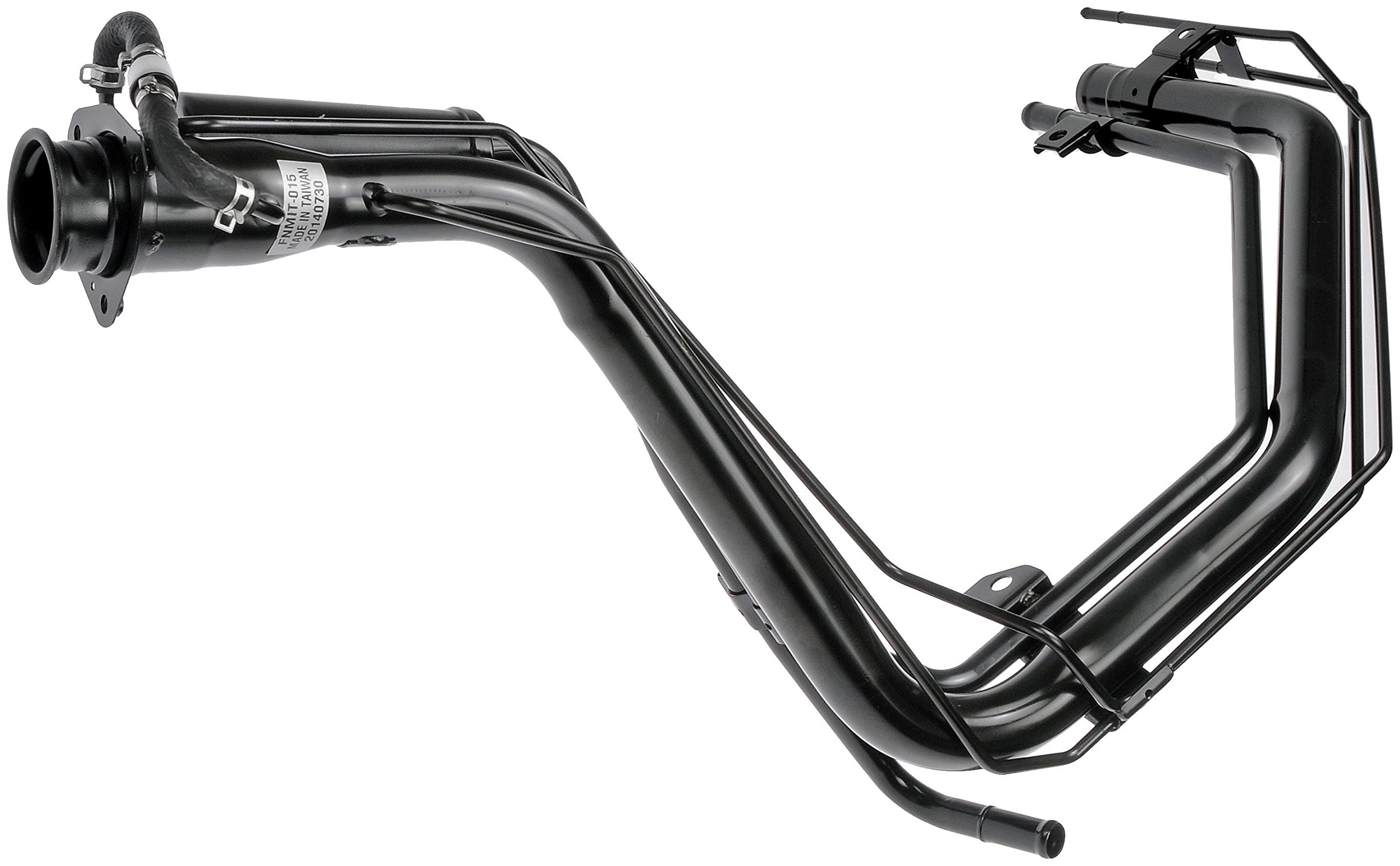
The bolt-on fix for a rotted Mitsubishi Galant filler neck, built to match the factory part.
This is a completely different animal from the weld-on units above. It is a direct replacement made to match the original equipment on specific vehicles, so there is no welding torch involved. It weighs 4 pounds and is built from corrosion-resistant materials to reduce the chance of future failure, which matters when you are replacing a neck that rotted out.
Fitment is the story here. Owners mention it “did fit perfectly on 2009, although description says good to 2008,” which tells you the application range can stretch beyond the official listing. On an 04 Galant, the bracket was tricky but manageable, and owners say it is worth it because it works far better than a filler neck with a hole in it.
The bolt holes may not line up perfectly with the factory mount, so expect some modification on certain years. It holds a 4.4-star rating across 21 ratings, and the limited lifetime warranty covers fuel and fumes—rare confidence for a part that handles both.
What stands out
- Corrosion-resistant build targets the root cause of rot
- Limited lifetime warranty adds confidence
- Built to meet emission and inspection standards
The honest fit note
- Holes do not always align with the factory, so expect some modification
- Evap line tips may need trimming on some models
Who it beats: It beats the hassle of repairing a rusted OEM neck on a Galant, and the lifetime warranty outshines the bare-metal weld-on units for street use.
Who it does not suit: Custom builders with a bare steel or aluminum tank, because this is a vehicle-specific bolt-on, not a universal weld-in piece.
Understanding the Specs
Outside Diameter and Weld-In Bung
The outside diameter (O.D.) of the neck is the critical number for a weld-on install: the steel unit measures 2.25 inches across, while the aluminum version is 2.3 inches, giving the aluminum a slightly larger opening. The bung height also matters: the aluminum neck stands 1.125 inches without the cap and 1.5 inches with it, offering fitment flexibility when positioning the weld..
Vented Cap and Gasket
A vented cap relieves pressure buildup that happens as fuel heats and expands in a sealed tank. Both universal units feature a twist-on cap that vents to the underside, and the steel version adds a zinc-plated finish with a rubber gasket for a secure seal. Note that welding heat can damage that rubber gasket, so budget for a replacement if you are welding the neck in place.
FAQ
Can I weld a steel filler neck to an aluminum tank?
What is the difference between a weld-on and a bolt-on filler neck?
Why does the filler neck cap need to be vented?
Will the Dorman 577-256 fit my Mitsubishi Galant?
What size opening does the Speedway steel neck have?
How tall is the aluminum filler neck’s weld-in bung?
Do I need to replace the rubber gasket after welding?
Is the Dorman filler neck built to last longer than the factory part?
Final Thoughts: The Verdict
For most fabricators, the best universal fuel filler neck is the Speedway Steel unit because it welds cleanly to steel tanks and includes a zinc-plated vented cap at a budget-friendly price. If you are building with aluminum, grab the Speedway Aluminum version for the highest owner satisfaction and a weld-in bung that takes a 5356 filler rod. And for a rotted Galant neck, the Dorman 577-256 is the bolt-on replacement to reach for, complete with a lifetime warranty and corrosion-resistant construction.
How We Picked
We do not accept paid placement. Every pick is matched to a real buyer and a real use-case; we do not hands-on test units.
Sources & Methodology
Specifications: manufacturer listings and product documentation. Review insights: verified customer reviews. Pricing: not shown on this page (it changes often); check the current price via the retailer link.
As an Amazon Associate, GoCarLife earns from qualifying purchases. This does not affect which products we feature.