
Our readers keep the lights on and the garage heater humming. As an Amazon Associate, I earn from qualifying purchases.
Specs are compiled from manufacturer listings and verified buyer reviews and can change over time — please confirm the key details on the product page before buying.
That dreaded P0299 code, the sudden loss of pull when you merge onto the highway, the faint hiss from the firewall — it all usually points to one failure-prone plastic part bolted to your turbo. A diverter valve (also called a bypass or recirculation valve) manages the pressure that builds up when you lift off the throttle, and when its internal diaphragm tears, your boost escapes and your engine feels flat. The fix is almost always a direct swap of this single component, and this guide breaks down the genuine and aftermarket options that actually hold up.
I’m Mo Maruf — the founder and writer behind GoCarLife. This guide is built by comparing the manufacturers’ published specifications and the patterns across verified customer reviews, so you get each pick’s real strengths and trade-offs instead of marketing spin.
Whether you drive a VW, Audi, Ford EcoBoost, or Nissan Juke, the right turbocharger diverter valve restores lost boost and kills that check-engine light without a costly turbo replacement.
Our Picks at a Glance


How To Choose The Best Turbocharger Diverter Valve
Your first step is never the brand — it’s the part number. Diverter valves are vehicle-specific, and bolting on one from a different engine family can leave you with the same boost leak or a loose fit. Match the OE number (like 06H 145 710 D or 55574902) from your old part before shopping.
Once fitment is confirmed, you choose between two internal designs. A piston-style valve (common on newer VW/Audi engines) replaces the tear-prone rubber diaphragm of earlier designs, which is why owners often call it a permanent upgrade. A diaphragm-style valve is cheaper and still fine for most stock setups, but it is the weak link that fails first.
Quick Comparison
| Model | Best For | Design | Weight | Warranty | Amazon |
|---|---|---|---|---|---|
| Pierburg 7.01830.13.0★ Best Overall | VW/Audi 2.0T piston upgrade | Piston | 12 oz | — | Amazon |
| Dorman 911-240Top Performer | Audi/VW cross-platform OEM fit | Diaphragm | 9.44 oz | Limited Lifetime | Amazon |
| GM Genuine 55574902 | GM 1.4L/2.0T intercooler circuit | Diaphragm | 2.4 oz | — | Amazon |
| Dorman 667-515 | Ford 3.5L EcoBoost relief | Diaphragm | 9.92 oz | Limited Lifetime | Amazon |
| Getfarway 14483-1KC1A | Nissan Juke budget swap | Diaphragm | — | 12-month | Amazon |
In‑Depth Reviews
1. Pierburg OEM Turbocharger Bypass Valve 7.01830.13.0
Our pick — 4.5★ from 400+ verified ratings; the strongest balance of quality and price.
The piston-style German upgrade that kills the P0299 code for good.
When your VW or Audi 2.0T loses boost because the rubber diaphragm valve tears, this piston-style replacement is the fix that lasts. It replaces the older 06F 145 710 G and 06F 145 710 B numbers, swapping the tear-prone diaphragm for a sliding metal piston with no rubber to fail — buyers report it “never needs replacing.” The part number 06H 145 710 D also fits the earlier G application, so it drops into a wide range of MKV GTI, Jetta GLI, Passat 2.0T, and A3 8P engines without modification.
Installation is a three-bolt job from underneath using a 5mm Allen key, and owners say the valve is accessible under the splash panel on the passenger side. Owners mention it “Fixed underboost P0299 on my 2006 VW 2.0T FSI,” and on a 2006 Audi A4 2.0T it restored full pull after a torn diaphragm was found. At 12 ounces, it is heavier than the Dorman 667-515 at 9.92 ounces, which reflects the metal-bodied construction versus that valve’s lighter build.
In terms of durability expectations, this is a genuine Pierburg unit made in Germany, and owners call it a great replacement part with the same brand as the factory original. The one recurring note of caution is that the check-engine light can take up to a week to clear after the fix, so patience is part of the process. Functionality dominates the owner conversation, and installation is the second most-praised aspect, reinforcing that this is a simple, high-confidence swap.
Reliable upgrade: the piston internals remove the classic failure point, and the genuine German build earns trust.
Worth noting: some customers note premature failure, so buy from a seller with a solid return policy.
Reach for this if: you own a VW/Audi 2.0T and want the definitive fix with OEM-grade quality.
Look elsewhere if: your engine is a Ford EcoBoost or GM 1.4L — this part will not physically fit those mountings.
2. Dorman 911-240 Turbocharger Diverter Valve
The Audi A4 fix that owners say runs without issue years later.
This Dorman valve is the go-to replacement for the same VW/Audi 2.0T family as the Pierburg above, but it takes a different angle: it is a direct-fit diaphragm-style valve designed to slice cost while matching the factory function. Reviewers point out installing it on two Audi A4s (2007, 2008) with no repeat failures over 2-7 years, and a 2013 Allroad owner cleared a P0299 code after a straightforward swap from under the car.
What wins people over is the build quality — machined zinc construction at 9.44 ounces — paired with the Limited Lifetime Warranty that covers you long after the install. On a VW GTI with 60k miles, the part solved a boost control module code and saved the owner a k turbo job that shops were pushing for. The inlet connection is threaded, and the bolts are 5mm Allen with one hidden in a tight spot, so have a flexible extension ready.
Performance is the most-discussed aspect of this valve, followed by build quality and installation ease. It beats the Pierburg on price while delivering the same core result, though the diaphragm design means it is technically a wear item rather than the piston-style permanent fix. One owner notes you can find it cheaper on ECS Tuning, but Amazon’s convenience and easy returns kept them from bothering.
What Owners Rave About
- Machined zinc housing feels premium and durable
- Limited Lifetime Warranty backs the purchase
- Props in minutes from under the splash panel
Fair Trade-Offs
- Diaphragm internals can tear again over time
- Access is tight; one Allen bolt is easy to miss
Confident pick: the best blend of price and proven longevity for the VW/Audi 2.0T crowd.
Who should skip: anyone who wants a permanent piston-style fix — the Pierburg above is the no-wear alternative.
3. GM Genuine Parts 55574902 Turbocharger Intercooler Bypass Valve
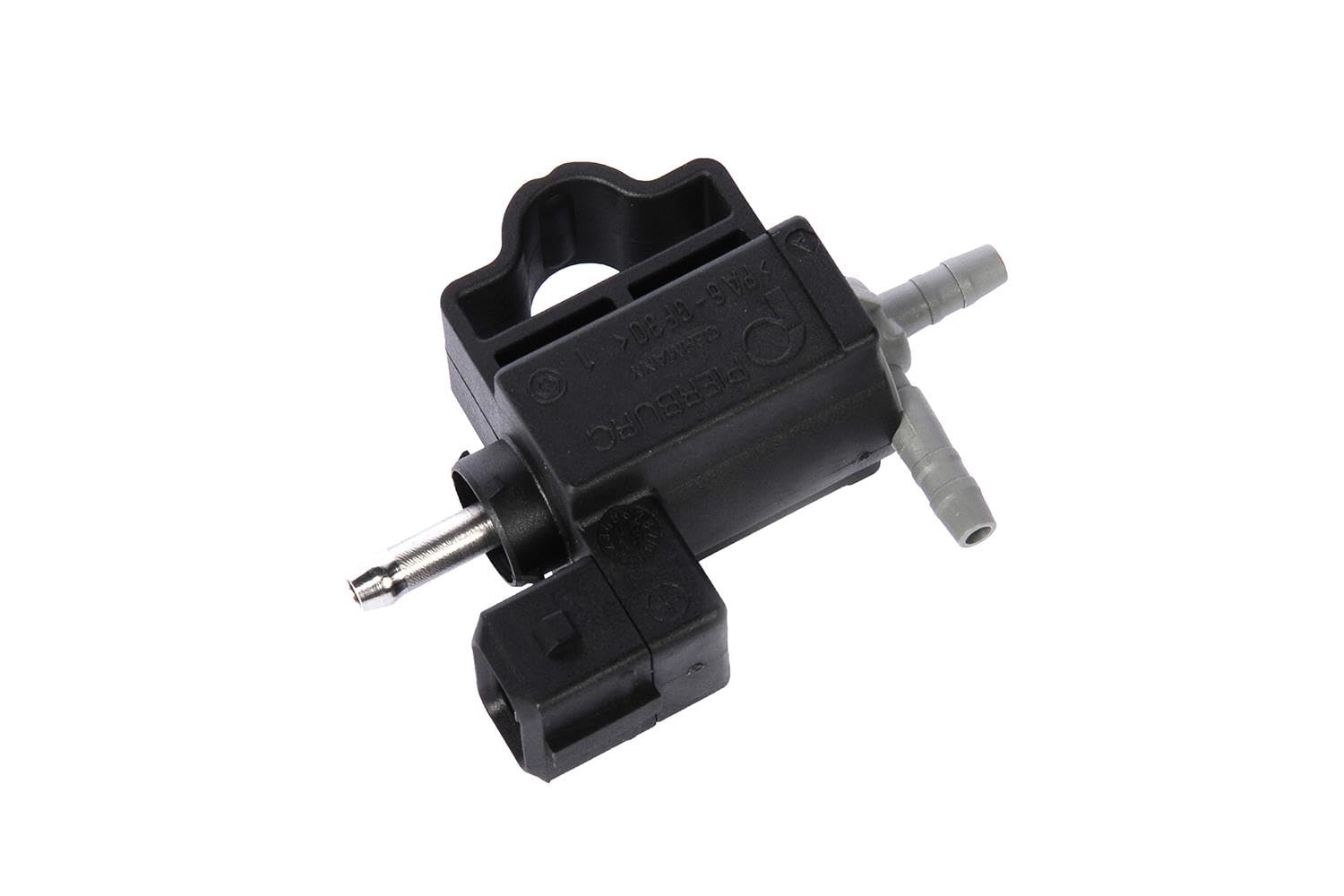
The lightweight GM original that brings back boost on a 2014 Cruze.
If your GM 1.4L or 2.0T turbo loses acceleration and throws a P0299, this genuine ACDelco-manufactured valve restores boost exactly to factory spec. It is built to GM OE specification for fit, form, and function, and owners confirm it is an exact OEM match — one Buick Encore owner noted the wastegate solenoid valve went bad and the car had no boost, and this part restored it. At 2.4 ounces, it is the lightest valve in this lineup, thanks to its compact plastic housing designed for the intercooler circuit.
The part number 55574902 is the same as the factory original, so there is no guessing about compatibility on the models it is listed for. Functionality is what owners praise most, and replacement quality follows close behind, meaning it delivers the result you expect without surprises. One owner on a 1.4-liter Vanderhall Venice confirmed it is perfect for that application, showing its reach beyond the Cruze and Encore.
The main challenge is access — owners say it sits on the intake and is easier to reach with the intake removed, though it can be done without. If you are willing to work in a tight space, this is a clean, genuine fix rather than an aftermarket gamble.
Factory confidence: the exact GM part number and German manufacturing remove all fitment doubt.
Plan the labor: the valve’s position on the intake makes it a fiddly job — budget time for the awkward access.
Best fit for GM owners: anyone with a Cruze, Encore, or similar 1.4L/2.0T who wants the true factory part.
Think twice if: you are not comfortable wrestling a tight intake area — the replacement is genuine but not quick.
4. Dorman 667-515 Turbocharger Boost Pressure Relief Valve

The metal-built relief valve that silences the EcoBoost’s hiss.
Ford 3.5L EcoBoost owners know the sound — a loud hiss from the firewall area that means a torn diaphragm in the boost pressure relief valve, and with it, boost dropping drastically. This Dorman valve is built from aluminum, brass, and stainless steel, a tougher mix than the plastic of many factory units, and it is engineered to handle the heat and corrosion that kill the original. The defining spec is the direct-replacement design that matches the factory valve’s fit and function on specified vehicles.
Buyers report fixing a P0299 on a 3.5L EcoBoost after finding a tear in the original diaphragm, and “it fits and works perfectly” on a 16 Expedition. Another owner with a Police Interceptor sedan AWD described a huge hole in the OEM unit that had cut boost down to 6 — this valve restored proper function and killed the annoying hiss. At 9.92 ounces, it is lighter than the 12-ounce Pierburg while using a mix of corrosion-resistant metals.
Buyers praise the build quality, and the Limited Lifetime Warranty shows Dorman backs the metal construction. That durability matters because the factory plastic valve is exactly what fails from heat exposure. Choose this for your EcoBoost if you want a sturdier alternative to another factory-style plastic unit.
Built Tougher
- Aluminum, brass, and stainless steel resist heat damage
- Limited Lifetime Warranty adds confidence
- Owners confirm it fixes the P0299 hiss on 3.5L EcoBoosts
Verify Fit
- Only works on select Ford/Lincoln models — check the garage tool
- Performance feedback is mixed in the owner pool
Reach for it if: you drive a 3.5L EcoBoost and want a metal-bodied relief valve that outlasts the plastic factory part.
Look elsewhere if: your vehicle is not on the confirmed fit list — this is not a universal part.
5. Getfarway 14483-1KC1A Turbo Recirculation Valve
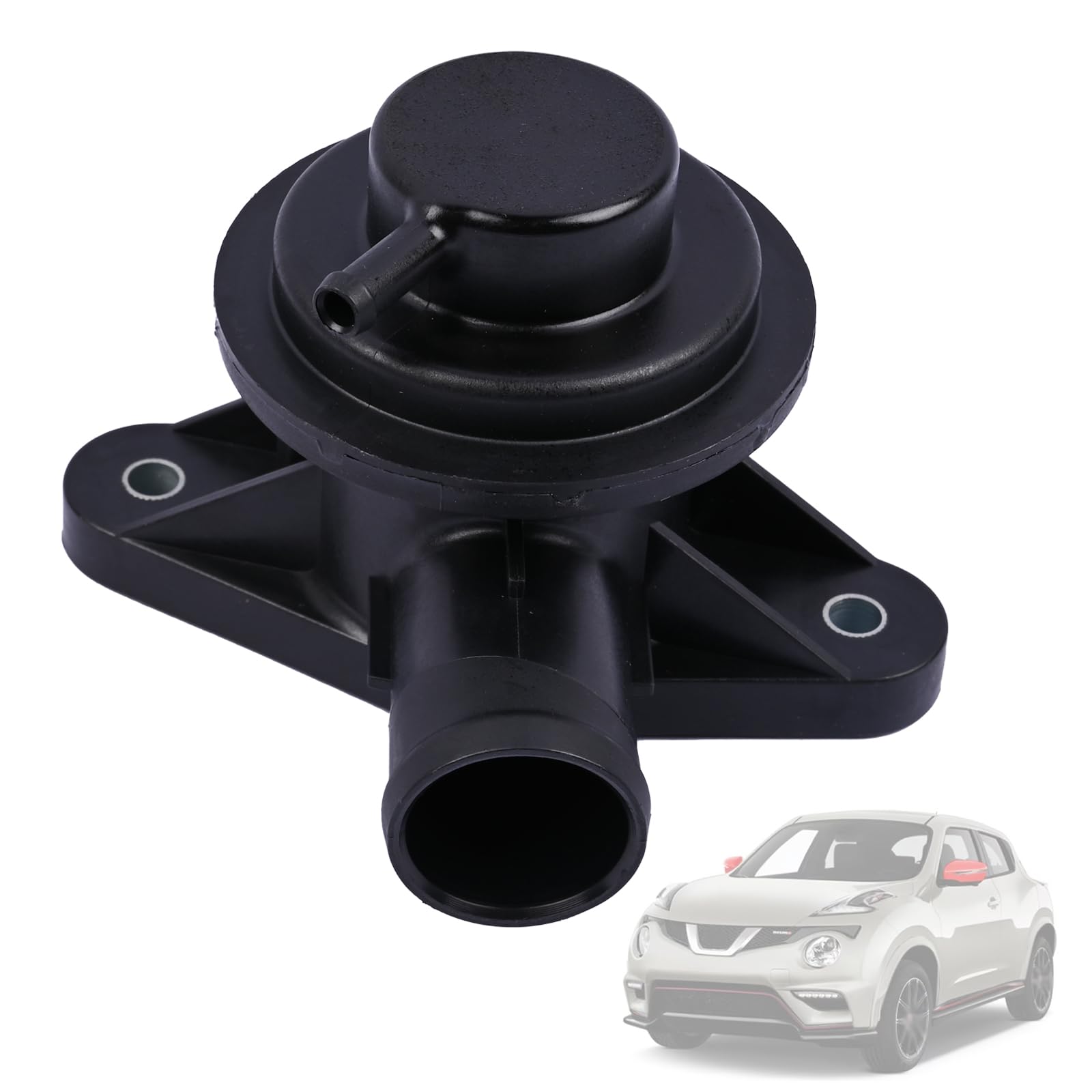
The Juke’s budget-friendly swap with one vacuum hose quirk.
For Nissan Juke owners across the 2011-2017 model years, this recirculation valve replaces both the 14483-1KC1A and 14483-1KC0A part numbers, so it cross-references directly to the factory unit. It uses a flare inlet and outlet with two ports, and the manufacturer backs it with a 12-month low-maintenance return service — a useful safety net for an aftermarket part at this price tier. Just confirm your exact model number against the display pictures before ordering.
Owners mention the part “works as it’s supposed to, bolts right up no issue,” which confirms the physical fitment is correct. The honest catch is the vacuum port orientation: it is not indexed the same as the OEM part, so several owners note you will need a longer vacuum hose to reach it. That is a minor parts-store trip, not a dealbreaker, but it is worth knowing before you start the job.
Since this is a budget-tier option, expect a simpler experience than the premium picks above. The plastic body is durable enough for the stock application, and the 12-month warranty covers the first year of ownership. For Juke owners who want a working replacement without paying Genuine Nissan prices, this gets the job done.
Fits and functions: bolts up cleanly and does the job, confirmed by owner reports.
The quirk: the vacuum nipple sits in a different spot — factor in a longer hose and a 12-month warranty covers you.
Reach for this if: you own a 2011-2017 Juke and want a low-cost, working replacement with warranty backup.
Look elsewhere if: you want a true factory-fresh orientation — the vacuum port difference means extra parts and minutes.
Understanding the Specs
Piston vs Diaphragm Internals
The internal design decides how long the valve lasts. A diaphragm-style valve uses a rubber disc that tears from heat and repeated flexing — that is the most common failure point across all brands. A piston-style valve (like the Pierburg’s) replaces that rubber with a sliding metal piston that has no material to tear, so it tends to outlast the car. For stock power levels, either works; for confidence, piston wins.
OE Part Number Matching
Every manufacturer uses its own numbering, so the same valve can carry several part numbers. The Pierburg lists replacement numbers for older VW parts, and the Getfarway covers two Nissan numbers. Before you buy, pull your old valve’s number or check the vehicle fitment tool. A wrong number means a wrong mount, and a diverter valve that does not seal will leak boost exactly like the failed one you are replacing.
Build Materials and Weight
Materials range from plastic (Getfarway) to a metal mix of aluminum, brass, and stainless steel (Dorman 667-515) to machined zinc (Dorman 911-240 and 911-798). Heavier metal bodies like the Pierburg’s 12-ounce housing tend to resist the heat and corrosion that melt factory plastic. Lighter valves like the GM’s 2.4-ounce unit are fine for their specific intercooler circuit but would not survive the same abuse on a hotter-running engine.
Warranty Coverage
A diverter valve is a wear part, so warranty terms tell you how much the maker trusts it. Dorman backs its valves with a Limited Lifetime Warranty, while the Getfarway offers a 12-month return service and the Genuine GM part relies on factory manufacturing confidence. If you are buying aftermarket, a lifetime warranty is a strong signal that the materials and machining will hold up.
FAQ
What is the difference between a diverter valve and a blow-off valve?
Will a faulty diverter valve throw a P0299 code?
How do I know which diverter valve fits my car?
Is a piston-style valve better than a diaphragm-style valve?
How hard is it to replace a diverter valve?
Can a bad diverter valve cause a rattling noise at idle?
Will a diverter valve fix a boost leak on my EcoBoost?
How long does a turbocharger diverter valve last?
Is it worth paying more for a genuine OEM valve?
Can a bad diverter valve cause a loss of power under acceleration?
Final Thoughts: The Verdict
If you want one dependable pick, the turbocharger diverter valve winner is the Pierburg 7.01830.13.0 because its piston design removes the rubber-diaphragm failure point entirely while delivering genuine German quality. If you want a proven, budget-friendly fix for your Audi or VW, the Dorman 911-240 offers a machined zinc body and a Limited Lifetime Warranty at a lower cost. And for EcoBoost or GM 1.4L owners, the Dorman 667-515 and GM Genuine 55574902 are the exact-fit answers that stop the hiss and bring the boost back.
How We Picked
We do not accept paid placement. Every pick is matched to a real buyer and a real use-case; we do not hands-on test units.
Sources & Methodology
Specifications: manufacturer listings and product documentation. Review insights: verified customer reviews, as of August 2026. Pricing: not shown on this page (it changes often); check the current price via the retailer link.
As an Amazon Associate, GoCarLife earns from qualifying purchases. This does not affect which products we feature.