
Our readers keep the lights on and the garage heater humming. As an Amazon Associate, I earn from qualifying purchases.
Specs are compiled from manufacturer listings and verified buyer reviews and can change over time — please confirm the key details on the product page before buying.
Your car’s cabin heats up like a greenhouse every time the sun hits it. The right tint for car blocks heat, cuts glare, and lasts more than one brutal summer — without killing your phone signal. The eight options below cover everything from premium ceramic that stays cool to the touch to budget rolls that just get the job done.
This guide compares the manufacturers’ published specifications and patterns across verified customer reviews. You get each pick’s real strengths and trade-offs instead of marketing spin.
A good film changes your daily drive. A bad one wastes cash, looks shoddy, or gets you a ticket for illegal darkness. These picks focus on real owner data and raw specs to narrow down what actually works.
Our Picks at a Glance

How To Choose The Best Tint for Car
Picking a car window film is a lot like picking sunglasses — darker isn’t always better, and the actual heat rejection lives in the material science, not the shade. You have to balance visibility at night, local laws on how dark you can go, and whether the film will interfere with your phone or GPS. Here are the three decisions that really matter.
Your VLT Number Is Your Legal Reality
VLT stands for Visible Light Transmission — the percentage of outside light the film lets through. A 5% film (often called “limo tint”) blocks 95% of light, making it very dark but legally risky for front windows in many states. A 35% film is a common legal limit and still gives you good daytime privacy without turning your mirrors into black holes at night. Check your state’s law before you buy, not after.
Ceramic vs Carbon vs Dyed — Know What You Are Paying For
Dyed film is the cheapest and does a passable job blocking glare, but it fades and bubbles over time. Carbon film holds up better against sun damage and adds a matte finish that won’t purple. Ceramic film is top-tier — it uses nano-ceramic particles to absorb and dissipate infrared heat without metal, which means your GPS and cell signal don’t take a hit. Your budget and your local climate should drive this choice.
TSER Tells You the True Heat Rejection
Total Solar Energy Rejection (TSER) is the number that measures how much total solar energy the film reflects or absorbs — including UV, visible light, and infrared. A high TSER number (over 50%) means real cabin cooling, not just a dark appearance. Don’t trust a film’s “heat block” claim on the box; look for the TSER percentage in the fine print.
Quick Comparison
| Model | Best For | VLT | Material | Roll Size | Amazon |
|---|---|---|---|---|---|
| LuxeShade 35% Carbon★ Best Overall | Best Overall | 35% | Carbon | 24 in x 100 ft | Amazon |
| SW 80% CeramicPremium Pick | Legal Front Window Film | 80% | Nano-Ceramic | 20 in x 10 ft | Amazon |
| IAQWE 20% CeramicBest Value | Balanced Privacy & Visibility | 20% | Ceramic | 20 in x 20 ft | Amazon |
| ARANA 5% Ceramic | Maximum Daytime Privacy | 5% | Ceramic | 20 in x 20 ft | Amazon |
| smilfuy 15% PET | Budget DIY Roll | 15% | PET | 30 in x 19.68 ft | Amazon |
| TOYOCO 35% Ceramic | DIY-Friendly Ceramic | 35% | Ceramic | 24 in x 15 ft | Amazon |
| AUTOTEK 25% 2Ply | Affordable 2Ply Film | 25% | 2Ply PET | 24 in x 25 ft | Amazon |
| JNK NETWORKS Precut | low-maintenance Precut Fit | 5%/15%/30% | Polyester | Precut Kit | Amazon |
In‑Depth Reviews
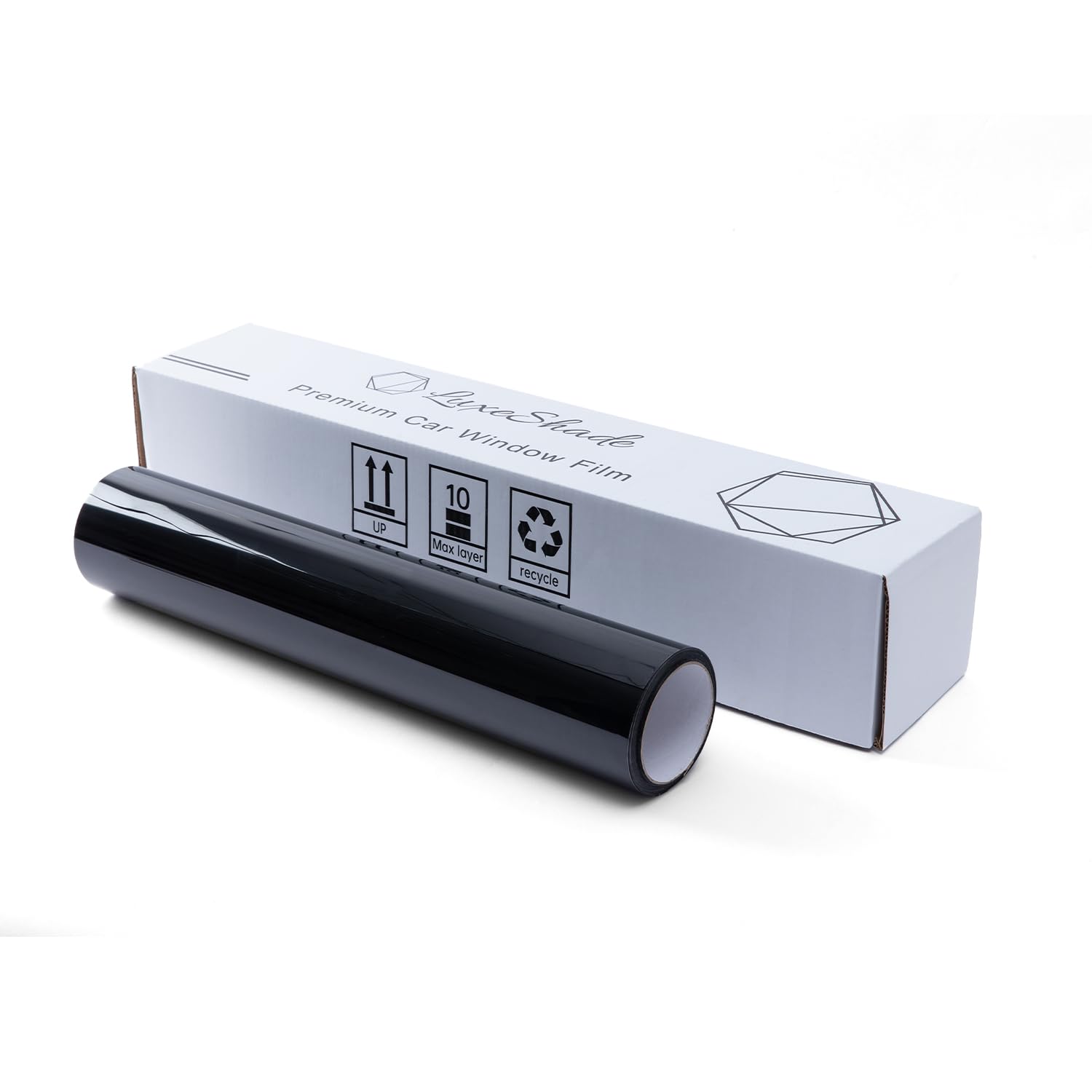
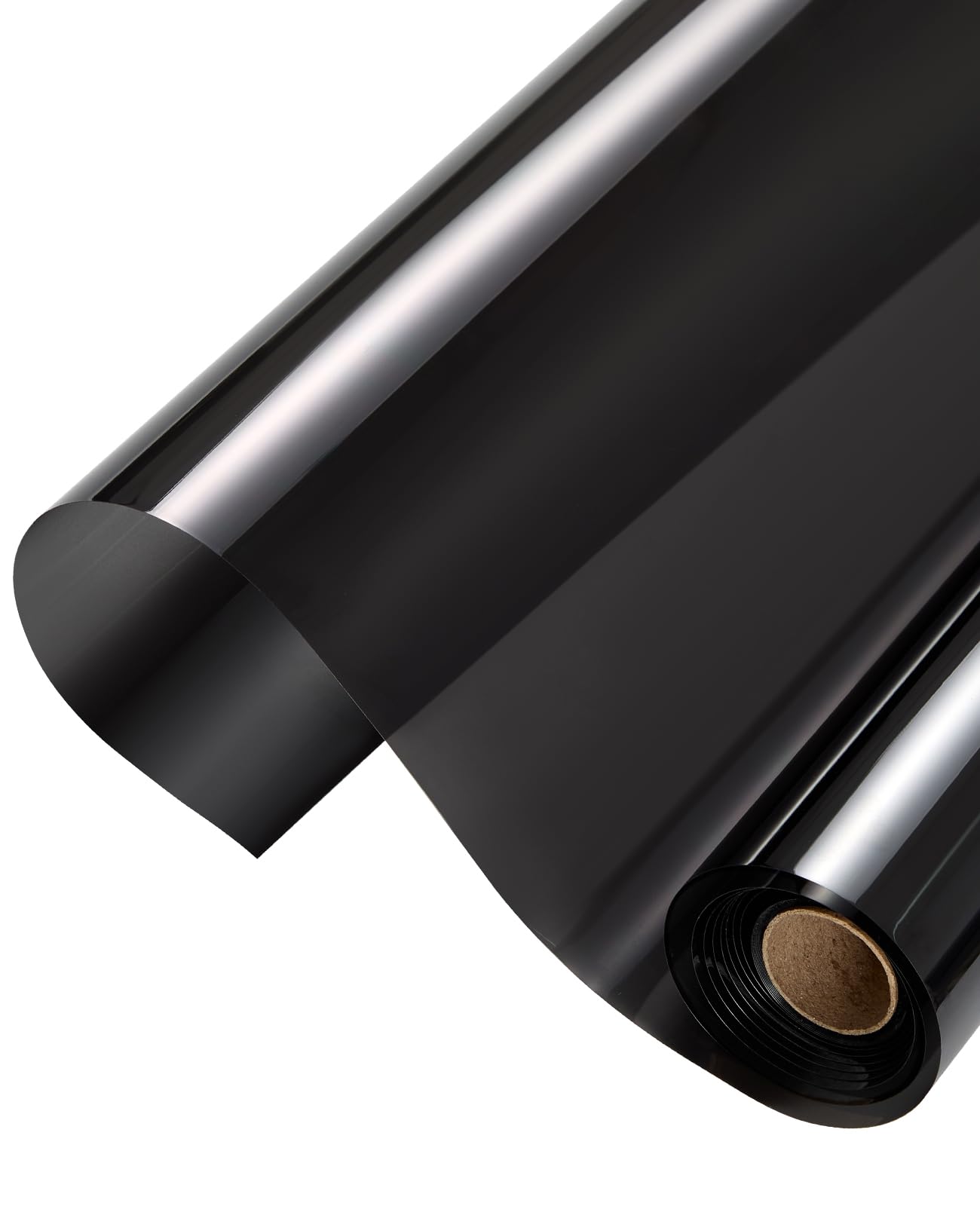
1. LuxeShade Professional Carbon Film 35%
Our pick — over 4★ from 150+ verified ratings; the strongest balance of quality and price.
You get 100 feet of carbon film that blocks heat without messing up your phone reception.
This roll gives you the most material per dollar of any carbon film here. The 24 in x 100 ft spool covers a full sedan, an SUV, and leaves leftovers for your garage. The 35% VLT (Visible Light Transmission — the percentage of light that passes through) hits the legal balance in most states, so you see out clearly but passersby see a dark reflection. Carbon nano technology blocks heat and UV, and because there is no metal, your GPS and cell signal pass through without a hiccup.
Buyers call it a “great product” and “easy to install,” with one collective takeaway that the 2mil, 2-ply HD transparent film feels “sturdy” and resists sun and wear for the price. The peel-and-stick installation gets mixed marks: some buyers report it is a breeze if you take your time, but a few admit it takes practice. Compared to the thinner TOYOCO film below, this roll is less forgiving on curved windows but offers far more coverage for the money.
The Coverage King
- 100 feet of carbon film — enough for multiple cars or a large SUV
- Durable 2-ply construction resists scratches and daily wear
- No signal interference; phone and GPS work perfectly through the tint
The Learning Curve
- Installation requires patience; not a beginner’s first project without watching a few videos
- At 35% VLT, it won’t deliver limo-style privacy for the rear cargo area
The smart choice for: Anyone who wants maximum square footage of quality carbon film without paying for ceramic. This roll covers everything.
Think twice if: You are dead-set on maximum darkness — the 35% VLT is conservative for a reason.
2. SW Nano-Ceramic 80% VLT Front Window Film
You get nearly invisible ceramic that blocks UV without darkening the windshield.
This film is for you if you want heat rejection but cannot tint your front windows dark. At 80% VLT (Visible Light Transmission), it is almost clear, and the “Light Blue” color is barely visible on stock glass. Nano-ceramic technology absorbs heat and dissipates it as the car moves, rather than bouncing it away like reflective films. You get 99% UV protection, and the 2-ply scratch-resistant design resists bubbles and peeling.
Buyers who installed it on motorhomes and front windshields reported good heat reduction without compromising vision — one called it a “standout” on a large windshield. The trade-off is real: because the film passes 80% of light, its heat rejection is milder than darker films. Buyers who tested it against a 35% VLT film found it reduced dashboard temperature by about 10°F while the darker film dropped it by about 20°F. This is not for turning your car into a cool cave — it cuts glare and UV while keeping the windshield legal.
Legal & Subtle
- 80% VLT is essentially clear — passes visual inspection in nearly every state for front glass
- Nano-ceramic absorbs heat and dissipates it as the car moves
- Scratch-resistant 2-ply build resists fading and bubbling
Modest Cooling
- Heat rejection is mild compared to darker films; not for desert-level sun
- Installation on curved windows can be tricky — film creases easily if rushed
Reach for this if: You need front windshield protection without breaking tint laws — it is the only truly clear option on this list that actually blocks UV.
Look elsewhere if: Maximum cabin cooling is your priority; you will want a darker VLT film for that.
3. IAQWE 20% VLT Ceramic Film 20 in x 20 ft
You get real ceramic pricing that undercuts the competition without cutting UV protection.
Most ceramic films cost more, but this IAQWE roll lands at entry-level ceramic pricing while still giving 99% ultraviolet protection and infrared heat rejection. The 20% VLT (Visible Light Transmission) balances daytime privacy with enough visibility for safe night driving — dark enough to obscure the interior, but not so dark that you squint at your mirrors. The 5-layer safety film is also shatterproof: if a rock hits the glass, the film holds pieces together.
The 20 in x 20 ft roll is smaller than the LuxeShade, so it fits a single sedan or coupe. Owners consistently say the film is “great to work with” and “looks awesome,” though a small number note it is thinner than premium ceramic and can scratch if you use a dull blade. The common refrain across thousands of reviews is that for the price, it outperforms expectations — just handle the film carefully during the shrink step for curved rear windows. This is the better value than the smilfuy budget film below if you can stretch your budget, because the ceramic material will outlast the PET film by years.
Affordable Ceramic
- Genuine ceramic heat rejection at a near-budget price
- 5-layer build includes shatterproof protection for safety
- DIY-friendly adhesive that shrinks well on curved glass
Handle With Care
- Film is thinner than premium ceramic — tear risk if you rush the cut
- Some units arrived with creases from poor packaging
Best if: You want ceramic performance for a single-vehicle project without paying premium-roll prices.
Think twice if: You plan to tint multiple large vehicles — the 20-foot roll runs out fast.
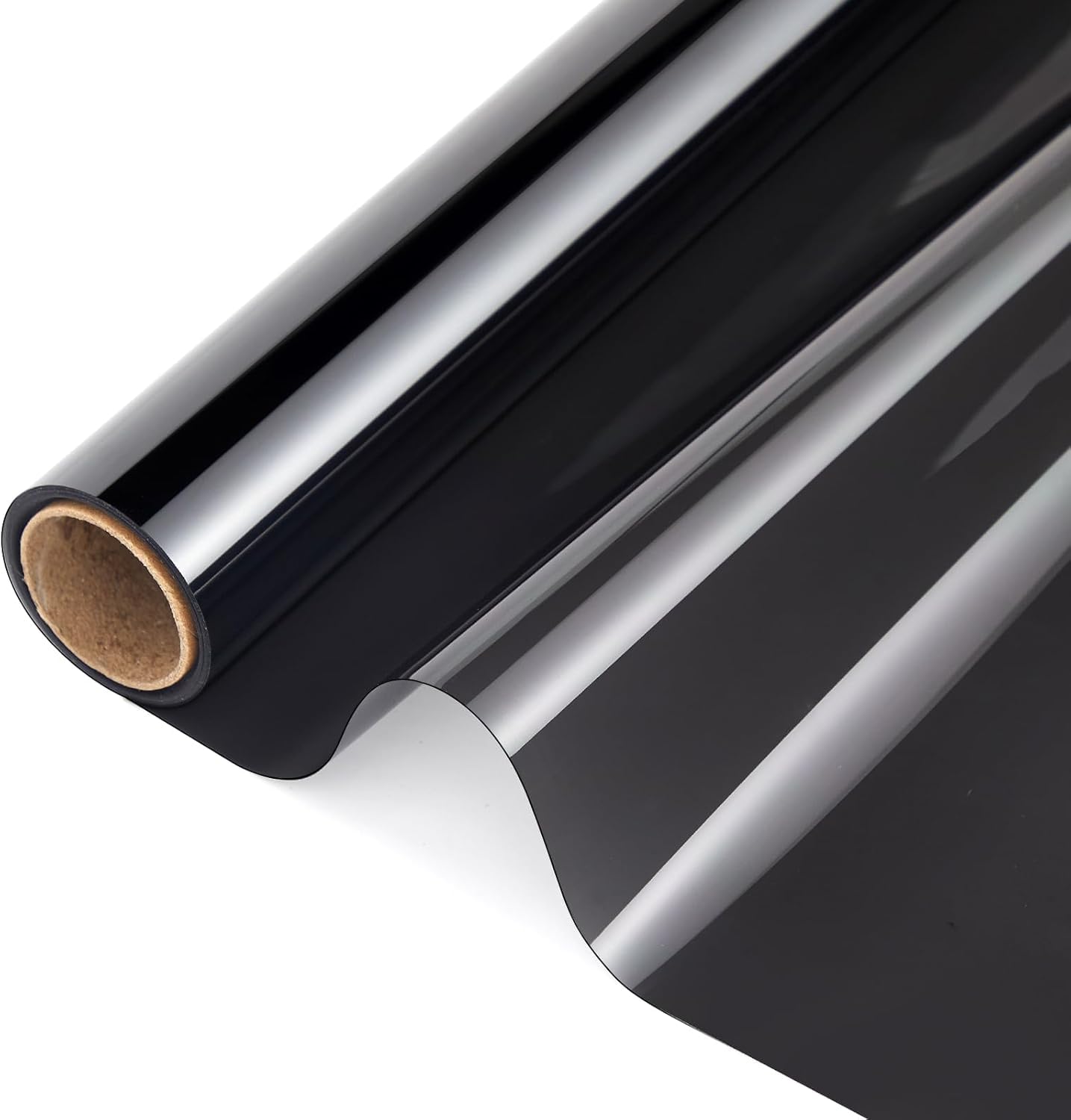
4. ARANA 5% VLT Ceramic Film 20 in x 20 ft
5% VLT (limo tint) in a ceramic film that doesn’t break the bank.
If you want the cabin virtually invisible from the outside in daylight, this is the darkest ceramic film on the list. The 5% VLT (Visible Light Transmission) lets almost no light through — it gives you the privacy of a blacked-out SUV or limousine. The nano-ceramic construction blocks 99% of UVA and UVB radiation, so your dashboard and seats stay protected even under direct sun. The adhesive is designed to stay bubble-free, resisting the peeling and yellowing that cheaper dyed films suffer after a few summers.
Owners mention the film “works well and looks great.” The application gets mixed reviews: some find it very easy, while others had trouble with the adhesive sticking uniformly. Several owners note the actual darkness is closer to 20% VLT than the advertised 5% — so you get solid privacy, but not quite absolute blackout. The film’s thinness makes it prone to creasing if you are not deliberate with the squeegee. For the price, this is a legitimate ceramic option for rear windows of a sedan or SUV where maximum daytime privacy is the goal.
Deepest Shade
- 5% VLT provides near-total daytime privacy
- Ceramic material blocks UV without interfering with phone or GPS signals
- Resists bubbling and fading — built for long-term use
Not For Beginners
- Thin film creases easily if you rush the installation
- Some buyers found the actual tint less dark than 5% VLT advertised
Who this fits: Anyone who wants the darkest legal privacy tint and is comfortable doing a careful installation.
Who might pass: Front-window tinting — 5% is illegal on front glass in most states.
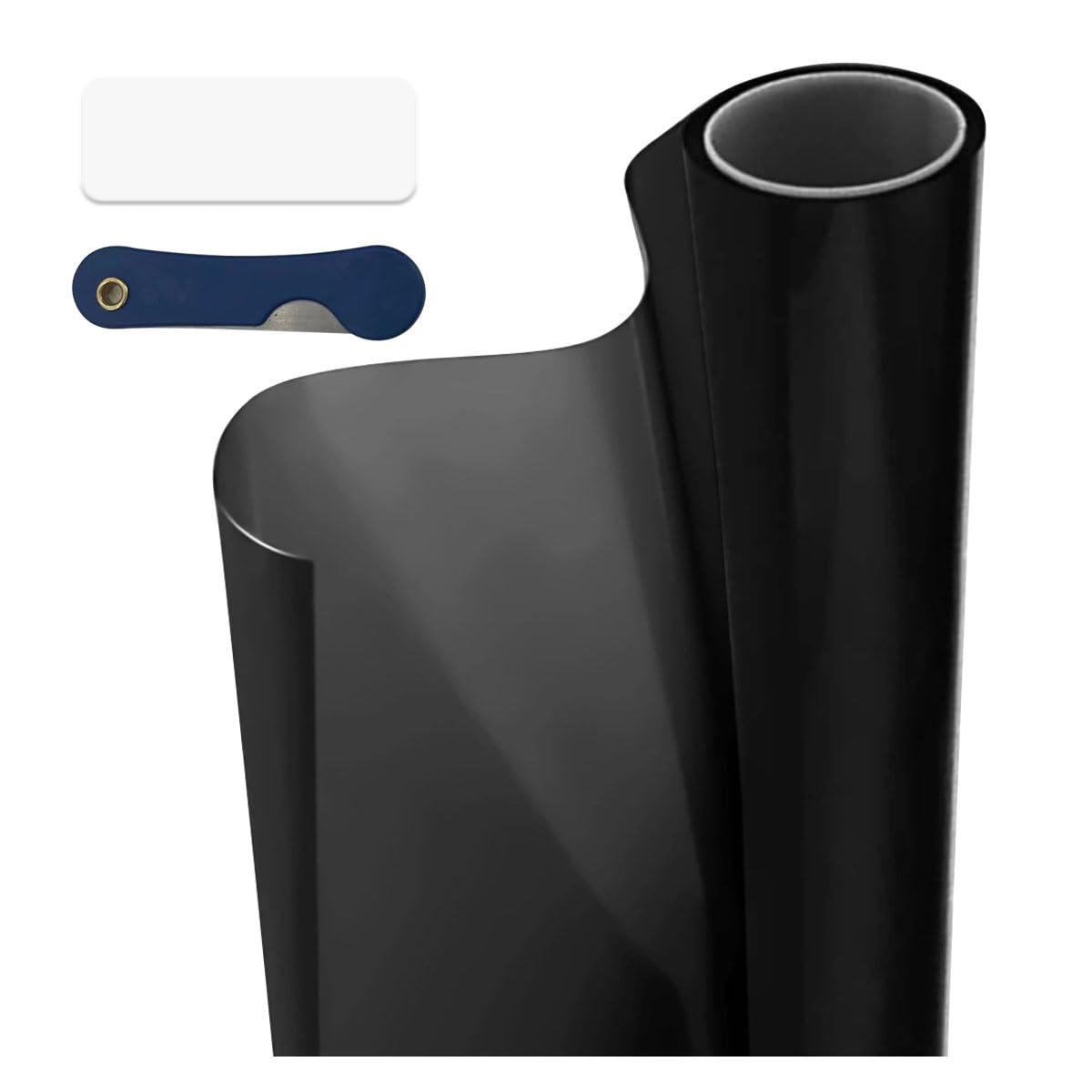
5. smilfuy 15% VLT PET Film 30 in x 19.68 ft
You get the cheapest way to darken windows with enough material to mess up a few times.
The smilfuy roll is the clear budget entry. The 30-inch width is wider than any other roll here, so you can tint tall SUV rear windows in one piece without seam lines. The 15% VLT (Visible Light Transmission) sits between medium and dark — it gives good daytime privacy without the blind-at-night feeling of 5% tint. The PET (polyethylene terephthalate — a single-layer plastic) material keeps costs low.
Owners praise the value for money — 8 out of 216 reviews mention it specifically. Several note the film reduces interior heat noticeably, with one truck owner saying it “takes the edge off” even without AC. The downsides: durability is the most-cited negative, with 6 reviews calling out that the film can fade dramatically after about a year, and thickness is thin enough to tear under an aggressive squeegee. For a temporary tint or a project vehicle, this gets the job done at the lowest cost of any roll here.
Tight Budget Performer
- 30-inch width covers tall SUV windows in one pass
- Includes a squeegee and knife for the installation
- 15% VLT gives strong privacy without full-blackout night blindness
Short-Term Play
- Very thin — tears easily if you aren’t gentle
- Durability concerns; some customers note fading after one year of sun exposure
Reach for this if: You need to tint a beater, a project car, or a truck on a strict budget and don’t expect it to last five years.
Pass if: You want a low-maintenance film for a daily driver — spend a bit more for thicker 2-ply or ceramic.
6. TOYOCO Ceramic 35% VLT Film 24 in x 15 ft
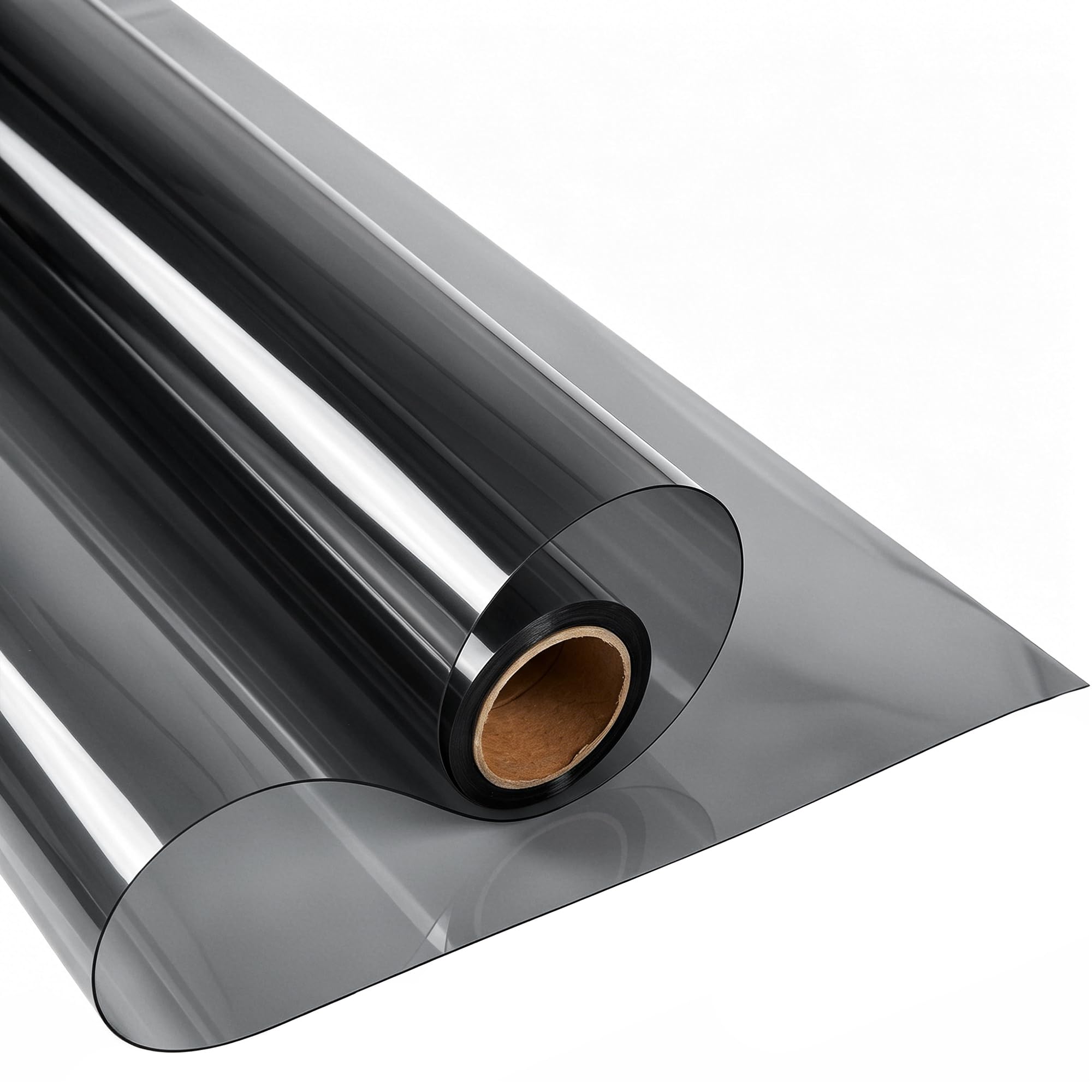
Two-ply ceramic that is beginner-friendly without cutting corners on heat rejection.
This film hits the balance for a DIYer who wants ceramic performance without a pro’s install skill. The 2-ply ceramic design blocks 99% of UV rays and produces a strong heat barrier — owners say it keeps the car cooler and reduces the AC load noticeably. The 35% VLT (Visible Light Transmission) is the go-to legal limit for most states, making it a straightforward pick whether you tint side windows or rear glass. Because it is ceramic rather than metal-film, there is zero signal interference — your GPS, phone, and garage-door opener work exactly the same as before.
Buyers rate the thickness as a major plus: easier to cut and position than the flimsy budget films like the smilfuy, and the scratch-resistant surface holds up to daily glass rolling. The included tint cutter and squeegee are a nice touch for first-timers. The mixed feedback focuses on curved windows — the film’s shrinkability is not its strongest feature, and a few owners who tackled heavily curved rear windows ended up with bubbles. Some also report the color is slightly cooler (more blue-gray) than expected.
DIY-Friendly Ceramic
- Thicker film is forgiving during cutting and positioning
- Comes with a cutter and squeegee, so you don’t need extra tools
- No metallic interference — radio, GPS, and phone work perfectly
Curved Window Caution
- Does not shrink as well as some competitors on highly curved rear glass
- Slight blue-gray tint may not match the pure black look some buyers want
The right move for: A first-time DIY installer who wants the heat performance of ceramic without the stress of paper-thin film.
Not for: A heavily curved rear window on a coupe or hatchback — look for a film with better shrink rating.
7. AUTOTEK 25% VLT 2Ply Film 24 in x 25 ft
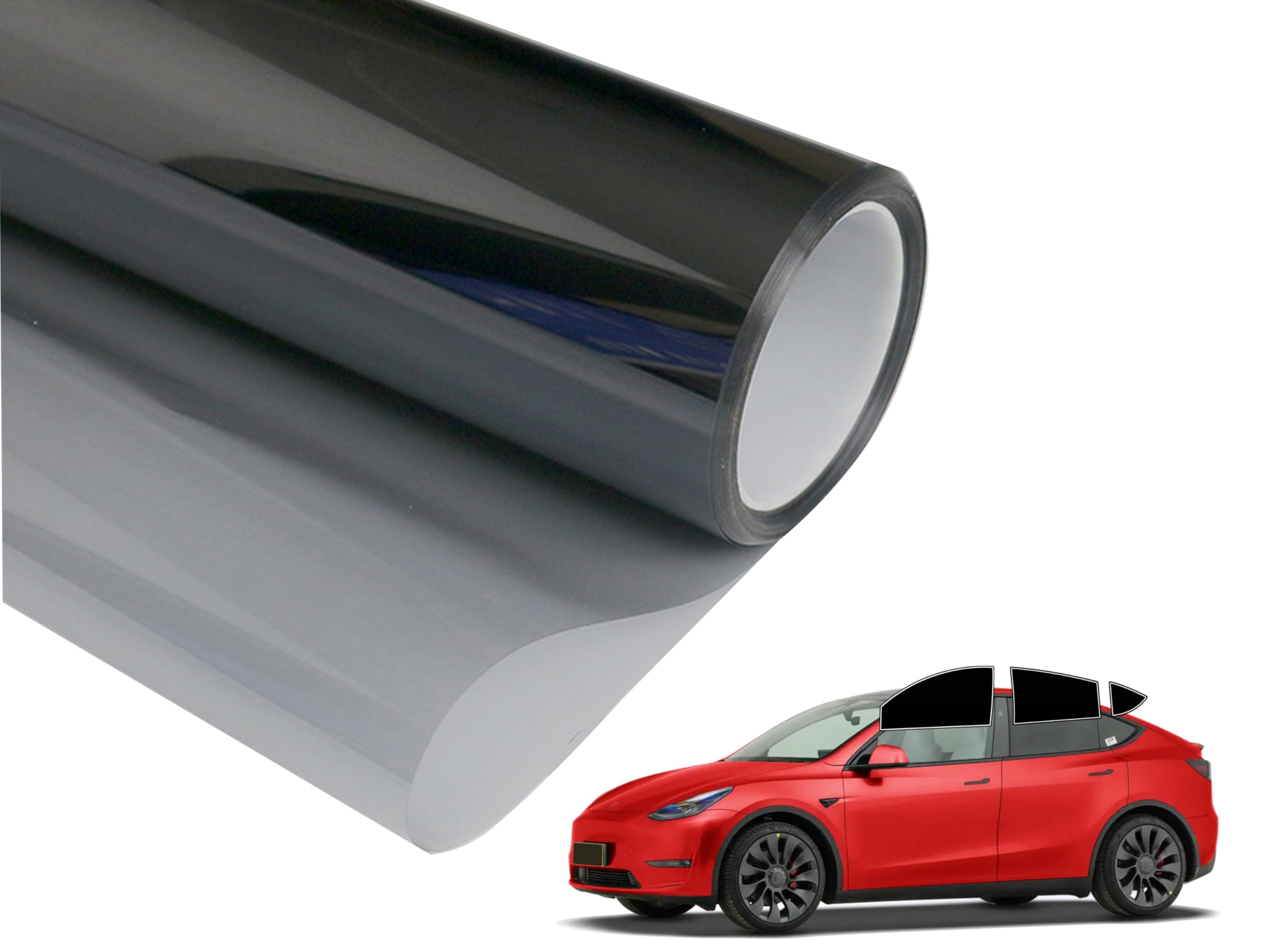
You get a 2-ply PET film that shrinks well with a heat gun for a clean, professional fit.
This roll offers a middle path: it is not ceramic (so heat rejection is less aggressive), but it is a genuine 2-ply PET film that handles heat shrinking better than many single-layer budget films. The 25% VLT (Visible Light Transmission) sits between the more common 20% and 35% options — it gives you strong privacy without feeling like you are driving at dusk when the sun goes down. The film claims to block UV and reduce heat build-up in the cabin.
Buyers who installed it on a Chevy Equinox found the 24 in x 25 ft roll covered side and rear windows with some left over for mistakes. The darkness is accurate to the 25% rating, and owners confirm the film shrinks easily with a basic heat gun. Durability is mixed: the film is described as “fragile and very sticky,” meaning it can crease or rip if overworked, but it bonds aggressively to the glass once applied. The overall sentiment among 190 reviews is that it is good value for the price — just treat the film gently during installation.
Good Shrinker
- 2-ply construction handles heat shrinking well for curved windows
- 25% VLT is a legal-friendly balance of privacy and night visibility
- Price per foot is lower than most ceramic options
Handle Gently
- Film is thin and can rip during aggressive heating or stretching
- Not ceramic — heat rejection is decent but not top-tier
Who it works for: A budget-conscious DIYer who has a heat gun and understands that thin film needs a gentle touch.
skip it if: You want maximum heat rejection — the carbon or ceramic films outperform this in cabin cooling.
8. JNK NETWORKS Precut Window Tint Kit
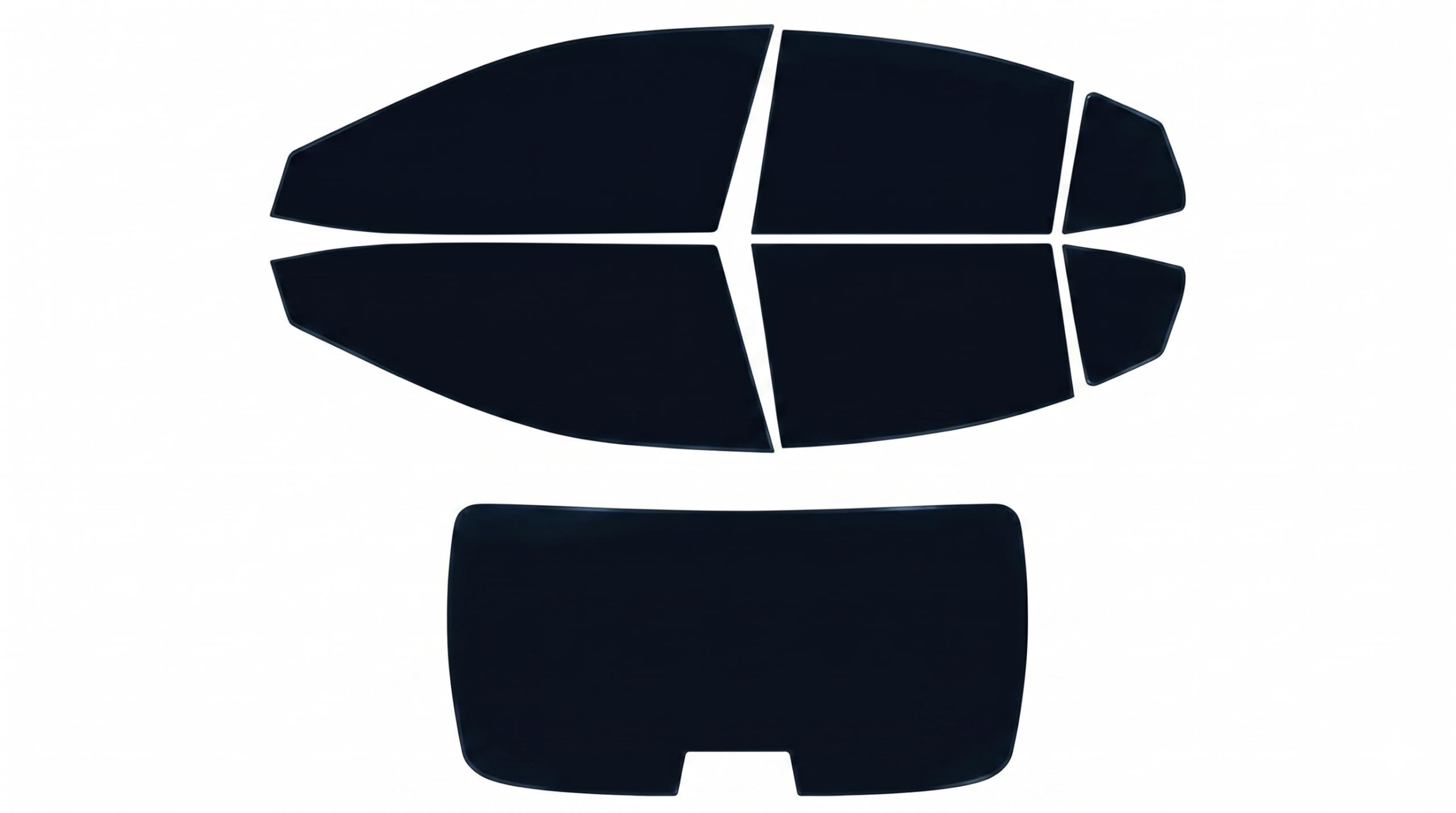
No trimming, no guessing — a precut kit designed for your specific car model.
This is the only entry on the list that skips the roll entirely. The kit arrives with each window’s film pre-cut to the exact dimensions of your car’s year, make, and model. You choose the shade — 5%, 15%, or 30% VLT — and the kit includes every side window and the back windshield. For anyone who has cursed at a roll of film while trying to trace a complex window curve, this removes the biggest headache of the DIY process. The film is heat-shrink compatible, so you still need a heat gun for curved rear glass, but the shape is close enough that you aren’t wrestling with a giant rectangle.
Experienced installers who have used the kit across multiple vehicles (Ford Explorer, Chevy Sonic, Jeep) call it “precision perfect” and say it is faster than removing door panels. First-timers found the precut pieces clearly marked and easy to line up. The most common note of caution: the rear window piece occasionally runs oversized, requiring a bit of trimming that can leave a visible border if you are not careful. The polyester film is thicker than the budget rolls like the smilfuy, which helps it resist creasing, and the manufacturer says it is made in South Korea from high-grade materials that resist fading and purpling.
No-Cut Convenience
- Precut for your exact vehicle — no tracing or bulk trimming needed
- Thicker film handles heat shrinking well on curved rear windows
- Covers all side and rear windows in one package
Fitment Variables
- Some kits have rear windows slightly oversized — expect a little trimming
- Film may peel in extreme heat if the glass wasn’t perfectly cleaned before install
The pick for: Anyone who hates cutting film and wants the easiest possible DIY install with professional-looking results.
Proceed with caution if: Your car is a less-common model — the precut tolerance may not be as exact.
Understanding the Specs
VLT — Visible Light Transmission
This is the darkness number: the percentage of outside visible light the film lets into the cabin. A 5% film means 5% of light passes through (very dark). A 70% film means 70% passes through (almost clear). Lower numbers give you more daytime privacy, but higher numbers are safer at night and legal in more states. Front windows typically cannot go below a certain VLT depending on your state — check your local law before buying.
TSER — Total Solar Energy Rejection
This is the real measure of how much total solar energy (UV, visible light, and infrared heat) the film reflects or absorbs. A higher TSER percentage (over 50%) means the film actually cools the cabin, not just darkens it. Some cheap films look dark but have low TSER — they cut glare but don’t do much for heat. A ceramic film with a TSER over 55% is usually worth the upgrade if you live in a hot climate.
FAQ
Will darker window tint always keep my car cooler?
What is the legal VLT limit for front windows in most states?
Does ceramic window tint interfere with GPS or cell phone signals?
How long does a precut tint kit take to install?
Can I install window tint by myself, or do I need a professional?
How do I clean tinted windows without damaging the film?
What is the difference between dyed, carbon, and ceramic car tint?
Does precut tint fit every car model perfectly?
How long should car window tint last before needing to be replaced?
Can I apply tint over tint if I want it darker later?
Final Thoughts: The Verdict
For most people, the tint for car winner is the LuxeShade Professional Carbon Film because 100 feet of scratch-resistant 35% carbon film at this price is the best all-around value for covering a full vehicle. If you want front-window legal heat rejection with almost invisible film, grab the SW Nano-Ceramic 80%. And for the easiest possible DIY experience with no cutting and no guesswork, the JNK NETWORKS Precut Kit is the one to reach for — just pick your shade, match it to your car, and start applying.
How We Picked
We do not accept paid placement. Every pick is matched to a real buyer and a real use-case; we do not hands-on test units.
Sources & Methodology
Specifications: manufacturer listings and product documentation. Review insights: verified customer reviews, as of July 2026. Pricing: not shown on this page (it changes often); check the current price via the retailer link.
As an Amazon Associate, GoCarLife earns from qualifying purchases. This does not affect which products we feature.