
Our readers keep the lights on and the garage heater humming. As an Amazon Associate, I earn from qualifying purchases.
Car theft rarely feels like “just” losing a vehicle. It’s the domino effect: a shattered sense of safety, surprise costs, missed work, insurance calls, and that low‑grade anxiety you feel every time you park—especially if you drive a model that’s a known target or you live where break-ins are simply part of the local weather.
If you’re searching for the best anti theft car lock, you’re not looking for a gimmick. You’re looking for something that changes the math for a thief: more time, more noise, more awkward body positioning, more visible attention… and ideally, a clean reason to walk away and pick an easier car.
Here’s the part most buying guides get wrong: “security” isn’t a spec-sheet contest. It’s a behavior + friction problem. A lock can be built like a tank, and still fail you if it’s annoying to install, easy to forget, hard to store, or—worst case— prone to jamming. The real value is how the product behaves in real life: in the rain, in a dim parking garage, with cold hands, with a steering wheel cover, with a thick trailer coupler, or after months of daily use.
This guide is built around those real-life friction points and the patterns that show up again and again in owner feedback: fit claims that aren’t truly universal, combo dials that can bind, keys that feel flimsy, locks that can be stubborn to release, and the products that consistently deliver that simple, priceless feeling: “Okay. I did what I can. This is a hard target now.”
Below, you’ll find 15 standout picks across cars, trucks, trailers, RVs, and even high-value bikes and scooters—because the best security plan is the one that matches how you actually move.
In this article
How to Choose the Right Best Anti Theft Car Lock for Your Real Life
Let’s be blunt: the strongest lock on paper isn’t automatically the best lock for you. The right choice is the one you’ll actually use—every single time—without drama. And the “best” lock category depends on what you’re trying to prevent: a drive‑away theft, a tow‑away theft, a trailer hookup theft, or the classic smash‑and‑grab that turns into “let’s see if we can take the whole car.”
1. Start with your theft scenario (this is the part that saves money)
Most people buy a lock based on what looks intimidating. That’s understandable—visibility matters. But for a truly smart purchase, start with how theft happens in your world:
- Drive‑away theft (the car leaves under its own power): This is where steering wheel locks and pedal locks shine. The goal is to make the vehicle hard to control or impossible to put into gear.
- Tow‑away theft (the car/trailer is pulled or loaded): This is where wheel locks, trailer coupler locks, and king pin locks matter. If something can’t roll or can’t be hitched, it becomes a nightmare to steal quickly.
- Trailer hookup theft (especially RV/boat/cargo): Coupler locks and king pin locks are your first line. Some locks also secure safety chains, which helps prevent “cut chain and go” tricks.
- High‑value gear theft (e‑bikes, scooters, motorcycles): Heavy chain locks win because you’re anchoring the asset to something that can’t walk away.
2. Choose the lock type that matches your patience level
This is where “expert advice” becomes practical: a lock that annoys you is a lock you’ll skip “just this once.” So, be honest about what you’ll tolerate.
- Steering wheel locks: Best for visibility and fast routine use. The strongest ones reduce the “cut the wheel and slide it off” problem by covering more wheel area or locking around a spoke.
- Brake/clutch pedal locks: Best when you want a thief to discover the lock only after breaking in. Defeating a pedal lock is awkward because it’s low, cramped, and forces the door open longer—exactly what thieves hate.
- Steering + pedal combo locks: A powerful “two‑point” strategy that makes both steering and pedal control difficult, but compatibility matters a lot.
- Wheel clamps: Loud visual deterrent for trailers, golf carts, and long-term parking. They’re bulky, but they scream “not today.”
- Trailer coupler locks: Essential for RV/boat/cargo trailers. The best ones minimize pry points and fit snugly on the coupler.
- 5th wheel king pin locks: Non-negotiable if you store a fifth‑wheel trailer untethered. They block the hookup, period.
- Heavy chain locks: Best for anchoring high‑value bikes/scooters to a fixed object. They’re heavy for a reason.
3. Key vs combination (the “lockout” risk nobody wants to talk about)
This is where real owner stories matter. In the real world, both systems can be excellent—until they aren’t.
- Keyed locks: Usually the fastest to open/close and less sensitive to grit. The downside is obvious: you can misplace keys, or a key can feel flimsy. For keyed locks, you want a cylinder that’s protected from weather and a key that feels substantial.
- Combination locks: No extra key to carry, and no “key copied” fear. But combination dials can bind if the build quality is poor or if dirt works into the mechanism. With combination locks, your #1 job is to do a daily “open/close test” for the first week to build trust.
- Combination + recovery tools: This is the best of both worlds when done right: keyless daily use, plus a controlled way back in if you forget the code. If you’re going combo, this feature can be the difference between “love it” and “never again.”
4. Fit is everything (and “universal” almost never means universal)
Fit problems are the hidden reason customers return locks. Here’s what actually matters:
- Steering wheel thickness + spoke layout: Thick steering wheel covers can change the way hooks bite and can make some locks feel loose.
- Steering column angle: For steering-to-pedal locks, you need a workable straight path between the wheel rim and the pedal. Some cars simply don’t cooperate.
- Seat belt buckle shape: Seatbelt-style steering locks can be brilliant… unless your buckle is an older shape that doesn’t match the device.
- Trailer coupler size: If you have a 2 5/16″ coupler, buy a lock made for that exact size. “Close enough” becomes “easy pry.”
- Wheel width and rim openings: Wheel clamps need clearance, especially on deep-dish wheels or small openings.
- Brake/clutch pedal arm dimensions: Pedal locks have very specific fit limits. Measure once; buy once.
5. Weather, corrosion, and “will it still open next month?”
A lock only works if it opens reliably. If you park outdoors, pay attention to weather protection. Look for powder coating, sealed cylinders, dust covers, and designs that don’t leave the keyway exposed to direct rain and grit. For certain high-security cylinders (especially disk-style mechanisms), follow the manufacturer’s maintenance notes—using the wrong spray can actually make a lock worse.
6. Build a layered plan (without turning your trunk into a hardware store)
The most effective real-world security plans are usually two layers:
- Layer 1 (visible deterrent): Steering wheel lock or wheel clamp. Something that makes a thief think twice before they even touch your car or trailer.
- Layer 2 (immobilizer): Pedal lock or a steering-to-pedal lock. Something that makes the vehicle functionally useless even if they get inside.
If you tow: add the correct coupler lock (and a king pin lock for fifth wheels). If you protect bikes: add a heavy chain at your regular parking spot. The goal isn’t to be unstealable. The goal is to be the wrong target.
Quick Comparison: 15 Best Anti Theft Car Lock Picks (By Use Case)
Use this table to spot the lock styles that match your life, then jump to the reviews for the real-world details—like which ones owners trust daily, which ones need a “practice week,” and what to watch out for to avoid frustration.
On smaller screens, swipe or scroll sideways to see the full table.
| Model | Lock style | Biggest strength | Best match | Amazon |
|---|---|---|---|---|
| Defender Pro Universal Steering Wheel Lock | Steering shield | Large coverage + quick daily use with wheel-safe padding | City parking, keyless cars, “daily routine” deterrence | Amazon |
| WAR-LOK TKP-10 5th Wheel King Pin Lock | King pin lock | Blocks fifth-wheel hookup with heavy cast steel + disk lock core | Fifth-wheel RVs and dropped/untethered trailers | Amazon |
| Ehaho 2 5/16″ Combination Trailer Coupler Lock | Coupler lock | Keyless daily use + recovery/reset tools for “no lockout” confidence | RV/boat/cargo trailers where keys get lost | Amazon |
| Tevlaphee Wheel Lock Set (Red-Yellow) | Wheel clamp | Huge visibility + “can’t casually roll it away” physical barrier | Trailers, golf carts, ATVs, long-term parking | Amazon |
| ARTAGO 870 Steering Wheel Lock 2-in-1 | Steering + alarm | Pre-alarm warning + loud alarm + spoke-focused locking strategy | Night parking, garages, “extra attention” deterrence | Amazon |
| NUOVEPE 2 5/16″ Trailer Coupler + Chain Lock | Coupler + chains | Locks coupler and safety chains together for two-layer trailer security | Job sites, marinas, contractor trailers | Amazon |
| Kryptonite New York 1275 Cinch Ring Chain Lock | Chain lock | Sold Secure Gold-level chain security with cinch design efficiency | E-bikes, scooters, motorcycles, fixed-location locking | Amazon |
| The Original Unbreakable AutoLock Brake/Clutch Lock | Pedal lock | Immobilizes brake/clutch pedal—hard to defeat in cramped footwell | Airport parking, high-theft models, keyless threats | Amazon |
| Tevlaphee Steering Wheel Lock with Alarm | Steering + alarm | Very loud alarm + heavy steel bar at a “daily use” footprint | Budget-friendly extra layer for targeted models | Amazon |
| OPSOOPI Brake Pedal Lock (V15) | Pedal lock | Fast “lock in seconds” pedal immobilizer with compact storage | Daily commuters who want a quick hidden layer | Amazon |
| Tevlaphee 5-Dial Combination Steering Wheel Lock | Keyless steering | No keys to lose + large dials for quick daily locking | Keyless drivers who hate extra keys (but want visibility) | Amazon |
| Tevlaphee Steering Wheel + Brake/Clutch Lock | Two-point lock | Locks steering control and pedal control together (when compatible) | Trucks/SUVs that allow a straight lock path | Amazon |
| Tevlaphee 4-Hook Steering Wheel Lock (Black) | Steering lock | Fast close-without-key locking + heavy “classic deterrent” feel | Everyday parking when you want simple + solid | Amazon |
| KAYCENTOP Steering Wheel + Seatbelt Lock | Seatbelt lock | Ultra-compact, console-storable deterrent with smart buckle cover | Travel, rentals, valet, quick errands | Amazon |
| SURDOCA Extendable Steering Wheel Lock | Steering lock | Simple, fast, highly visible “backup layer” device | Low-stress daily deterrence and secondary security | Amazon |
In‑Depth Reviews: 15 Best Anti Theft Car Lock Picks That Make Theft Hard
Now we’ll go product by product. I’m not going to talk like a catalog. I’m going to talk like someone who cares about what happens at 11:47 PM in a dim lot when you’re tired: what’s easy, what’s annoying, what owners love after months of use, and what you should check before you commit.
1. Defender Pro Universal Steering Wheel Lock – Big Coverage, Small Daily Hassle

The reason the Defender Pro earns “best overall” in this lineup is simple: it solves the daily-use problem that ruins most locks. A steering wheel lock can be incredibly strong, but if it’s bulky in the wrong way, scratches your wheel, or takes too long to fit, people stop using it. The Defender Pro’s design is built around being used every single time without feeling like you’re wrestling a tool.
What makes it different is coverage. A lot of basic bar locks focus on one bite point, which looks tough but can create predictable leverage. The Defender Pro behaves more like a steering wheel “shield,” covering a broad portion of the wheel area. In real-life owner feedback, people consistently describe it as practical and quick once it’s adjusted correctly. That adjustment step matters: the lock has to be set to your wheel’s shape and thickness so it sits firm without forcing you to over-tighten and risk wheel damage.
Another win is the wheel protection. The interior contact surfaces are designed to avoid chewing up your steering wheel—something you’ll appreciate after month two, not just day one. And because the unit folds down compactly, it doesn’t turn your trunk into a storage problem. That “low friction” design is exactly what converts a security device from an occasional thing into a true habit.
Here’s the expert perspective: the Defender Pro is a “high compliance” lock. It doesn’t need to be the most extreme, heaviest option to win. It wins by being the one you’ll actually use on grocery runs, quick stops, and daily parking—because those are the moments thieves love.
Why you’ll like it
- Broad wheel coverage – Makes quick attacks less appealing and reduces easy leverage points.
- Easy daily workflow – Once adjusted, it’s fast to install and remove without turning into a ritual.
- Wheel-friendly interior – Soft rubber lining helps prevent scratches and wear over time.
- Compact storage – Folds down so it doesn’t dominate your trunk or back seat.
Good to know
- It needs initial adjustment to fit your steering wheel thickness and shape properly.
- If you use a very thick steering wheel cover, you may need extra attention to fit and tightness.
- As with any visible lock, placement matters—make it obvious from outside the vehicle.
Ideal for: drivers who want a serious visible deterrent they’ll actually use daily—especially in cities, shared lots, and keyless-car environments.
2. WAR-LOK TKP-10 King Pin Lock – The “No Hookup, No Theft” Fifth-Wheel Solution
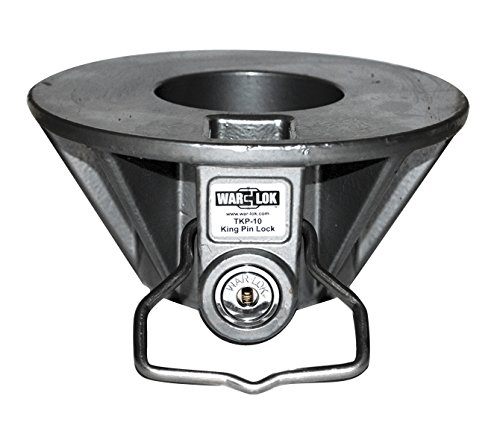
If you store a fifth‑wheel trailer untethered (dropped on a lot, parked at a property, or left at storage), your risk isn’t “someone breaks a window.” Your risk is simple: a thief shows up with a tractor, hooks up, and your trailer is gone before anyone realizes it. That’s exactly the scenario the WAR-LOK TKP-10 is built to crush.
A king pin lock works because it attacks the theft process at the earliest step: the hookup. No king pin access means no coupling. Owners describe this unit as heavy, solid steel—not the lightweight “looks tough” kind. One of the most useful real-world details from buyers is fit: people report it fitting without having to remove certain accessories like a lube plate, and fitting snugly the way you want for a security product. That matters because if a lock requires you to remove half your setup, you’ll eventually skip it.
The lock cylinder is the rotating disk style. Without getting technical, the big value here is that it’s designed to be harder to pick than basic pin-tumbler styles. But the true value is still practical: the physical cast-steel body is the barrier that makes a thief’s life difficult, especially if they’re trying to work fast and quiet.
There are two “expert” tips that separate happy owners from annoyed owners: (1) keep the cylinder maintained the way the manufacturer suggests (some lock types don’t like certain sprays), and (2) reduce grease transfer. Owners recommend a simple trick like slipping a thin plastic bag over the king pin before installing the lock, which helps keep the unit cleaner. Small habits like this prevent the lock from becoming a messy, annoying object you stop using.
One honest limitation appears in feedback: exposure. Some users wish there was a rotating cover over the keyway to protect it from moisture and debris. That’s a fair point—any lock left outdoors benefits from an extra layer of protection. Still, as a hookup-blocking device, this is one of the most direct and effective theft stoppers you can buy.
Why it’s excellent
- Stops trailer hookup – Removes the thief’s easiest path: coupling and towing away.
- Heavy cast steel build – Built to be a physical problem, not just a visual warning.
- Disk-style locking mechanism – A strong choice for resisting common picking attempts.
- Practical handling – Conical shape + handle make installation and removal straightforward.
Good to know
- Outdoor use means you should keep the cylinder protected and maintained.
- Some setups may require removing a plate or accessory for ideal fit—do a quick compatibility check first.
- Extra key ordering experiences vary; treat the included keys like gold and store backups safely.
Ideal for: fifth‑wheel owners who store trailers unattended and want a straightforward way to prevent hookup theft.
3. Ehaho 2 5/16″ Combination Coupler Lock – Keyless Security With a “Plan B”
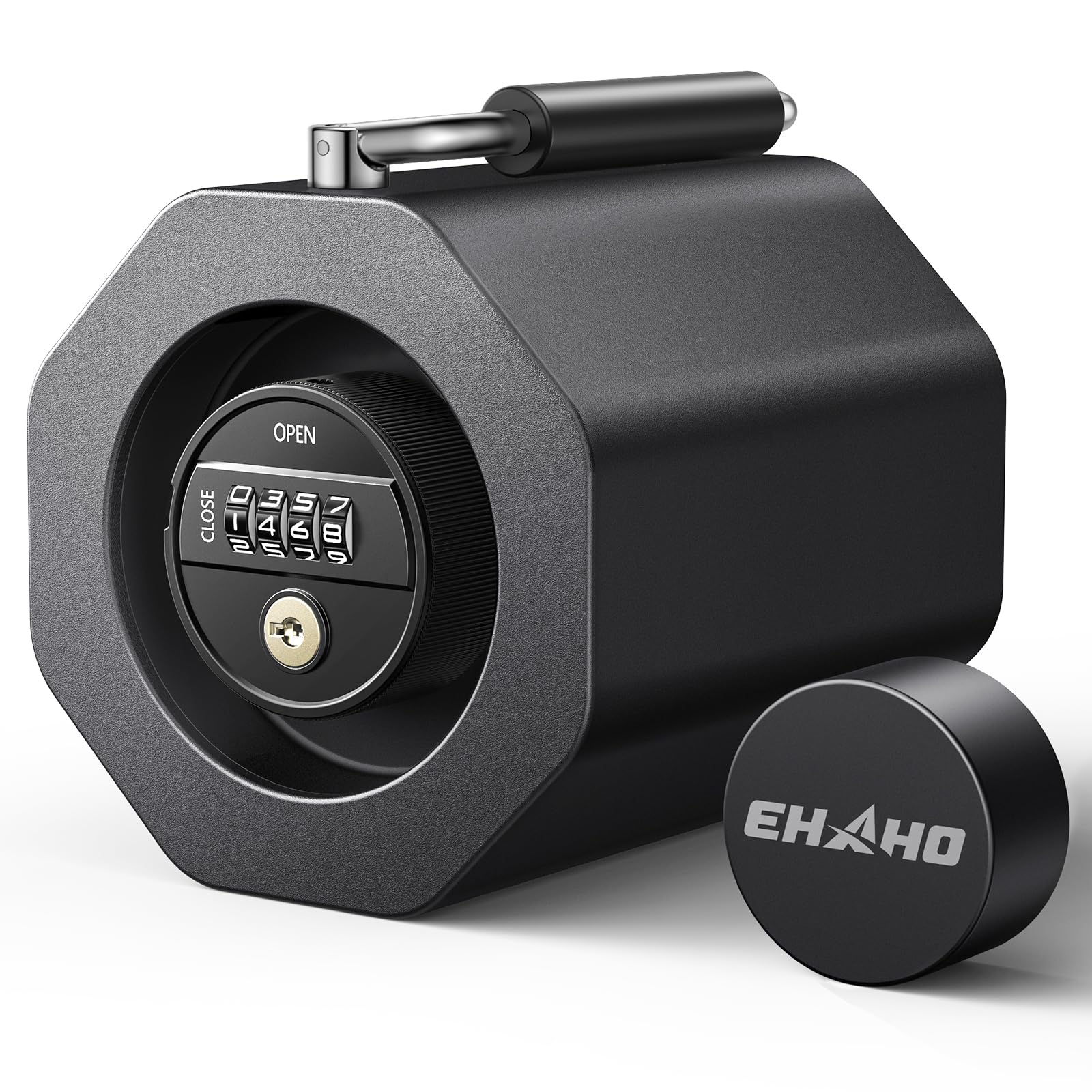
Combination coupler locks can be a dream or a nightmare. The dream is obvious: no key to lose, no key copied, no “where did I put it?” moment at the marina. The nightmare is also obvious: a dial binds, you forget a code, and now your own trailer is the one trapped. Ehaho’s approach is smart because it tries to remove the nightmare without sacrificing the convenience.
The signature feature here is the “what if I forget the code?” safety net. In addition to the combination core, Ehaho includes recovery keys and a reset tool to help you regain access and reset the code. That single design choice changes the emotional experience of owning a combo lock. Instead of living with a quiet fear of lockout, you get confidence: you can enjoy keyless use while still having a controlled way back in.
Owners consistently describe the lock as heavy, solid, and snug fitting. That snug fit matters more than most people realize: a coupler lock that wiggles is a coupler lock that gives a thief room to work. A snug lock minimizes pry space and reduces the “easy angle” that tools love. Ehaho also uses a hexagonal body design, which distributes force and makes twist-and-pry attempts less straightforward than smoother cylindrical shapes. In normal human language: it’s shaped to be annoying to attack.
For outdoor use, the weather approach is a real win. The lock is powder coated, sealed, and designed to resist rain, snow, mud, and temperature swings. That matters because coupler locks live a hard life: road grime, salt air, wet grass, freezing mornings. If a lock is going to jam, it usually jams after exposure. A sealed structure and a protective cover reduce that risk.
My expert take: this is a strong choice for people who want keyless convenience but still want a “safety rope” if memory fails. If you’re the kind of person who loses keys, or you manage multiple trailers and don’t want a key ring that looks like a janitor’s belt, this is the kind of product that makes security feel easy instead of fragile.
Why it’s a smart choice
- Keyless convenience – No keys to lose, copy, or fumble with in low light.
- Recovery + reset system – A “plan B” that reduces lockout anxiety dramatically.
- Snug, heavy build – Feels like a serious physical barrier, not a hollow shell.
- Weather-ready design – Sealed and coated for long-term outdoor use.
Good to know
- It fits 2 5/16″ couplers—confirm your exact coupler size before buying.
- Combination locks still benefit from occasional cleaning to keep dials smooth.
- You’ll want a secure place for the recovery tools—don’t store them in an obvious spot on the trailer.
Ideal for: RV, boat, and cargo trailer owners who want keyless daily use without the “one forgotten code ruins my day” fear.
4. Tevlaphee Wheel Lock Set – The “Not This Trailer” Message From Across the Lot

Wheel locks don’t win because they’re elegant. They win because they’re blunt. A trailer can be stolen in minutes if it rolls easily. A wheel clamp changes the theft from “hook and go” into a loud, awkward, time-consuming problem. And the Tevlaphee set has one major advantage that owners mention repeatedly: visibility.
That bright red-yellow color is not an aesthetic choice—it’s strategy. Theft is often opportunistic. A thief scans a lot and picks the lowest-effort target. A wheel boot screams effort, noise, and time. Owners describe the clamp as solid, heavy-duty, and confidence-inspiring. It clamps tightly, adjusts to different wheel widths, and becomes one more layer that makes someone think twice.
The most useful insight from real users is how they combine it with other layers. Wheel clamps are strongest when they’re part of a system: a coupler lock to prevent hookup, and a wheel clamp to prevent rolling. That’s a powerful “stop it at two points” strategy. If you store a trailer overnight—especially at a job site or in a city—this style of layered defense is exactly how you reduce risk.
Now for the honest part: wheel clamps are bulky. You feel their weight. You store them in the trailer or garage. That’s the trade. But for the right person, the trade is worth it because it dramatically reduces casual theft. Owners also point out something important about keys: some sets are marketed as keyed alike for convenience, but in real-world experiences, you may want to test and label keys so your routine stays smooth. A security device should remove stress, not add a daily “which key is this?” puzzle.
My expert take: if your trailer is the kind of asset you can’t afford to lose (equipment trailer, golf cart, ATV, cargo trailer, camper), a visible wheel clamp set is one of the most psychologically powerful deterrents you can deploy. It tells the thief: “This is going to take time.”
Why it’s effective
- High visibility – The color alone discourages opportunistic targeting.
- Stops rolling theft – Makes “hook and go” theft dramatically harder.
- Adjustable fit – Works across a range of wheels and vehicle types.
- Layer-friendly – Pairs perfectly with coupler locks for a strong two-point defense.
Good to know
- Bulky and heavy—best for storage use, not “carry it everywhere” convenience.
- Confirm wheel clearance and width before buying, especially for unusual rims.
- Test your keys and build a simple key routine so you’re never stuck searching.
Ideal for: trailers, golf carts, RV wheels, ATVs, and any parked asset where “can’t roll” is the strongest message you can send.
5. ARTAGO 870 – The “Warn First, Scream Second” Steering Lock With Real Presence

The ARTAGO 870 is for people who want two things at once: a mechanical barrier and a behavior-changing noise event. Where basic steering locks rely on “look tough,” this one adds an attention system—an alarm and a light alert—designed to make tampering uncomfortable fast.
The most interesting design choice is the pre-alarm warning feature. In practice, that means the lock can give a warning signal at the “something is messing with me” stage, before escalating into the full 120 dB alarm if the attack continues. That’s a smart approach because real-world environments are messy: a careless bump, a shopping cart, a curious kid. Too-sensitive alarms teach everyone to ignore alarms. A warning-first approach helps keep the full alarm meaningful.
Another important detail is how the lock is intended to be positioned: around a steering wheel spoke. This matters because it changes the way a thief would have to attack it. Instead of simply cutting a portion of the wheel rim and sliding the device off, spoke-based locking can force a more complex removal. Owners who love the design often describe it as innovative and reassuring. One complaint you’ll see, though, is psychological: some users expect a steering lock to “freeze the wheel completely,” and feel disappointed if there’s still some movement. That’s why placement matters. The goal is to prevent the vehicle from being steered effectively, not to create a mathematically perfect zero-degree wheel lock.
The ARTAGO is also built like a premium product in the “daily touch” experience: rubberized surfaces to protect the wheel, a press-and-click system for quick locking without fiddling with the key in the moment, and a battery choice designed for longevity. It even leans into the idea of modular electronics—because with cheaper alarm locks, if the electronic portion fails, the whole product can become a headache.
My expert take: this is a high-confidence choice for night parking, dark garages, and high-traffic areas where attention is your friend. If you want a lock that not only blocks driving but also creates immediate consequences for tampering, this one is purpose-built for that job.
Why it stands out
- Pre-alarm warning – Helps reduce nuisance alarms while still punishing real tampering.
- Loud alarm + LED alert – Adds attention pressure in dark or quiet locations.
- Spoke-focused positioning – Can be harder to defeat than rim-only “club” styles.
- Quick lock workflow – Press & click design supports daily use without fuss.
Good to know
- Alarm devices require battery habits—replace before it dies, not after.
- Some steering movement can remain depending on placement; learn the best position on your wheel.
- Like any premium lock, it rewards practice—do 5 install/removal reps before relying on it.
Ideal for: drivers who want a premium visible lock plus an alarm layer that makes tampering noisy and risky.
6. NUOVEPE 2 5/16″ Trailer Lock – Coupler + Safety Chains in One “Armored” Move
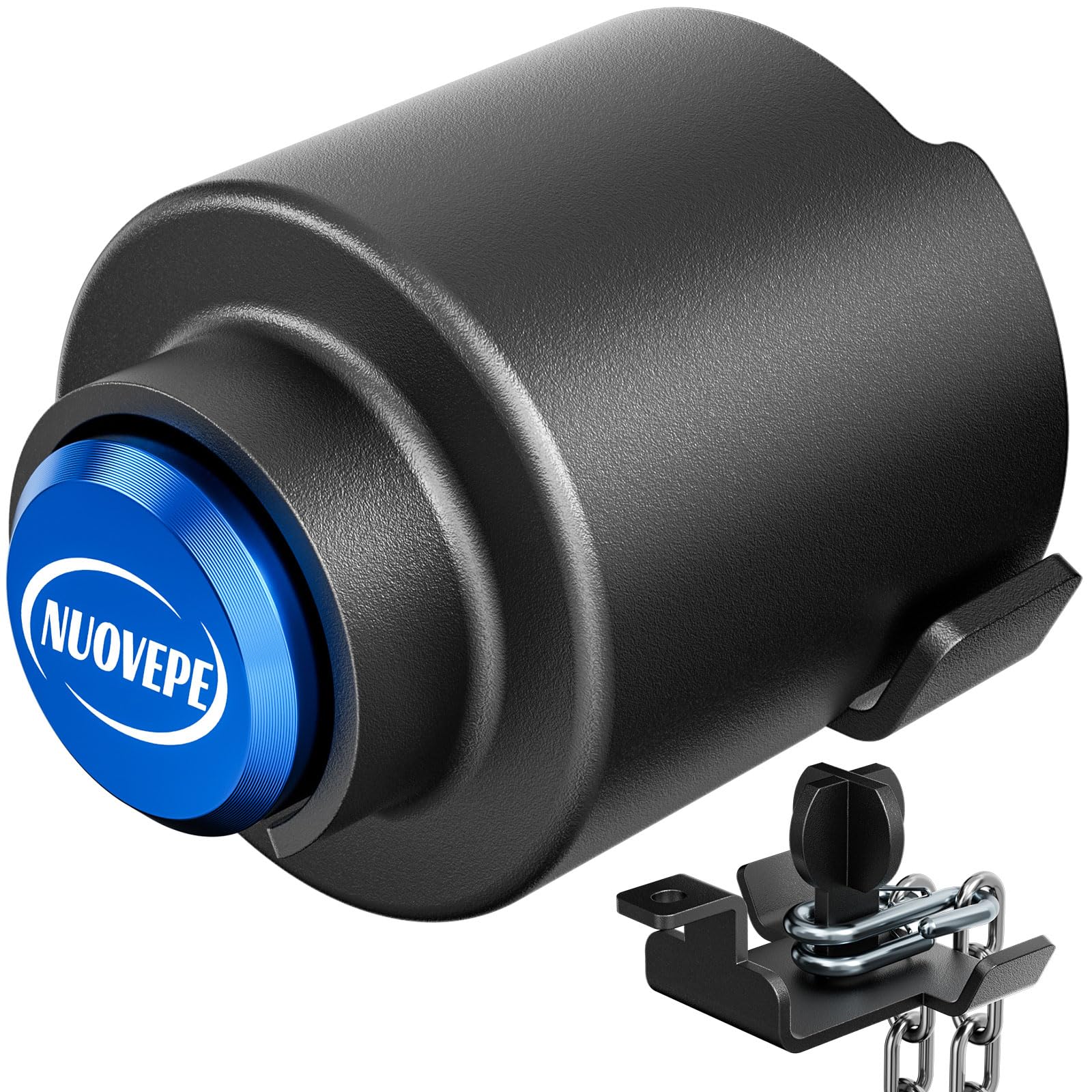
If you secure trailers in the real world—construction sites, marinas, storage lots—you already know the dirty truth: trailer theft isn’t theoretical. It’s routine. That’s why this NUOVEPE lock gets such strong “fleet” style feedback: people buy one, then come back for more.
The design idea is simple but powerful: lock the coupler, and lock the safety chains at the same time. That matters because thieves don’t always steal by doing things “properly.” If a trailer is locked at the coupler but chains are loose, there can be sloppy, opportunistic attempts to drag, pry, or brute-force movement. By capturing chain hooks inside the lock, you reduce slack and turn the entire front end into one compact, armored problem. Owners specifically mention that when their chain hooks fit inside, the lock becomes more stable and less wiggly—exactly what you want.
The lock core is described as a heavy-duty brass cylinder with anti-pick and anti-drill features, while the housing is reinforced steel. In real-life language: it’s designed to be a pain for pry bars, drills, and brute force. A major theme in reviews is weight. People call it heavy, and they mean it as praise. In security, mass often translates into durability and deterrence. There’s also a “one-click lockdown” puck-style button, which means the daily workflow is fast: push to lock, key to unlock. That’s how you get compliance in a work environment where no one wants to spend three minutes securing a trailer.
Weather resistance is another practical win. Trailer locks live outdoors, and nothing destroys “good security” like a lock that seizes in winter or corrodes after a season of salt air. A sealed core and a powder-coated finish reduce that risk and keep the lock working smoothly.
My expert take: this is one of the best “stop trailer theft at the front end” tools in the list—especially if you’re the person who needs something that can handle rough handling and still function. If you’re securing a loaded trailer, this “coupler + chain” approach is exactly the kind of layered thinking that makes theft annoying.
Why it’s jobsite-friendly
- Locks coupler + chains – Reduces slack and makes front-end theft attempts harder.
- Very heavy, very visible – Deterrent value is immediate in high-theft environments.
- Fast push-to-lock workflow – Quick daily use means it actually gets used.
- Weather-ready build – Sealed core + coated housing for outdoor durability.
Good to know
- Not all chain hooks are the same thickness—verify your hooks fit inside the lock cavity.
- Designed for 2 5/16″ couplers—confirm your coupler size before buying.
- It’s heavy by design; plan storage so it’s always with the trailer when needed.
Ideal for: contractors, marina users, and anyone securing a trailer where theft attempts are a known risk.
7. Kryptonite New York 1275 Cinch Ring – Serious Chain Protection for High‑Value Gear

Even though this guide focuses on vehicle locks, a security plan often includes “the stuff that makes your vehicle life work”: e-bikes, scooters, motorcycles, and expensive gear that can disappear while your car stays parked. That’s where a true heavy-duty chain lock belongs. The Kryptonite New York 1275 is the “serious protection” option for that job.
Owners describe it with a consistent tone: heavy, solid, confidence-inspiring. And that’s the right mindset. A chain lock that’s easy to carry often isn’t the chain lock that survives a determined attack. The New York 1275 uses hardened manganese steel links and pairs with a disc-style lock. In real-world reviews, people love the cinch-ring design because it makes a shorter chain feel more flexible: you can cinch tighter around what you’re locking to, reducing slack (and slack is what thieves love).
Another detail that matters more than marketing admits: usability in cold hands and low light. Owners praise the lock’s working clearance. Some chain/padlock systems are miserable because it’s hard to fit links into the lock body. This one gives you room to work, which means you’re more likely to lock correctly at night, in the rain, or with gloves on. That’s not a luxury—correct locking is the difference between a chain being a true barrier and being a decorative accessory.
Real-world feedback also includes a caution worth respecting: don’t force the key if the cylinder resists. A good security cylinder has tight tolerances. If it’s misaligned, forcing can break keys. The best habit is simple: keep the keyway clean, use the dust cover, and if the key resists, reset the alignment gently rather than muscling it. Owners also highlight support experiences and key programs—important if you’re investing in premium security.
My expert take: use this where it’s strongest—anchoring expensive gear to something immovable. It’s not a “throw it in your pocket” product. It’s a “leave it at your regular lock-up point” product, or carry it in a basket or bag on an e-bike. If your high-value mobility gear is part of your daily life, this is the kind of chain that makes theft feel dramatically less likely.
Why it’s worth it
- True heavy-duty construction – Built for real cut resistance, not just looks.
- Cinch-ring efficiency – Reduces slack and improves practical reach.
- Usable in real conditions – Better clearance makes locking easier in cold/dark scenarios.
- Protective sleeve + dust cover – Helps longevity and reduces gear damage.
Good to know
- It’s heavy—plan a carry strategy (basket, bag, fixed location).
- Shorter length can be limiting on very thick poles or awkward anchors.
- Don’t force keys; treat the cylinder like a precision tool.
Ideal for: e-bikes, scooters, motorcycles, and high-value mobility gear you need to lock to a fixed object.
8. The Original Unbreakable AutoLock – The Footwell Trap Thieves Hate

If you want a lock that doesn’t just look scary, but actually makes a car functionally useless, pedal locks are the sleeper MVP. And the AutoLock is one of the most well-known designs in that category for a reason: it attacks the “car must be drivable” requirement directly. If the brake or clutch can’t be depressed, the vehicle can’t be operated normally—especially in modern vehicles where pressing the brake is part of starting and shifting.
What makes the AutoLock so effective is where it lives: low in the driver’s footwell. That location changes the attacker’s comfort. A thief can’t casually “work” on it with the door closed. They need the door open, their body low, and their movement awkward. That increases exposure, time, and the chance someone notices. This is why owners who’ve experienced attempted theft often describe the lock as a true stopper: thieves may break in and ransack, but they abandon the full theft. In real-life stories, people report exactly that—cars broken into, items stolen, but the vehicle still there because the lock wasn’t defeated.
Another strong element is the installation workflow. The lock is designed to install quickly—slide into position, pull up until it locks. That self-locking behavior matters because it reduces “did I lock it?” uncertainty. When you’re heading into a store or leaving a car at airport parking, you want a security layer that doesn’t require a full mental checklist.
Now for the expert caution: fit matters a lot. Pedal locks have strict measurement requirements (pedal arm width and clearance to the floor). If you ignore that and “hope it fits,” you can end up with a lock that doesn’t lock correctly or interferes with interior trim. The AutoLock is best when you confirm fit properly and practice the install a few times so it becomes muscle memory.
My expert take: this is the lock for people who want an immobilizer that still works even if a thief can defeat your electronic layers. Keyless threats, relay-style attacks, or even someone who manages to start the car—none of that matters if the brake can’t move. If you want one hidden layer that forces thieves to give up, this is a powerful choice.
Why it’s powerful
- Immobilizes pedal control – Turns a “drive-away” theft into a mechanical problem.
- Hard to access discreetly – Footwell location increases exposure and discomfort for thieves.
- Fast self-locking install – Encourages daily use because it’s not complicated.
- Proven deterrent stories – Owners report theft attempts stopped because the car couldn’t be driven.
Good to know
- Fit requirements are strict—measure your pedal arm and floor clearance carefully.
- Less friendly for users with limited mobility due to footwell positioning.
- Key management matters—store spare keys safely and test the unlock routine early.
Ideal for: high-theft models, airport parking, and anyone who wants a hidden immobilizer layer that’s hard to defeat quickly.
9. Tevlaphee Steering Wheel Lock with Alarm – When Noise Is the Point

This Tevlaphee alarm steering lock is the kind of product people buy after they’ve had a scare. It’s designed to do two things: block steering control and create a loud, immediate consequence for tampering. In real owner feedback, you’ll see exactly why it appeals—especially among drivers of commonly targeted models. The lock is heavy, feels sturdy, and the alarm is loud enough to wake people up (sometimes even during installation if you’re not careful with battery setup).
The most valuable type of review is the “attempted theft” story, and this lock has them. Owners describe situations where thieves broke in and tried hard, even disabling the vehicle’s factory alarm by pulling a fuse, but the steering wheel lock still held. That’s an important reality check: thieves often know how to neutralize electronic alarms. A separate, independent alarm on a mechanical device adds friction they may not be ready for, and the physical barrier can stop the theft from becoming a drive-away.
This lock is also built around broad compatibility. The design claims fit across most steering wheels by using a multi-segment structure. In daily use, that flexibility matters because steering wheel thickness and spoke designs vary a lot. A lock that can adapt without feeling loose is what you want. And because the lock can be installed quickly, it’s more likely to become a habit.
Now the “expert honesty” part: any product with moving parts and an alarm introduces two types of risk—mechanical reliability and user confidence. There are reviews describing rare but painful scenarios where a lock becomes difficult to release, leading to a locksmith call. That doesn’t mean it’s “bad,” but it means you should do what smart owners do with any lock: practice unlocking, keep the mechanism clean, and never ignore early signs of binding. If a lock ever feels “off,” don’t wait until you’re rushed in the morning.
My expert take: this is a strong value choice when your priority is “make the attempt loud and annoying.” Use it as a visible deterrent layer, and pair it with a hidden layer (like a pedal lock) if your theft risk is high. That combination is where the real security wins happen.
Why people buy it
- Very loud alarm – Adds attention pressure beyond a basic bar lock.
- Heavy-duty feel – Owners describe it as solid and hard to budge.
- Quick install – Supports daily habit use instead of “only sometimes.”
- Real attempted-theft stories – Users report the lock stayed in place during attacks.
Good to know
- Alarm devices require battery awareness; weak batteries reduce the point of the product.
- As with any lock, test unlocking routinely—especially during the first week of ownership.
- Customer support experiences vary; build your own routine to avoid emergencies.
Ideal for: drivers who want a loud, highly visible deterrent—especially in neighborhoods where theft attempts happen fast and often.
10. OPSOOPI Brake Pedal Lock (V15) – The Quick Hidden Layer That Feels Serious

If you like the idea of a pedal lock but hate the idea of a complicated routine, the OPSOOPI V15 is built for you. Owners describe it as heavy, high quality, and surprisingly fast to install—often emphasizing that it doesn’t require the awkward bending and fumbling some pedal locks demand. That usability is the entire point: a hidden lock only helps if you actually put it on.
The core concept is strong: lock the brake (or clutch) so the vehicle can’t be operated normally. In a lot of modern vehicles, the brake pedal is part of the “start and shift” process, so immobilizing it blocks the easiest theft path. In manual-transmission cars, immobilizing the clutch can be even more devastating to a thief’s plan. Users mention fit being snug and effective—especially those who bought it because other clutch lock options felt cheap and beatable by comparison.
From an expert perspective, there are three real-world reasons this kind of lock works well:
- It’s not obvious from outside – A thief may only discover it after breaking in, which wastes their time.
- It’s hard to attack quietly – The footwell is cramped and forces the door open longer, increasing the chance of being noticed.
- It blocks a required function – Even if they start the car, they can’t confidently operate it.
The OPSOOPI design also includes an emergency window breaker feature. While you buy this for anti-theft, the “emergency tool” angle is a practical extra for drivers who like multi-function safety gear. Just remember: the lock’s main job is immobilization. Don’t treat it like a casual object; treat it like a security device that deserves a consistent routine.
The only consistent caution in feedback is size perception. Some people say it’s larger than expected. That’s not necessarily a downside—bulk can mean strength and cut resistance—but it does mean you should plan where it lives when not in use (passenger footwell corner, trunk side pocket, or a dedicated storage bag).
My expert take: if you want a quick, hidden layer that dramatically increases theft difficulty, this is a strong contender. Pair it with a visible steering lock if your area is theft-prone, and you’ll cover both the “don’t touch my car” and “you can’t drive it” angles.
Why it’s practical
- Fast install/remove – Owners highlight seconds-level operation with practice.
- Hidden immobilizer layer – Not easily visible from outside, which wastes thief time.
- Stainless build – Designed to resist rust and long-term wear.
- Strong “snug lock” feel – Reviewers describe it as more solid than cheaper alternatives.
Good to know
- Measure your pedal dimensions and clearance to confirm fit.
- Some vehicles may allow slight pedal movement; that can be normal and still effective.
- Plan storage space—this is compact, but not tiny.
Ideal for: commuters and enthusiasts who want a fast, hidden immobilizer layer without the “complicated security ritual.”
11. Tevlaphee 5-Dial Combination Steering Lock – Keyless Convenience With a Reality Check

Combination steering locks exist because modern driving has changed: many people don’t use a physical key to start their car anymore. So carrying a separate key just for a steering lock feels annoying. This Tevlaphee 5-dial lock is built for that exact mindset: set a code, lock it in seconds, unlock it in seconds—no key ring clutter.
Owners who love it describe the best parts clearly: large, readable numbers; quick lock/unlock times; and a sturdy build that feels like a real deterrent. That “readability” detail matters more than it sounds. If you’ve ever stood in a dark lot squinting at tiny dials, you know exactly why large digits can make a lock feel more user-friendly and therefore more likely to be used consistently.
The extendable/retractable form factor is also practical. It gives you flexibility across steering wheel sizes and spoke layouts. That matters because a lock that fits poorly becomes either loose (bad deterrent) or frustrating (you stop using it). When it fits well, a bar-style lock creates a very visible obstacle that thieves often avoid—especially if they’re looking for a “quick win.”
Now the critical expert “reality check”: combination mechanisms live or die by build quality. And in real-world reviews, you’ll occasionally see the nightmare scenario—dials that bind or a lock that becomes difficult to open, leading to a forced removal. That’s rare, but it’s real enough to treat with respect. If you buy a combination steering lock, do these three things:
- Do a one-week “confidence test” – Lock/unlock it multiple times daily so you trust it before relying on it.
- Keep the dials clean – Dirt and grit are the enemies of smooth combination operation.
- Never rush the unlock – If a dial feels stuck, reset and try again calmly rather than forcing.
My expert take: this is a strong convenience choice for people who hate extra keys, but it’s not a “set and forget” device. Treat it like a precision mechanism, build a small routine, and it can be a very satisfying daily deterrent. If your theft risk is high, pair it with a pedal lock so you have a hidden immobilizer even if a steering device is targeted.
Why it’s appealing
- No keys required – Perfect for push-button start drivers.
- Large dials – Easier to use quickly in real parking conditions.
- Fast daily workflow – Quick on/off routine supports consistent use.
- Visible deterrent – Bar-style presence tells thieves “this takes time.”
Good to know
- Combination locks require clean, smooth dials—grit can cause binding over time.
- Do a confidence-testing week early to avoid surprises later.
- As with all steering locks, it’s strongest as a visible layer paired with a hidden immobilizer.
Ideal for: drivers who want a keyless steering deterrent and are willing to build a quick “smooth operation” habit.
12. Tevlaphee Steering Wheel + Brake Lock – Strong When It Fits, Incredible When It Does

If you like the idea of “one device that creates two problems,” steering-to-pedal locks are the power move. They physically tie steering control to pedal control. In simple terms: you can’t steer normally, and you can’t operate the brake/clutch normally. That combination forces a thief into a worst-case scenario: even if they get in, even if they start the car, it’s hard to drive away.
Owners who love this Tevlaphee device describe it as solid, well-built, and a strong deterrent layer—especially after experiencing theft or attempted theft. They also highlight practical details: padded contact points to reduce steering wheel scuffs, quick setup once you know your routine, and a sturdy feel that makes it hard to dismiss as “toy security.”
Now for the critical expert perspective: compatibility is everything with this category. Some vehicles have steering columns angled in a way that prevents a straight-line lock path between wheel and pedal. That means a device can be long enough and still not fit. In real-world feedback, you’ll see exactly that: it can work beautifully on one vehicle (large truck steering geometry, certain sedans), then fail on another because the steering column blocks the line. So, if you want this style, do a real fit visualization first:
- Look at the top of your brake pedal and the bottom of your steering wheel rim.
- Imagine a straight bar between them.
- If the steering column sits in the way, the device may require uncomfortable steering wheel height adjustments or simply won’t work.
Key quality is another factor owners mention. Some users worry about flimsy-feeling keys. That doesn’t necessarily mean the lock is weak, but it does mean you should treat the key like part of your security system: don’t force it, store backups, and keep the cylinder clean so you’re never dealing with a snapped key in the footwell.
My expert take: when this device fits your vehicle geometry, it’s one of the most “thief-annoying” locks you can deploy. It adds complexity, time, and awkwardness to every theft attempt. But it’s not truly universal, so treat fit as a non-negotiable pre-check.
Why it can be excellent
- Two-point immobilization – Steering and pedal control are compromised together.
- Highly visible – Looks like “work” to any thief scouting targets.
- Adjustable range – Telescopic design helps fit many wheel/pedal distances.
- Wheel protection – Includes padding/tapes to reduce steering wheel marks.
Good to know
- Not universal in practice—vehicle steering column geometry can block the lock path.
- Heavier device; best for users comfortable handling solid hardware.
- Key feel concerns show up in reviews—handle keys gently and keep backups safe.
Ideal for: drivers whose vehicles support the straight lock path and who want a “one device, two problems” anti-theft strategy.
13. Tevlaphee 4-Hook Steering Wheel Lock – Classic Deterrence With a Fast Close

Sometimes the best security tool is the one that feels like the “old school” answer—because thieves often plan around modern electronic shortcuts. A heavy, physical steering lock forces the problem back into the world of time and tools. This Tevlaphee 4-hook design leans into that: multiple hooks, twin bars, and a solid “club-like” presence that owners describe as heavy and sturdy.
The daily workflow matters here. A key pain point with many steering locks is that they require the key to both open and close. That means extra fiddling when you’re trying to lock quickly. This one is designed so you can install it (expand and lock it in place) without using the key, then use the key only to remove it. That tiny design choice makes people more likely to use it every day—because it removes friction.
Owners also consistently like the visibility and the protective coating. A steering lock should not destroy your steering wheel over time. A plastic-dipped or padded surface reduces scratches and scuffs, which matters if you’re planning to use it for months or years. Real users describe their locks holding up well over time and still working smoothly after long use.
There’s one important real-world caveat worth treating seriously: key variation overlap. In mass-produced keyed products, sometimes different locks can be opened with similar keys (rare, but reported). That doesn’t automatically make the lock worthless—most thieves are not walking around with a pocket of random keys for this exact lock. But it does change how you should use it: treat it as a deterrent layer and don’t rely on it alone if your car is a high-value targeted asset. If your risk is high, pair it with a pedal lock (like AutoLock or OPSOOPI) so even if a steering lock is compromised, the vehicle still can’t be driven.
My expert take: this is a strong “daily visual barrier” choice that’s easy to close quickly, and it’s a great fit for average-risk situations. For higher-risk situations, it becomes even better as the visible layer in a two-layer plan.
Why it works
- Fast close routine – Install without key reduces daily hassle.
- Heavy, visible deterrent – Looks like effort and time from outside the car.
- Protective coating – Helps prevent steering wheel damage during repeated use.
- Good “layer 1” tool – Excellent as the visible deterrent in a layered setup.
Good to know
- Key uniqueness concerns appear in some feedback; treat it as deterrence, not invincibility.
- It’s heavier than minimalist locks—plan where it lives in the car when not in use.
- Best paired with a pedal lock if your vehicle is a common theft target.
Ideal for: drivers who want a simple, heavy, visible steering lock with a quick daily install routine.
14. KAYCENTOP Steering Wheel + Seatbelt Lock – Small, Clever, and Surprisingly Practical

If you’ve ever thought “I want a lock, but I don’t want my car to look like a construction site,” this is your style. The KAYCENTOP seatbelt steering lock is designed to be compact enough to live in your center console—meaning you actually carry it with you. That’s a bigger advantage than it sounds. A lock left at home is a lock that never protects you.
The concept is clever: it locks your steering wheel to your seat belt buckle system, creating a visible barrier that makes quick steering control difficult. Owners who like it often compare it favorably to bulkier bar locks because it’s less cumbersome and easier to store. The cable loops through itself around the steering wheel, and there’s a protective cover over the seat belt connector area. That cover matters because the obvious “defeat” idea is “cut the seat belt.” A cover doesn’t make cutting impossible, but it makes it less quick and less clean. Security is about slowing and complicating.
This lock also shines in “non-home” scenarios: rentals, valet parking, travel, parking in unfamiliar areas, quick stops, or situations where you want something visible without hauling a heavy bar. It’s also marketed as multi-functional—people use it to secure a bag to the seat as a theft deterrent. That’s not a replacement for real bag security, but it’s a practical extra when you’re running errands.
The most important real-world insight is compatibility. Some owners report it not fitting older vehicles due to differences in seat belt buckle shape. That’s not surprising—car hardware standards evolve. The lock may work perfectly in a newer car and fail in an older model. So, if your vehicle is older, treat fit as your first check: look at your buckle shape and compare it to the lock’s connector design expectations.
My expert take: this is not the lock you buy as your only layer for a high-theft vehicle parked overnight in a hot zone. This is the lock you buy because you want a compact, practical, always-with-you deterrent. And in real security planning, that’s powerful: consistent use beats occasional “perfect” use.
Why it’s useful
- Ultra-compact – Fits in many center consoles for everyday carry.
- Fast and intuitive – Works like a “seat belt routine,” easy to learn quickly.
- Visible deterrent – Bright cover helps it be seen, not hidden.
- Great for travel – Ideal for rentals, valet, and unfamiliar parking areas.
Good to know
- Not truly universal—older seat belt buckles may not be compatible.
- Best as a deterrent layer, not a sole high-security solution.
- Keyed lock means you must protect keys carefully; no spare keys are typically held.
Ideal for: travelers, renters, and daily drivers who want a compact deterrent that’s easy to carry and use consistently.
15. SURDOCA Steering Wheel Lock – Quick, Visible, and Better Than “Nothing” Every Time
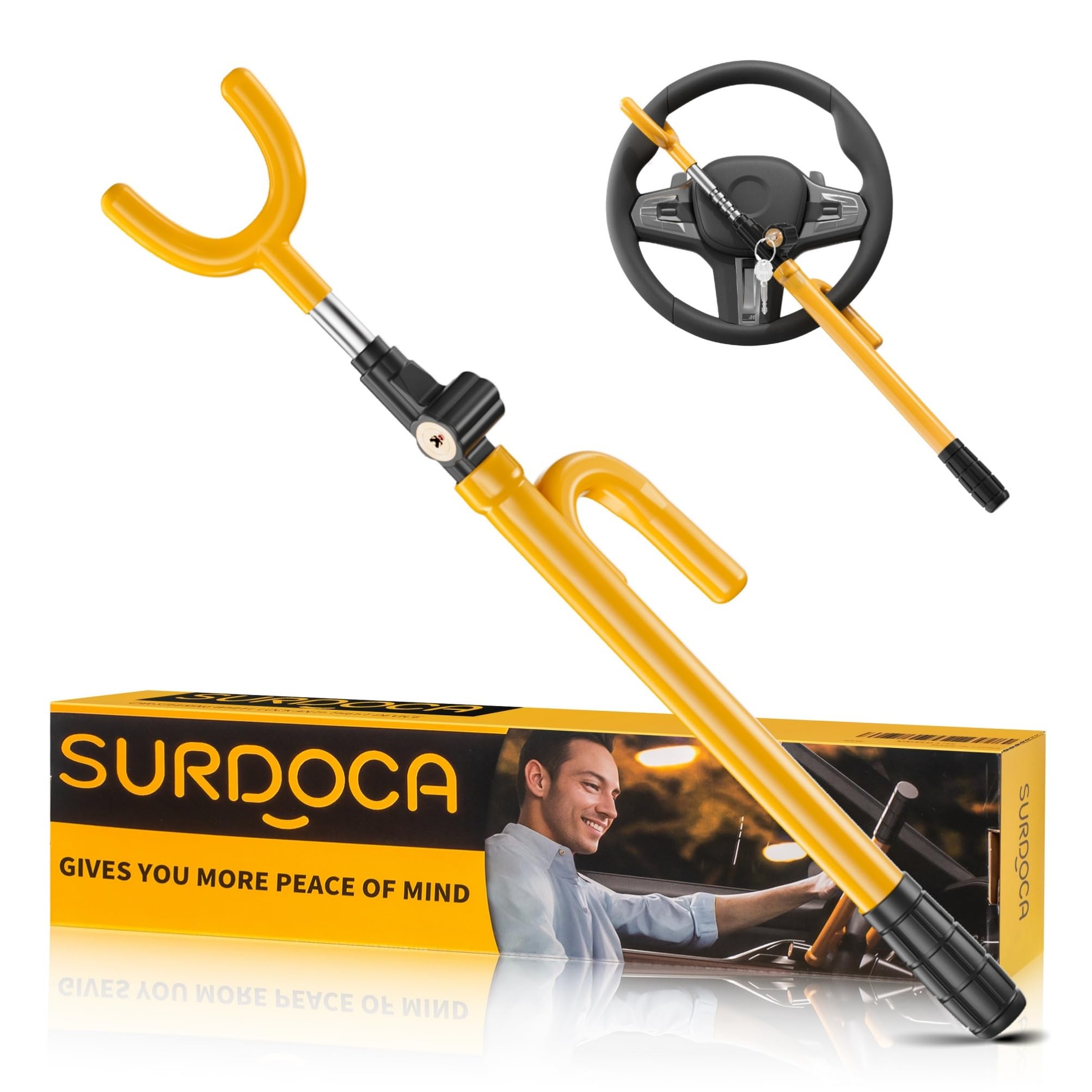
Not every lock needs to be a tank to be useful. Sometimes you need a fast, visible deterrent that you’ll actually use. That’s where the SURDOCA steering lock fits: it’s designed for quick installation, adjustable length, and a bright finish that says “this car takes effort.” Owners describe it as sturdy, easy to use, and a strong value for what it is.
The rubber protection details matter. Steering wheels are expensive to replace and annoying to damage. A lock that grips securely while staying wheel-friendly is a better long-term partner. Users also highlight the simplicity: lock in seconds, unlock easily with keys, and store without fuss. This is the kind of product that becomes a habit precisely because it’s not complicated.
From an expert perspective, think of this as a “baseline layer.” It’s an immediate improvement over doing nothing, and it adds visible friction that deters opportunistic theft. It’s also useful for non-car applications like golf carts, which shows the real-life flexibility of adjustable steering locks.
That said, be honest about risk. A basic steering lock is most effective when:
- you park in average-risk environments,
- you want a visual signal that your car isn’t the easiest target, and
- you combine it with at least one additional security habit (good lighting, smart parking, no valuables visible).
If you’re in a high-theft area, use this as the visible layer and add a pedal immobilizer as the hidden layer. That’s the move that turns “deterrence” into “real difficulty.”
Why it’s a good baseline
- Fast to use – Encourages consistency, which is the real security multiplier.
- Bright and visible – Makes your car look like effort from outside.
- Wheel-safe grip – Rubber sleeves help prevent scratches.
- Flexible compatibility – Works across many steering wheel sizes and even non-car vehicles.
Good to know
- Best as a deterrent layer, not a standalone solution for high-risk theft scenarios.
- Keyed lock requires key care—keep a backup key stored safely.
- Placement matters; position it to be clearly visible through the window.
Ideal for: drivers who want a quick, visible deterrent that’s easy to use daily, and a perfect “layer one” in a layered plan.
How Anti-Theft Locks Actually Stop Theft (and What Makes One “Hard to Beat”)
Mechanical locks don’t “win” by being magical. They win by changing the thief’s environment: more time, more noise, more awkward angles, more visible exposure, and more uncertainty about whether it’s worth continuing. The best locks are the ones that weaponize inconvenience.
What makes a lock truly effective in real life
- It attacks movement – Steering control, pedal control, rolling ability, or trailer hookup. If the asset can’t move, theft becomes much harder.
- It minimizes pry points – Less exposed “lip” means less leverage for common tools.
- It protects the lock core – A great cylinder is wasted if it’s exposed and easy to attack directly.
- It’s visible (when visibility matters) – A thief choosing targets often avoids the one that looks annoying.
- It’s usable daily – A lock that stays in your trunk is not part of your security plan.
- It stays reliable in weather – Rust, grit, freezing moisture, and corrosion are the enemies of long-term trust.
This is why a broad-coverage steering lock can outperform a “stronger” lock that’s inconvenient. It’s also why pedal locks like AutoLock can be brutally effective: they force an attacker to work in the most awkward place possible.
Habits that multiply your lock’s security power
- Make the lock visible – Rotate the steering lock so it’s obvious through the window.
- Park like you’re defending the car – Well-lit, high-traffic areas reduce attack time and privacy.
- Use two layers when risk is high – Visible steering lock + hidden pedal lock is a very strong combo.
- Don’t gift leverage – Position devices so there’s less room for tools to bite and less stable angles for a thief to work.
- Build a “no surprises” routine – Test unlocks early, keep keys safe, and clean mechanisms before they become stiff.
Security isn’t one product. It’s the system you build around your life. The best locks reduce your stress because your habits make them feel effortless.
FAQ: Car Locks, Trailer Locks, and What Actually Matters
What’s the single best lock type for stopping drive-away theft?
Do steering wheel locks actually work, or are they just “for show”?
Should I choose a key lock or a combination lock?
What’s the best way to secure a trailer parked overnight?
Why do some people say “universal fit” locks don’t fit their car?
Can I rely on a loud alarm lock instead of a mechanical immobilizer?
How do I avoid the nightmare scenario of a lock getting stuck?
What if I want one purchase that covers multiple things I own?
Final Thoughts: Pick the Lock You’ll Actually Use (Then Add One Smart Layer)
The best security purchase is the one you still love when it’s raining, you’re tired, and you just want to get inside. That’s why this guide focused on the real friction points—fit, reliability, habit-friendliness—not just marketing claims.
Here’s the simplest way to translate this list into the right buy:
- Want the best “daily routine” steering deterrent? Start with the Defender Pro. It’s built to be used consistently without tearing up your steering wheel.
- Need a hidden immobilizer that makes drive-away theft miserable? Choose the Original Unbreakable AutoLock or the faster daily option OPSOOPI V15.
- Want an alarm layer that makes tampering loud? Go with ARTAGO 870 or the value-friendly option Tevlaphee Alarm Steering Lock.
- Securing a trailer with a 2 5/16″ coupler? Pick a purpose-built coupler lock like Ehaho (for keyless convenience + recovery) or NUOVEPE (if you want coupler + chain security together).
- Storing a 5th wheel trailer untethered? Use a king pin lock like WAR-LOK TKP-10. That blocks the hookup itself.
- Want a “can’t roll it away” visual wall? Add a wheel clamp set like Tevlaphee Wheel Locks. It’s especially strong paired with a coupler lock.
- Protecting an e-bike or scooter? Use a real chain like Kryptonite New York 1275 at your regular lock location.
- Want something compact for travel, rentals, or quick stops? Consider the console-storable KAYCENTOP.
At the end of the day, the right choice is the one that matches your risk and your routine. Pick the best anti theft car lock for how you actually park, tow, and travel—and if theft risk is real in your area, add one smart second layer so your vehicle becomes the target that thieves regret choosing.