
Our readers keep the lights on and the garage heater humming. As an Amazon Associate, I earn from qualifying purchases.
Rust doesn’t announce itself with a siren. It whispers. A little orange haze on a bolt head. A flaky edge on a bracket. Then one winter later, that “tiny spot” becomes the kind of crust that snaps brake-line clips, eats pinch welds, and turns perfectly good underbodies into “maybe next year” projects.
And here’s the part most people miss: modern road salt isn’t just salt anymore. Brine sprays, de-icing blends, humid coastal air, and grime-packed slush create a conductive soup that crawls into seams, sits behind plastic liners, and quietly attacks from the inside out. That’s why the smartest move isn’t buying a random spray—it’s building a repeatable, zone-by-zone plan with the best corrosion inhibitor for cars for your climate and driving habits.
Most buying guides stop at “this one is thick” or “that one is non-sticky.” Cute… but useless. Real corrosion protection is about film behavior (hard vs soft), creep (does it wick into seams or sit on top?), wash-off resistance (pressure washer proof or not?), and electrical safety (dielectric matters more than marketing).
This guide is built from the patterns that show up again and again in real-world ownership: what people love after a salty season, what they complain about after a messy application, and what actually holds up when water, vibration, and grime do their worst. By the end, you’ll know exactly what to buy—and how to apply it so it actually works.
In this article
How to Choose a Corrosion Inhibitor That Actually Works on Cars
Before we talk brands, we need to talk reality: your undercarriage is not one flat surface. It’s a maze of seams, overlaps, spot-weld flanges, clips, brackets, lines, and mixed metals. The “right” pick is the one that matches your rust zones, your patience level, and your application tools—because that’s how you land on the best corrosion inhibitor for cars for you, not just whatever is trending.
1. Start with your “corrosion profile” (this decides everything)
Corrosion happens fastest when moisture + oxygen + an electrolyte (salt/brine) live together on metal. Your job is to break that triangle with a protective film. To pick the right film, be honest about your conditions:
- Salt-belt daily driver: You need a product that survives spray, slush, and frequent rinsing—and ideally creeps into seams.
- Coastal air / marine exposure: Salt is airborne. You need strong barrier behavior and excellent moisture displacement, especially around fasteners and electrical connectors.
- Garage queen / seasonal storage: Condensation is the enemy. A long-term indoor inhibitor can prevent the “patina of rust” that forms even when the car never moves.
- Older vehicle with existing surface rust: You want something that can penetrate and slow corrosion, not just sit on top like paint.
2. Use a simple “Rust Map” (4 zones that make buying easy)
Here’s the framework that keeps you from overbuying (or under-protecting):
- Zone A – Direct blast: wheel wells, rocker edges, behind tires, leading edges of control arms. Needs higher durability and/or easy reapplication.
- Zone B – Sheltered underside: subframes, floor pans, crossmembers. Durable films and waxy barriers shine here.
- Zone C – Seams & cavities: pinch weld seams, overlap joints, behind plastic liners, inside brackets. You need creep and capillary action.
- Zone D – Electrical & mixed-metal: battery terminals, grounds, connectors, sensor plugs, trailer wiring. You need dielectric protection and precision application.
3. Choose a film type (this matters more than “suction power”-style specs)
Different products win in different zones because of how they behave after application:
- Hard wax / cosmoline-style films: cure into a waxy barrier that resists wash-off. Great for Zone B, good for Zone A if rock impacts are limited.
- Soft self-healing oils & gels: stay active, creep into seams, and “self-heal” after light disturbance. Great for Zone C and many Zone A/B areas, but may hold dust if applied too thick.
- Dielectric thin films: moisture-displacing coatings designed to protect electronics and prevent galvanic corrosion between dissimilar metals. Perfect for Zone D and sensitive areas.
- Tack-free clear protectants: tend to dry clean and are nice for engine bays, visible hardware, and light-duty protection—especially where you don’t want a sticky surface.
4. Your application method can make a great product feel “bad”
A surprising number of negative reviews aren’t about chemistry—they’re about delivery. Match the packaging to the job:
- Aerosols: fastest for brackets, seams, and touch-ups. Also easiest to overspray, so aim carefully.
- Trigger sprays: best control near connectors, battery terminals, and under-hood wiring.
- Gallon jugs: best value if you’re doing an entire undercarriage, multiple vehicles, or a yearly routine. Requires a sprayer or dedicated application tool.
5. Prep steps that multiply results (and prevent “it didn’t work”)
You do not need a perfect concours prep—but you do need the basics:
- De-salt first: rinse the underside and wheel wells thoroughly. Salt trapped under a film can keep working.
- Dry matters: water in seams can dilute or block adhesion. A dry day (or a long drive) helps.
- Target smart: avoid brake rotors, pads, belts, and hot exhaust sections.
- Two-pass approach: hit seams and hardware first (precision), then broad surfaces second (coverage).
Quick Comparison: 13 Best Corrosion Inhibitor For Cars Picks
These are organized in a practical “buying journey” order: start with full-car strategies, then move into specialized formulas for seams, electronics, and storage.
On smaller screens, swipe or scroll sideways to see the full table.
| Model | Type | Best For | Key Feature | Amazon |
|---|---|---|---|---|
| Corrosion Free Rust Cure Formula 3000 (1 Gallon) | Undercoating | Full undercarriage plan | No-drip, clear, self-healing feel | Amazon |
| CorrosionX Heavy Duty (1 Gallon) | Pro Bulk | Harsh salt & marine-style abuse | Dripless, self-healing barrier | Amazon |
| CorrosionX Heavy Duty (3-Pack, 12oz) | Aerosol | DIY seasonal spraying | Same HD film in easy cans | Amazon |
| CorrosionX Heavy Duty (12oz Aerosol) | Aerosol | Spot jobs & tight areas | Thick cling, strong sealing | Amazon |
| CRC 06026 Heavy Duty Corrosion Inhibitor (4-Pack) | Aerosol | Salt spray & humidity | Flexible wax-like barrier | Amazon |
| CorrosionX Extended Duty (16oz Aerosol) | Aerosol | Splash zones & hardware | Thicker FTFC film, weather resistant | Amazon |
| CorrosionX Rust Inhibitor (1 Gallon) | Bulk Dielectric | Multi-car households | Ultra-thin film + penetrating action | Amazon |
| CorrosionX Rust Inhibitor (16oz Aerosol) | Aerosol | Crevices & connectors | High-dielectric thin film | Amazon |
| CorrosionX Rust Inhibitor (4oz Trigger Spray) | Precision | Battery terminals & sensors | Controlled application, less overspray | Amazon |
| WD-40 Specialist Corrosion Inhibitor (6-Pack) | Aerosol | Routine maintenance | Long-term protection, straw for precision | Amazon |
| STAR BRITE Ultimate Corrosion Blocker (22oz) | Non-Aerosol | Clean, tack-free finish | PTEF-style polymers, non-conductive | Amazon |
| CorrosionX Aviation (16oz Aerosol) | Aerosol | Seams, joints, hidden moisture | Designed to creep into tight seams | Amazon |
| CRC SP-350 Corrosion Inhibitor (10oz Aerosol) | Indoor | Storage & shop protection | Thin non-drying film, long indoor life | Amazon |
In‑Depth Reviews: 13 Best Corrosion Inhibitor For Cars Options Ranked by Real‑World Use
Instead of repeating labels like “industrial” and “marine-grade,” this section explains what each product actually does once it’s on your car: how it spreads, where it holds up, where it’s messy, and how owners get the best results with the least frustration.
1. Corrosion Free Rust Cure Formula 3000 (1 Gallon) – The “Whole Undercarriage” Plan

If your goal is simple—“I want my undercarriage to last”—this is the most car-native strategy in the entire list. Formula 3000 is built for the exact spots where vehicles rot: seams, joints, hidden cavities, and the long runs of brake/fuel lines that love to trap salty grime.
What owners keep coming back to is the behavior, not the buzzwords: it clings, it creeps, it stays soft enough to self-heal, and it’s not the classic “drip for days and stink for weeks” experience people associate with older-style oil undercoats. That matters, because real rustproofing isn’t a one-time event—it’s something you’re more likely to do again if it doesn’t turn your driveway into a crime scene.
The practical win is how it supports a two-step workflow: spray broad underbody surfaces for coverage, then focus the remainder on seams, brackets, and line junctions where corrosion begins. If you’re the kind of person who wants one product to become a yearly ritual, this is the easiest product here to build that ritual around.
Why it’s the top pick
- Built for vehicle underbodies: seams, joints, brackets, and lines are the main targets.
- Self-healing mindset: a soft, “active” film keeps protecting even after light disturbance.
- Clean application feel: far less “undercoating drama” than many traditional sprays.
- Great foundation product: pairs well with a dedicated electrical protectant.
Good to know
- Works best with an undercoating sprayer or proper application tool.
- You still need to avoid brakes, belts, and hot exhaust zones.
Ideal for: Anyone who drives in winter salt or coastal humidity and wants a straightforward, repeatable “protect the whole underside” routine.
2. CorrosionX Heavy Duty (1 Gallon) – The Thick, Dripless “Stay Put” Barrier

Heavy Duty is the “I’m not playing around” option. This is the product you reach for when your reality involves harsh exposure: salted winter highways, coastal air, frequent washdowns, or equipment-style use where thin sprays disappear too quickly.
What makes HD feel different in real application is its film thickness and cling. Owners repeatedly describe it as something you spread as much as you spray—because a quick mist doesn’t always give a uniform coat. When you apply it like a coating (not like perfume), it settles into a tough, protective layer that stays flexible instead of cracking the way many waxy sprays can.
Here’s the expert move: treat HD like “armor for the big stuff.” Use it on subframes, crossmembers, heavy brackets, exposed fasteners, and the kinds of steel surfaces that get hammered by spray. Then use a thin dielectric product for sensitive connectors. That division of labor is how you get a professional result without turning your entire vehicle into a sticky dust magnet.
Why it’s a beast
- Dripless nature: thicker barrier stays where you put it.
- Self-healing concept: remains active instead of curing brittle.
- Excellent “blast-zone” confidence: ideal where road spray is constant.
- Bulk format: makes sense for full underbody coverage and repeat seasons.
Good to know
- Can look uneven if you don’t spread it—many owners use a glove or brush for final leveling.
- Thick films can hold dust if over-applied in high-dirt areas.
Ideal for: Salt-belt and coastal drivers who want maximum staying power, plus DIYers treating multiple vehicles or doing full undercarriage coverage.
3. CorrosionX Heavy Duty (3-Pack, 12oz) – The Seasonal “Cans in the Garage” Strategy

Same chemistry as the gallon—different lifestyle. The 3-pack is for people who want the Heavy Duty protection without committing to sprayers, wands, and a full “Saturday undercoating workshop.”
The real advantage is behavioral: you’ll actually use it. You can keep one can for fall prep, one for mid-winter touch-ups, and one for spring maintenance after a deep rinse. That schedule matters because your car’s most vulnerable moments aren’t just “winter” in general—it’s the first brine storm, the slush weeks, and the thaw cycles where moisture lives everywhere.
Application tip that owners learn fast: spray HD in layers. A heavy single pass can look foamy or uneven; two lighter passes, with a quick spread on big surfaces (glove/cloth), looks cleaner and wastes less product.
Why it’s practical
- Best HD format for most DIYers: easy to store, easy to grab.
- Great for maintenance schedules: encourages reapplication where it matters.
- No special tools required: just prep, spray, and patience.
- Perfect for “rust hotspots”: brackets, seams, exposed hardware, and known trouble areas.
Good to know
- Aerosols can overspray—use cardboard shields around brakes and exhaust.
- Like most thick sprays, coverage quality depends on technique more than brand.
Ideal for: DIYers who want Heavy Duty protection in a simple seasonal plan—no sprayers, no bulk decanting.
4. CorrosionX Heavy Duty (12oz Aerosol) – The “Fix the Rust Hotspot” Can

Sometimes you don’t need an entire underbody program—you need a problem solver. This is the can you buy when you’ve spotted early surface rust on bracket edges, exposed fasteners, tow points, hitch hardware, or those little lap joints that like to turn orange first.
The reason Heavy Duty is strong for spot work is how it behaves on vertical surfaces. Thin sprays tend to migrate away or evaporate into “nothing.” HD clings. And when you re-check the area weeks later, you often still see a protective film rather than a dry, forgotten residue.
Best practice: do a quick rinse, let the metal dry, hit the seam/joint line first (where moisture hides), then coat surrounding metal. You’re not painting; you’re sealing. That small technique change is what separates “it worked!” from “rust came back.”
Why it’s worth having
- Excellent cling: great for vertical brackets and exposed hardware.
- Sealing behavior: ideal for lap joints and seam edges.
- Good “hotspot insurance”: perfect for quick prevention before rust spreads.
Good to know
- Thick products apply best in controlled, lighter layers.
- Not the cleanest choice for visible cosmetic areas (use a tack-free product for that).
Ideal for: Targeted protection—underside hotspots, brackets, hitch gear, and exposed fasteners that need thick, staying power.
5. CRC 06026 Heavy Duty Corrosion Inhibitor (4-Pack) – The Flexible Wax Barrier

CRC 06026 is the “wax-film crowd” favorite because it behaves like a classic corrosion barrier: spray it, let the carrier flash off, and you’re left with a protective layer designed to resist salt spray and humidity.
The real-world vibe is “cosmoline-like” protection—meaning it can be ugly during the first phase (amber tone, odor, and that freshly coated look), but it settles into a film that can last through serious exposure. People who use it on frames and undercarriages often love one key trait: it doesn’t wash away easily. If your routine includes pressure washing after salty trips, this characteristic can be the difference between protection that stays and protection that disappears.
The trade-off is the same trade-off with most wax films: they can chip if hammered by heavy debris impacts, and they don’t “self-heal” the way soft oil/gel films can. That’s why the best way to use CRC 06026 is as a Zone B champion: subframe rails, crossmembers, hardware, and sheltered underbody areas. For direct-blast rock zones, you may prefer a self-healing film.
Why it’s a classic
- Durable wax-style barrier: excellent against salt spray and humidity.
- Great for undercarriage hardware: brackets, fasteners, linkages, and rails.
- Holds up to rinsing: a big win for regular underbody washing.
- Pack format: enough product to do a meaningful job, not just a tiny touch-up.
Good to know
- Can look amber at first (some owners joke it “looks like rust” until it settles).
- Wax films can chip from rock strikes; best used where impacts are limited.
Ideal for: Drivers who want a wax-style barrier that resists wash-off, especially for sheltered underbody zones and hardware.
6. CorrosionX Extended Duty (16oz Aerosol) – Thicker Film for Splash Zones

Extended Duty is the middle ground many car owners end up loving: thicker and more weather-resistant than ultra-thin sprays, but not as “coating-like” as heavy-duty formulas. That makes it especially useful in the real-world spots cars suffer most: underbody brackets, exposed fasteners, splash-prone seams, and the hardware that gets damp every time you drive in rain.
The standout trait is film discipline. When applied correctly, it creates a durable layer that doesn’t harden into a brittle shell and doesn’t turn into a gooey mess either. It’s the kind of product that works well for the person who wants a strong, persistent barrier—but still wants to keep applications relatively quick and clean.
A recurring owner tip: if your nozzle or spray pattern starts acting weird (it happens with thicker aerosols), don’t rage-quit the product. Decant to a small container and apply with a brush or cloth for seam lines and bolt heads. That technique turns a “spray problem” into a “precision win.”
Why it’s a sweet spot
- Thicker weather resistance: great for splash and humidity-prone areas.
- Self-healing mindset: designed to stay active rather than crack like wax.
- Versatile: works for undercarriage hardware and many non-cosmetic surfaces.
- Great maintenance product: strong enough for real protection, convenient enough to reapply.
Good to know
- Thicker aerosols can be sensitive to spray hardware—keep the nozzle clean.
- Not the most “invisible” finish; it’s a protector first, cosmetic second.
Ideal for: Underbody hardware, brackets, seams, and high-humidity environments where you want a stronger film without committing to the thickest coatings.
7. CorrosionX Rust Inhibitor (1 Gallon) – The Bulk “Everything Metal” Dielectric Film

This is the “shop brain” version of corrosion protection: a bulk container of a product that behaves like a moisture-displacing, ultra-thin dielectric film—something you can use on bolts, brackets, suspension hardware, connectors, and the endless little metal surfaces around a vehicle that quietly corrode.
Owners love it because it’s not just a protector; it’s also a penetrant and lubricant. That matters on cars because corrosion doesn’t show up only as rust—it shows up as stuck hardware, crusty fasteners, squeaky hinges, and electrical weirdness caused by moisture and electrolysis. A thin-film product that creeps is often the difference between “this bolt snapped” and “this bolt finally moved.”
The gallon format shines if you have multiple vehicles, equipment, a trailer, or you want to create a long-term routine: refill a trigger sprayer for precision, keep a dedicated brush for seam lines, and apply sparingly where you want a non-gummy finish. Used this way, it becomes one of the most versatile “maintenance liquids” you can own.
Why it’s a powerhouse
- Dielectric thin film: ideal for mixed metals and moisture-prone areas.
- Penetrates: helps on stuck hardware and existing corrosion haze.
- Bulk flexibility: decant into sprayers, bottles, or brush containers.
- Multi-purpose: underhood, undercarriage hardware, and many “small metal problems.”
Good to know
- Thin films aren’t always the best “undercoating replacement” for constant road blast areas.
- Can be messy if over-applied—thin-film products work best in thin layers.
Ideal for: Multi-vehicle households and DIYers who want one bulk product for hardware, connectors, seams, and ongoing preventive maintenance.
8. CorrosionX Rust Inhibitor (16oz Aerosol) – The Crevice & Connector Specialist

If you’ve ever chased a mysterious electrical issue that turned out to be corrosion on a ground strap or connector, you already know why this category matters. The aerosol version is the “reach and treat” tool: spray into tight places, displace moisture, and leave a protective dielectric film behind.
Where it shines on cars is Zone D and Zone C overlap: connectors near wheel wells, trailer plugs, battery terminals (especially after cleaning), and the metal-to-metal contact points where galvanic corrosion likes to start. Because the film is ultra-thin, it doesn’t feel like an undercoating. It feels like “insurance for the places you can’t afford to let corrode.”
The pro move with aerosols is controlling the dose. Many owners complain that thin-film aerosols “go everywhere.” The fix is simple: spray into a cap or small tray, then use a small brush to paint it onto terminals, fastener heads, and seam edges. You get precision without losing the product to the wind.
Why it’s a problem-solver
- Perfect for connectors: displaces moisture and reduces corrosion risk.
- Great for hidden crevices: reaches into seams and tight cavities.
- Thin film behavior: doesn’t leave a heavy “coated” feel in most applications.
- Excellent maintenance tool: ideal after cleaning terminals and grounds.
Good to know
- Aerosol overspray is real—shield surrounding areas for clean work.
- Not the primary choice for constant blast underbody zones (use thicker films there).
Ideal for: Electrical connectors, grounds, battery terminals, trailer wiring, and tight seams where moisture hides.
9. CorrosionX Rust Inhibitor (4oz Trigger Spray) – Maximum Control, Minimum Overspray

This is the format you buy when you’re working near “stuff you don’t want to accidentally coat.” Think: sensor plugs, fuse boxes, tight battery compartments, and the kind of under-hood electrical work where aerosol fog is a headache.
The trigger format encourages a more professional approach: small, targeted applications on the exact corrosion points—connector shells, ground lugs, battery terminal hardware, and bracket junctions. That’s also why it’s a favorite among people who do regular maintenance: it turns corrosion prevention into a quick habit instead of a full spray session.
If you’re the type who loves a clean engine bay, this format pairs well with a tack-free protectant for visible metal and plastics. Use the trigger CorrosionX for the “invisible work” (contacts and lugs), and keep the shine products separate.
Why it’s smart
- Best control: apply exactly where needed without fogging the area.
- Electrical-friendly workflow: ideal for terminals, grounds, and connectors.
- Less waste: you’re not spraying into the air.
Good to know
- Small bottle means it’s for precision work, not full undercarriage coverage.
- For large jobs, the gallon format is more efficient.
Ideal for: Battery terminals, ground points, connectors, sensor plugs, and detailed under-hood corrosion prevention.
10. WD-40 Specialist Corrosion Inhibitor (6-Pack) – The Reliable “Spray & Protect” Habit

WD-40 Specialist Corrosion Inhibitor earns its place here because it fits real life: it’s easy, it’s predictable, and it’s the kind of product you can keep on a shelf and actually use consistently.
Owners often use it where “paint isn’t practical”: stabilizers, hinges, exposed brackets, under-hood metal edges, and rust-prone hardware. One of the most telling patterns in user experiences is how it performs as a bridge product—something you apply quickly to prevent further corrosion until you have time for a more permanent fix. That’s a powerful use case, because delays are when rust wins.
It’s also a strong “kit builder” product. The 6-pack format means you can stash cans where you need them: garage, tool bag, RV compartment, winter kit. And the straw isn’t just a gimmick—it’s what makes controlled application possible around brackets, holes, and tight corners.
Why people keep it
- Easy to use: great for regular habits and touch-ups.
- Precision straw: helps target crevices and hardware.
- Good “maintenance mode” product: apply after washes or before storage.
- Flexible use cases: works for vehicles, trailers, and general rust-prone parts.
Good to know
- Not a full undercoating replacement for constant road spray zones.
- Thin applications win—heavy applications can create a messy surface.
Ideal for: Drivers who want a simple, repeatable rust-prevention habit—especially for exposed parts, hardware, and routine maintenance.
11. STAR BRITE Ultimate Corrosion Blocker (22oz) – Tack-Free Protection for Visible Metal

This is the one you choose when you want corrosion protection without the “coated” look and feel. STAR BRITE is known for leaving an invisible, non-sticky barrier—exactly what many car owners want for engine bays, visible brackets, battery-area hardware, and metal surfaces where dust and grime would look awful if trapped in a greasy film.
Real-world feedback tends to be split into two buckets. Bucket one: “Love it—dries not tacky and looks clean.” Bucket two: “The spray bottle drove me nuts.” That’s not a chemistry problem; it’s a delivery problem. Some users find the sprayer can stop when the bottle is tilted (a common complaint with some trigger sprayers). If that happens to you, the fix is simple: keep the bottle upright, or pour into a better sprayer for underbody angles.
One important expert tip: any tack-free product works best on a clean, dry surface. If someone sprays over salty residue or lingering moisture, they can get confusing results (including the illusion that rust appeared “after” spraying). Clean metal first, then protect it.
Why it’s different
- Tack-free finish: great for visible metal and clean engine bays.
- Non-conductive behavior: good around wiring and terminals.
- Easy wipe control: spray and wipe overspray for a neat result.
Good to know
- Sprayer performance can be frustrating at certain angles; decanting can solve it.
- Not the first choice for heavy blast undercarriage zones—use thicker films there.
Ideal for: Engine bays, visible metal, battery areas, and anyone who values a clean, non-sticky protective finish.
12. CorrosionX Aviation (16oz Aerosol) – Built to Creep into Seams
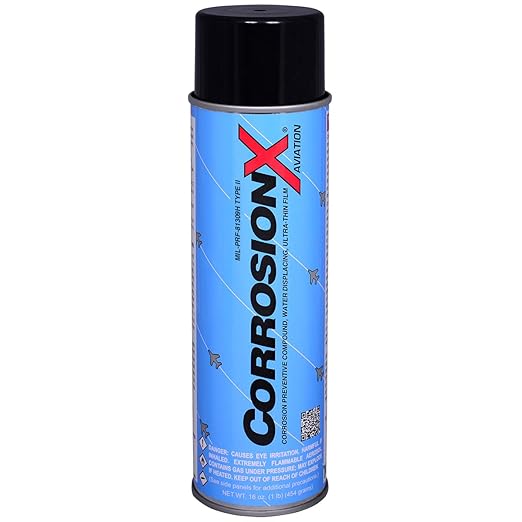
This product exists for one reason: hidden moisture in seams. Aircraft structures suffer corrosion in lap joints, rivet lines, and crevices where condensation lives. Cars have their own version of that problem: pinch weld seams, overlapping panels, bracket folds, and the damp pockets behind liners where salt and water sit and quietly work.
That’s why CorrosionX Aviation can be a sleeper “car secret weapon,” especially if you care about seam protection more than glossy undercoating aesthetics. Use it where creep matters: seam lines, spot-weld flanges, hardware stacks, hinges, and the places where two pieces of metal meet and trap moisture.
The key is restraint. Aviation-style protectants are designed to penetrate and protect, not to create a thick, cosmetic layer. Apply it like a seam treatment—then move to a thicker barrier in high-blast zones.
Why it’s special
- Designed to creep: excellent for seams and hidden joints.
- Great around sensitive components: built with electronics in mind.
- High-standard heritage: fits “I want the serious stuff” buyers.
Good to know
- Overkill for simple underbody coverage—use it where its seam behavior matters.
- Like all thin films, it’s not a rock-chip shield in direct blast areas.
Ideal for: Seams, joints, hinges, hidden moisture zones, and owners who want a high-standard seam-focused protectant.
13. CRC SP-350 Corrosion Inhibitor (10oz Aerosol) – The Storage & Shop Guardian

Not every corrosion problem is “salt on the highway.” Some cars rust because they sit. Humidity, condensation, and temperature swings can create surface rust on exposed metal parts even when the vehicle barely moves—especially in damp garages, coastal climates, or seasonal storage situations.
That’s the lane where SP-350 shines. Owners in machine-shop and storage environments consistently describe the same pattern: it sprays on thin, then leaves a protective film that keeps bare metal from developing that annoying rusty haze. It’s the kind of product that makes sense for stored equipment, spare parts, tools, and certain car components during long downtime.
Think of it as your “storage insurance.” Use it on spare hardware, seasonal parts, and corrosion-prone metal pieces before a long sit. Then wipe and clean the working surfaces when it’s time to use them again. If your car spends winter parked, SP-350 can be a surprisingly smart addition to your rust-prevention toolkit.
Why it earns a spot
- Excellent for storage: humidity and condensation defense.
- Thin film coverage: doesn’t feel like an undercoating.
- Great for parts & shop use: ideal for tools, spares, and stored components.
Good to know
- Not meant to replace undercarriage coatings for daily winter driving.
- Best results come from applying on clean, dry surfaces before storage.
Ideal for: Seasonal storage, damp garages, spare parts, and anyone fighting “rust while parked.”
Protection Guide: Understanding Corrosion Inhibitor Film Types
The biggest upgrade you can make to your results isn’t buying a “stronger brand.” It’s choosing the right film behavior for the zone you’re treating. Here’s the simplest way to think about it.
Hard / Waxy Barrier Films
These coatings are designed to cure into a protective barrier that resists wash-off. They tend to be excellent for sheltered underbody zones and hardware that sees salt spray and humidity. Their weakness is rock impacts and “self-healing”—if the film chips, it doesn’t magically repair itself.
- Best for: subframes, crossmembers, brackets, sheltered underbody surfaces.
- Watch-outs: amber appearance during cure, odor, chipping in heavy debris zones.
Soft / Self-Healing Films (Oils & Gels)
These stay active, creep into seams, and can self-heal after light disturbance. They’re excellent for rust-prone seam lines, hardware stacks, and areas where moisture hides. Their weakness is over-application—too much can attract dirt or feel messy.
- Best for: seams, joints, brackets, hidden pockets, many undercarriage areas.
- Watch-outs: apply thin and smart; avoid turning the underside into a dust sponge.
A “perfect” setup often uses two products: one for underbody surfaces (durable barrier) and one for electrical/precision areas (dielectric thin film or controlled spray).
FAQ: Corrosion Inhibitors for Cars
Do I need to remove existing rust before applying?
How often should I reapply?
Can I spray these on battery terminals and electrical connectors?
Will these attract dirt and grime?
What should I avoid spraying?
What’s the simplest “no-regrets” game plan?
Final Thoughts: Choosing the Best Corrosion Inhibitor For Cars
If you want the most straightforward “protect the whole underside” approach, start with Corrosion Free Rust Cure Formula 3000. If you deal with brutal exposure and want a thick, professional-grade barrier, step up to CorrosionX Heavy Duty (1 Gallon). And if your goal is to stop the sneaky corrosion that causes electrical gremlins, keep a dielectric film in your toolkit—like CorrosionX Rust Inhibitor (16oz Aerosol). Pick your zones, apply with intent, and you’ll get the kind of long-term protection that actually shows up years later—when your friends are replacing lines and you’re still driving.