
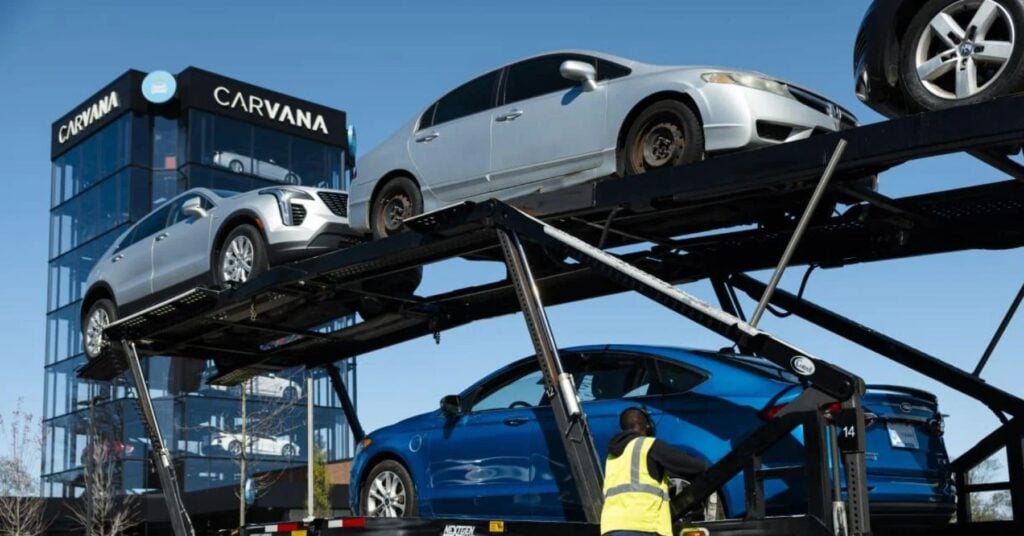
Carvana can pay well on certain cars, but you’ll only know by comparing its offer with two other live bids pulled the same week.
“Pay well” sounds like one thing. In practice, it’s a mix of price, time, and how clean the sale feels. Carvana sells convenience: a fast online offer, simple scheduling, and fewer strangers in your driveway. That convenience can still line up with a strong price on the right vehicle. On other cars, the offer lands closer to a normal trade-in figure.
This article shows you how to judge a Carvana offer like a pro: what shapes the number, what you can fix in an afternoon, and how to sanity-check it against the market without turning your life into a sales project.
What “Pay Well” Means In Real Life
Most sellers care about one of these outcomes:
- Top price: the highest number you can get, often through a private sale.
- Strong net payout: what you keep after repairs, time, and hassle.
- Low friction: fewer steps, fewer messages, fewer surprises.
Carvana sits in the “strong net payout” lane for many people. If the offer is close to the top and the sale is easy, that’s a win.
Does Carvana Pay Well For Cars?
Yes, sometimes. Carvana can be near the top of the instant-offer range when the car is easy to retail: newer model years, clean title, popular trim, no warning lights, and normal mileage for the age. It can fall behind when the car needs reconditioning, has history flags, or sits in a niche where private buyers pay extra.
The market moves. The same car can pull different numbers two weeks apart. So treat Carvana as one strong bid in a short bidding round, not the final word.
How Carvana Puts A Number On Your Car
You enter a plate or VIN, mileage, and condition details, then Carvana generates an offer from current pricing signals. Carvana’s selling page says it analyzes many data points to create a personalized offer. Sell or trade your car online is the starting point.
The Big Inputs That Move Offers
- Exact trim and options: VIN-based packages can shift value more than people expect.
- Mileage bands: crossing common tiers (50k, 75k, 100k) can change offers.
- Condition flags: tires, windshield cracks, warning lights, leaks, body damage.
- Title and history: salvage or rebuilt titles shrink demand; accident history can too.
- Regional demand: what sells fast in your area gets paid for.
Small Moves That Protect Your Offer
You can’t force a buyer to pay more than the market. You can stop avoidable deductions and keep your car from being tagged as “needs work.”
Enter Details Like A Receipt, Not A Guess
Use VIN data. Don’t eyeball the trim. If you have factory packages, enter them accurately. A wrong trim can produce a number that falls apart at pickup.
Fix Cheap Items That Scream “Deferred Care”
Swap worn wiper blades, replace missing bulbs, and hunt down the spare fob if you have it. If tires are bald, replace them only if the math works in your favor.
Clean The Car Past The Basics
Vacuum creases, wipe door jambs, remove odors, and clear the trunk. A clean cabin helps the car match your condition answers.
Pull Offers When You’re Ready
Offers can expire. Get bids in the same week, then pick the best net payout while the numbers are fresh.
One more trick: separate “fix” from “disclose.” If a flaw is cheap to fix and you can do it cleanly, fix it. If it’s not, disclose it and price around it. Trying to hide it usually backfires at handoff.
- Fix: burnt bulbs, low washer fluid, loose battery terminals, missing headrest
- Disclose: dents, paint work, a check-engine light, a known oil leak
Offer Drivers And What You Can Control
This table shows the common levers behind instant offers and where you can take action.
If you’re short on time, aim for accuracy first. A clean VIN entry and honest condition notes do more than cosmetic touch-ups.
Then do a ten-minute walkaround in daylight and update your answers before you lock in the offer. Snap photos of the odometer and tires. Check the dash for lights. No surprises. All good.
| Offer Driver | What Helps | What You Can Do |
|---|---|---|
| Mileage Bands | Lower miles for age; staying under tier breaks | Pull offers before long trips; enter mileage carefully |
| Trim And Options | Higher trims; sought-after packages | Use VIN; list factory options correctly |
| Mechanical Signals | No warning lights; no leaks; smooth drive | Fix simple issues; note recent maintenance |
| Tires And Glass | Usable tread; no major chips or cracks | Replace bald tires only if it pencils out; repair small chips |
| Body And Paint | Fewer dents; clean panels | Touch up small scuffs; document existing damage honestly |
| Title And History | Clean title; fewer history flags | Gather title info; prepare lien details early |
| Regional Demand | Models that sell fast locally | Shop multiple buyers; don’t rely on one offer |
| Completeness | Two fobs; manuals; accessories | Bring everything you have; remove personal items |
Carvana Vs. Trade-In Vs. Private Sale
Three routes cover most sellers.
Carvana (Instant Offer)
Best when you want a clean process and you’re fine trading some ceiling for less work. It can still be a strong bid on late-model cars that are easy to resell.
Dealer Trade-In
Best when you’re buying another car and want one transaction. Some dealers will match a competing bid to win your purchase. Others won’t.
Private Sale
Best when you have time and your car is the sort private buyers hunt for. Expect extra steps: photos, messages, test drives, payment safety, and paperwork.
Why Offers Swing On The Same Car
It’s common to hear two people with the same model swear they got wildly different offers. That isn’t always a glitch. The offer is a snapshot of demand plus your exact spec.
Small differences stack up fast: one car has driver-assist packages, one doesn’t; one has a spare fob, one doesn’t; one has tires near the wear bars; one lives in a zip code where that model sells slowly.
Also, timing matters. If you pull an offer right after a big mileage jump, after a new scratch, or right when local inventory spikes, the number can dip. Pulling offers in the same week keeps your comparison fair.
If you want the cleanest read, do these three things before you request bids:
- Confirm your trim and options using the VIN build data in your paperwork.
- Walk around the car in daylight and note any dents, windshield chips, or warning lights.
- Check tire tread and take a quick photo of the odometer.
Selling Options Compared
Use this as a quick decision filter.
| Option | Upside | Trade-Off |
|---|---|---|
| Carvana Instant Offer | Fast close with minimal back-and-forth | May trail private-sale ceiling on prime cars |
| Dealer Trade-In | One-stop swap when buying another car | Often anchored to wholesale numbers |
| Walk-In Cash Offer (Large Used-Car Buyer) | Firm number with an in-person check | Time on site; offer varies by location |
| Private Sale (Self-Listed) | Highest ceiling if you can wait and screen buyers | Time, safety planning, payment handling |
| Consignment | Someone else handles showings and financing | Fees reduce net payout; timeline can stretch |
| Local Dealer Buy Bid (No Purchase) | Fast close without strangers at home | Often below the best bidding-round result |
Money Details That Change The Final Payout
The offer price is not always the check you walk away with. A few details decide the final number.
If You Have A Loan
If you owe money, the buyer pays your lender first. You receive the remainder if you have equity. If you’re upside down, you pay the gap to close. Get a payoff quote from your lender close to the sale date, since payoffs can change daily.
Handoff Reality Check
Instant offers assume your online answers match the car. If the car shows up with unreported damage, warning lights, title surprises, or bald tires, any buyer can revise the deal or walk away. The smoothest sales happen when the online story matches the car in daylight.
Plates, Toll Tags, And Subscriptions
Remove toll transponders, parking permits, and garage remotes. Cancel any vehicle-linked services. Follow your state’s rules on plates and registration transfer so you’re not tied to the car after it’s gone.
How To Tell If The Offer Is Good In Under An Hour
This is the fastest way to judge Carvana’s number without spinning your wheels.
Pull Three Numbers In The Same Week
- Carvana offer
- One market-based value check
- One local dealer buy bid
Use One Market-Based Value Check As Your Anchor
Kelley Blue Book notes that its Instant Cash Offer is calculated with a tool that accounts for shifting market conditions and used-car prices. How an Instant Cash Offer is calculated explains why values can move from day to day.
Compare As Net Payout, Not Ego
Write down the offer, your payoff amount, and any fixes you’d need to do first. Then ask one question: what do I keep, and how soon?
If Carvana is near the top and the process saves you days of work, many sellers call that “paying well.” If it’s far behind, you’ve learned fast, and you can shift routes.
When Carvana Often Shines
- Newer cars with clean titles and steady maintenance
- Mainstream trims that sell quickly in your area
- Cars with stock parts and no dash lights
- Sales where you want to avoid showings and meetups
When Another Route Often Wins
- Specialty cars where private buyers pay extra
- Heavily modified builds aimed at a narrow crowd
- Older cars where cosmetic wear is fine for a private buyer
- Vehicles with history items that scare instant-offer systems
Pre-Sale Checklist
Use this on the day you plan to accept an offer.
Paperwork
- Title status and any lien details
- Lender payoff quote and payoff instructions
- ID that matches the title
- Co-owner availability if signatures are needed
Vehicle Prep
- Both fobs, wheel lock tool, manuals, accessories
- Photos of each side and the odometer
- All personal items removed, including toll tags
- Lights checked, tires checked, cabin cleaned
After The Sale
- Save proof of transfer
- Cancel insurance after the sale is complete
- Watch for lender payoff confirmation if financed
Run the three-number check, compare as net payout, and you’ll know whether Carvana is paying well for your car in your market right now.
References & Sources
- Carvana.“Sell or Trade In Your Car Online.”Outlines the sell/trade flow and notes that many data points are used to generate a personalized offer.
- Kelley Blue Book (KBB).“Instant Cash Offer FAQ.”Explains that Instant Cash Offers are calculated using a tool that accounts for changing market conditions and used car prices.