
Our readers keep the lights on and the garage heater humming. As an Amazon Associate, I earn from qualifying purchases.
Specs are compiled from manufacturer listings and verified buyer reviews and can change over time — please confirm the key details on the product page before buying.
A truck’s cab is a greenhouse on wheels, and the right window film is the difference between baking on a highway run and staying comfortable in the driver’s seat. But “tint” is a crowded shelf, and the real split is between film you can master on a Saturday and film that needs a pro’s heat gun and patience.
I’m Mo Maruf — the founder and writer behind GoCarLife. This guide is built by comparing the manufacturers’ published specifications and the patterns across verified customer reviews, so you get each pick’s real strengths and trade-offs instead of marketing spin.
From massive 100-foot rolls to precut kits, here are the best options for truck window tint that balance shade level, heat rejection, and your willingness to learn the craft.
Our Picks at a Glance
How To Choose The Best Truck Window Tint
Before you pick a roll, you need to know that “tint” is not one product. It’s a range of films built for very different jobs, and the biggest mistake is buying purely on darkness while ignoring heat rejection and installation skill.
Start With VLT, Then Check The Law
VLT, or visible light transmission, is the percentage of light that passes through the film. A 5% film is a deep limo black, while a 35% film is a light smoke. Because laws differ from state to state, darker films are generally meant for rear windows, not the front — so confirm your state’s limit before you commit to a shade.
Match The Film Type To Your Goals
Dyed film is the budget-friendly privacy option with solid glare control. Carbon film adds better heat rejection without signal interference. Ceramic is the premium route, blocking the most infrared heat while staying clear for electronics. If you only care about looks and privacy, dyed film is plenty — if you fight summer heat, carbon or ceramic earns its price.
Honestly Assess Your Installation Skill
A 100-foot roll is only a bargain if you can install it. Beginners often crease film or trap fingerprints, so a precut kit that’s shaped to your exact truck can be worth more than the raw material. For the ambitious DIYer, a thicker film is easier to heat-shrink around curved glass without tearing.
Quick Comparison
| Model | Best For | Shade (VLT) | Film Type | Size | Amazon |
|---|---|---|---|---|---|
| United Universal 5%★ Best Overall | Maximum privacy & value | 5% | 1Ply Dyed PET | 24″ x 100′ | Amazon |
| United 5% ProfessionalPremium Pick | Ultra-dark dye upgrade | 5% | 1 Mil Dyed PET | 24″ x 100′ | Amazon |
| RockRose 5% CarbonBest Carbon | Carbon heat control | 5% | Carbon PET | 24″ x 100FT | Amazon |
| Black Magic Insta-Cling | No-adhesive reusability | 20% | Static Cling | 26.46″ x 2.56″ | Amazon |
| IAQWE Ceramic | Heat rejection & clarity | 20% | Nano Ceramic | 20 in x 20 ft | Amazon |
| BLACKGLASS IX 30% | Balanced all-round shade | 30% | 2-Ply PET | 20ft x 26in | Amazon |
| JNK Reflective Red | One-way mirror look | 12% VLT | 2.5mil Polyester | 20″ x 10′ | Amazon |
| JNK Precut Kit | No-cutting DIY installs | 5% / 15% / 30% | Polyester | All windows | Amazon |
| MotoShield Pro 35% | Ceramic heat defense | 35% | 2PLY Nano Ceramic | 36″ x 15′ | Amazon |
In‑Depth Reviews
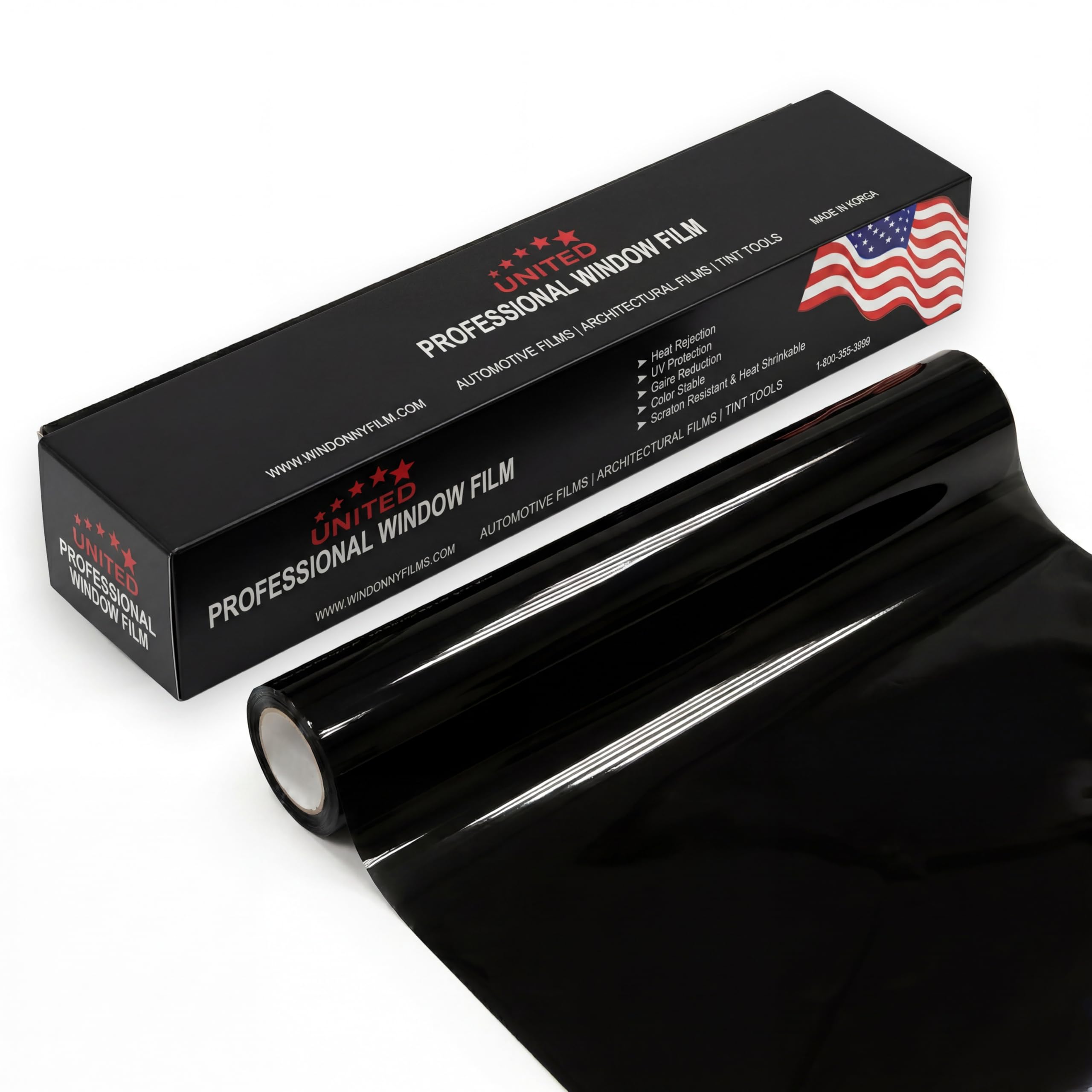
1. United Universal Black Window Tint Film 24″ x 100′ – 5% VLT 1Ply Dyed
Our pick — over 4.5★ from 400+ verified ratings; the strongest balance of quality and price.
A 100-foot deep black roll that keeps six trucks covered and still leaves material to spare.
If you want the heaviest privacy a roll can give, this is the one to measure everything else against. The 5% VLT delivers a deep black, limo-style shade for maximum privacy. The dyed 1Ply PET material is thicker than you’d expect from the price, which makes it easier to handle without tearing mid-project.
You get a lot of film for your money, and it blocks up to 99% of UV rays (ultraviolet radiation that fades and cracks surfaces), so your dash and upholstery stay looking new instead of turning chalky and cracked.
This is a wet-or-dry heat shrink film (you can apply it with water or heat to mold it), so you’ll need a squeegee and patience for curved truck glass. Buyers report mixed quality — some find it genuinely good, others call it low quality — but the large roll makes it a smart starting point if you’re tinting multiple vehicles or want to practice your technique.
Why It Wins
- Truck-sized 100-foot roll covers six vehicles with leftovers
- Thicker film resists tearing during install
- 99% UV block protects interior from fading
Watch For
- Quality reports split between good and low
- 5% VLT is too dark for front windows in many states
Reach for it when: you need maximum privacy across several vehicles on a single budget roll.
Look elsewhere if: you want the heat rejection of ceramic — this is a privacy-first dye, not a heat shield.
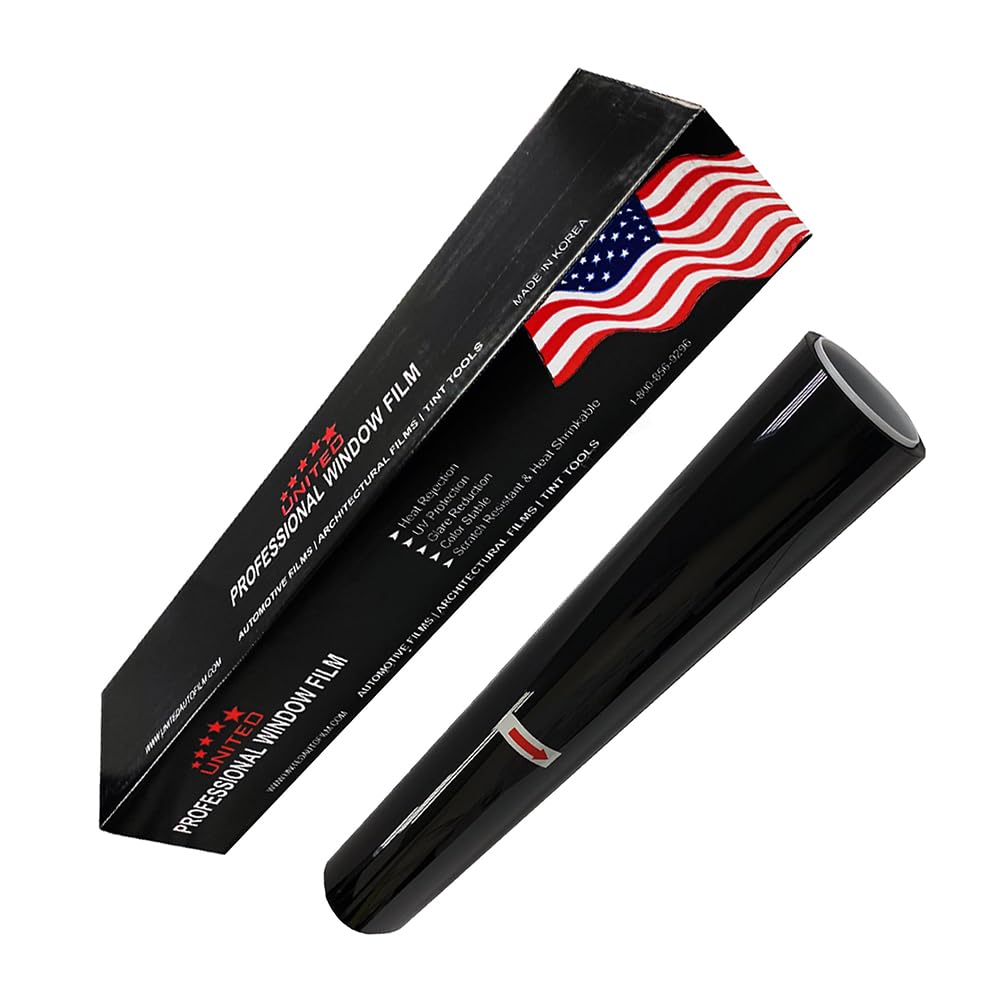
2. United 5% VLT Professional Window Tint Film – 24″ x 100′ Upgraded 1 Mil Dyed PET
The same deep 5% shade as the top pick, but with a refined film that prioritizes optical clarity.
This is the upgraded sibling to the best overall pick, built around an enhanced adhesive and improved optical clarity with low reflectivity. The result is a cleaner look through the glass and a bond that holds up better over time. The 24-inch by 100-foot roll again gives you enough material for a whole truck plus plenty of practice runs.
It keeps the same 5% VLT ultra-dark shade and 99% UV block you get from the value pick, so your interior stays cool and protected during long sunny drives. Beginners find it genuinely workable — the feedback is that going slow and taking your time gets you a great finish even on a first attempt. The upgraded construction is exactly why this is the pick for someone who wants the deep shade but cares about the finished look.
Professional installation is still recommended for the best finish, and heat-shrinking curved rear glass will test your patience no matter the film. But if you’re deciding between this and the standard United roll, the clarity upgrade is what tips the scale for daily drivers who want their tint to look factory-installed.
Clarity first: the enhanced adhesive and low reflectivity give a crisper finish than the standard United roll, ideal for owners who notice the small details.
Still a dye: you get privacy and UV defense, but no ceramic-grade heat rejection for the hottest climates.
Pick this if: you want deep 5% privacy with a cleaner optical finish than the budget roll offers.
Skip it for: serious summer heat — a carbon or ceramic film will do more for cabin temperature.
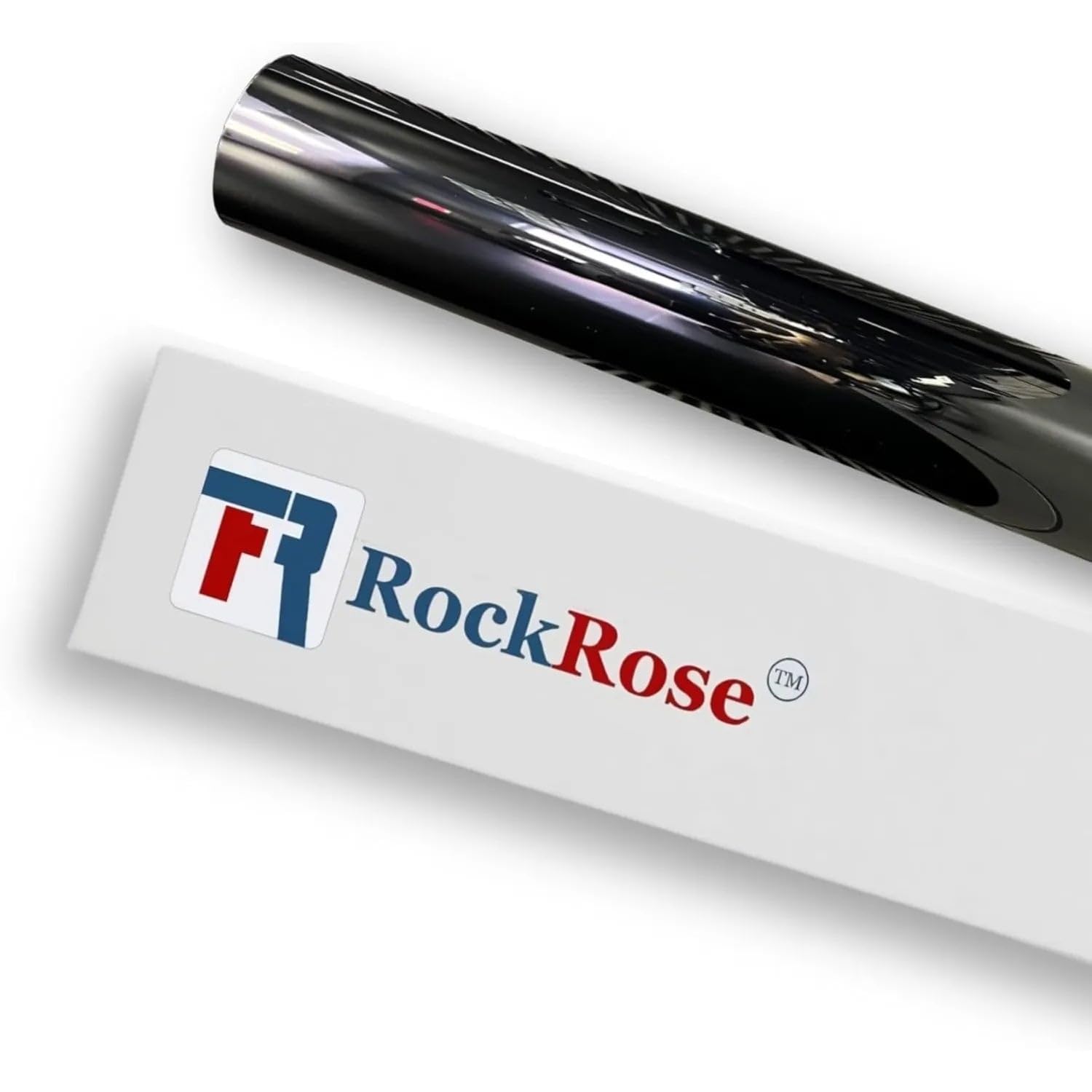
3. RockRose 5% Car Window Tint 24″ x 100FT 1PLY Carbon Charcoal
A massive carbon roll that adds real heat rejection to the deep 5% limo look.
Carbon film sits between budget dye and premium ceramic, and this 24-inch by 100-foot roll gives you plenty of it. The 5% VLT gives a dark charcoal look, while carbon blocks 99% of UV rays and rejects 35% of infrared heat with a 45% TSER.
The PET construction resists peeling, bubbling, and fading, and it’s plotter-friendly, which means pros can cut it for custom shapes without the film dragging on the blade. Buyers praise the quality and the tint quality specifically, calling it great film at a reasonable price and perfect for test jobs or smaller windows.
Readiness for a novice is the honest limit here. The film creases during application, and owners note it shrinks worse than pricier tint when heat-forming around curved glass. It’s best for experienced tinters or first-timers willing to practice; the roll is big enough that you can afford a few mistakes.
Heat-aware carbon: 45% TSER and 35% IR rejection make this a genuine heat fighter, not just a privacy shade.
Skill required: creases and poor shrinkability mean this one tests your technique on curved truck glass.
Best for: DIYers with some experience who want carbon-grade heat control across a whole truck.
Not for: absolute beginners — the poor shrink behavior will frustrate a first install.
4. MotoShield Pro 35% VLT Nano Ceramic Window Tint – 36″ x 15′ 2PLY Roll

A light 35% ceramic film that fights heat like a much darker tint, without the legal risk.
Ceramic film is the premium tier of window tint, and this 2-ply nano ceramic roll shows why. It rejects up to 99% of infrared heat and 70% of total solar energy for immediate cabin cooling. The 35% VLT keeps a light, legal-friendly look while cutting glare.
The film is only 2Mil thick, which makes it relatively simple to handle during install, and it blocks 99.9% of UV rays to protect your skin, seats, and dash. Owners describe a high-end look that’s hazy at first but clears after a few days into what looks like professional film, with noticeable heat blocking right away.
The honest catch is consistency. Some orders arrive with ragged edges or shorter rolls than the stated 15 feet, and a few buyers measured their “35%” film closer to 5% with a tint meter — a problem if your state inspects VLT. It’s premium material with a QC gamble, so keep the packaging until you’ve unrolled it fully.
The High End
- 99% IRR rejection fights infrared heat at the source
- Only 2Mil thick, so handling is forgiving
- Blocks 99.9% of UV rays
The Gamble
- QC issues: ragged edges or under-length rolls reported
- Some rolls measure much darker than the labeled 35%
Choose it when: cabin heat is your top complaint and you want ceramic-level rejection in a lighter shade.
Think twice if: your state enforces VLT strictly — verify what’s actually on the roll before installing.
5. IAQWE 20% VLT Ceramic Car Window Tint Film 20 in x 20 ft Roll
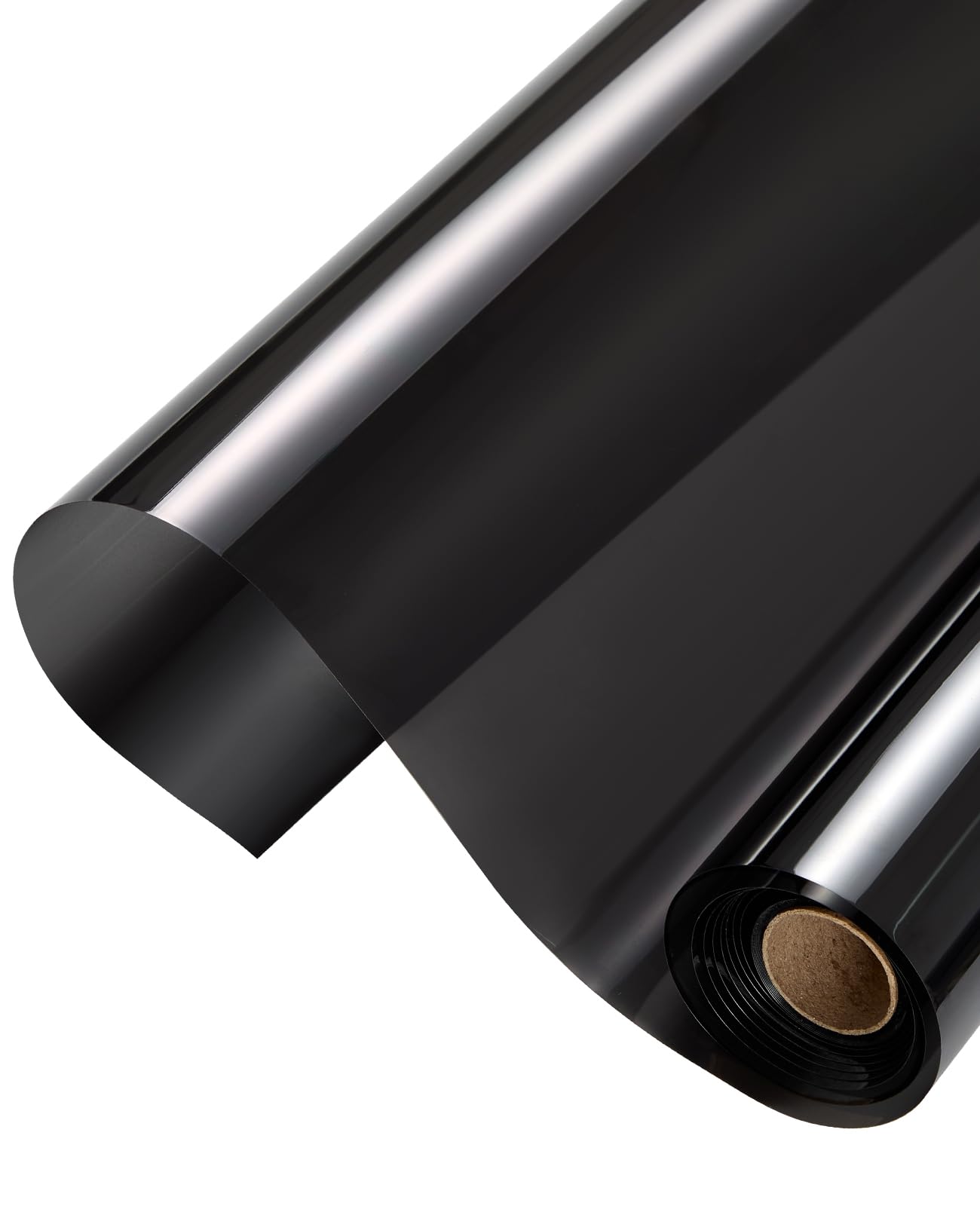
An entry-priced ceramic roll that balances 20% privacy with a very DIY-friendly install.
Ceramic film usually costs a premium, so this 20-inch by 20-foot roll is the value-conscious way to get nano ceramic benefits without the full investment. The 20% VLT balances privacy and visibility, cutting glare while keeping mirrors clear at night. The ceramic construction reduces infrared heat and is also available in 5%, 15%, 35%, 50%, and 70% if you want a different shade.
The 5-layer safety film holds glass together on impact, and the scratch-resistant surface keeps a glossy look over time. Buyers find it incredibly easy to work with, calling the bubble-free adhesive smooth for DIY results. The honest feedback is that the adhesive is weaker than premium film — edges must be perfect or you’ll be redoing them — and it can scratch if you use a dull blade.
Passengers in a 15-passenger van found one roll enough for everything except the front windshield, so a single truck is easily covered. A complaint about zero night privacy and heat mitigation on one install shows the importance of technique, but for the price, this is the softest landing into ceramic tint.
Gentle learning curve: the bubble-free adhesive and easy heat-shrink behavior make this the least intimidating ceramic roll here.
Lower bond strength: edges demand precision, and a dull blade will scratch the surface — treat it carefully.
Good for: first-time ceramic buyers who want IR heat rejection without paying pro-film prices.
skip it if: your install space is dusty or you rush edges — the weaker adhesive punishes sloppy work.
6. Car Window Tint Film 30% VLT Medium Smoke 2-Ply Solar 20ft x 26in Roll BLACKGLASS IX
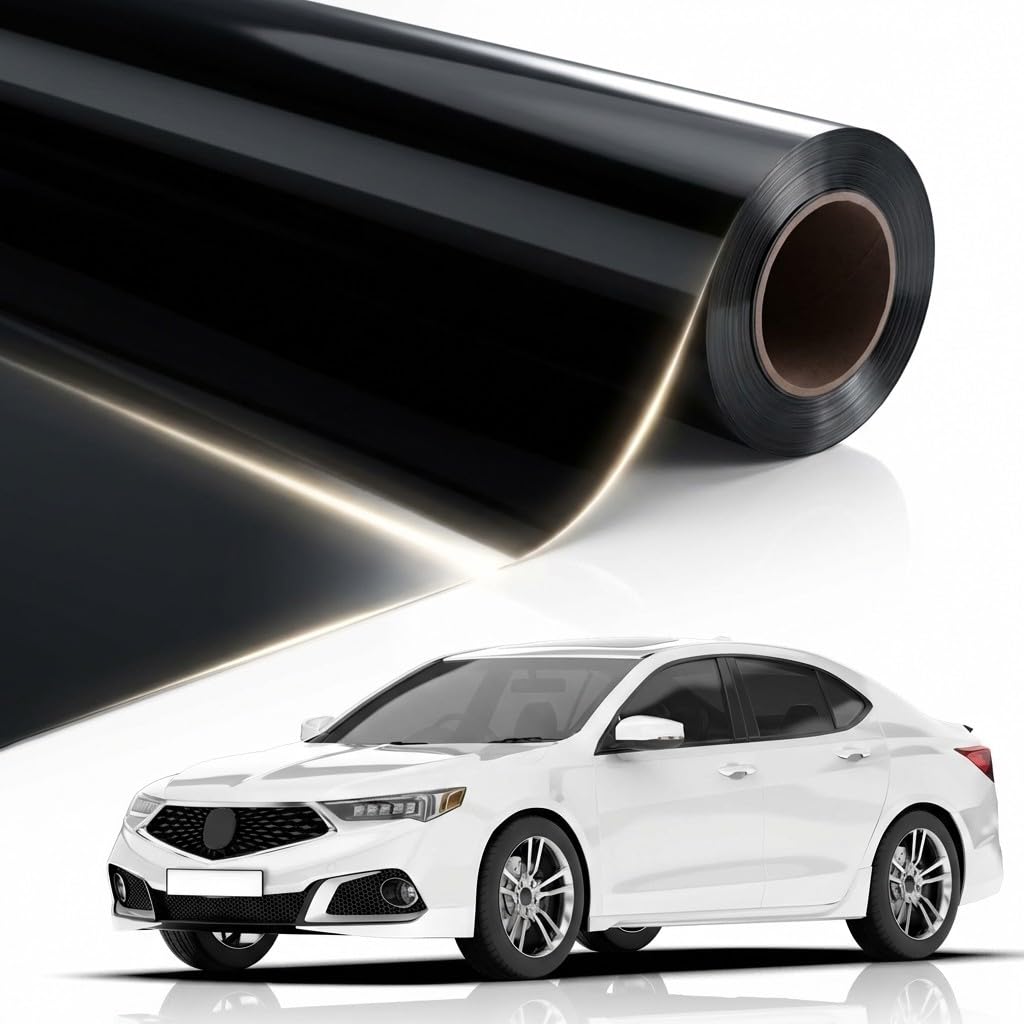
A 30% medium smoke that keeps the cabin visible at night while cutting glare and heat.
Not everyone wants limo black. The 30% VLT medium smoke reduces glare and heat while keeping more visibility than darker films. Each 20-foot by 26-inch roll covers the rear windshield and rear side windows on most cars, with extra material for mistakes, and it also suits home, sunroom, and office glass.
The 2-ply laminated structure makes it thicker and more workable than single-ply budget films, so first-time DIY fitters can heat-shrink it onto curved glass without the usual frustration. Owners mention it held up for over two years while cutting glare and heat, and the scratch-resistant surface takes squeegee pressure without marking. The 2X pressure-sensitive adhesive gives a firm, long-lasting bond.
The honest note is that it rewards experience — the blunt feedback is that experienced tinters get a perfect finish while novices crease it or struggle to shrink it correctly. One roll arrived with a puncture, so inspect yours before you start. If you want a legal-friendly shade that still looks custom, this is the balanced pick.
Balanced shade: 30% VLT keeps night visibility while still cutting glare — the safest all-round choice here.
Fair warning: creasing and shrinking challenge beginners; experienced tinters report easy results.
Best for: daily drivers who want a subtle, legal-friendly shade with real glare and heat reduction.
Not for: true novices without practice film — the 2-ply demands technique to look clean.
7. Precut Window Tint Kit for Car, Truck, SUV, Minivan – 5% 15% 30% VLT
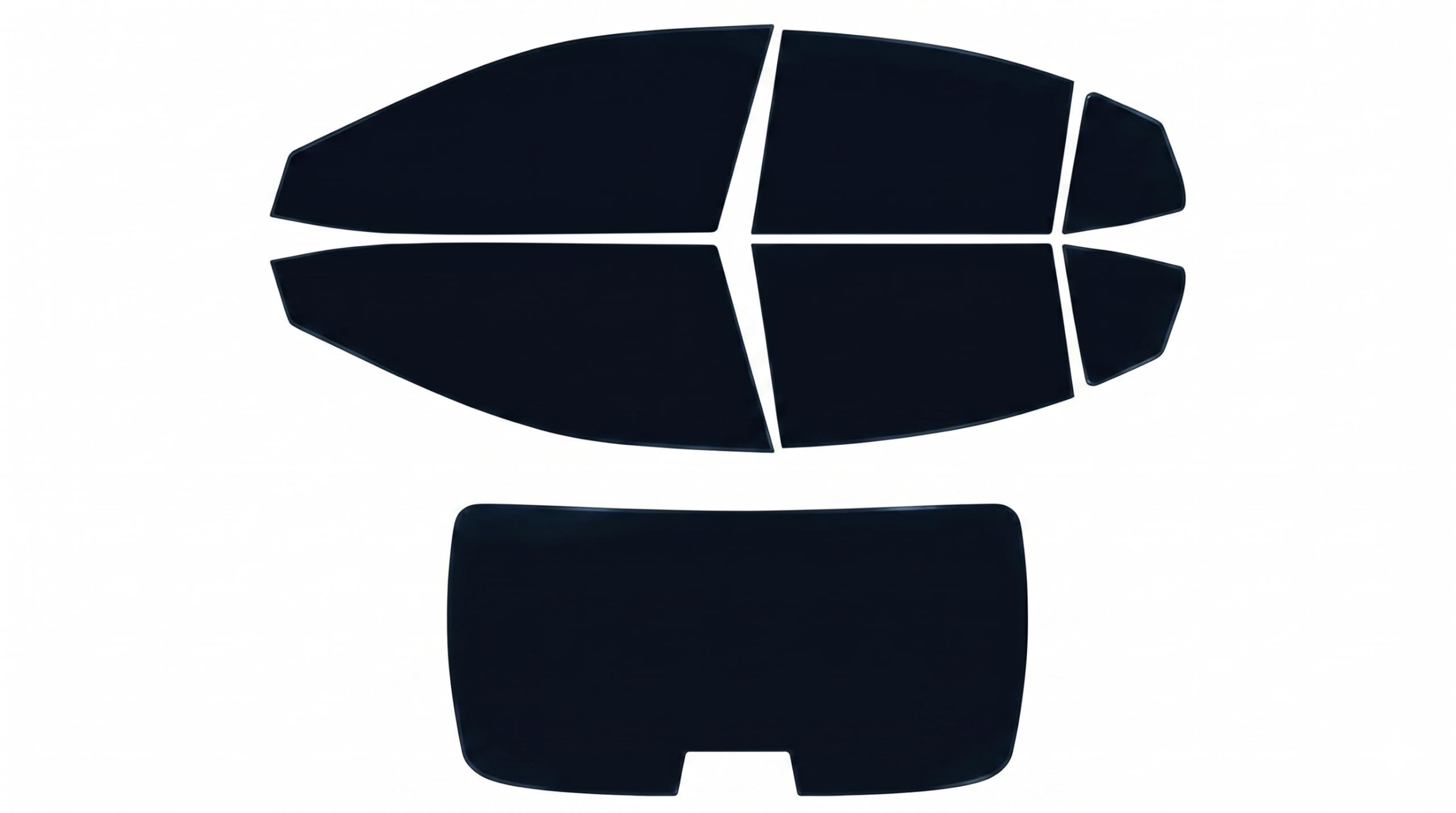
A precut kit that removes the hardest part of tinting — cutting the film to fit your glass.
If you’ve ever fought a roll of tint with a razor blade, this kit is the relief you’ve been looking for. Each piece is precut to your vehicle’s year, make, and model, covering all side windows and the back windshield with no trimming required. You pick your shade — 5%, 15%, or 30% VLT — and the film is made in South Korea with high-grade materials that won’t fade or purple over time.
The precision cuts get genuine praise: a 25-year professional installer found the cuts dead-on, faster than removing trim, with zero bubbles or creases across multiple vehicles. First-time installers also report near-perfect results on their second attempt, thanks to clearly marked windows and easy liner separation. The film is heat-shrink compatible, so it adapts to curved glass.
The trade-off is that fit can be imperfect depending on your exact model. Rear windows occasionally arrive oversized or undersized, leaving untinted gaps or requiring trimming, and one owner noted no heat or UV blocking from the 5% film. Quality feedback is mixed overall, so expect to inspect each piece before installing.
The Time Saver
- Precut to your exact vehicle, zero razor work
- Korean film resists fading and purpling
- Experienced installers rate the cuts as precise
The Fit Gamble
- Rear windows may arrive oversized or undersized
- Some 5% film lacks meaningful heat blocking
Choose it when: you want professional-looking tint without learning to cut film by hand.
Be ready for: checking fit on your specific model — occasional sizing issues need trimming skill.
8. Black Magic Insta-Cling 20% VLT Tinted Window Film, Reusable
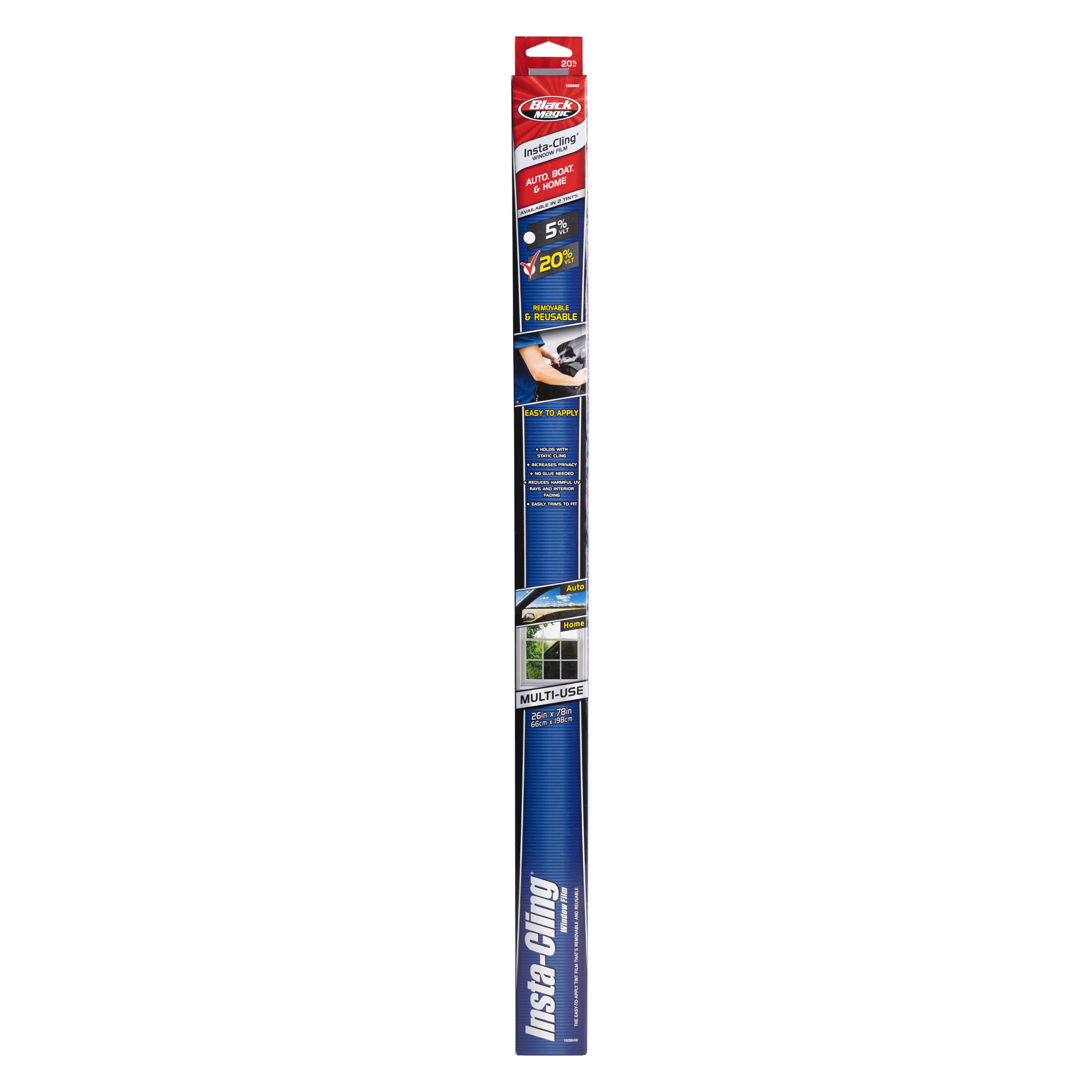
A reusable static-cling shade that peels off when you want it gone — no adhesive, no residue.
This is the tint for people who want shade without commitment. Instead of adhesive, it uses static cling — the film sticks to glass through static electricity, so you can apply it, peel it off, and reapply it whenever you like without damaging the window. The 20% VLT cuts bright sunlight and glare while adding daytime privacy.
Installation is genuinely easy, which is the top praise this film earns. Wash the glass, apply it wet, and scrape out the bubbles — the same basic method as real tint but far more forgiving. It blocks enough UV to reduce upholstery fading, and the 2-year warranty adds confidence for a product this simple.
The honest trade-off is appearance. Owners sum it up plainly: it darkens the windows as wanted, but it’s “slightly hazy compared to real tint,” with an orange-peel effect and smokiness that never fully goes away. Adhesion is also mixed — some report it sticks to anything, others say it peels after about a month. It’s a removable shade, not a permanent upgrade.
Zero commitment: static cling means peel-and-reapply flexibility that adhesive film simply can’t offer.
Temporary look: the hazy, orange-peel finish never matches real tint — fine for shade, not for show cars.
Reach for it if: you want removable shade for a rental, a temporary fix, or windows you change often.
Look elsewhere if: you want a permanent, crisp factory-finish tint that survives for years.
9. Reflective Car Window Tint Film – One Way Window Mirror, Red, 20″ x 10′

A red mirror film that throws heat away while daring anyone to peek through the glass.
This is the showpiece option. The reflective mirror surface creates a true one-way look — from outside it’s a bright mirror, from inside you see out — and at 12% VLT it’s plenty dark for daytime privacy. At 2.5mil thickness with a 2-ply build, it’s thicker than most films, which makes it easier to handle during install and gives it real substance on the glass.
It provides 80% heat reduction and blocks 99% of infrared and UV rays, reflecting heat in summer and retaining it in winter. It’s designed for cars, trucks, boats, tractors, and even home windows. The Korean-made polyester film is built to last, which justifies the premium placement.
Two honest cautions. First, this is very dark at night — the clear feedback is that you need bright headlights or a light bar to drive safely after dark. Second, adhesion gets negative feedback, with some buyers reporting no sticky side at all; installation can involve frustrating bubble-forming that needs a heat gun to work out. And a 12% reflective film is likely illegal for front windows in most states.
Mirror look: the one-way reflective finish is the striking feature here — nothing else on this list looks like it.
Night caution: 12% VLT is very dark after sunset; bright lights are a must, and front-window use is likely illegal.
Best for: owners who want a bold mirror aesthetic and serious heat rejection, mainly on rear or side glass.
Not for: night drivers or anyone expecting an easy peel-and-stick install — this one demands technique.
Understanding the Specs
VLT — Visible Light Transmission
VLT is the percentage of light that passes through the film. A 5% film lets in almost no light for a deep limo black, while a 35% film is a light smoke that keeps more visibility. Darker is not always better — most states restrict front-window VLT, so check your local law before you pick a shade.
Film Type — Dyed vs Carbon vs Ceramic
Dyed film is the budget privacy option that cuts glare with no signal interference. Carbon film adds infrared heat rejection without the cost of ceramic. Ceramic is the premium tier, rejecting the most heat while staying clear for phone and GPS signals. Pick based on whether your priority is looks, heat, or both.
UV Block and Heat Rejection
UV block percentage (often 99%) tells you how well the film protects your interior from fading and cracking. Heat rejection is separate — infrared rejection (IRR) and total solar energy rejected (TSER) measure actual cabin cooling. A film can block UV perfectly while doing little for heat, so check both numbers.
Roll Size and Precut Kits
A 100-foot roll covers multiple vehicles but demands cutting skill, while a precut kit is shaped to your exact truck for an easier install. The right choice depends on your confidence — a beginner often gets better results from a kit, even though the raw film is cheaper per square foot.
FAQ
What is the legal VLT limit for truck windows in my state?
How many trucks can one 100-foot roll of tint cover?
Will truck window tint interfere with my phone or GPS signal?
Can a beginner install window tint successfully on a first attempt?
How does static cling tint differ from adhesive tint?
Does darker tint always mean better heat rejection?
Will tint keep my truck cooler in summer and warmer in winter?
How long does automotive window tint film last before fading?
Is it better to buy a roll or a precut kit for my truck?
Final Thoughts: The Verdict
For most truck owners, the truck window tint that wins on overall value and coverage is the United Universal 5% roll, because a single 100-foot purchase covers a whole truck with material to spare. If you want the deepest privacy with a cleaner optical finish, grab the United 5% Professional. And for the truest test of what the review pages confirm — that technique matters more than the thickness of your wallet — the practical answer for beginners is the precut kit that skips the razor entirely.
How We Picked
We do not accept paid placement. Every pick is matched to a real buyer and a real use-case; we do not hands-on test units.
Sources & Methodology
Specifications: manufacturer listings and product documentation. Review insights: verified customer reviews, as of August 2026. Pricing: not shown on this page (it changes often); check the current price via the retailer link.
As an Amazon Associate, GoCarLife earns from qualifying purchases. This does not affect which products we feature.