
Our readers keep the lights on and the garage heater humming. As an Amazon Associate, I earn from qualifying purchases.
Specs are compiled from manufacturer listings and verified buyer reviews and can change over time — please confirm the key details on the product page before buying.
Choosing the right oil is the single most important decision you make for your car’s engine, and getting it wrong can mean costly repairs down the road. This guide cuts through the marketing noise to focus on what actually matters: the viscosity grade your owner’s manual demands, the difference between synthetic and conventional, and knowing when a high-mileage formula is right for you. We break down the top performers in each category so you can pick with confidence, not guesswork.
I’m Mo Maruf — the founder and writer behind GoCarLife. This guide is built by comparing the manufacturers’ published specifications and the patterns across verified customer reviews, so you get each pick’s real strengths and trade-offs instead of marketing spin.
Choosing the right oil keeps your engine running smoothly and avoids costly repairs. This guide breaks down the best types of oil for cars in plain language, from full synthetics for turbocharged engines to blends that protect high-mileage workhorses.
Our Picks at a Glance

How To Choose The Best Types of Oil for Cars
Picking the right oil starts in your glovebox, not on a store shelf. Your owner’s manual specifies a viscosity grade like 5W-30 for a reason — it’s the thickness (viscosity) your engine was designed to handle at different temperatures. Using the wrong grade can reduce fuel economy or leave parts unprotected.
Decode the numbers on the bottle
The first number followed by a “W” (for Winter) tells you how the oil flows in cold temperatures. The lower that number, like 5W instead of 10W, the easier your engine turns over on a frosty morning. The number after the dash, like the 30 in 5W-30, tells you how thick the oil gets when hot, which protects your engine at operating temperature.
Synthetic vs. conventional vs. blend
Full synthetic oils are engineered in a lab for maximum protection and longevity, making them ideal for modern turbocharged engines and extreme climates. Conventional oil is refined from crude petroleum and is fine for older, simpler engines. A synthetic blend, as the name suggests, mixes the two — offering better protection than conventional at a more accessible price point.
Quick Comparison
| Model | Best For | Type | Viscosity | Volume | Amazon |
|---|---|---|---|---|---|
| Liqui Moly Special Tec LL★ Best Overall | European cars & BMWs | Full Synthetic | 5W-30 | 5 Liters | Amazon |
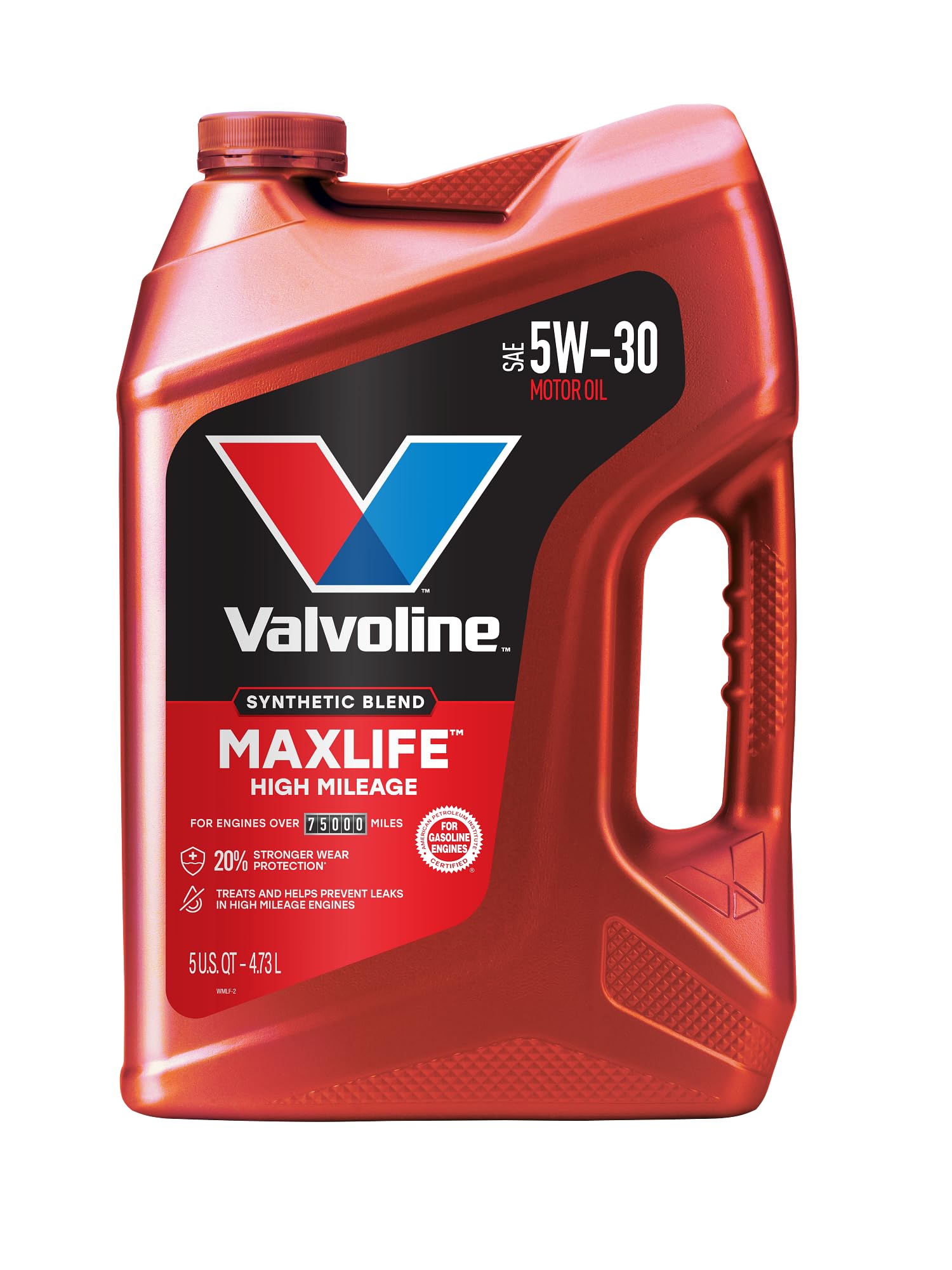
| Valvoline MaxLife High MileageMileage Savior | Engines over 75k miles | Synth. Blend | 5W-30 | 5 Quarts | Amazon |
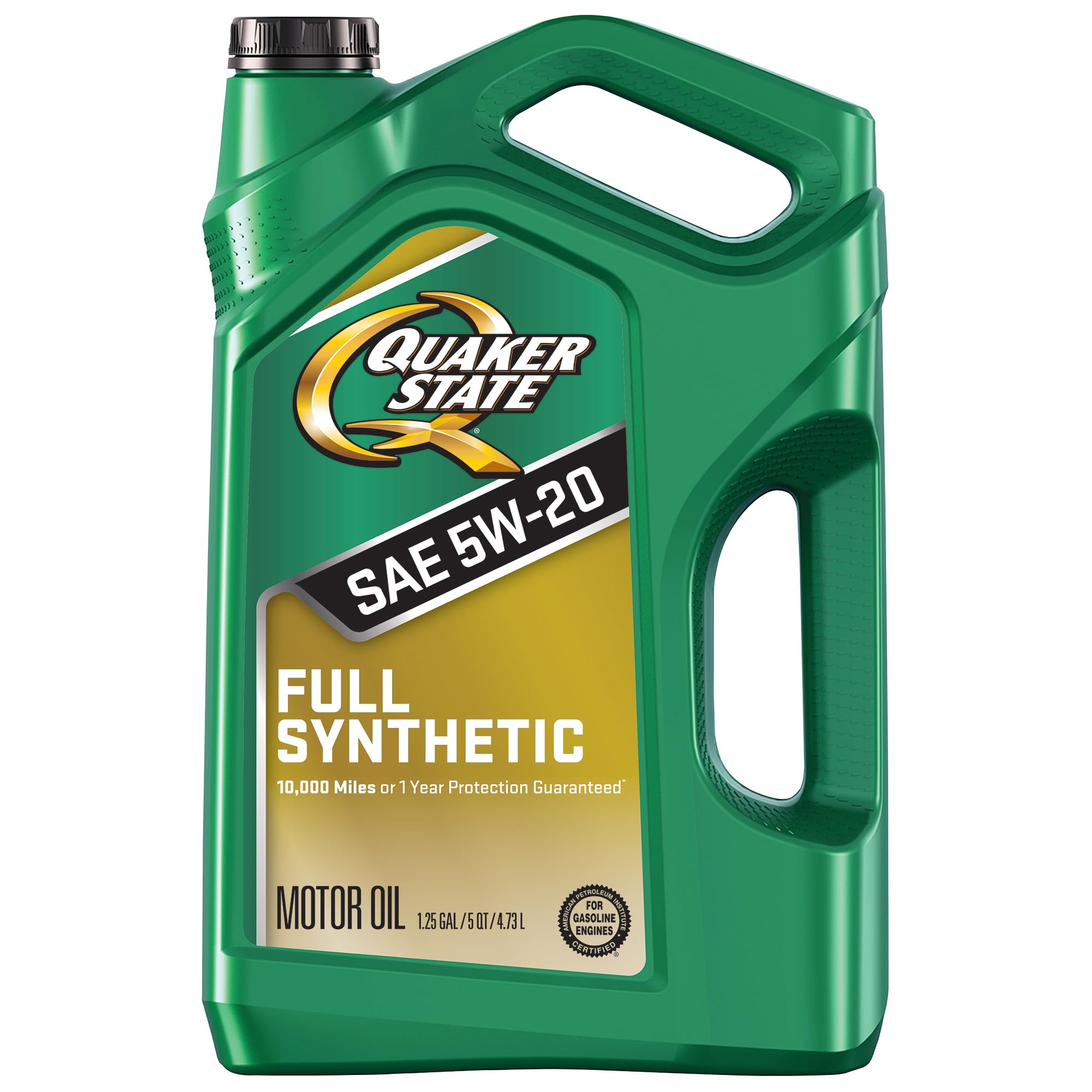
| Quaker State Full SyntheticSmooth Operator | Modern gas engines | Full Synthetic | 5W-20 | 5 Quarts | Amazon |
| Mobil 1 Truck & SUV | Towing & heavy loads | Full Synthetic | 5W-30 | 5 Quarts | Amazon |
| Pennzoil High Mileage | Worn engines over 75k | Synth. Blend | 5W-30 | 6 Quarts | Amazon |
| Mobil Full Synth High Mileage | Sludge prevention | Full Synthetic | 5W-30 | 6 Quarts | Amazon |
| Motorcraft Engine Oil | Ford & Lincoln vehicles | Full Synthetic | 5W-30 | 5 Quarts | Amazon |
| Castrol GTX MAGNATEC | Reducing engine wear | Full Synthetic | 5W-30 | 5 Quarts | Amazon |
| Royal Purple High Performance | High-performance vehicles | Full Synthetic | 5W-30 | 5 Quarts | Amazon |
In-Depth Reviews
1. Liqui Moly Special Tec LL SAE 5W-30
Our pick — over 4.5★ from 950+ verified ratings; the strongest balance of quality and price.
The oil that keeps European engines whispering for years on end.
If you drive a BMW, Audi, or another European marque, this Liqui Moly formula is a direct replacement oil that owners swear by. It uses synthesis technology (engineered synthetic base oils) to deliver a noticeably quieter idle and smoother running, even in engines that have been tuned for extra boost. The crowd favorite — 4.9 stars across 900+ owners — points to quality as the standout trait, with performance and value running close behind.
Buyers report running this oil since their car was new and finding the engine still smooth and quiet years later. It’s a popular choice for BMWs new and old, with owners noting improved idle and less misfiring. The 5-liter jug size is note — it’s a touch more volume than the standard 5-quart (about 4.7 liters) containers from other brands, which is handy for cars with larger sumps.
You get a jug that weighs 9.43 pounds, nearly identical to the Valvoline MaxLife at 9.5 pounds, so lifting it onto your workbench is easy. Buyers praise its smooth operation and the confidence from an oil that keeps engines clean. It’s the premium pick for European vehicles, giving you the right spec without the dealership markup.
What Owners Love
- Notably quieter engine operation, even when tuned
- Direct replacement spec for BMWs
- High perceived quality from a trusted German brand
The Trade-Off
- Premium price point reflects its premium positioning
- 5-liter volume may be more than some cars need
Reach for it if: you own a European vehicle and want a direct-replacement synthetic that delivers a quieter, smoother ride.
Look elsewhere if: you’re on a strict budget and just need a reliable oil for a basic commuter car.
2. Valvoline MaxLife High Mileage 5W-30
The value pick that breathes new life into aging engines.
This is the oil for the car that refuses to quit. Formulated specifically for engines with 75,000 miles or more, MaxLife uses seal conditioners (additives that help soften and expand drying gaskets) to prevent oil leaks and reduce oil consumption. A 2.0T VW Passat and a high-mileage Volvo with 192,000 miles on the clock both run smoothly on it, which is the kind of real-world proof that matters. It’s the top pick for high-mileage engines, and the quality and value are what owners praise most — with hundreds of buyers vouching for it.
Owners mention it works wonders in a 1998 Honda Civic with 300,000 miles that’s “still going” — proof of its sludge-fighting extra detergents. It delivers 20% better wear protection and 15% better sludge defense than industry standards. One 40-year small engine mechanic uses it in everything that requires 5W-30, from lawnmowers to snowblowers, praising its compatibility and how it holds up between changes.
The recurring gripe is the bottle — a few report the cap leaking in transit, so it’s worth checking the seal when it arrives. At 9.5 pounds, it’s essentially the same weight as the Liqui Moly jug, though it packs 160 fluid ounces instead of 5 liters. For the driver of a high-mileage daily driver who wants dependable protection without paying full-synthetic prices, this is the one to beat. The 5W-30 viscosity meets ILSAC GF-7A and API SP standards, which covers most modern gasoline engines.
Why it wins: The best price for a high-mileage formula, backed by seal conditioners and extra detergents that actively protect older engines.
The one caveat: The jug’s cap has been known to leak during shipping, so handle your delivery with care.
3. Quaker State Full Synthetic 5W-20
A budget-friendly synthetic that punches well above its price.
If your car specifies 5W-20, this Quaker State full synthetic is an excellent, budget-conscious choice. It’s designed for modern turbocharged engines and high-performance vehicles, and it provides strong protection against deposits between oil changes (the gunk that can build up and rob your engine of efficiency). A 2019 Sonata owner reports their engine is “quiet and smooth” after the switch, feeling like new. It’s a great option for the everyday driver who wants synthetic protection without the premium label.
The formula is built to deliver more power and less friction, which can help boost horsepower compared to standard oils. It also offers high resistance to oxidation, meaning it takes longer to break down and turn acidic. While it’s not designed for extreme heat or heavy towing, for a daily commuter in a sedan or a hybrid, it hits the balance. It exceeds API SP-Resource Conserving and ILSAC GF-6A specs, and it meets GM dexos1 Gen 3 and Ford WSS-M2C960-A1 requirements.
Owners praise the clear measuring gauge on the handle, which makes it easy to avoid overfilling during a DIY oil change. The main complaint is hit-or-miss shipping — one bottle arrived with the cap leaking, soaking the box. While it’s not the most prestigious oil on the shelf, its value is undeniable, offering solid sludge protection and smooth running for a fraction of the cost of the premium picks.
What It Does Well
- Budget-friendly full synthetic protection
- Smooth, quiet engine operation reported
- Clear gauge on the handle prevents overfill
Keep In Mind
- Not ideal for extreme heat or heavy loads
- Packaging can arrive with a leaking cap
Best if: you have a modern sedan or hybrid that takes 5W-20 and you want cheap, reliable synthetic protection.
Think twice if: you’re constantly towing or driving in extreme conditions where a more sturdy 5W-30 (a thicker oil for heavy loads) would be safer.
4. Mobil 1 Truck & SUV Full Synthetic 5W-30

The heavy-duty synthetic built for trucks that earn their keep.
Towing a trailer, hauling a bed full of tools, or driving in extreme heat puts serious stress on an engine. This Mobil 1 formula is specially engineered for those hardworking trucks and SUVs, using its signature Triple Action Formula (a blend of additives for protection, cleanliness, and performance). It’s designed to protect critical engine parts for up to 10,000 miles between changes. A 2004 GMC 5.3-liter owner reports the valve train looks new at 165,000 miles — a strong vote of confidence.
Its thermal range is a standout spec: it provides excellent protection in heat up to 500 degrees Fahrenheit and starts flowing readily in cold down to -40 degrees Fahrenheit. That makes it a true all-weather oil, whether you’re crossing the desert in summer or starting a cold northern morning. Owners with full-size pickups report immediately quieter, smoother engines after switching, and oil that stays clean and strong after thousands of miles of heavy towing.
This is the choice for the driver who works their vehicle hard. While it’s a mid-range price, the protection it offers for a boosted or heavily-loaded engine makes it a smart buy. It controls oxidation (the chemical breakdown of oil over time) to prevent thickening, which keeps your engine lubricated when it’s working hardest.
Built For
- Engines subjected to towing and heavy loads
- Extreme temperature ranges (500°F to -40°F)
- Extended oil change intervals up to 10,000 miles
Not For
- Light city cars that don’t stress the engine
- Those who prefer to change oil more frequently
Grab this for: full-size trucks and SUVs that tow, haul, or face extreme weather.
skip it if: your driving is mostly short, light commutes where a more budget-friendly synthetic would do.
5. Pennzoil High Mileage 5W-30 Motor Oil
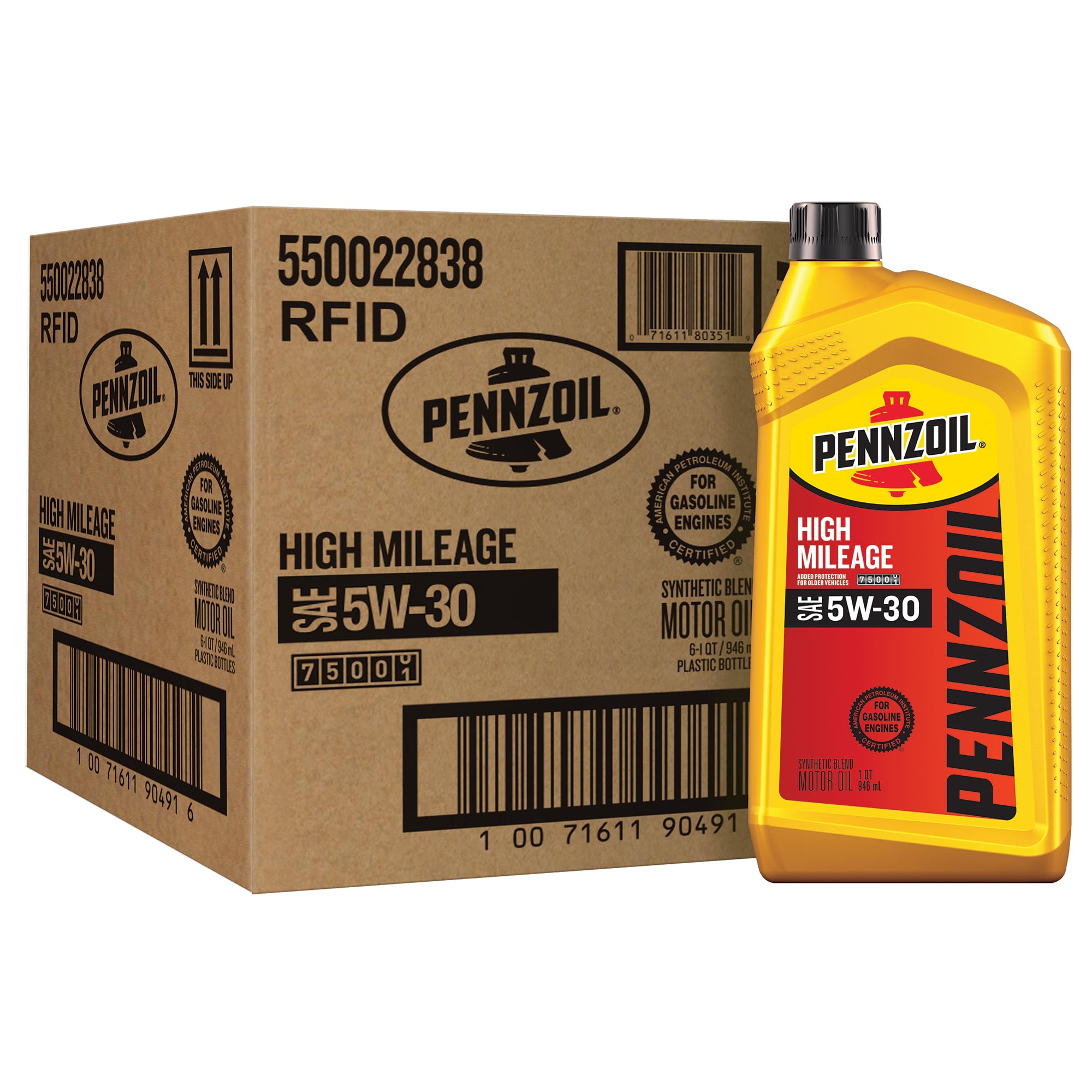
Six quarts of leak-sealing protection for cars past their prime.
This Pennzoil formula is a synthetic blend (a mix of conventional and synthetic base oils) specifically designed to help stop leaks and reduce oil consumption in worn engines — the common problems that crop up after 75,000 miles. The six-pack of single quarts is a smart buy for anyone who wants a full oil change plus a quart for top-ups, or for vehicles that take more than 5 quarts. It’s a great value, and owners praise both the price and the quality.
The high-mileage formula is recommended for vehicles with more than 75,000 miles and is proven to prevent sludge (the thick, tar-like deposits that clog oil passages) and other damaging deposits. It also provides proven wear protection, which is critical for engines with more miles on them. A Ford Explorer owner with about 230,000 miles reports the “motor runs great” — exactly the kind of outcome this oil is designed to deliver. It’s also suitable for modern turbocharged engines, as it provides protection against low-speed pre-ignition.
At 11.9 pounds for the case of six, it’s a bit heavier than buying a single 5-quart jug, but the convenience of individual bottles is a plus for precise pouring. Unlike the Mobil 1 High Mileage full synthetic, this blend offers a budget-friendly way to get high-mileage protection. If you’re looking for leak-sealing additives without the full synthetic price tag, this is one of the best values here.
The call: A fantastic value for high-mileage cars, pairing leak-sealing additives with sludge prevention in a convenient six-pack.
Worth noting: It’s a blend, not a full synthetic, so if your engine demands full synthetic, look at the Mobil 1 High Mileage instead.
6. Mobil Full Synthetic High Mileage Motor Oil 5W-30

The full synthetic that gives older engines a second wind.
For vehicles with over 75,000 miles that are making the jump from conventional oil, this Mobil 1 High Mileage formula is a top-tier upgrade. It provides protection that lasts 1.5X longer than conventional or synthetic blend oils, going up to 7,500 miles between changes. The bottle features a seal conditioner (an additive that helps rejuvenate engine gaskets to prevent leaks) and a balanced additive system that fights sludge and deposits, a common cause of engine wear in older cars.
Owners of classic and older cars are particularly fond of this one. A 20-year-old car owner calls it “premium oil” that runs and sounds smooth, keeping the vehicle running well until the next service. An F150 with 177,000 miles performs well on it, and a 5.0-liter FX4 owner bumped the viscosity up to 30W for the Arizona heat, noting its quality. It’s recommended for all types of gasoline-powered vehicles, including turbocharged ones, and meets API SP resource-conserving standards.
If engine cleanliness and long-term protection are your top priorities, this is the high-mileage oil to get.
Why It Shines
- Full synthetic protection for high-mileage engines
- Rated for up to 7,500 miles between changes
- Seal conditioner helps prevent frustrating leaks
The Trade-Off
- Premium price over a standard blend
- Six-pack format takes up more shelf space
Choose this if: you want maximum sludge prevention and protection for an older engine and are willing to pay for full synthetic confidence.
Pass on it if: you just want to stop a small leak cheaply — the Pennzoil blend will do that for less.
7. Motorcraft Engine Oil 5W-30
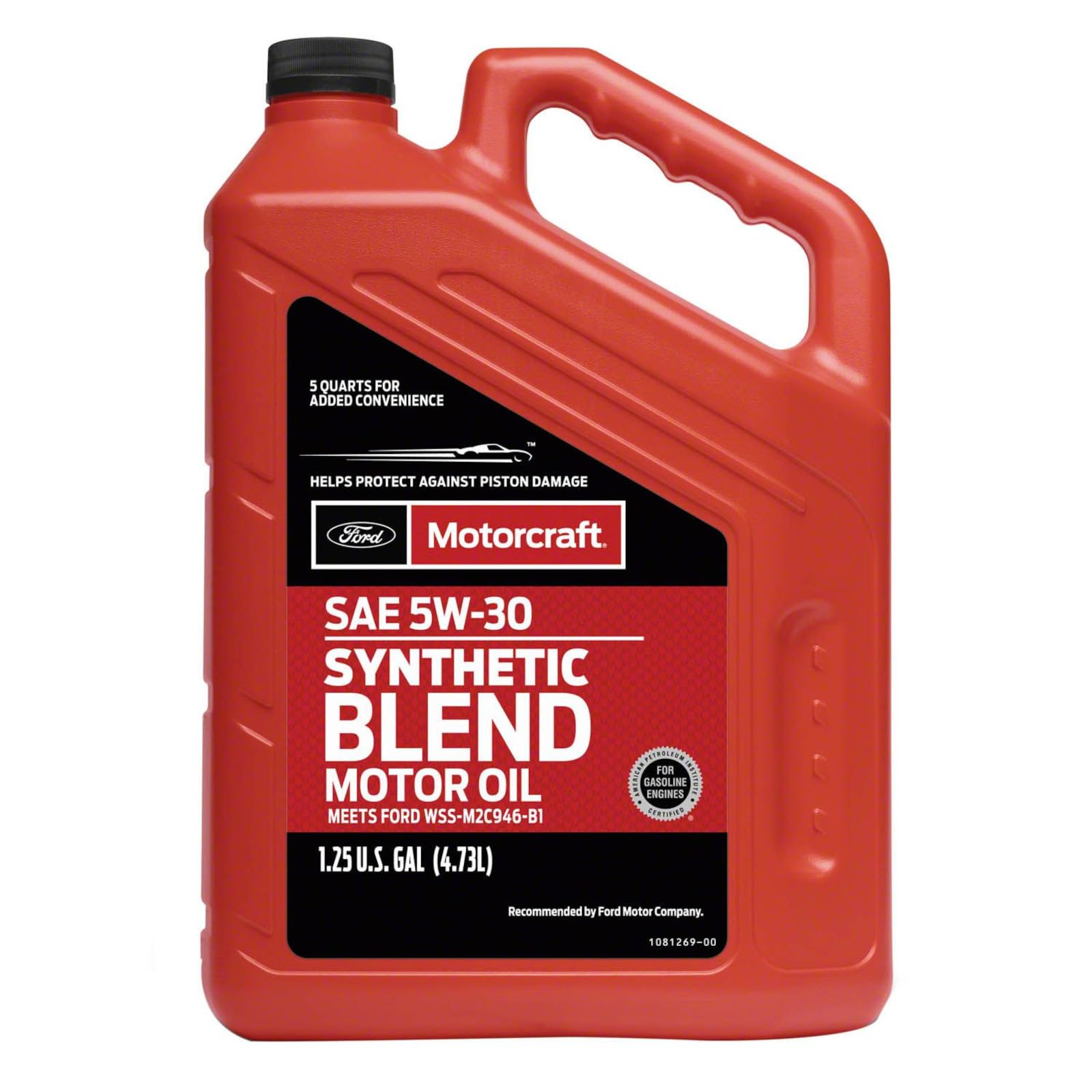
The gold standard for Ford and Lincoln engines, straight from the source.
If you drive a Ford, there’s a strong argument for using the oil the factory itself recommends. Motorcraft is the official parts brand for Ford, Lincoln, and Mercury, and this full synthetic 5W-30 is a favorite among owners of the 2.7 EcoBoost and other modern Ford engines. It’s designed with the professional in mind, offering a high flash point of 446°F (the temperature at which the oil can ignite), which indicates excellent resistance to high-temperature breakdown. A Lincoln owner who is “really particular” about oil always uses Motorcraft in his vehicle.
Buyers call it the right oil for the 2.7 EcoBoost (a turbocharged Ford engine), a confident endorsement from owners who demand the correct spec. They report smoother running engines, less noise, and the confidence of using the factory-fill brand. This premium pick preserves the resale value and reliability of your Ford or Lincoln, and it’s a great value compared to the dealership parts counter.
The 5-quart jug is the standard size for most vehicles, and at 9 pounds, it’s one of the lighter options here if you are carrying it from the garage to your workbench. It’s a universal fit for cars, SUVs, trucks, and vans. For anyone who wants zero guesswork on what to pour into their Blue Oval product, this is a no-brainer.
Built For
- Ford, Lincoln, and Mercury vehicles
- EcoBoost engines specifically
- High flash point (446°F) for heat resistance
Keep In Mind
- No real benefit if you don’t drive a Ford product
- Premium price point
Reach for this if: you want the exact OEM-recommended oil for your Ford or Lincoln to maintain warranty and performance.
Look elsewhere if: you drive a non-Ford vehicle where a universal full synthetic will do the same job for less.
8. Castrol GTX MAGNATEC 5W-30 Full Synthetic

The wear-fighting synthetic with a legion of loyal fans.
This Castrol GTX Magnatec is a crowd favorite, with buyers reporting it dramatically reduces engine wear and leaves critical engine parts 4X smoother in the industry Sequence IVA wear test. Its “smart molecules” cling to engine parts, providing a protective layer from the moment you start the engine. This makes cold starts much kinder to your engine, a real benefit in winter. A 2004 Silverado 5.3L owner with 210k miles switched to it and reports it “quiets lifter noise on cold starts, especially winter.”
The value here is a huge part of its appeal. It’s a great price for a 5-quart jug of full synthetic, and owners who change their oil frequently (every 2,000-3,000 miles) find it to be a brilliant deal. It performs well in a variety of vehicles, from a 17-year-old Toyota RAV4 to a 1996 Civic, and even holds up during heavy driving. One owner ran a Blackstone oil analysis (a lab test that checks for wear metals) after a year-long interval and found no unusual wear, which is a solid testament to its durability. The oil is a beautiful light brown and keeps engines clean.
Note that the data states this product transitioned to a new “GTX Full Synthetic” name in 2022, so you might see the new branding on the shelf. While it’s not considered a top-tier oil like Royal Purple or Amsoil by some enthusiasts, it consistently beats out other mid-range options on quality and durability. If you want excellent wear protection and value for money in one jug, this is a very strong contender.
What Wins People Over
- Excellent value for a full synthetic
- Molecules cling to parts for cold-start protection
- Helps quiet noisy lifters on older engines
The Caveat
- Enthusiasts note it’s not quite top-tier vs. premium brands
- Brand name change to “GTX Full Synthetic” may cause confusion
Best if: you want a high-quality full synthetic that reduces wear and quiets cold starts without the ultra-premium price.
Think twice if: you’re chasing the absolute maximum performance and are willing to pay for a higher-tier oil like Royal Purple.
9. Royal Purple High Performance Synthetic 5W-30

The high-performance favorite that’s as distinctive as its name.
This is the oil enthusiasts reach for when they want the very best. Royal Purple’s High Performance 5W-30 is a premium full synthetic that boasts better wear protection, increased fuel efficiency, and better protection of the expensive catalytic emission system (the part that cleans your exhaust gases). The distinctive purple color is a badge of honor in the car community, and owners love it. It’s a favorite for high-performance vehicles where engine protection is essential.
Customers note smoother engine operation and increased fuel mileage, with some running it up to 12,000 miles between changes. One high-mileage truck owner notes it provides smoother performance while keeping its purple color, a fun visual check that the oil is still fresh. It’s excellent for turbocharged or supercharged engines, or any engine modified for more power. It’s the priciest option here, but for many, the confidence for a performance engine is worth it.
The 5-quart jug covers the majority of cars, and at 8 pounds, it’s the lightest 5-quart container on this list, which makes pouring and handling a bit easier. Reviewers point out it comes at a good price compared to local auto parts stores, making it a smart buy online. If you own a performance car and want a top-tier synthetic from a brand with a cult following, this is the one to grab.
Why It’s Premium
- Top-tier wear protection for high-performance engines
- Engineered to improve fuel efficiency
- Protects costly catalytic emission systems
The Only Downside
- Premium price point is the highest in this lineup
Reach for it if: you drive a performance or heavily modified vehicle and want a top-tier full synthetic that can go the distance.
Pass it by if: you drive a stock commuter car and just need reliable, budget-friendly protection — you won’t open up any extra benefit.
Understanding the Specs
Viscosity: The 5W-30 Mystery
Viscosity is just a fancy word for thickness. It’s measured by the Society of Automotive Engineers (SAE) with a grade like “5W-30”. The “5W” (Winter) means the oil stays thin enough to flow easily in freezing temperatures, helping your engine start. The “30” means it thickens up at high temperatures to maintain a protective film. Your owner’s manual tells you exactly which grade to use, and you should always stick to it.
API Rating: The Safety Certificate
Look for the API “Donut” symbol on the bottle. API stands for the American Petroleum Institute, and the rating (like “SP” or “SN”) tells you the oil meets the latest standards for protecting your engine. An oil with an “SP” rating is the newest and best for modern cars, while older letters like “SL” or “SJ” might not provide enough protection for today’s engines. Matching the API rating to your car’s year is as important as the viscosity.
FAQ
What is the difference between full synthetic and synthetic blend oil?
How do I know if I need high-mileage oil?
What does the “W” stand for in 5W-30?
Can I use 5W-30 oil in a car that specifies 5W-20?
How many quarts of oil does my car need?
Is it bad to mix different brands of synthetic oil?
How often should I change my synthetic oil?
Does using premium oil like Royal Purple improve fuel economy?
My car leaks oil. Will high-mileage oil stop the leak?
Is Quaker State a good oil brand?
Final Thoughts: The Verdict
The best types of oil for cars match your engine’s specification and your driving habits. The crowd favorite at 4.9 stars is the Liqui Moly Special Tec for its smoothness and quality in European cars. For a high-mileage vehicle, the Valvoline MaxLife is the value pick for keeping it running. For trucks that tow and haul, the Mobil 1 Truck & SUV offers heavy-load protection. Start with your owner’s manual, and choose the formula that fits your car’s age and your demands.
How We Picked
We do not accept paid placement. Every pick is matched to a real buyer and a real use-case; we do not hands-on test units.
Sources & Methodology
Specifications: manufacturer listings and product documentation. Review insights: verified customer reviews, as of August 2026. Pricing: not shown on this page (it changes often); check the current price via the retailer link.
As an Amazon Associate, GoCarLife earns from qualifying purchases. This does not affect which products we feature.