
Our readers keep the lights on and the garage heater humming. As an Amazon Associate, I earn from qualifying purchases.
Specs are compiled from manufacturer listings and verified buyer reviews and can change over time — please confirm the key details on the product page before buying.
Choosing tires for your car can feel like decoding a secret language of numbers and rubber compounds. The right set changes how your car stops, steers, and feels in rain, snow, and on dry pavement. This guide breaks down the main categories — all-season, winter, all-weather, performance, and all-terrain — so you can match the tire to your driving life.
I’m Mo Maruf — the founder and writer behind GoCarLife. This guide is built by comparing the manufacturers’ published specifications and the patterns across verified customer reviews, so you get each pick’s real strengths and trade-offs instead of marketing spin.
Understanding these categories helps you match tires to your climate and driving style. types of tires for cars explained here help you match rubber to real driving conditions.
Our Picks at a Glance


How To Choose The Best Types of Tires for Cars
The first decision is matching the tire category to your climate and driving habits. A commuter in Atlanta needs something different than a mountain driver in Colorado, and the rubber compound is what really separates them.
Match the Category to Your Season
All-season tires handle warm months and light rain well, but their rubber hardens in freezing temperatures. Winter tires stay soft and flexible below 45°F, which is why they grip snow and ice far better. All-weather tires, like the Michelin CrossClimate2, sit between them — they carry the three-peak mountain snowflake symbol but stay mounted year-round.
Decode the Numbers on the Sidewall
That string of numbers, like 205/55R16, tells you the width in millimeters, the sidewall height as a percentage of width, and the rim diameter in inches. The letter after that, like 91H, combines a load index (how much weight the tire can carry) and a speed rating. Choosing a tire with a lower load index than your car needs is a real safety risk, so match or exceed what the door sticker recommends.
Consider Tread Life Warranty
Manufacturers back their tires with mileage ratings — 60,000 or 80,000 miles is common for touring all-seasons. These numbers assume proper rotation and inflation. A higher treadwear warranty often means a harder compound that lasts longer, but you might trade a bit of ultimate grip for that longevity.
Quick Comparison
| Model | Best For | Category | Diameter | Load Capacity | Amazon |
|---|---|---|---|---|---|
| Cooper Evolution Winter★ Best Overall | Deep snow & steep driveways | Studdable Winter | 25 in | 1521 lbs | Amazon |
| Goodyear Assurance All-SeasonQuiet Highway Pick | Quiet highway commutes | Touring All-Season | 24.9 in | 1356 lbs | Amazon |
| Pirelli P Zero All SeasonSport Sedan Star | Sporty sedans & cornering | Performance All-Season | 26.3 in | 1477 lbs | Amazon |
| Michelin Defender2 | Maximum tread life | Touring All-Season | 16 in | 1356 lbs | Amazon |
| Bridgestone Blizzak WS90 | Ice & packed snow | Studless Winter | 24.9 in | 1356 lbs | Amazon |
| Michelin CrossClimate2 | Year-round snow capability | All-Weather | 26.3 in | 1477 lbs | Amazon |
| BFGoodrich All-Terrain T/A KO3 | Off-road & gravel durability | All-Terrain | 31.6 in | 3415 lbs | Amazon |
In-Depth Reviews
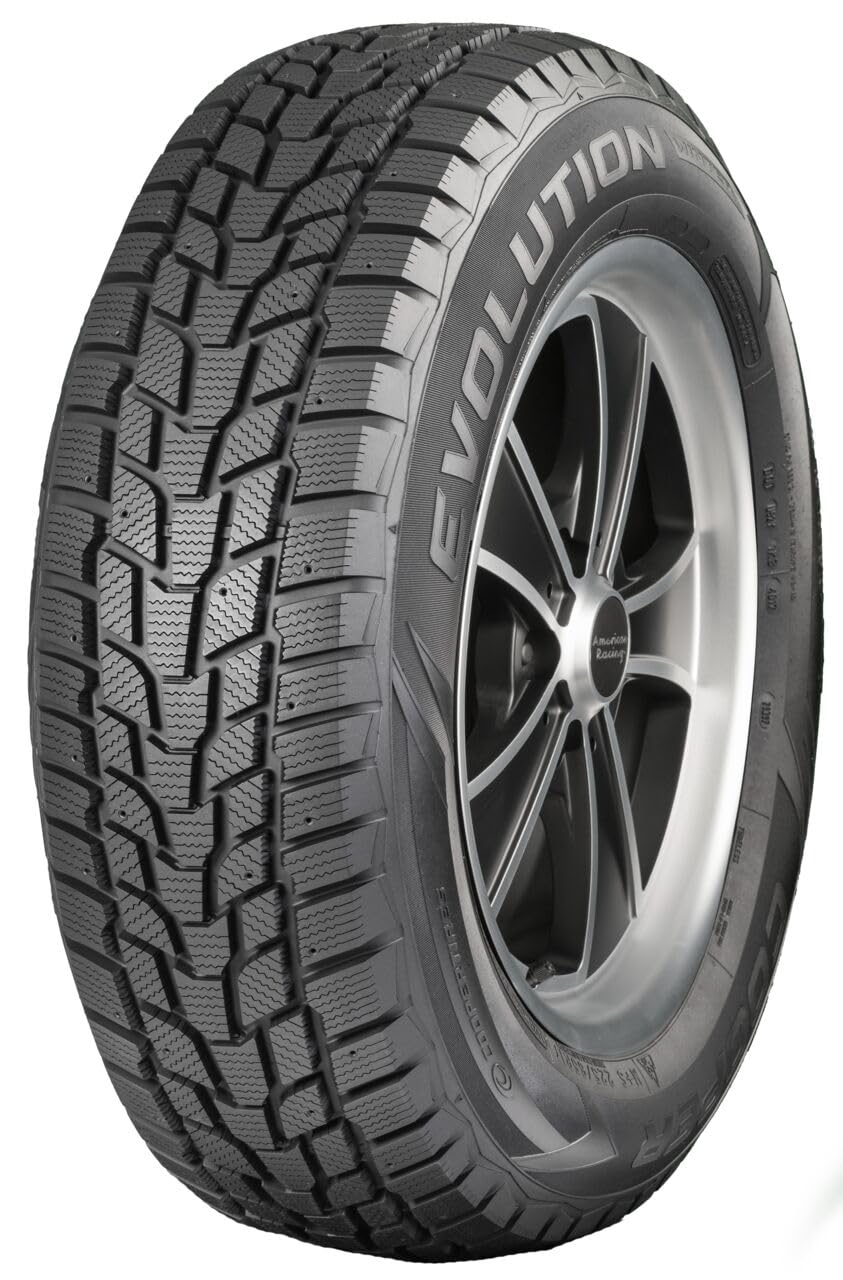
1. Cooper Evolution Winter
Our pick — over 4.5★ from 750+ verified ratings; the strongest balance of quality and price.
The snow tire that climbs a 13% grade in a foot of powder without sliding
When winter arrives with serious snowfall, this is the tire buyers turn to — it’s the crowd favorite among 700+ owners who rate it 4.7 stars. The rubber is built for deep snow, and the severe weather rating means it carries the three-peak mountain snowflake symbol, the industry’s mark of real winter capability. Unlike the Bridgestone Blizzak below, this one is studdable, so you can add metal studs for extra ice grip in extreme areas.
Buyers report it powers through a steep 13% grade driveway in 1 foot of snow with no sliding, and one owner ran it on a FWD minivan with negligible noise and excellent grip on an icy uphill. It’s a dedicated winter tire, so you’ll swap it out in warmer months — but for a dedicated set, the 1521-pound load capacity and 20.1-pound weight show a solid, substantial build.
If you drive in heavy snow, the Cooper is the specialist here: it gives up some year-round versatility for cold-weather grip that the Goodyear all-season in this list can’t match. In real-world tests at 80 mph on packed snow, trucks were getting stuck while the Cooper kept going—that’s the traction buyers rave about.
What Owners Love
- top-tier deep snow traction with the three-peak certification
- Studdable design for extreme ice conditions
- Quiet on dry pavement for a winter tire
- Excellent value compared to premium winter brands
What To Know
- Dedicated winter tire — not for year-round use in warm climates
- Soft compound wears faster on dry roads in spring
Reach for it if: you face real snow and ice every winter and want a tire that won’t leave you stuck.
Look elsewhere if: you live in a mild climate and only see light frost — an all-season would serve you better.
2. Goodyear Assurance All-Season
Silent cruiser that fixes vibrations, whining, and pulling on older sedans
Goodyear engineered this touring all-season for the daily commute, with wide tread grooves that push water and slush away for wet traction. At 16.5 pounds, it’s featherlight compared to the 38-pound Fullway pair — a 2.3x gap that means less unsprung weight and a smoother, more compliant ride. The tune tread pattern reduces road noise, and large stable shoulder blocks give confident handling in the dry.
The 65,000-mile tread life rating is the headline for value seekers. Owners mention it fixed whining, shaking, and pulling on a 2009 VW Jetta, and one owner ran 10,000 miles on a Kia Soul with the tires still looking new. It’s the sensible choice for a family sedan, delivering most of the comfort of premium Michelins at a friendlier price.
The trade-off: this is a touring tire, not a performance one. If you carve canyons on weekends, the Pirelli P Zero below responds sharper. But for a quiet, confident, all-weather commuter tire that won’t drain your wallet, the Assurance is tough to top.
True versatility: handles wet, dry, and light snowy conditions all year, with a 65,000-mile warranty backing the long haul.
Fit note: a few deliveries have arrived with cosmetic wear, so inspect on arrival.
3. Pirelli P Zero All Season
Cornering confidence with sipes that bite in snow and grooves that fight hydroplaning
If your car wears a sport badge and you push it through corners, this Pirelli is tuned for you. The lateral siping on the outer blocks boost cornering performance, while winter siping on the inner blocks improves snow traction — a dual-purpose design that makes it a true all-season with a performance edge. It’s the largest tire here at 26.3 inches diameter, a 6% jump over the Goodyear’s 24.9 inches, which translates to a more planted feel.
Customers note a “smooth ride excellent wear,” and one owner runs them on a heavy 2020 VW Passat and calls them the only tire they’ll buy. The variable-sized tread elements use a specific pitch sequence to minimize cabin noise, so you get sporty handling without the drone. The 1477-pound load capacity and a 94V speed rating mean it handles higher speeds and heavier loads with confidence.
This is a performance-focused all-season, so deep snow is not its home turf — that’s the Cooper’s job. But for year-round grip on a sports sedan, with excellent wet and dry margins, the P Zero punches well above its size.
Handle master: the circumferential grooves rapidly clear water to cut hydroplaning risk, so heavy rain feels controlled.
Best fit: sporty sedans and coupes; buyers on a 2013 Camry and 2020 Passat both report excellent wear with 5,000-mile rotations.
4. Michelin Defender2

The longest-lasting tire Michelin makes, rated to outlast rivals by up to 25,000 miles
Michelin calls the Defender2 its longest-lasting tire, and the numbers back it up: an 80,000-mile treadwear warranty backed by a 6-year limited warranty. In a treadwear test, it outlasts three leading competitors by up to 25,000 miles, making the higher price a long-term value. The 21-pound touring tire is built for the Camry, Accord, and CR-V crowd.
Locking 3-D Sipes create hundreds of biting edges for extra grip, improving stopping distances on wet and dry pavement. Reviewers point out excellent wear on a high-caster Mercedes-Benz, with quiet highway cruising and stable high-speed steering. One owner notes the tires are rated to last about 85,000 miles in practice.
The honest trade-off is price—this is among the most expensive touring tires in this guide. But if you plan to keep your car for five-plus years, buyers find the math works in Michelin’s favor: at 4.9 stars across 122 ratings, it holds the highest score in this list for a reason.
Long-haul leader: the 80,000-mile treadwear warranty is among the best in the business, and reviewers confirm real-world durability.
Premium cost: you pay more upfront, but the lifespan typically makes up for it in fewer replacement cycles.
5. Bridgestone Blizzak WS90

The gold standard for ice, with embedded bits that bite into slick surfaces
The Blizzak name is legendary in winter driving, and the WS90 carries that reputation. Its studless design uses microscopic bit particles molded into the rubber to create traction on pure ice — a different approach than the Cooper’s studdable tread. At 21.8 pounds with a 1356-pound load capacity, it’s a purpose-built winter tire that buyers call the best they’ve found for snow and ice.
One owner sums it up plainly: “Hands down the best tire for driving in snow.” Shoppers say excellent traction on wet snow, slush, and ice, with a minor dry-road noise that’s an acceptable trade for the grip. Another notes the soft rubber isn’t made to last on dry spring roads, which is true of all winter tires — it’s a seasonal tool, not a year-round tire.
Compared to the Cooper, the Blizzak is the studless specialist for icy urban winters, while the Cooper handles deep unplowed snow with the option of studs. If you drive on ice-glazed highways all January, the Blizzak’s bit-particle grip is confidence you can feel in the steering wheel.
Ice grip leader: the embedded bit particles give it an edge on pure ice that few tires match.
Seasonal only: the soft compound wears fast in warm months, so treat it as a dedicated winter set.
6. Michelin CrossClimate2
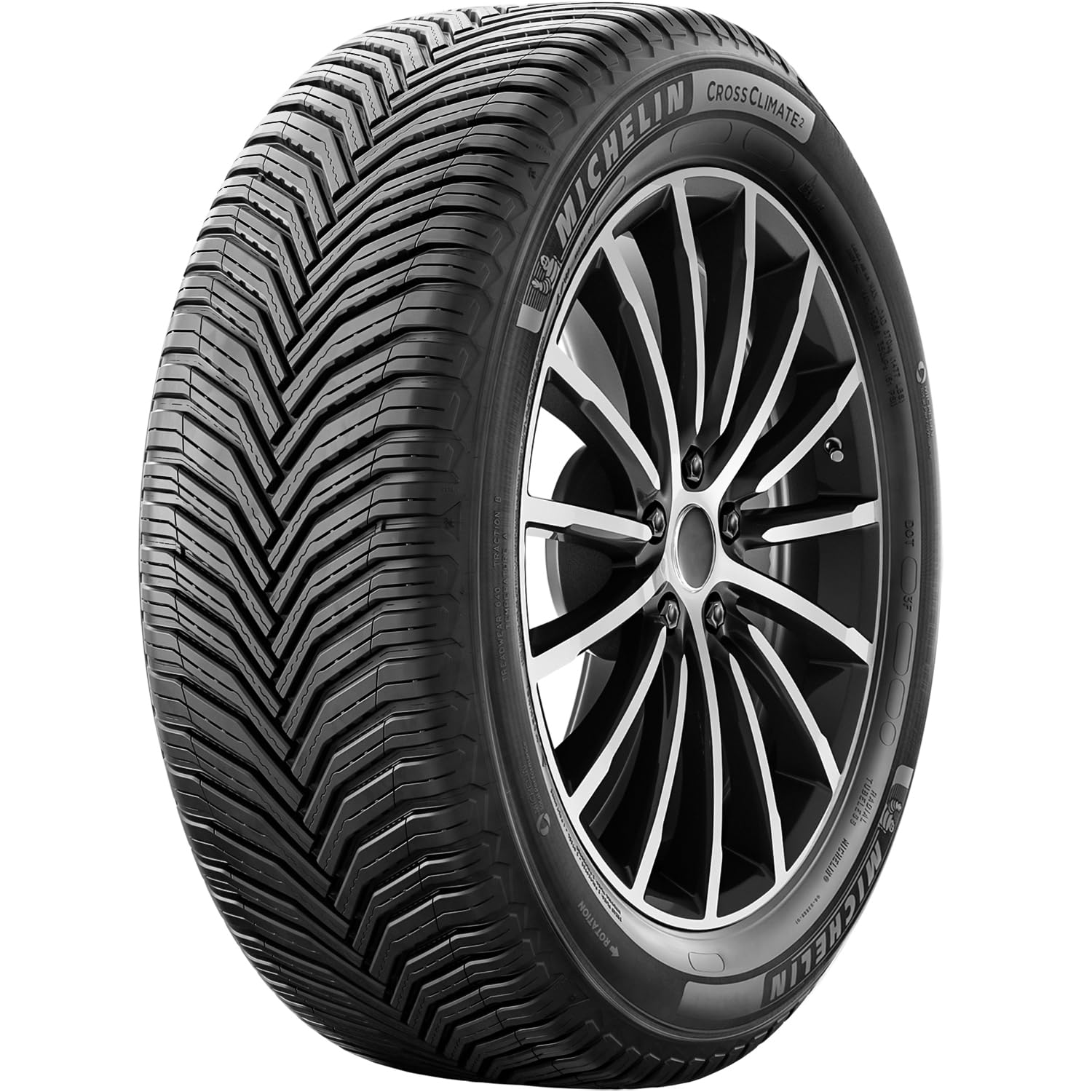
The all-season that carries a snowflake badge, so you skip the seasonal swap
This is the clever middle ground for buyers who want snow capability without maintaining two sets of tires. The CrossClimate2 is an all-weather tire — it carries the three-peak mountain snowflake symbol like a winter tire but stays mounted year-round. Michelin claims it stops shorter than four leading competitors in dry and wet conditions and lasts up to 15,000 miles longer.
Buyers report “great winter traction, both light snow and rain,” with one owner traveling through 25 states across all seasons without issue. At 26.3 inches diameter with a 1477-pound load capacity, it matches the Pirelli in size but trades some pure sportiness for genuine all-weather confidence. The 60,000-mile treadwear warranty is solid for this category.
The cost is toward the premium end, and it’s not the absolute best in deep snow compared to a dedicated winter tire. But for someone who faces occasional snow and wants the convenience of leaving one set on all year, this is the smartest compromise in the guide.
Convenience win: real snow certification with no seasonal swap means one purchase covers you all year.
Compromise: deep-snow purists will still prefer a dedicated winter set like the Cooper above.
7. BFGoodrich All-Terrain T/A KO3

Baja-racing sidewall tech that shrugs off sticks, stones, and gravel
For trucks and SUVs that leave the pavement, the KO3 is the evolution of the legendary KO2. The CoreGard Technology, developed for Baja racing, gives the sidewall exceptional toughness against cuts and impacts. The Advanced Deflection Design deflects sticks and stones before they can split the rubber — a real concern on gravel roads. At 31.6 inches diameter and a massive 3415-pound load capacity, it’s built for serious hauling.
Owners mention “quieter, better traction in rain, good in mud (for all terrains), great in snow” compared to the KO2. One owner put them on a 2018 Ram 3500 dually and handled well in snow the day after mounting. The 50,000-mile treadwear warranty offers confidence for a tire that sees rough duty.
The grip is excellent, but this is a purpose-built off-road tire — the aggressive tread trades some highway refinement for trail capability. The Mastertrack below offers a more budget-friendly route to similar capability, but the KO3’s reputation and warranty justify its premium position for serious off-roaders.
Trail-ready: the serrated shoulder design and mud-phobic bars improve on the KO2’s legendary mud and snow traction.
Pricey but proven: owners call it “pricey but worth it” for the durability and grip.
8. Fullway HP108 All-Season
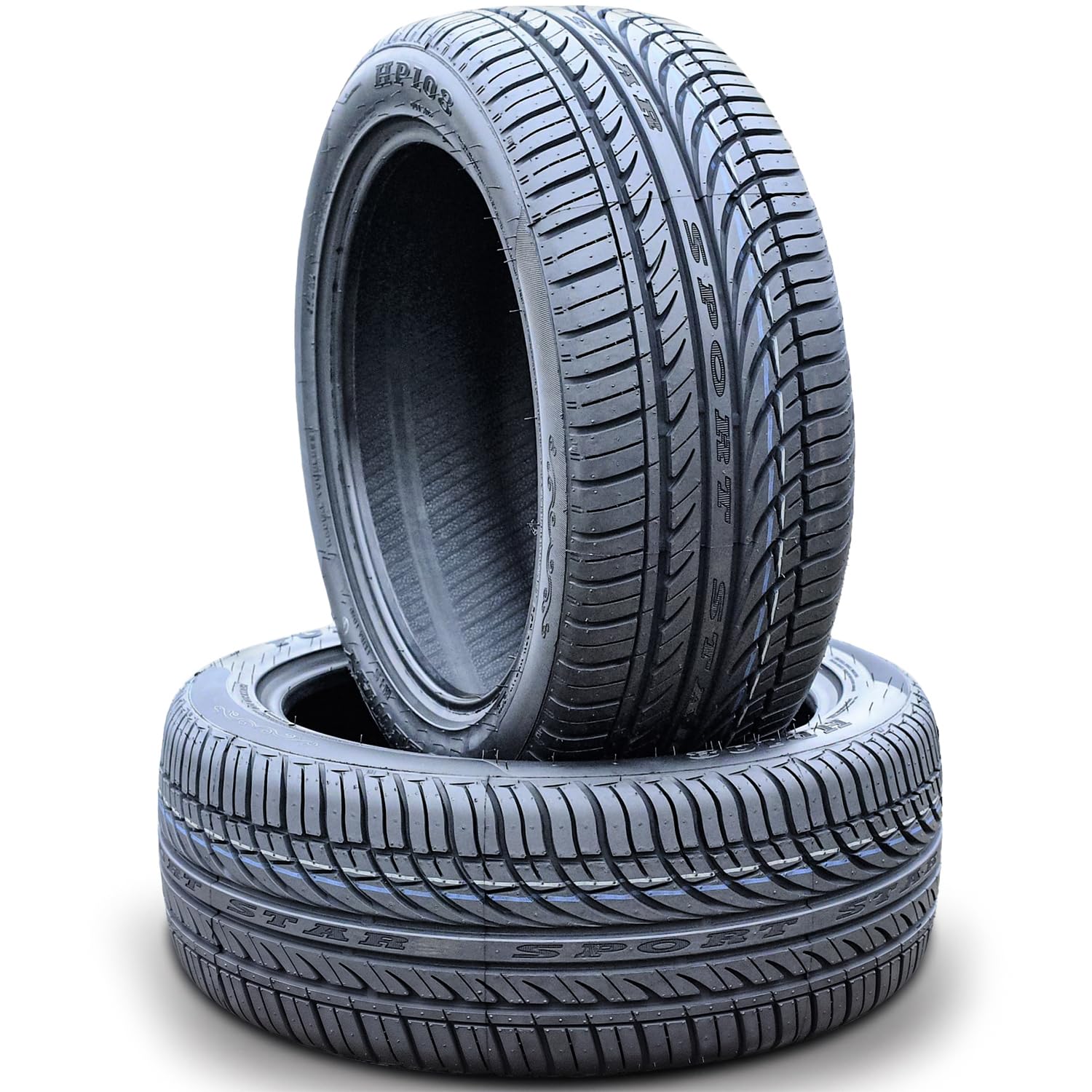
Entry-level all-season that customers note rides smooth and holds up well
For a budget-friendly all-season, the Fullway HP108 delivers surprising comfort. Reviewers point out a “super smooth ride” with good fit and a durable feel, and the 4-ply rated construction handles standard passenger duty without complaint. At 1356 pounds load capacity with a 91H speed rating, it meets the requirements of most commuter sedans.
The quality reputation is the strong point — with quality the most-mentioned positive across reviews, owners find it holds up well for an off-brand tire. At 38 pounds for a pair, each tire runs about 19 pounds, a reasonable weight for the class. The 44 psi maximum pressure gives room for proper inflation tuning.
The honest caveat is durability — feedback is mixed, with some owners reporting long life while others note sidewall concerns. This is the entry-level choice for a commuter on a tight budget who needs a competent tire now, not a long-haul performer like the Michelin above.
Wallet-friendly: the value proposition is strong, with buyers praising the price-to-quality ratio.
Manage expectations: durability feedback is mixed — treat it as a solid budget stopgap.
9. Fullway HP108 High-Performance
Sporty sizing and extra load capacity at a price that undercuts the big brands
This is the sportier sibling of the Fullway above, sized at 215/45ZR17 with an extra load (XL) rating and a 49 psi maximum pressure. It’s built for drivers who want a lower-profile performance look without the premium price tag of a Pirelli or Michelin. At 44 pounds for a pair, it’s a substantial tire for the class.
Buyers on a 2017 Corolla Sport report a good fit with no noise, and owners of the 8th and 9th Gen Civic Si run them with satisfaction. The quality and value-for-money are the most-mentioned positives, with one owner clocking three years of heavy driving on a set. The 91W speed rating handles higher-speed cruising.
The trade-off mirrors the standard HP108 — durability gets mixed reviews, and one owner found vibrations above 60 mph until moving them to the rear. It’s a budget performance option that delivers the look and decent grip, with the understanding that the big brands offer more longevity.
Smart buy: the XL construction adds load capacity for heavier vehicles without the brand tax.
Fit note: one buyer solved highway vibration by moving these to the rear axle.
10. Bridgestone WeatherPeak

A quiet, long-lasting touring tire with true all-weather protection for CUVs
Bridgestone positions the WeatherPeak as the next evolution of the all-season — a touring tire with genuine all-weather protection. At 29.1 inches diameter with a 1929-pound load capacity, it’s built for crossovers and SUVs that need to carry more weight than a sedan. The 103H load index means it handles heavier vehicles comfortably.
Shoppers say “superior wet and dry grip,” and one owner calls it one of the best purchases they’ve made for their car, noting it’s “a little overpriced but worth it.” The quiet ride is a consistent theme, and the UTQG 700AA rating (a standardized treadwear grade, where higher numbers mean longer life) signals a harder compound for longer tread life. One buyer confirmed the DOT codes show recent production.
It sits in the mid-range on price, offering a good balance between the budget Fullway options and the premium Michelin. If you drive a heavier crossover and want all-weather security with touring comfort, the WeatherPeak is a solid, proven choice.
SUV fit: the 1929-pound capacity suits heavier crossovers that would strain a standard passenger tire.
Balance: not the cheapest or the priciest — a sensible mid-range all-weather touring pick.
11. Mastertrack BADLANDS AT

Aggressive stance and 10-ply toughness that buyers call a huge bargain
For truck owners wanting the all-terrain look without the big-brand price, the Mastertrack BADLANDS delivers. The 10-ply E rating means serious sidewall strength for off-road punishment, and the 50,000-mile treadwear warranty backs its durability. At 32.64 inches diameter with a 3525-pound load capacity, it’s the largest and strongest tire here.
Buyers on a Toyota Tacoma report 8 months of trouble-free use with a smooth ride and great look, calling it a “huge bargain.” The self-cleaning tread ejects rocks and mud as you drive, and the deep circumferential grooves channel water to reduce hydroplaning. One owner was surprised how quiet it is on the highway despite the aggressive tread.
The 3-year road hazard warranty is a standout inclusion — coverage for bulges, air leaks, and blowouts within the first 4/32nds of tread wear. Compared to the BFGoodrich KO3 above, this is the budget route to similar capability. The trade-off is noise: feedback is mixed, with some owners finding them “very noisy” on the road.
Value truck: the included road hazard warranty and 50,000-mile tread wear coverage are rare at this price.
Noise variable: some owners find the aggressive tread loud — a fair trade for the off-road grip.
Understanding the Specs
Load Index & Load Range
The load index is a number (like 91 or 103) that tells you how much weight a single tire can safely carry. A higher number means more capacity — the Cooper’s 95 rating carries 1521 pounds, while the Bridgestone’s 103 rating handles 1929 pounds. Load range letters (SL, XL, E) indicate the ply rating and sidewall strength, with E being the toughest for trucks.
Speed Rating
The letter after the load index (H, V, W, S) is the maximum speed the tire is rated for. H means 130 mph, V means 149 mph, and W means 168 mph. For most drivers, matching the speed rating on your door sticker is sufficient — going higher won’t hurt, but going lower can be unsafe at highway speeds.
FAQ
What is the difference between all-season and all-weather tires?
How do I read the tire size on my car?
Are winter tires worth it if I only see light snow?
What does the three-peak mountain snowflake symbol mean?
Can I mix winter tires on the front and all-seasons on the rear?
How long should a set of tires last?
What is an extra load (XL) tire and do I need it?
Is a higher speed rating better?
Final Thoughts: The Verdict
For most drivers, the types of tires for cars winner depends on your climate. If you face serious winter snow, the Cooper Evolution Winter is the crowd favorite with its studdable tread and three-peak certification. For year-round versatility with minimal compromise, the Michelin CrossClimate2 lets you skip the seasonal swap entirely. And for the longest tread life on a budget, the Michelin Defender2 pairs an 80,000-mile warranty with 4.9-star owner satisfaction. Match the category to your weather and driving style for safer miles.
How We Picked
We do not accept paid placement. Every pick is matched to a real buyer and a real use-case; we do not hands-on test units.
Sources & Methodology
Specifications: manufacturer listings and product documentation. Review insights: verified customer reviews, as of August 2026. Pricing: not shown on this page (it changes often); check the current price via the retailer link.
As an Amazon Associate, GoCarLife earns from qualifying purchases. This does not affect which products we feature.