
Our readers keep the lights on and the garage heater humming. As an Amazon Associate, I earn from qualifying purchases.
Specs are compiled from manufacturer listings and verified buyer reviews and can change over time — please confirm the key details on the product page before buying.
Your car’s factory paint takes a beating every day from rock chips, gravel spray, and bug splatter. A paint protection film (PPF) — a clear, tough layer that absorbs that abuse instead of your clear coat — can stop the damage. Your choice depends on one question: do you want a permanent shield or a temporary one for a specific trip?
I’m Mo Maruf — the founder and writer behind GoCarLife. This guide is built by comparing the manufacturers’ published specifications and the patterns across verified customer reviews, so you get each pick’s real strengths and trade-offs instead of marketing spin.
We compared thickness, material type, and real owner experiences to find the vehicle paint protection film that truly guards your ride without turning installation into a nightmare.
Our Picks at a Glance


How To Choose The Best Vehicle Paint Protection Film
Choosing the right film starts with knowing what kind of driving you do. A highway commuter fighting rock chips needs something tougher than a weekend track-day driver who just wants temporary coverage. Match the film to the abuse your car actually faces.
The Material Matters Most
The material type is the single biggest factor in how long a film lasts and how well it protects. TPU (thermoplastic polyurethane) is the premium standard — it stretches, self-heals light scratches, and resists yellowing. Vinyl and PVC are cheaper but far less durable against sun and impact. If you want years of protection, TPU is the way to go; if you need a quick trip shield, a cheaper material can work.
Thickness Is Your Rock Chip Armor
Thicker film absorbs harder impacts, which is why 8-mil (thousandths of an inch) films are popular for hoods and bumpers. But thicker also means stiffer — it fights you on curved surfaces and needs more heat to mold. Thinner film (6 mil) conforms more easily but offers less impact defense. There’s a real trade-off between protection and install difficulty here.
Permanent vs Temporary
Some films are designed to stay on your car for years, while others are meant to be peeled off after a road trip or track day. Permanent PPF uses aggressive adhesive and survives washes and weather. Temporary film is low-tack, easier to remove, and great for protecting paint during transport or a long drive — but it won’t stand up to years of sun.
Quick Comparison
| Model | Best For | Thickness | Material | Size | Amazon |
|---|---|---|---|---|---|
| ARMOR UP★ Best Overall | Best Overall durability | 8 mil | TPU | 12″ x 72″ | Amazon |
| 3M ScotchgardInstall Favorite | Easy install | 6 mil | Polyurethane | 12″ x 84″ | Amazon |
| VViViD Barricade | Long-term gloss | — | Film | 24″ x 96″ | Amazon |
| TRACK ARMOUR | Temporary track-day shield | — | PVC | 6″ x 100′ | Amazon |
| VViViD Bulk Vinyl | Headlight & trim pieces | — | Vinyl | 60″ x 54″ | Amazon |
| HOHOFILM | Self-healing gloss | 8 mil | TPH | 60″ x 79″ | Amazon |
| DIYAH Pro-Shield | Budget bulk coverage | 8.5 mil | TPU | 120″ x 60″ | Amazon |
In‑Depth Reviews
1. ARMOR UP 12″ x 72″ Clear Paint Protection Film
Our pick — over 4★ from 600+ verified ratings; the strongest balance of quality and price.
The crowd-favorite TPU that stretches around curves and shrugs off rock chips
This is the film most owners end up happy with, and the reason is the 8-mil TPU construction — a true thermoplastic polyurethane, not the vinyl or PVC you find on cheaper rolls. TPU stretches and hugs compound curves on a hood’s front edge, which is exactly where paint takes the worst beating. Owners replacing seven-year-old vinyl with this film report it goes on crisp with a seam that’s barely visible.
Installation is genuinely beginner-friendly, which is rare for a film this thick. It stretches well, is repositionable while damp, and the wet install with soapy water removes the time pressure that makes PPF scary. One owner used a 30″ x 6″ cut to shield decals on a Tacoma and found it prevented peeling through washes and polishing. The gloss finish is what wins people over — it looks like a fresh clear coat, not a plastic wrap.
The honest trade-off: curved areas are still a struggle. Even with a heat gun, one owner found it difficult to mold around tight curves and ended up removing it because bubbles and unglued edges looked bad. Buyers report it works well in both hot and cold conditions, but it’s manufactured in South Korea and should not be used on repaired painted surfaces.
What Owners Rave About
- True 8-mil TPU stretches and conforms to curves
- Nearly invisible gloss finish after install
- Beginner-friendly wet install, repositionable when damp
The Real Catch
- Molding around tight curves takes heat and patience
- No larger roll sizes for full-hood coverage
The pick for: first-time DIYers who want a true TPU shield for vulnerable areas like hood edges and fenders.
Think twice if: you’re covering large curved panels — this roll is best for flat and gently contoured surfaces.
2. 3M Scotchgard Clear Paint Protection Bulk Film Roll 12″ x 84″
The 6-mil polyurethane film that’s forgiving enough for a first install
When installation is your biggest fear, this is the film to reach for. At 6 mil thick and made of clear polyurethane with an adhesive backing, it’s thinner than the 8-mil ARMOR UP above, which makes it far more forgiving on curves and edges. The easy-to-work-with nature is the thing everyone notices — one owner applied it to a patio door against dog scratches and found it outperformed a dedicated pet supply shield.
What makes this film special is how fault-tolerant it is. Soapy water is the secret: owners mention that a wet application with a credit card yields a perfect, bubble-free result in about five minutes, while pure water causes wrinkles. It’s so forgiving that one person removed and reapplied it twice without damaging the film. For rock chips and road debris on a car front, this is a proven shield.
The catch is value — the quality is undeniable but the price per square inch runs higher than bulk alternatives, and one owner docked a star specifically for the cost. Long-term durability is a question mark that even happy buyers admit they can’t yet confirm.
Forgiveness factor: The 6-mil thickness and soapy-water technique make this the least intimidating film for a nervous first-timer.
Cost reality: You’re paying a premium for the 3M name and ease — if budget is the priority, bulk rolls stretch further.
Reach for this if: you want a trustworthy, easy install on flat surfaces like a hood or door edges without fighting stiff material.
Look elsewhere if: you need maximum rock chip defense — the thinner 6-mil absorbs less impact than 8-mil options.
3. VViViD Barricade Premium 8 Year Clear Gloss PPF (24″ x 96″)
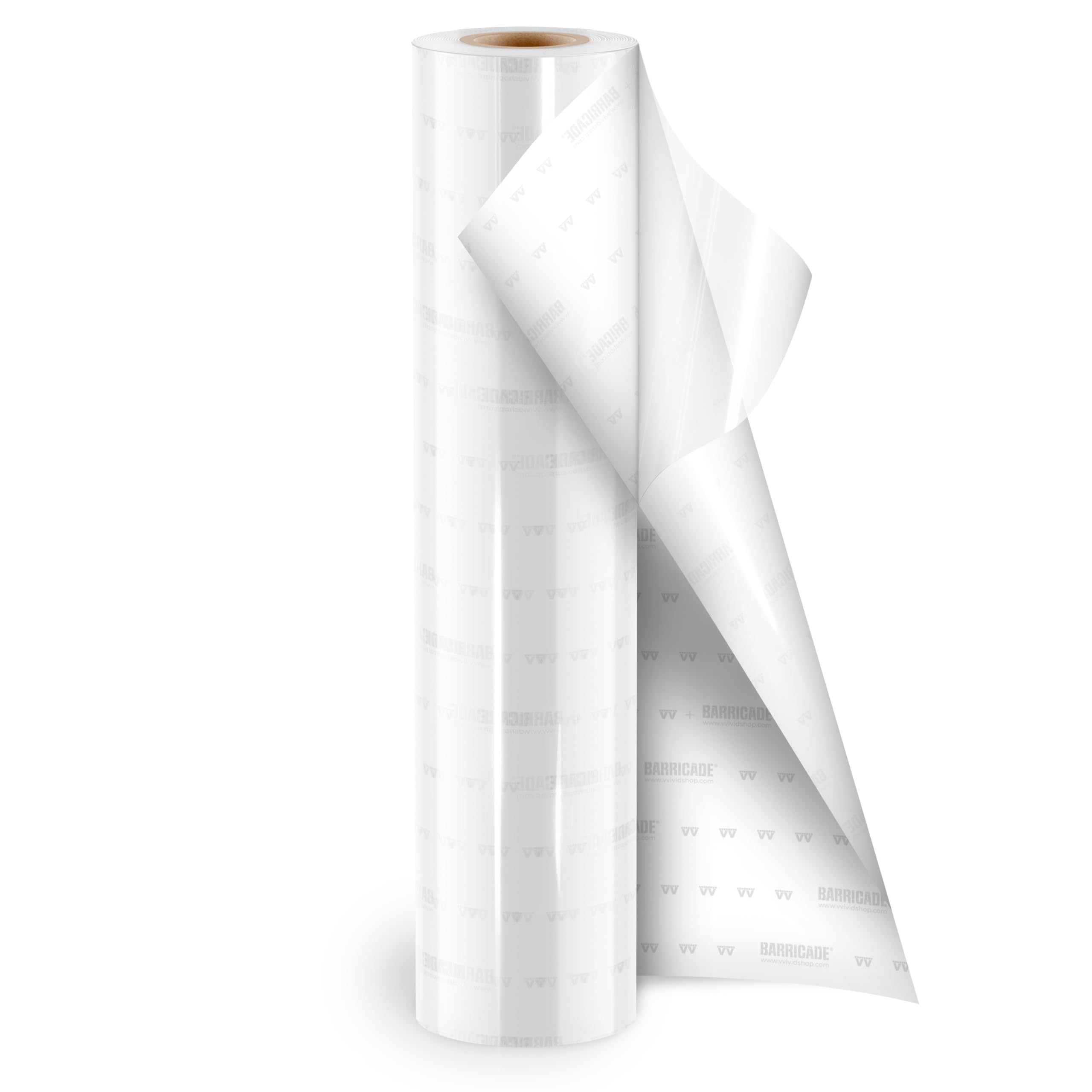
A high-gloss self-healing film built for a five-to-eight-year commitment
If you plan to keep your car looking new for years, not months, this film is for you. VViViD rates it for 5-8 years of protection, and its high UV resistance (protection against sun-induced fading) plus a self-healing top coat (a layer that makes light scratches disappear) keep the finish fresh. The crisp gloss finish is designed to be invisible — one owner applied it to a 1984 Camaro Z28 and said it disappeared on the white and gold pearl paint.
Quality and functionality are what win people over here, and the versatility is a bonus. Beyond full panels, owners found it ideal for smaller jobs like protecting watch clasps and new Corvette headlight lenses. It stretches more than expected and a heat gun helps it work around corners. The real-world installs span everything from classic muscle cars to modern daily drivers.
The honest downsides: adhesion and stretchability get mixed feedback from owners. Some find it adheres well and stretches easily; others report the opposite. There’s no instruction guide included, and one owner noted the actual width measured 58 inches rather than the listed 59. The self-healing quality is real, but perfect installation still takes technique.
Built to Last
- Self-healing top coat erases light scratches
- High UV resistance prevents fading and yellowing
- Versatile — works on panels, headlights, and trim
Needs Patience
- Mixed reports on adhesion and stretchability
- No installation instructions included
Choose this for: long-term protection where gloss and UV resistance matter more than raw impact toughness.
skip it if: you’re a complete beginner — without instructions, the learning curve is steeper than the easy-install picks.
4. TRACK ARMOUR 6″ x 100′ Temporary Paint Protection Film
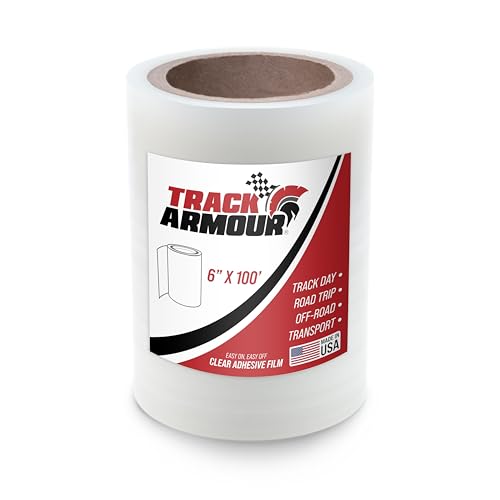
A 100-foot sacrificial barrier that peels off clean after the road trip ends
This is a completely different tool from the permanent films above — it’s a temporary shield meant to be removed, not left on. The 6-inch by 100-foot PVC roll is a sacrificial barrier for track days, road trips, and off-roading. Customers note it stayed in place across a 650-mile track trip, absorbed rock damage, and removed easily with minimal residue — the car looked new after a wash.
The low-tack adhesive is the genius here. It’s repositionable during install, and it’s designed to remove cleanly without solvent or special technique. It withstands rain and sun over trips lasting five days to a week and a half, and one owner used it through 100°F+ heat with no residue left behind. For high-impact areas like bumpers and hood edges, it’s dramatically cheaper than a full PPF wrap.
Know its limits before buying. It tears easily, doesn’t stretch, and at 140+ mph the overlaps peel — one owner saw about 15% lifting at speed. The adhesive can rip off clear coat in rare cases, so careful removal matters. It’s not invisible; bubbles are visible up close, and edges need anchoring with tape for high-speed work.
Sacrificial by design: This film is meant to take the damage so your paint doesn’t — and it’s excellent at that single job.
Not a cosmetic product: It works great but looks like a temporary wrap; this is function over beauty, honestly.
Ideal for: track enthusiasts, road-trip warriors, and anyone transporting a car who wants cheap, removable paint armor.
Not for: daily drivers seeking a permanent invisible shield — this film’s low-tack nature won’t survive years of sun and washing.
5. VViViD Clear Paint Protection Bulk Vinyl Wrap (60″ x 54″)

A big vinyl sheet with air-release adhesive for easy repositioning on small parts
This is the budget-friendly roll for protecting headlights, taillights, and door handle cups — the small, high-wear spots that take constant abuse. The air-release acrylic-based adhesive is the standout feature: it can be repositioned, installed, and removed without harsh chemicals. Owners placed it on headlights, taillights, and door cups and found it easy, versatile, and durable for the money.
It includes a 3M squeegee and black felt applicator right in the box, plus a complete installation guide — rare extras at this level. The vinyl is grime and scratch resistant, rated for 4-7 years on outdoor surfaces and up to 10 on indoor surfaces. For small panels and trim, the satin finish goes on clear and offers solid protection from scratches, water, and road debris.
The big warning: this is vinyl, not TPU, and it has a serious outdoor limitation. VViViD’s own tech support reportedly said the product should not be left out in direct sun, and one owner who did faced an impossible removal that required repainting. Heat gun use is mandatory for good adhesion. Use it for the small, protected areas it suits — not a whole-car wrap.
Easy Does It
- Air-release adhesive is repositionable and removable
- Squeegee and felt applicator included
- Great value for headlights and trim protection
Sun Warning
- Not rated for long-term outdoor sun exposure
- Vinyl material lacks TPU’s durability
Best for: protecting small trim pieces and lights where vinyl’s limitations won’t bite you.
Skip it for: hoods and bumpers that face years of direct sunlight — the UV exposure is a genuine risk.
6. HOHOFILM PPF Self Healing Vinyl Wrap (60″ x 79″)

A soft, self-healing 8-mil film that boosts gloss and shrugs off light scratches
This film is soft, thin, and easy to manipulate — qualities that make it forgiving for a DIY novice. At 8 mil thick with a clear gloss finish, it self-heals micro marks and improves the brightness of your paint. It’s also hydrophobic, so water beads up like a fresh wax job and washing is easier. Owners used it on multiple Teslas and a BMW with good results over a year or more.
The value story is strong. A professional installer called it a match for high-end PPF at a fraction of the cost, and a DIY user applied full coverage over 30 feet with the help of a steamer and warm weather. The sticky adhesive is forgiving, and water or air bubbles tend to fade in warm weather. It resists yellowing — one owner’s BMW hood and bumper showed no yellowing or peeling after 1.5 years.
The serious concern: durability is polarizing. While many report the film holds up great, others describe cracking and decaying within six months, with one owner blaming the film for paint damage. Compound curves are hard to wrap, heat can create fingers in the film, and it has a slight orange-peel texture. Stone chips can still damage the paint underneath, and it’s not meant for auto car washes.
Value play: The gloss boost and self-healing are genuinely impressive for the price point.
Durability gamble: Reports split sharply between long-lasting success and early cracking — treat it as a budget experiment, not a sure thing.
Pick this if: you want an affordable self-healing gloss film and accept some installation effort and durability risk.
Avoid if: you need guaranteed multi-year toughness — the mixed longevity reports make this a roll of the dice.
7. DIYAH Pro-Shield Heavy Duty PPF 120″ x 60″ (8.5 mil)

A massive 10-foot sheet of 8.5-mil TPU for maximum rock chip defense on a budget
The sheer size is the headline here: a 120″ x 60″ sheet (10 feet by 5 feet) of 8.5-mil thickened TPU film. That’s the thickest film in this lineup, engineered for maximum impact and rock chip defense against heavy debris, road salt, and harsh highway conditions. It’s built for SUVs, trucks, and highway commuters who demand extra tear resistance and durability.
The 3-layer system — a transparent top liner, the 8.5-mil core, and a clear adhesive liner — keeps the film dust-free until application. It features a self-healing top coat that uses heat from the sun or engine to erase swirl marks and surface abrasions. One owner compared the look and feel to a major brand at a much lower price, and another successfully protected a clothes dryer top with a simple cut.
The risk is real though. Some reviewers point out the film cracked and broke while unrolling at room temperature, describing it as old or frozen. It’s too thick for curved surfaces, making installation on contoured panels genuinely difficult.
Maximum Armor
- Thickest film here at 8.5 mil for heavy impact defense
- Self-healing top coat erases swirl marks
- Huge 10-foot sheet covers big areas in one piece
Stiff and Risky
- Cracking during unroll reported by some owners
- Too thick for curved surfaces — flat panels only
- Trapped water needs needle release
Reach for it if: you’re covering large flat surfaces like an RV hood or truck roof where maximum thickness matters.
Steer clear if: you need to wrap curved panels — the stiffness makes it a poor fit for contoured car bodies.
Understanding the Specs
Material Type: TPU, Vinyl, PVC, and TPH
TPU (thermoplastic polyurethane) is the premium standard — it stretches, self-heals light scratches, and resists yellowing from UV rays. Vinyl and PVC are cheaper alternatives that work for short-term or small-area protection but degrade faster in direct sun. TPH is a newer hybrid that is designed to bridge the gap with self-healing traits at a lower cost. For permanent protection, TPU is the safest choice.
Thickness in Mils
Film thickness is measured in mils, where one mil equals one-thousandth of an inch. An 8-mil film is the popular balance for hoods and bumpers because it absorbs harder impacts from rocks and debris. A 6-mil film is thinner, more flexible, and easier to mold around curves, but offers less impact defense. Thicker films like 8.5 mil provide maximum armor but are stiffer and harder to install on curved surfaces.
FAQ
What is the difference between TPU and vinyl paint protection film?
How thick should paint protection film be?
Can paint protection film be removed without damaging my paint?
Is paint protection film self-healing?
How long does vehicle paint protection film last?
Can I install paint protection film myself?
Will paint protection film yellow over time?
What is the difference between permanent and temporary paint protection film?
Final Thoughts: The Verdict
Across the board, the vehicle paint protection film winner is the ARMOR UP because its 8-mil TPU construction balances real impact defense with a beginner-friendly install that owners consistently praise. If you want a super-easy application on flat surfaces, grab the 3M Scotchgard. And for a temporary shield that peels off clean after a track day or long road trip, the TRACK ARMOUR is the one to reach for.
How We Picked
We do not accept paid placement. Every pick is matched to a real buyer and a real use-case; we do not hands-on test units.
Sources & Methodology
Specifications: manufacturer listings and product documentation. Review insights: verified customer reviews, as of August 2026. Pricing: not shown on this page (it changes often); check the current price via the retailer link.
As an Amazon Associate, GoCarLife earns from qualifying purchases. This does not affect which products we feature.