
Our readers keep the lights on and the garage heater humming. As an Amazon Associate, I earn from qualifying purchases.
Specs are compiled from manufacturer listings and verified buyer reviews and can change over time — please confirm the key details on the product page before buying.
Choosing the right vehicle tint shade is about far more than looks. The VLT percentage (the amount of visible light that passes through the film) decides your daytime privacy, your night-time visibility, and whether you stay on the right side of your state’s tint laws. A 5% film feels like a cave from the outside, while a 35% film keeps a near-clear view at night.
I’m Mo Maruf — the founder and writer behind GoCarLife. This guide is built by comparing the manufacturers’ published specifications and the patterns across verified customer reviews, so you get each pick’s real strengths and trade-offs instead of marketing spin.
The best tint balances heat rejection, UV blocking, and DIY ease without sacrificing visibility. The vehicle tint shades below are ranked on heat rejection, UV blocking, and DIY ease to match your car and budget.
Our Picks at a Glance
How To Choose The Best Vehicle Tint Shades
The VLT number on the box is the most critical spec. VLT determines darkness, heat rejection, and legal compliance in your state.
Match the shade to your real driving
Most states allow lighter films on the front side windows and darker ones on the rear and rear windshield. A 20% film is a common “medium smoke” that balances privacy with usable night vision, while a 5% film is the classic “limo” look that shines for daytime privacy but can feel very dark at night. Check your state’s limit before you buy, since a 5% front window may be illegal where you live.
Look for the film’s construction, not just the color
Dyed films are the budget option, prioritizing looks over heat rejection. Carbon films improve heat rejection without the metallic look that blocks signals. Ceramic films offer the best heat rejection and clarity while preserving phone and GPS signals.
Quick Comparison
| Model | Best For | VLT Level | Roll Size | Material | Amazon |
|---|---|---|---|---|---|
| United 5% 24″x100′★ Best Overall | Max privacy & coverage | 5% | 24″ x 100′ | Dyed PET | Amazon |
| IAQWE 20%Best Value | Budget ceramic value | 20% | 20″ x 20′ | Ceramic | Amazon |
| ARANA 5%Compact Pick | Small DIY projects | 5% | 19.68″ x 20′ | Ceramic | Amazon |
| RockRose 20% | Pro-grade carbon install | 20% | 20″ x 25′ | Carbon 2PLY | Amazon |
| TOYOCO 20% | Signal-friendly ceramic | 20% | 24″ x 15′ | Ceramic | Amazon |
| BLACKGLASS IX 30% | Balanced legal smoke | 30% | 26″ x 20′ | 2-Ply Solar | Amazon |
| RockRose 35% | Subtle front-window shade | 35% | 20″ x 100′ | Carbon 1PLY | Amazon |
| United 20% 24″x100′ | Home & vehicle dual use | 20% | 24″ x 100′ | Dyed PET | Amazon |
In-Depth Reviews
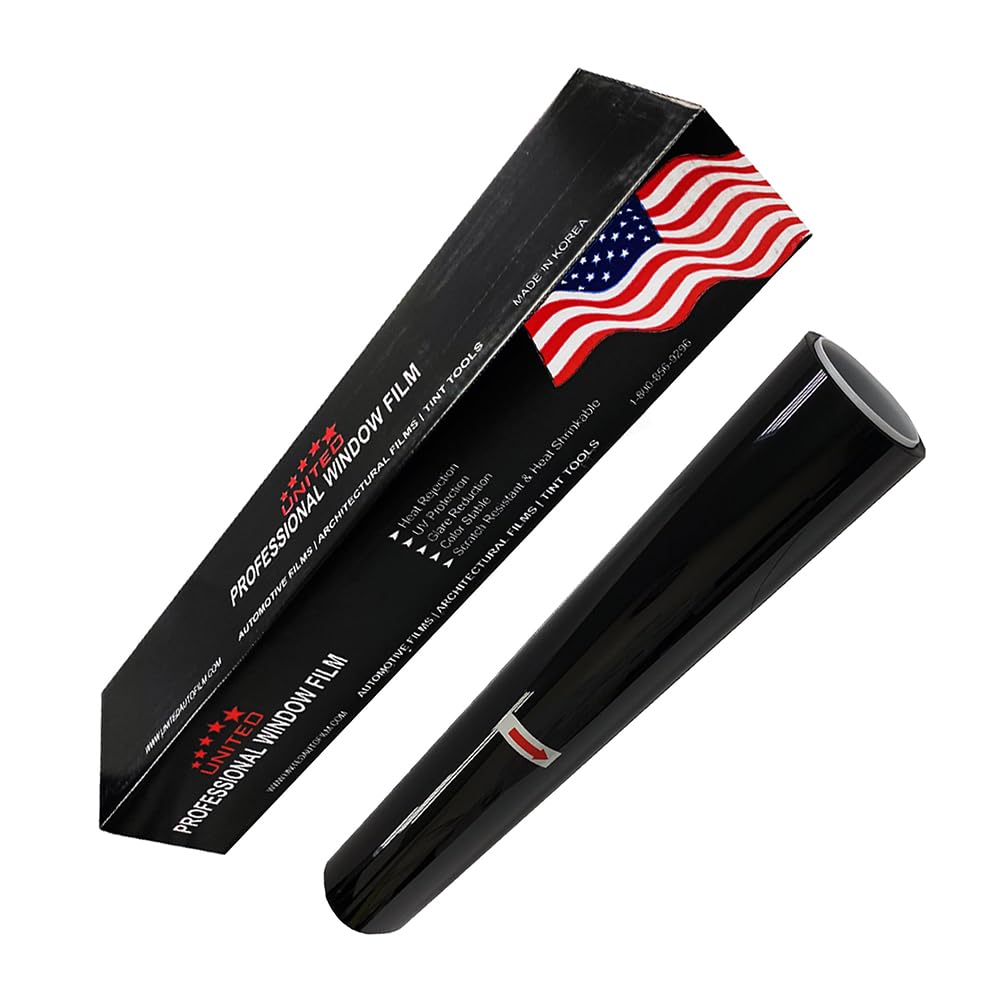
1. United 5% VLT Professional Window Tint Film – 24″ x100′
Our pick — 4.5★ from 250+ verified ratings; the strongest balance of quality and price.
The deep-shade giant that covers a whole fleet with one roll
If maximum daytime privacy is your goal, this 5% VLT film blocks up to 99% of UV rays while giving the outside world a near-black view of your interior. The 24-inch by 100-foot roll works out to 200 square feet of material, which is enough to cover a car, truck, and home windows with plenty left over for mistakes. That makes it the clear value leader when you measure coverage per dollar against shorter rolls.
The build is upgraded 1 mil dyed PET film with enhanced adhesive for durability and optical clarity. Heat and glare reduction are the things that win people over most, with owners reporting serious relief from sun buildup. It also works on wet or dry heat shrink, so you can shape it around curved rear glass with a heat gun. The biggest trade-off is the adhesive — it holds well once applied, but the film can be tricky to work with, and several buyers report the liner is genuinely hard to separate from the tint.
Owners mention: “This the best tint I have found for the price. I am using it on my home windows.” The same owner flags that “separating the clear cover from the tint is an absolute nightmare,” which tells you this roll favors patience over speed.
Why it wins
- Largest coverage of the list at 24″ x 100′ (200 sq ft)
- Ultra-dark 5% VLT for serious daytime privacy
- 99% UV block plus heat and glare reduction
Real trade-offs
- Liner separation is notoriously difficult to peel
- Steep learning curve for first-time DIY installers
- 5% darkness limits night-time visibility
Grab this for: big projects where one roll must do everything — a whole car plus home windows.
Think twice if: you’re a beginner; the finicky liner and steep curve favor an experienced hand.
2. IAQWE 20% VLT Ceramic Car Window Tint Film 20 in x 20 ft Roll
The budget ceramic roll that hides heat without hiding your signals
Most budget films are dyed and block signals, but this one is nano ceramic with 99% UV protection, which means your phone and GPS keep working after installation. The 20% VLT strikes a privacy-and-clarity balance, and the manufacturer notes it “meets legal limits in most states” for night driving. The 20-inch by 20-foot roll is sized for a single car, not a fleet.
This tint stands out for its heat rejection at an entry-level price. Customers note it “works great keeps the heat out,” and the 5-layer safety film holds glass together on impact—a shatterproof bonus. The peel-and-stick design with heat-shrink capability makes it DIY-friendly on curved windows. But the adhesive earns mixed feedback, with some owners finding it doesn’t stick well to glass, so meticulous surface prep is non-negotiable.
Reviewers point out: “Tinted a whole bunch of windows at restaurant. Worked out great. Hopefully this holds up for years. For the price I’m satisfied.” That captures the value proposition perfectly.
Solid budget ceramic: real heat rejection and signal-friendly construction at an entry price, but treat the adhesive as a surface-prep test, not a guarantee.
Reach for it if: you want ceramic performance on a budget and keep your phone reception working.
Look elsewhere if: you expect a thick, forgiving film; this one tears easily while cutting.
3. ARANA 5% VLT Ceramic Car Window Tint Film 20″ x 20FT
A short, cheap ceramic roll for a jeep or a pair of patio doors
At 19.68 inches wide and 20 feet long, this is the smallest roll in the lineup, and it’s priced to match. The 5% VLT gives you the deep privacy look, while the nano ceramic build blocks 99% of UVA and UVB radiation and cuts solar heat buildup. The manufacturer backs it with 18 months of after-sales support, which is a real confidence signal at this tier. As one owner put it, “just enough to do my whole jeep.”
The scratch-resistant hard coating handles daily wear, and the stable adhesive is designed to resist bubbling, peeling, and yellowing. But honesty requires the caveat: the film is not as dark as the box claims. Shoppers say it reads “more like 20%” than 5%, and the thin material creases easily. It’s a capable budget fix, not a show-grade finish.
Honest shade check: expect closer to 20% darkness than the 5% label, and handle it gently or it will crease on you.
Suits: a single small vehicle or a home window project where you want ceramic UV protection for little money.
Not for: anyone who needs the exact 5% darkness or a thick, forgiving film.
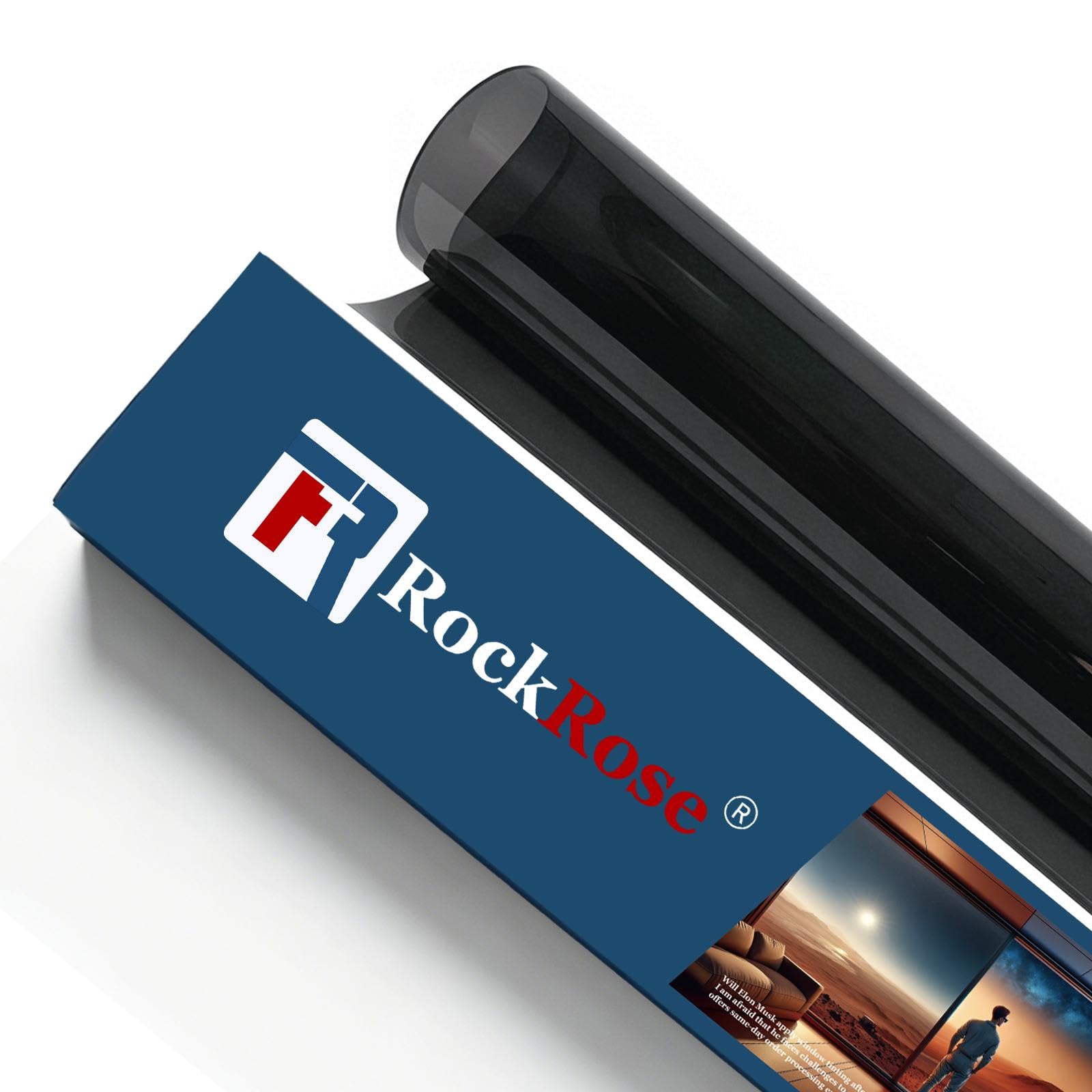
4. RockRose 20% Premium Carbon Car Window Tint Film 20 in x 25FT
The installer’s favorite that shrinks clean and doesn’t burn
This is the film that professionals reach for — and it shows in the reviews. The 2PLY premium carbon construction blocks 99% of UV rays and cuts up to 55% of infrared radiation, so the cabin stays noticeably cooler. The 20-inch by 25-foot roll is heat-shrink friendly and plotter-friendly, which is exactly what a shop needs for curved rear glass. It’s why the thing everyone raves about here is the quality — the film cuts, shrinks, and applies without fighting you.
A 20-plus-year tinter called it “one of the easiest tints to apply,” and owners consistently note it doesn’t burn with a heat gun and removes cleanly if you mess up. The 20% VLT balances privacy with usable night vision. The honest caveat: some buyers report the film fades over time, and a few find the adhesive doesn’t stick to glass as aggressively as they’d like, so surface prep still matters.
What installers love
- Easy cut and shrink with no heat-gun burn
- 55% infrared rejection for a cooler cabin
- Plotter-friendly for precision cutting
Fair warnings
- Some rolls fade slightly over time
- A few owners mention adhesive weak spots on glass
Best for: anyone with a heat gun and some patience who wants a film that behaves like a pro product.
skip it if: you need a film that never fades; a dyed or ceramic option may serve you better long-term.
5. TOYOCO Ceramic Car Window Tint Film, 20% VLT, 24″ x 15FT
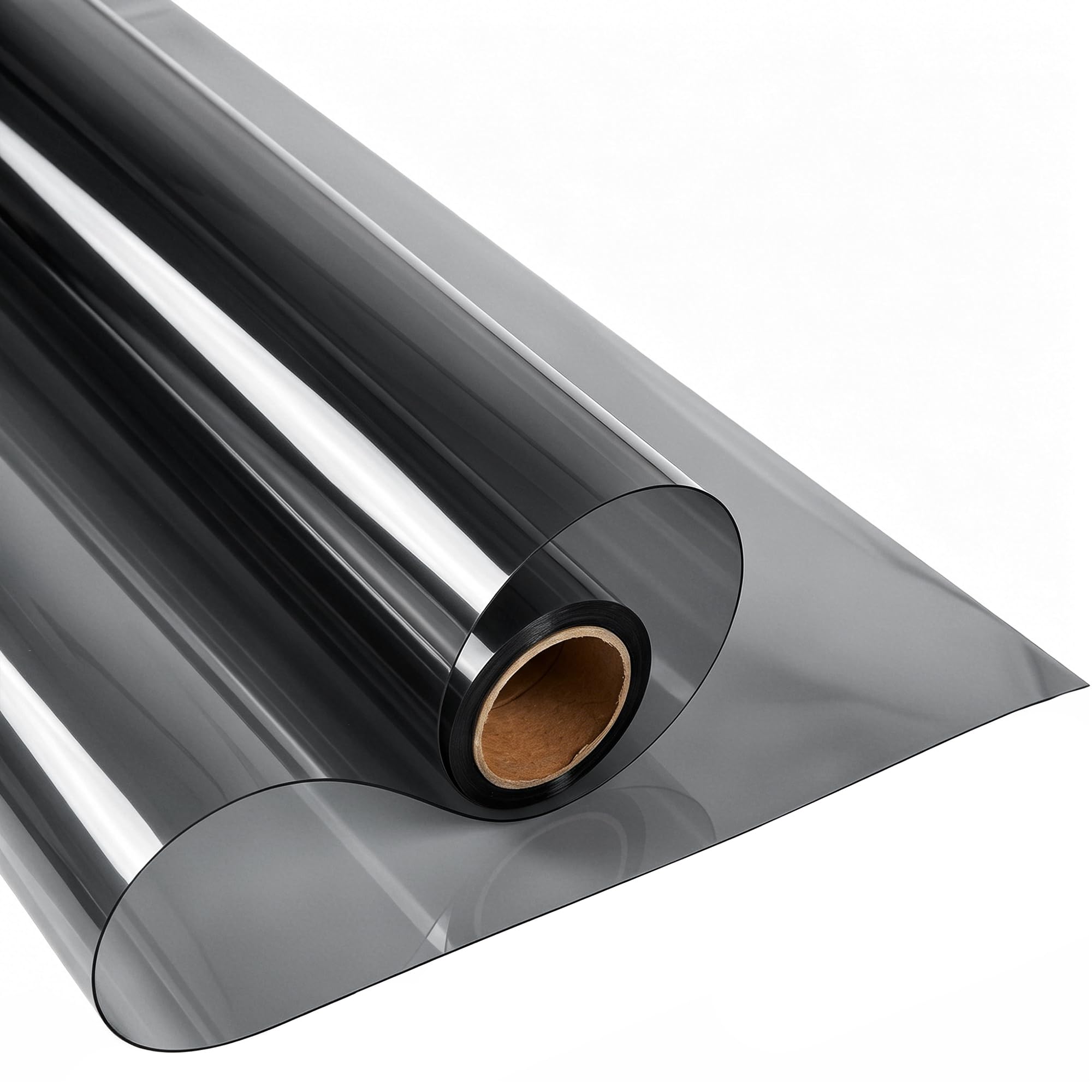
The ceramic roll that looks factory-fresh and keeps GPS alive
Owners frequently note this film looks like factory-tinted glass, which is high praise for a DIY roll. The 2PLY premium ceramic build blocks 99% of UV rays, and unlike metal-based films, the nano-ceramic material doesn’t interfere with GPS, phone, or wireless signals. The 24-inch by 15-foot roll gives you 30 square feet of coverage, and it comes in a kit — one owner confirmed it “came with tools needed,” including a scraper and blade.
The 20% VLT shade cuts glare and blocks heat while preserving a crisp outward view. It’s peel-and-stick with a scratch-resistant surface, and the manufacturer stands behind it with a professional after-sales service. The honest counterpoint: a vocal minority found the film started bubbling and peeling quickly, and some describe the finish as cheap. It’s a solid mid-range bet, but it rewards careful installation.
Factory look, fair price: great appearance and signal-friendly ceramic, with durability that depends heavily on how clean your glass is before install.
Choose it for: side and rear windows where you want a clean factory look without losing phone reception.
Avoid if: you tend to rush installations; this film punishes sloppy prep.
6. BLACKGLASS IX 30% VLT Medium Smoke 20ft x 26in Roll
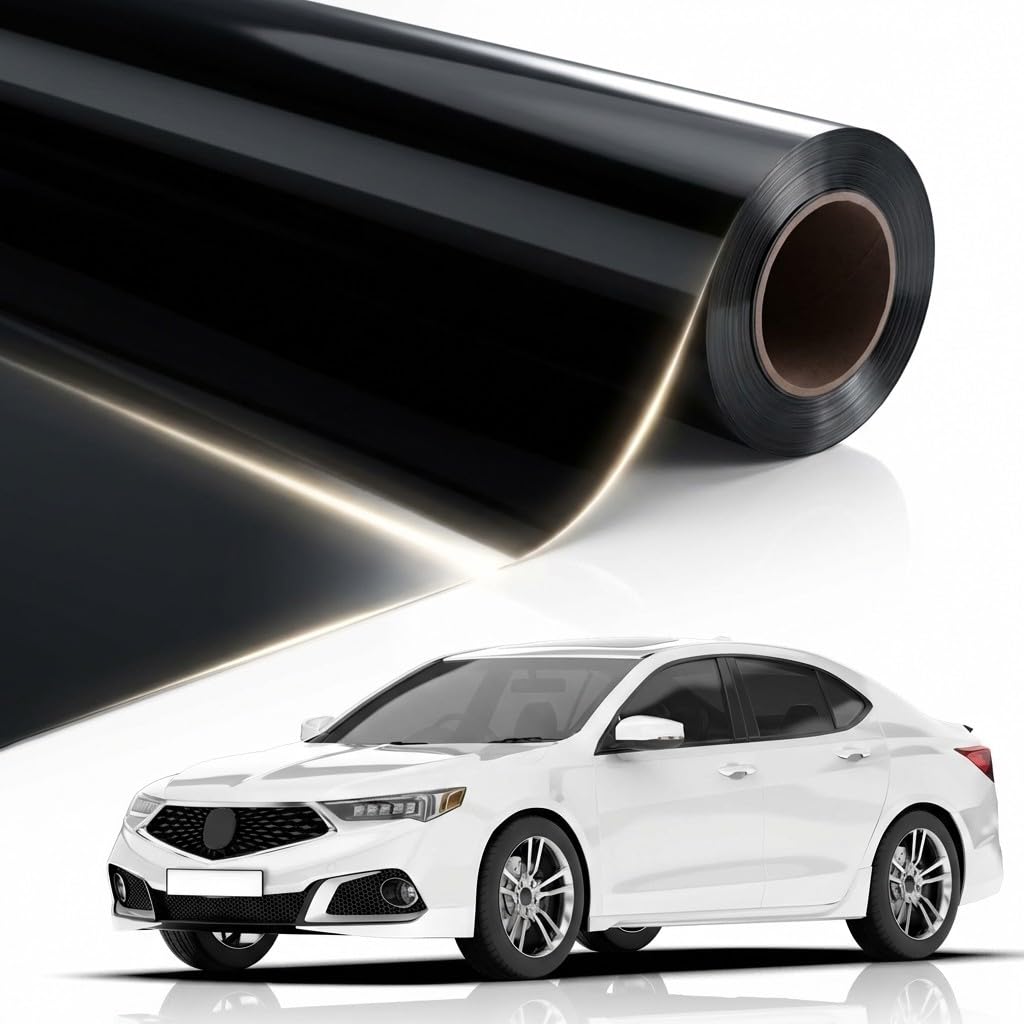
The medium shade that keeps night vision while cutting glare
If you want privacy without the “limo” look, this 30% VLT medium smoke is the all-rounder. The 2-ply laminated structure is thicker and more workable than single-ply budget films, which the maker says makes it easier to heat-shrink for curved glass. Each 20-foot by 26-inch roll covers the rear windshield and rear side windows on most cars, with extra film for mistakes — and it’s equally at home on sunroom or office windows. One owner reported it “held up for over 2 years” and counting.
The 2X pressure-sensitive adhesive gives a firm bond, and the scratch-resistant surface handles squeegee pressure without marking. The key selling point is legality — a 30% shade is a popular, legally safe choice for rear windows in many states. The honest caveat: this is not a beginner film. Owners are clear that “good product … don’t buy if you are not professional,” and creasing is a real risk if you lack experience.
Why it stands out
- Thicker 2-ply build resists creasing better than budget films
- Balanced 30% shade keeps night visibility
- Proven to hold up past the 2-year mark
The honest catch
- Clearly aimed at experienced installers
- Some rolls arrive with small punctures from shipping
Ideal for: experienced fitters who want a legal medium shade with real heat rejection.
Not for: first-timers — the coating demands skill or it will crease on you.
7. RockRose 35% Car Window Tint 20 in x 100FT 1PLY Carbon
The near-clear 100-footer that makes front windows look factory
This is the film for drivers who want a subtle, natural tint that looks great on windshields and front windows without the dark-cave effect. The 35% VLT provides up to 35% infrared rejection and 45% TSER (total solar energy rejection), keeping the cabin cooler while preserving a clean, outward view. The 20-inch by 100-foot roll delivers 166.66 square feet of material, and owners describe the color as a “nice, natural color” with no blue tint — a common complaint with cheaper films.
The 1PLY carbon construction is durable without being stiff, and the heat-shrink application works with just water and a squeegee. It’s “not too sticky or tacky, just the right amount” according to one owner, which makes it forgiving during install. The recurring gripe is the roll end arriving crushed in shipping, and a few customers note adhesion inconsistencies. But for a subtle front-window shade, it’s tough to beat.
Clean natural look: excellent clarity and no blue tint, with a huge 100-foot roll that covers multiple vehicles.
Reach for it if: you want a legal, subtle shade for front windows and need enough film for several projects.
Look elsewhere if: you want deep privacy; 35% is clearly a visibility-first choice.
8. United 20% VLT Universal Black Window Tint Film 24″ x 100′
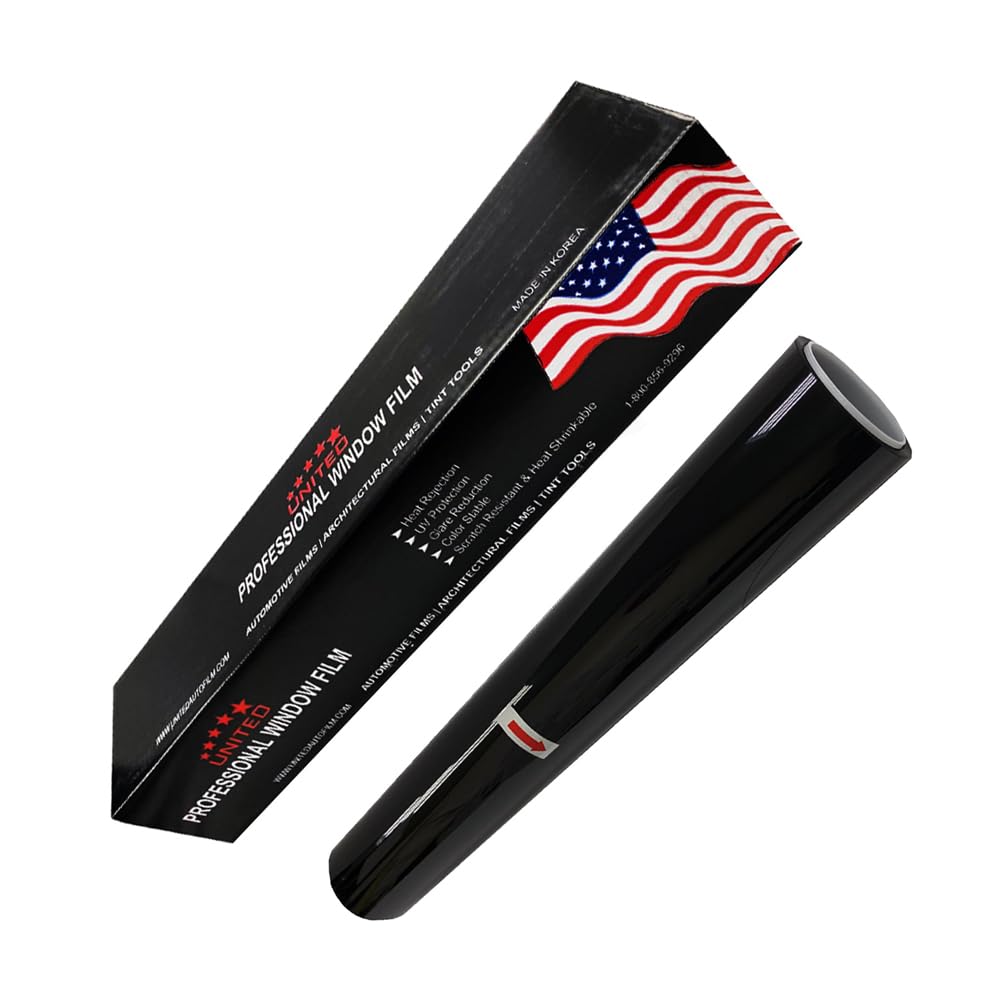
The home-window hero that out-cooled insulated curtains in Arizona heat
This 20% VLT film shines brightest off the car. One Arizona owner reported it “cooled rooms significantly” and outperformed insulated curtains, which makes it a sleeper hit for home windows. The 24-inch by 100-foot roll provides 200 square feet of material, and the 1Ply dyed PET build delivers a deep black finish with 99% UV block. It’s genuinely versatile — cars, trucks, SUVs, vans, and residential windows all fit the description.
Owners praise the sun protection, noting it “cuts down on heat radiation and keeps light out” while still allowing a clear outside view. Application is straightforward: spray soapy water on both the window and adhesive side for easy positioning, then squeegee out the bubbles. The honest caveat: the film is thin and creases easily, and one first-time user needed about 50 feet of practice before getting it right. It’s a learning curve, not a defect.
Versatile performer: real heat rejection for home and vehicle alike, but thin material means practice before you trust it on a car door.
Best for: homeowners wanting daytime privacy and heat relief, plus a big roll for the car afterward.
Think twice if: you want a forgiving beginner film; this one rewards practice.
Understanding the Specs
VLT (Visible Light Transmission)
This is the number that matters most. A 5% VLT lets just 5% of visible light through — nearly black from outside, great for privacy but harder to see out of at night. A 35% VLT lets 35% of light through, giving a subtle shade that keeps night vision. Your state’s legal limit usually sits between 20% and 35% for front windows, so check before you buy.
Film Type: Dyed vs Carbon vs Ceramic
Dyed film is the budget option—mostly for looks, with basic heat rejection. Carbon film adds better infrared blocking without the metallic look that interferes with signals. Ceramic film is the premium tier, blocking the most heat while staying optically clear and signal-friendly. For most drivers, carbon is the balance of price and performance.
FAQ
What does 5% VLT actually look like from inside the car?
Is 20% VLT legal on front side windows?
How much tint film do I need for a sedan?
Can a beginner install window tint at home?
Does ceramic tint really block phone and GPS signals?
How long does tint film last before it fades?
What is the difference between 1-ply and 2-ply tint film?
Is darker tint always better for heat rejection?
Final Thoughts: The Verdict
Across the board, the vehicle tint shades winner is the United 5% 24″x100′ because it delivers the deepest privacy at the most coverage per dollar — 200 square feet from a single roll. If you want ceramic heat rejection without breaking the budget and still want your phone to work, grab the IAQWE 20%. And for a balanced, legal shade that keeps night vision while cutting glare, the RockRose 20% 2PLY carbon is the one to reach for — it’s the film professionals themselves choose to work with.
How We Picked
We do not accept paid placement. Every pick is matched to a real buyer and a real use-case; we do not hands-on test units.
Sources & Methodology
Specifications: manufacturer listings and product documentation. Review insights: verified customer reviews, as of August 2026. Pricing: not shown on this page (it changes often); check the current price via the retailer link.
As an Amazon Associate, GoCarLife earns from qualifying purchases. This does not affect which products we feature.