
Our readers keep the lights on and the garage heater humming. As an Amazon Associate, I earn from qualifying purchases.
Specs are compiled from manufacturer listings and verified buyer reviews and can change over time — please confirm the key details on the product page before buying.
If your headlights dim when you hit the brakes or your stereo cuts out at idle, your car’s electrical system is telling you the voltage is drifting. A voltage regulator for car battery duty is the part that holds that charge steady, protecting your battery and sensitive electronics from the surges and dips of an aging charging system. This guide breaks down the eight most reliable picks on the market, from direct OEM replacements for classic cars to rugged stabilizers for RVs and audio systems.
I’m Mo Maruf — the founder and writer behind GoCarLife. This guide is built by comparing the manufacturers’ published specifications and the patterns across verified customer reviews, so you get each pick’s real strengths and trade-offs instead of marketing spin.
We’ve matched every unit to a specific car, truck, or accessory use case so you can find the best voltage regulator for car battery without decoding a single spec sheet.
Our Picks at a Glance


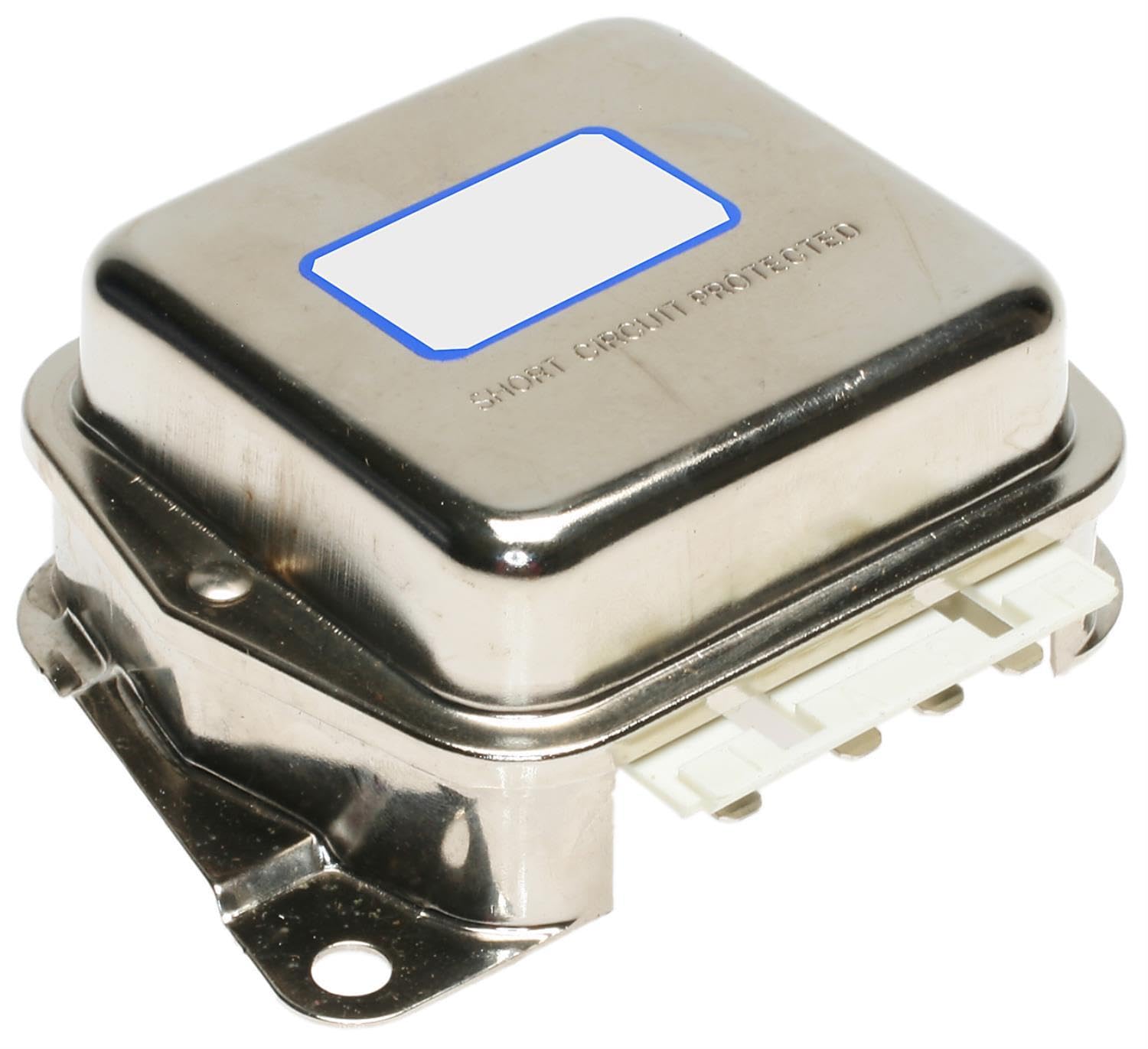
How To Choose The Best Voltage Regulator For Car Battery
Before you pick a regulator, ask what you are protecting. For a classic car with an old mechanical regulator, you want a direct bolt-in replacement that matches the original mounting tabs. For a modern vehicle with a stereo amp or a fridge, you need a DC-to-DC stabilizer (a device that converts and smooths the alternator’s raw power) to keep voltage steady.
Match the Type to Your Vehicle
The biggest split in this category is between OEM-style regulators (like the Bosch for VW Beetles) and universal stabilizers (like the Cocar or EKYLIN units). OEM units are designed for a specific engine bay and bolt pattern, while universal stabilizers are small sealed boxes you wire inline anywhere. Buying the wrong type means wrestling with brackets or wiring that simply doesn’t line up.
Check the Input Voltage Range
Your car’s alternator (the generator that charges the battery) normally puts out 13.5V to 14.5V while running, but it can spike or dip during cranking. Universal stabilizers list a safe input window — the Cocar accepts 10-36V DC (direct current, the type your battery uses), while the interVOLT handles 11-17 VDC. If your vehicle has a standard charging system, the wider window means more protection against sudden surges.
Amperage Dictates What You Can Run
The amperage rating tells you how much current the regulator can pass before it fails. The Cocar at 4A (48W) is fine for LED lights or a small cooler, but if you are feeding a 24-inch monitor or a car audio amp, you need the 12A (144W) capacity of the EKYLIN unit. Undersizing a stabilizer is the fastest way to kill it.
Quick Comparison
| Model | Best For | Input Range | Output Spec | Weight | Amazon |
|---|---|---|---|---|---|
| Bosch 30019★ Best Overall | VW Beetle owners | 12V system | Regulated 13V | 9.9 oz | Amazon |
| Cocar 4A StabilizerBest Value | Sensitive electronics | 10-36V DC | 12V / 4A / 48W | 250 g | Amazon |
| ACDelco Gold F662Classic Fit Pick | Classic GM/Jeep | 12V system | Mechanical | 11 oz | Amazon |
| EKYLIN 144W | Audio/RV power | 10-36V DC | 12V / 12A / 144W | 264g | Amazon |
| Standard IGN-VR103T | GM solid-state swap | 12V system | Solid-state | 6.4 oz | Amazon |
| Mopar P3690731 | Dodge/Ram bypass | 12V system | 13.5V constant | 6.88 oz | Amazon |
| ACDelco Pro C603Z | Mopar backup | 12V system | Solid-state | 5.6 oz | Amazon |
| interVOLT SVS1212050 | Marine/RV gear | 11-17 VDC | 12V / 5A / 62W | — | Amazon |
In‑Depth Reviews
1. Bosch 30019 12V Voltage Regulator for VW Beetle
Our pick — 4.5★ from 100+ verified ratings; the strongest balance of quality and price.
The factory-fresh fix that holds Beetle voltage steady around 13V at lower rpm.
If you own a 1970s VW Beetle, this is the regulator your car left the factory with. It is a genuine Bosch part, not an aftermarket imitation, and it mounts directly where your old mechanical unit sat — buyers report the wire connections match the original Bosch regulator exactly, making it a true bolt-in swap. At 9.9 ounces, it is noticeably lighter than the ACDelco Gold F662 at 11 ounces, but the weight difference means nothing when the part is built for a specific engine bay.
What wins people over is how well it prevents overcharging while keeping voltage steady. Owners describe a stable 13V at lower rpm, which protects your battery from boiling over during a long cruise. The high review counts point to genuine buyer satisfaction: the “works perfectly” feedback dominates the discussion, and the majority of owners pair it with new pointless distributors and report steady voltage.
There is one honest caveat to plan around. The part runs hot — owners mention it hitting 130°F at night in Florida and wondering if that is normal. It is a known trait of these mechanical regulators, but if you live in triple-digit heat, keep an eye on it. Also, the box ships with no English instructions, so you will rely on your own wiring diagram or a translation app.
The Genuine-Article Advantage
- Direct OEM replacement with matching wire connections
- Steady voltage around 13V at low rpm prevents overcharging
- Reliable long-term performance from a trusted brand
Know Before You Install
- Runs hot in hot climates — up to 130°F
- No English instructions included in the box
- Faded labels on old units can slow the swap
Who it fits: VW Beetle and Super Beetle owners who want a correct, dependable factory replacement.
Think twice if: you drive a non-VW vehicle or expect an instruction manual in English.
2. Car Voltage Stabilizer, 4A 48W Heavy Duty 12v Voltage Regulator Surge Protector
A sealed, waterproof box that feeds clean 12V to your sensitive add-ons.
This Cocar stabilizer exists for one job: taking messy 10-36V DC input and handing your devices a steady 12V at up to 4A (48W). It is a small, rugged unit — a 250-gram block sealed in an IP67 waterproof alloy housing with heat-conduction silica gel, so it shrugs off rain and engine-bay grime. Owners feed security cameras and electric coolers through it, and the cooler that used to quit at 60% of a power pack now runs to zero before shutting down.
The thing everyone raves about is the clean, consistent output. One buyer runs it on a solar and battery system that fluctuates from 10 to 14 volts and reports the cameras have been functioning perfectly since installation. It also tolerates surges — one owner pushed 6.5A through it without issue and measured 12.20V at a 1A load.
The honest catch is the output voltage and the short leads. Customers note the max output lands at 11.91V, which is not enough for some finicky 12V devices that want 12-12.5V to run right. The leads are only 12cm (4.7 inches), so most installs will need you to extend them. If your device tolerates 11.9V or you can extend wires easily, this is a budget-friendly win.
Clean-power workhorse: delivers stable voltage across a wide input range in a fully sealed body — just plan to lengthen the wires and verify your device’s tolerance for an 11.9V output.
3. ACDelco Gold F662 (19106583) Voltage Regulator
The direct-fit fix that cures dead-battery issues on 60s and 70s classics.
For owners of 1960s and 1970s Fords, Jeeps, and Mercurys, this ACDelco Gold regulator is the part the parts store used to keep on the shelf. It is a vehicle-specific mechanical regulator that measures 11 ounces and bolts up as a direct fit. The praise is consistent: it “fixed the dead battery issue” on a 1970 F100 and completed a new wiring kit on a 1976 Jeep CJ7. The exact OEM labels match the original 56-year-old part.
What wins buyers is the fit and wiring. It swaps in directly with zero bracket modification, and the fix can be dramatic — one 1970 Mercury Monterey owner reported the regulator stopped the alternator backfeed (power flowing backward) to the ignition, so the engine now shuts off properly with the key instead of draining the battery. That is the core job of a regulator: keeping the charging system from feeding itself.
The recurring gripe here is the manufacturing origin, not the function. Several owners note it is stamped “Made in China,” which disappoints buyers who expect ACDelco’s American heritage. The functionality and direct fit are excellent; the origin stamp just rubs some purists the wrong way.
The Direct-Swap Upside
- Bolt-in fitment for Fords, Jeeps, and Mercurys
- Fixes battery drain and alternator backfeed issues
- Exact OEM labeling for authenticity
The Purist’s Complaint
- Made in China, not the USA
- Tabs could be wider per one owner
- Mixed opinions on build quality
Reach for it if: you need a dependable, direct-fit mechanical regulator for a classic GM or Jeep and care more about function than origin.
Look elsewhere if: you insist on US-made parts or need a solid-state electronic unit.
4. Car Voltage Stabilizer, DC 12V Regulator Surge Protector 144W Heavy Duty

The 144-watt stabilizer that keeps your radio alive when the engine auto-stops.
This EKYLIN unit is the heavier-duty sibling of the Cocar stabilizer, stepping up to 12A (144W) of output while keeping the same 74mm x 74mm footprint. At 264 grams it is slightly heavier than the 250-gram Cocar, and that extra capacity matters when you are feeding a ham radio, a display monitor, or a car audio amp. The spec sheet quotes over 96% conversion efficiency and over-temperature protection at 150°C, so it is built to run hard.
The standout real-world win is the auto-stop fix. Owners use it to stop their ham radio from rebooting every time the car’s Auto Stop (the feature that shuts off the engine at red lights) kicks in — it maintains voltage above the threshold during engine restart, which is exactly the kind of surge a stock system cannot smooth. Another buyer powers a Raymarine Element 7 chartplotter (a marine navigation display) that used to shut off when the boat engine started; with this stabilizer in line, it runs steady.
The honest trade-off is standby drain. Several reviewers point out the unit draws current even when the vehicle is off, and it will kill the battery if the car is not driven regularly. If you only drive on weekends, plan to disconnect it or add a switch. For daily drivers and restoration projects, the boost in audio and radio stability is worth the attention.
Amperage for the win: triple the current capacity of the Cocar at 12A, ideal for electronics that reboot under load — but watch for parasitic battery drain if the car sits.
5. STANDARD IGN-VR103T Voltage Regulator

The electronic upgrade that swaps out your points-style regulator for good.
If you are tired of the mechanical regulator’s moving points sticking and draining your battery, this Standard Motor Products unit is the modern fix. It is a solid-state electronic regulator that replaces the old Delco mechanical unit on 1960s GM cars, and at just 6.4 ounces it is lighter than the original. That lightness comes from the electronics inside — no more springs and contact points to wear out.
The thing everyone raves about is how it stops overcharging. One owner’s 1969 Buick Skylark was pushing 16.3V, which was cooking the battery; after the swap, it settled into the low 14s at idle. Another fixed a slow battery drain on a 71 Chevelle with a 454 that came from sticking regulator points. The solid-state operation removes the physical failure mode entirely.
The honest caveat is the build feel. Multiple owners describe it as “chintzy” and light, with a Made-in-China stamp that does not inspire confidence. That said, the same owners confirm it bolts directly to the factory mounting points and works reliably. At a fraction of the price of a dealer OEM (original equipment manufacturer) part, the value case is tough to top.
The Electronic Edge
- No mechanical points to stick or fail
- Fixes overcharging and battery drain issues
- Direct bolt-in for GM alternators
The Light-Build Reality
- Feels light and cheap in hand
- Made in China
- Requires the original cover modified to fit
Best for: classic GM owners who want reliability without hunting down NOS mechanical parts.
Not ideal for: purists who want a factory-authentic look and weight.
6. Mopar P3690731 Volt REGU Volt Regulator
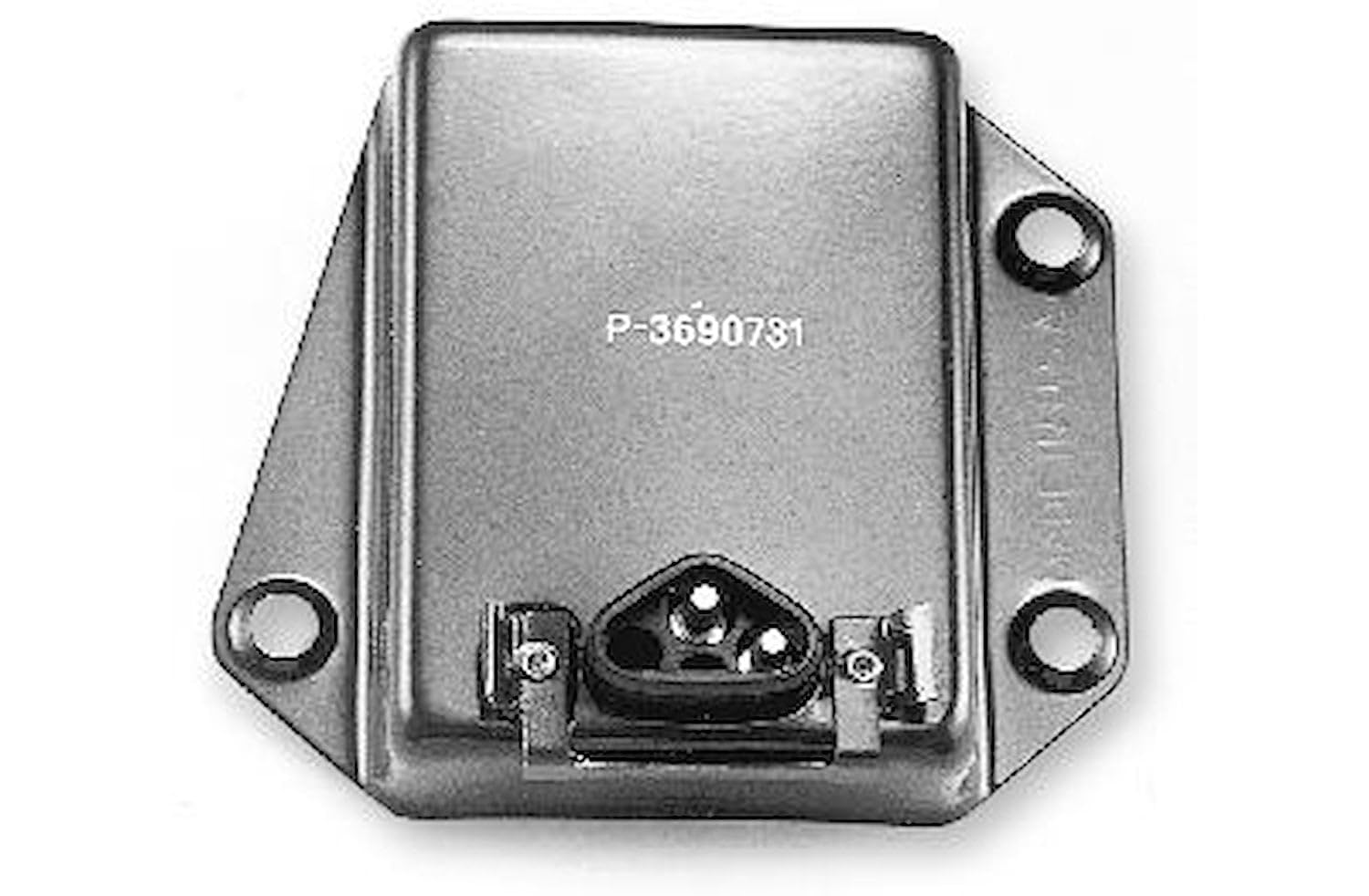
The Mopar factory part that kills pulsing headlights and holds 13.5V.
For Dodge and Jeep owners who want the factory-correct part, this Mopar regulator is the official OEM unit. It is a steel-bodied regulator rated for 13.5 volts, and the fit is guaranteed because Mopar built it to their own spec. Owners run it on 97 Dodge Rams and 91 Jeep Cherokees, bypassing the computer-mounted regulators, and report it “keeps voltage where it needs to be.”
What wins people over is the consistent output at idle. One owner measured 13.2V at 750 rpm and 13.5V at 1000 rpm, which is exactly where a healthy charging system should sit. That consistency translates directly to the headlight fix — after trying several other regulators, this one finally stopped the pulsing headlights that plagued the truck.
The one caution is for off-road racers. Shoppers say this is a constant 13.5V-output unit, not a variable one, and one owner burned out a coil twice running it in a race-only application. If your vehicle is a daily driver or classic truck, the constant voltage is exactly what you want. If you race, confirm your coil can handle the steady feed.
Factory-fresh Mopar: delivers a steady 13.5V that cures pulsing lights and keeps charging on target — just verify your coil is happy with a constant output before you race.
7. ACDelco Professional C603Z (12336870) Current and Voltage Regulator
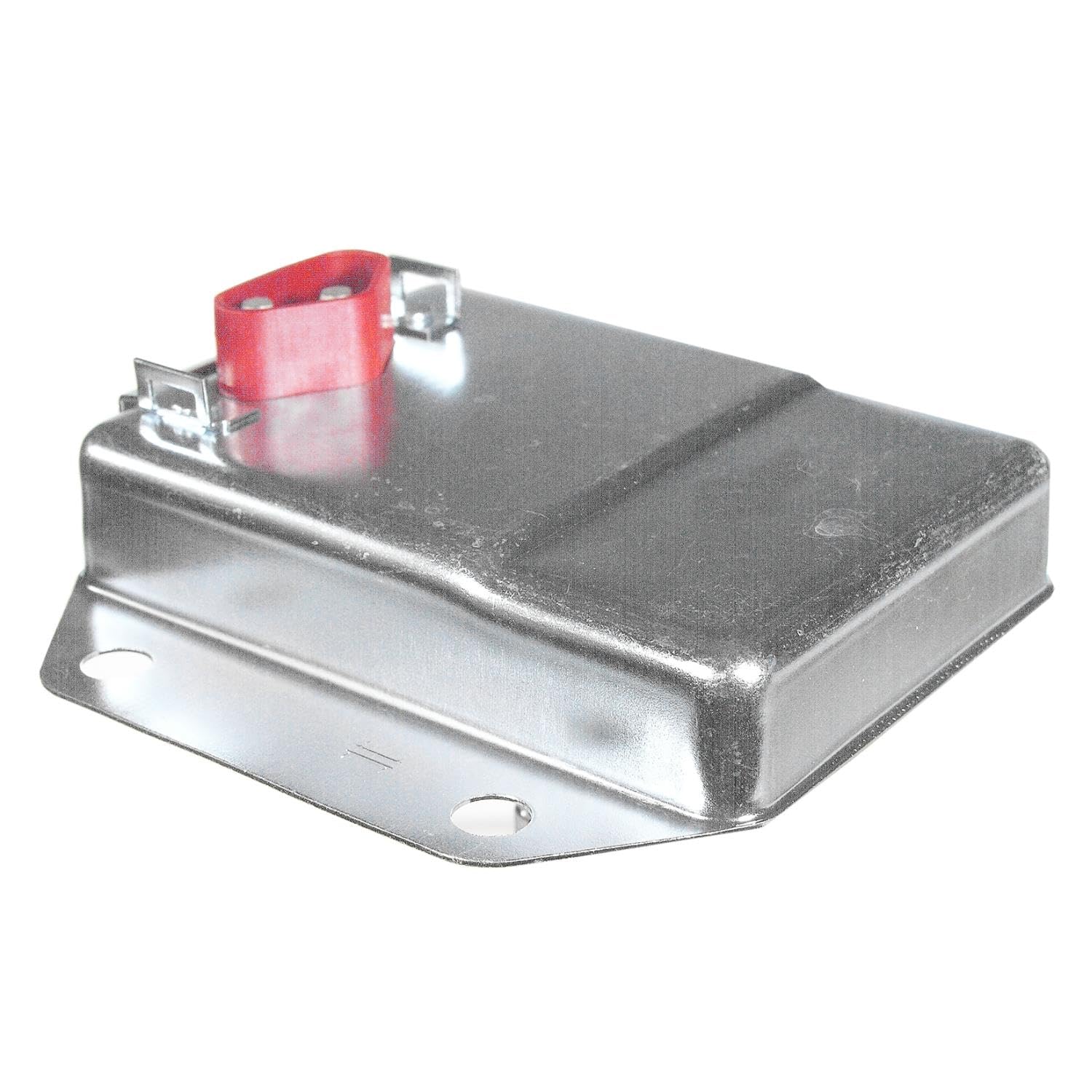
The US-made spare that keeps your Mopar running when the OEM fails.
This ACDelco Professional regulator is the go-to backup for Mopar owners who have watched factory units fail. At 5.6 ounces it is the lightest of the OEM-style regulators here, and that lightness draws a wary comment from at least one owner who equates it with cheaper build quality. But the reliability record and the Made-in-USA stamp win the argument for most buyers. It is designed as a replacement for the engine computer regulator on older Dodge Dakotas.
The thing everyone raves about is the sourcing. Mopar forum users specifically recommend this ACDelco unit as a reliable alternative to the pricey OEM part, and one owner confirms it works as a budget backup at one-third the OEM price. Another fixed a battery charging issue on an older Dakota with a modified PCM, enabling the stock alternator to work properly.
The honest notes are about installation care, not quality. Owners stress that the case needs a solid ground to avoid frying, and the voltage fluctuates slightly under load — the gauge wiggles when the turn signal is on. That fluctuation is normal for a mechanical-electronic hybrid, but it means you should verify your grounds before trusting it long-term.
The Backup You Trust
- Made in the USA with solid reputation
- Enables stock alternator after PCM removal
- Compact and easy to hide in wiring
The Install Fine Print
- Requires a solid case ground to avoid frying
- Voltage wiggles under electrical load
- Lightweight build raises a few eyebrows
Who it suits: Mopar owners who want a proven, US-made backup at a fair price.
Who should pass: anyone who expects plug-and-play with zero attention to grounding.
8. interVOLT 12 V DC Voltage Regulator – Model SVS1212050

The marine-grade conditioner that turns noisy 13-14.5V car power into a clean 12.5V.
This interVOLT unit is the most specialized device on this list, built as a professional-grade power conditioner for RVs, boats, and audio rigs. It is a non-isolated switchmode converter rated for 5A continuous (62W) with a stated 93% efficiency, and it accepts an input range of 11-17 VDC. The conformally coated circuit board and corrosion-resistant materials are what make it marine-grade, so it survives the salt air and temperature swings of a boat cabin.
The thing everyone raves about is the voltage accuracy. Owners checked it with a Fluke meter and confirmed it regulates car voltage from 13.5-14.5V down to a stable 12.5V — enough to fix a Pico PSU that kept shutting down intermittently. In an RV, it stabilizes battery voltage to a clean 12.4-12.7V and handles the draw of a TV and DVD player without sag. It also fixes audio noise from a computer by removing the alternator whine.
The honest trade-off is the whine. Buyers report the unit emits a constant high-pitch whine that is audible from across a room, whether it is under load or idle. It runs cool and is reliable over 24-hour stretches, but the noise means you will want it mounted somewhere you cannot hear it. The LED status display and mounting plate make installation easy, and the 24-month warranty backs it up.
Lab-grade stability: Fluke-verified 12.5V output that fixes reboots and audio noise in RVs and cars — but the constant high-pitch whine will test your patience in a quiet cabin.
Understanding the Specs
Input Voltage Range
This tells you the range of voltage the regulator can accept without damage. A healthy car alternator puts out roughly 13.5-14.5V while running, but it can spike or dip during cranking. The Cocar and EKYLIN stabilizers accept a wide 10-36V window, which gives you serious surge protection. The interVOLT caps at a narrower 11-17 VDC, which is fine for standard car and RV systems. Match the window to your vehicle’s charging profile.
Output Amperage and Wattage
Amps tell you how much current the unit can supply, and watts are the total power. The Cocar puts out 4A (48W), which is plenty for LED lights, cameras, or a small cooler. The EKYLIN doubles and then some to 12A (144W), making it the right choice for a ham radio, a monitor, or car audio. The interVOLT sits at 5A (62W). Undersize this number and the regulator will struggle or fail under load.
FAQ
What is the difference between a mechanical and a solid-state voltage regulator?
Will a universal voltage stabilizer work on my modern car?
How do I know if my voltage regulator is failing?
Can I use a voltage stabilizer to fix my car audio alternator whine?
Will a universal 12V stabilizer drain my car battery when parked?
What is the difference between the Cocar 4A and the EKYLIN 12A stabilizer?
Will the Bosch 30019 fit my non-VW vehicle?
Is the interVOLT worth the premium over the Cocar or EKYLIN?
Final Thoughts: The Verdict
Across the board, the best voltage regulator for car battery overall is the Bosch 30019 because it is a genuine OEM part with the highest buyer satisfaction for its exact vehicle fit. If you want a universal stabilizer to protect sensitive add-ons, grab the Cocar 4A for its sealed IP67 build. And for powering a heavy audio or radio load, the EKYLIN 144W is the one to reach for.
How We Picked
We do not accept paid placement. Every pick is matched to a real buyer and a real use-case; we do not hands-on test units.
Sources & Methodology
Specifications: manufacturer listings and product documentation. Review insights: verified customer reviews, as of August 2026. Pricing: not shown on this page (it changes often); check the current price via the retailer link.
As an Amazon Associate, GoCarLife earns from qualifying purchases. This does not affect which products we feature.