
Our readers keep the lights on and the garage heater humming. As an Amazon Associate, I earn from qualifying purchases.
Specs are compiled from manufacturer listings and verified buyer reviews and can change over time — please confirm the key details on the product page before buying.
You want the sun protection without the dark-out look, and a 70% VLT (visible light transmission — 70% of sunlight passes through) keeps your view crisp and your windshield legal in most states. But you still need real heat rejection and UV blocking. This guide covers ceramic films that block infrared without tinting everything black, static-cling options for renters, and budget-friendly rolls that hold up over time. Here is how each pick delivers.
I’m Mo Maruf — the founder and writer behind GoCarLife. This guide is built by comparing the manufacturers’ published specifications and the patterns across verified customer reviews, so you get each pick’s real strengths and trade-offs instead of marketing spin.
Match the film’s construction — ceramic, 2-ply PET, or static cling — to your specific use case. This is your honest, spec-first look at the 70% window tint market right now.
Our Picks at a Glance
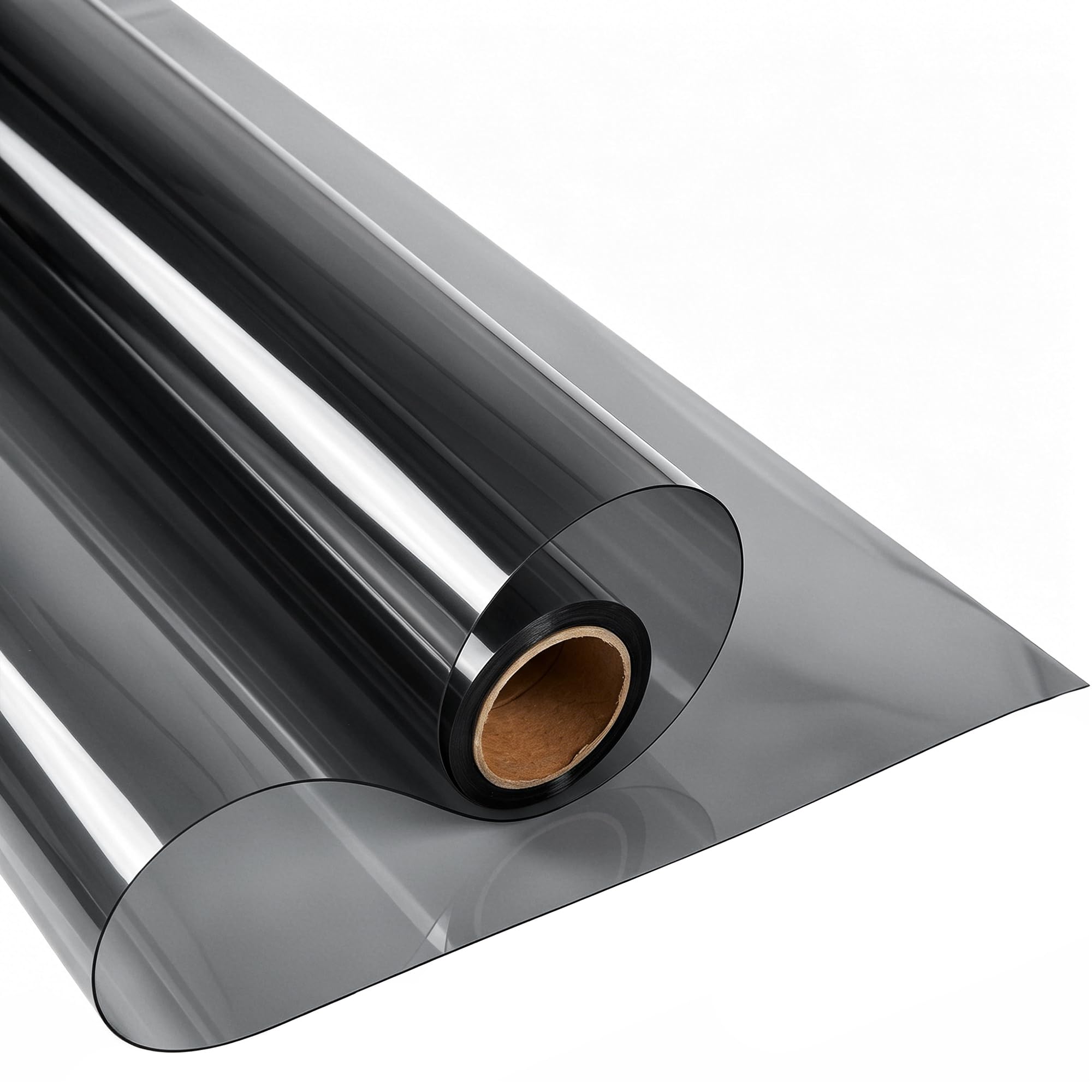
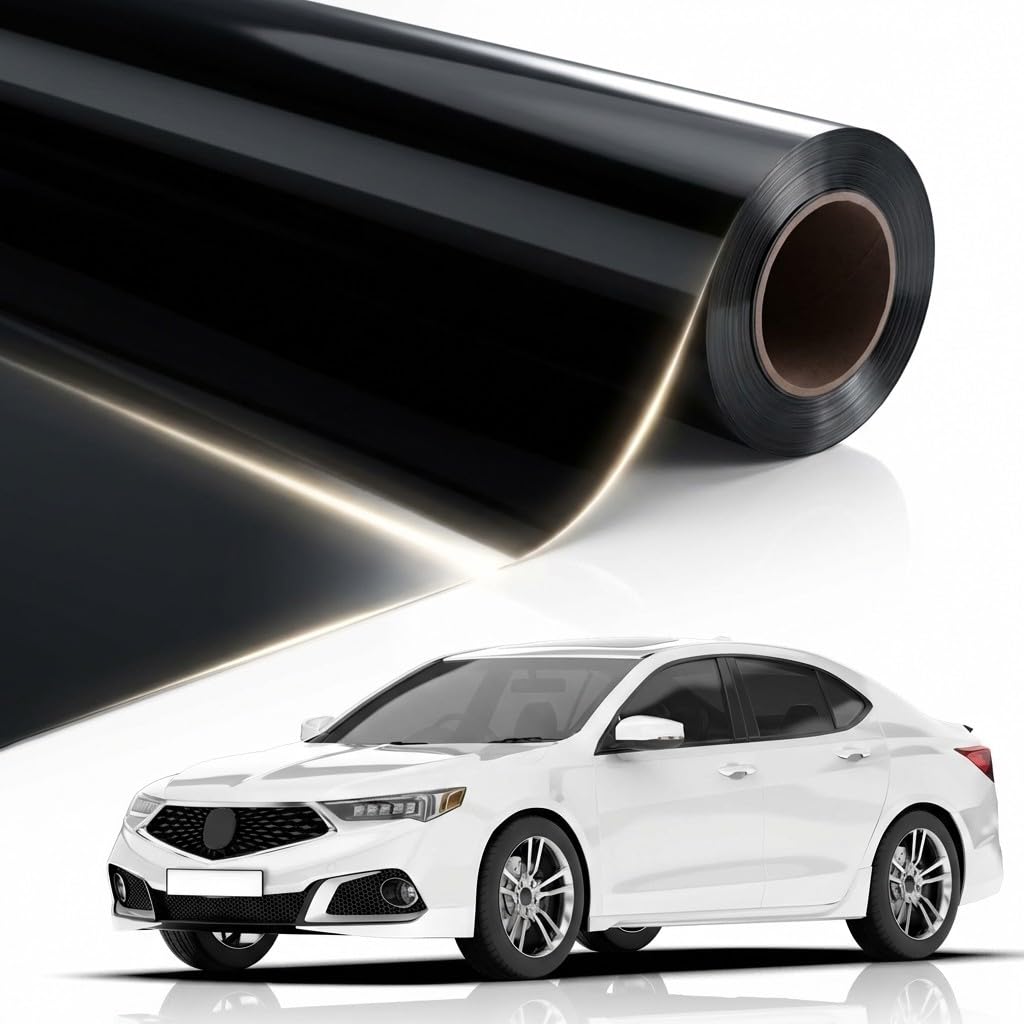
How To Choose The Best 70% Window Tint
70% VLT is light enough for front windshields in many states while still blocking UV and glare.
Film Construction: Ceramic vs 2-Ply PET vs Static Cling
Ceramic films use nano-ceramic particles to block infrared heat (often 85-95% IR rejection) without metal, so your GPS and phone signals stay clean. 2-ply PET films are thicker and easier to heat-shrink around curved rear windows, but they rely on dye or carbon for heat rejection — typically lower IR numbers. Static-cling films have no adhesive, making them renter-friendly and removable, but they sacrifice some optical clarity and permanent durability.
Adhesive Quality and Shrinkability
A film that won’t shrink properly on curved glass creates bubbles and creases that ruin the finish. Look for films described as “easily shrinkable with a heat gun” and check buyer feedback on adhesive residue. The best DIY-friendly 2-ply films have a pressure-sensitive adhesive that sticks firmly but allows repositioning with soapy water during installation.
Quick Comparison
| Model | Best For | Film Type | Roll Size | IR Rejection | Amazon |
|---|---|---|---|---|---|
| TOYOCO Ceramic 70%★ Best Overall | No-signal-interference tint | Ceramic | 24in x 11.5ft | — | Amazon |
| BLACKGLASS IX 70% VLTAlso Great | DIY pro finish on cars | 2-Ply PET | 20ft x 26in | — | Amazon |
| KORKIE Nano Ceramic 70% | Heat rejection on a budget | Nano Ceramic | 24in x 15ft | >85% | Amazon |
| RockRose Air Nano Ceramic | Plotter-friendly tint | Air Nano Ceramic | 20 in x 15FT | 93-95% | Amazon |
| AUTOTEK 2Ply Premium | Full-vehicle coverage | 2-Ply PET | 20in x 15ft | — | Amazon |
| Myuilor 70% VLT | Quick small-window jobs | Vinyl | 21in x 10 ft | — | Amazon |
| G Greenfilm Static Cling | Renter-friendly home tint | Vinyl static cling | 24in x 212in | High (claimed) | Amazon |
In‑Depth Reviews
1. TOYOCO Ceramic Car Window Tint Film 70% VLT
Ceramic protection that keeps your phone signal strong.
The TOYOCO film’s nano-ceramic construction keeps GPS and phone signals uninterrupted. Unlike metal-based films that can act as a Faraday cage inside your car, this nano-ceramic material blocks 99% of UV rays and keeps the cabin cooler while letting your devices communicate freely. The 2-ply premium ceramic construction also resists scratches, peeling, and bubbling, which is the durability promise that backs the 15-year factory assurance.
At 24in x 11.5ft, the roll covers 23 square feet — enough for side and rear windows on most sedans or a small SUV. The real-world reception is mixed: some first-time users pulled it off after a few tries by watching online tutorials, but experienced installers report that the liner separation is difficult (one used tape and it still took 15 minutes) and that the included squeegee left scratches. This film rewards patience and the right tools — not a grab-and-go option.
Ceramic heat control
- Nano-ceramic construction keeps GPS and phone signals uninterrupted
- 99% UV blockage with a 15-year factory assurance on durability
- Scratch-resistant surface resists peeling and bubbling
Average UV protection
- Liner removal is stubborn — expect to spend time with tape or a tool
- Included squeegee is subpar; use your own for a scratch-free install
For value seekers: drivers who rely on GPS, streaming, or phone calls and want ceramic protection without signal dropouts.
For extreme climates: you want an easy, quick install — this one demands patience and a proper squeegee.
2. BLACKGLASS IX 70% VLT Light Smoke 2-Ply Solar
The 2-ply roll that makes first-time DIYers look like pros.
This is the crowd favorite for a reason — across thousands of owners, the quality and ease of use are the top praises. The BLACKGLASS IX film is a professional-grade 2-ply (a laminated structure two layers thick) that is noticeably thicker than single-ply budget rolls, so it heat-shrinks smoothly around curved rear glass without crinkling. Each 20ft x 26in roll covers the rear windshield and rear side windows on most cars, with generous extra material for mistakes — exactly the margin beginners need.
The 70% VLT Light Smoke shade cuts UV and glare while keeping a natural, clear view, so your low-light visibility stays excellent. Owners highlight how well the 2X pressure-sensitive adhesive bonds — it peels easily from the backing, positions smoothly with soapy water, and the scratch-resistant surface handles squeegee pressure without leaving marks. Several long-term users report the film lasting over two years with no peeling or color shift.
Durable 2-ply solar
- Thick 2-ply construction heat-shrinks easily on curved windows
- Scratch-resistant surface takes squeegee work without damage
- Generous coverage leaves room for cutting errors
Limited color options
- Tint darkness perception varies — 70% is very light, not privacy-grade
- Check your state’s VLT limit before installing on front windows
For heat rejection: you want a forgiving, pro-quality film that gives first-timers a real shot at a smooth finish on car windows.
If needing privacy: you need maximum IR heat rejection — this is not a ceramic film and does not advertise IR numbers.
3. KORKIE Nano Ceramic 70% VLT Car Window Tint

True ceramic heat rejection at a price that undercuts the tint shop.
The KORKIE film’s IR rejection above 85% blocks infrared heat without metal, preserving GPS and phone signals. One owner tested their KORKIE 20% roll and reported 99.8% UVR and 80.5% IRR, comparing it favorably to shop-installed tint. That level of heat rejection at this price point is the real value story.
Film quality and appearance get consistent praise from owners. It provides a one-way visual effect — you see out clearly, but people outside cannot see in when exterior light is weak. The scratch-resistant PET (polyethylene terephthalate, a durable polyester base) construction is built to resist fading from sun and rain exposure. Just know that the application experience varies: some find it easy, while others report it can slide and create bubbles if installed in windy conditions.
Nano ceramic clarity
- IR rejection >85% and 99% UV blockage — real ceramic performance
- No metal components means zero signal interference
- Generous 24in x 15ft roll, 30 square feet of coverage
Slightly higher cost
- Some rolls arrive with inconsistent performance — a few owners found lower IR than advertised
- Application can be finicky; install on a still day with no wind
For optical clarity: you want genuine nano-ceramic heat rejection — the IR number you care about — without paying shop-install prices.
On a tight budget: you are a total beginner and want a film that forgives installation mistakes; this one demands patience.
4. RockRose Air Nano Ceramic 70% Window Tint

The plotter-ready ceramic roll for precise computer-cut jobs.
RockRose hits the highest infrared rejection claim in this lineup — 93% to 95% IRR (infrared radiation rejection, the percentage of solar heat blocked). That is a meaningful step up from the 85% threshold, translating to a noticeably cooler cabin on summer drives. The Air Nano Ceramic construction means the film is haze-free for clear daytime vision, and the 2-ply layering uses fine PET to maintain that clarity over time.
Owners praise the RockRose film’s durability and tint appearance. This film is also plotter-friendly, meaning you can feed it through a computer-cutting machine for precise pre-cut shapes if you are running a shop or doing multiple windows. Still, a few buyers report that the adhesive is harder to work with than expected and that shrinkage on heavily curved glass can be difficult. One reviewer noted the film fails to shrink properly on certain curved windows, so this is better suited to flat or mildly curved surfaces.
Air nano technology
- Industry-leading 93-95% IR rejection fights serious cabin heat
- Haze-free ceramic material keeps outward vision crisp
- Compatible with plotters for computer-precise tint cuts
Less scratch resistant
- Shrinkability on curved windows gets mixed feedback — test on a small panel first
- Adhesive quality flagged by several owners; careful surface prep is essential
For easy installation: drivers who want the highest possible IR rejection in a 70% tint and are comfortable with a modest learning curve during installation.
If durability matters: your car has heavily curved rear glass and you want a film that shrinks easily — the adhesive demands patience here.
5. AUTOTEK 2Ply Premium Car Tint Film 70% VLT
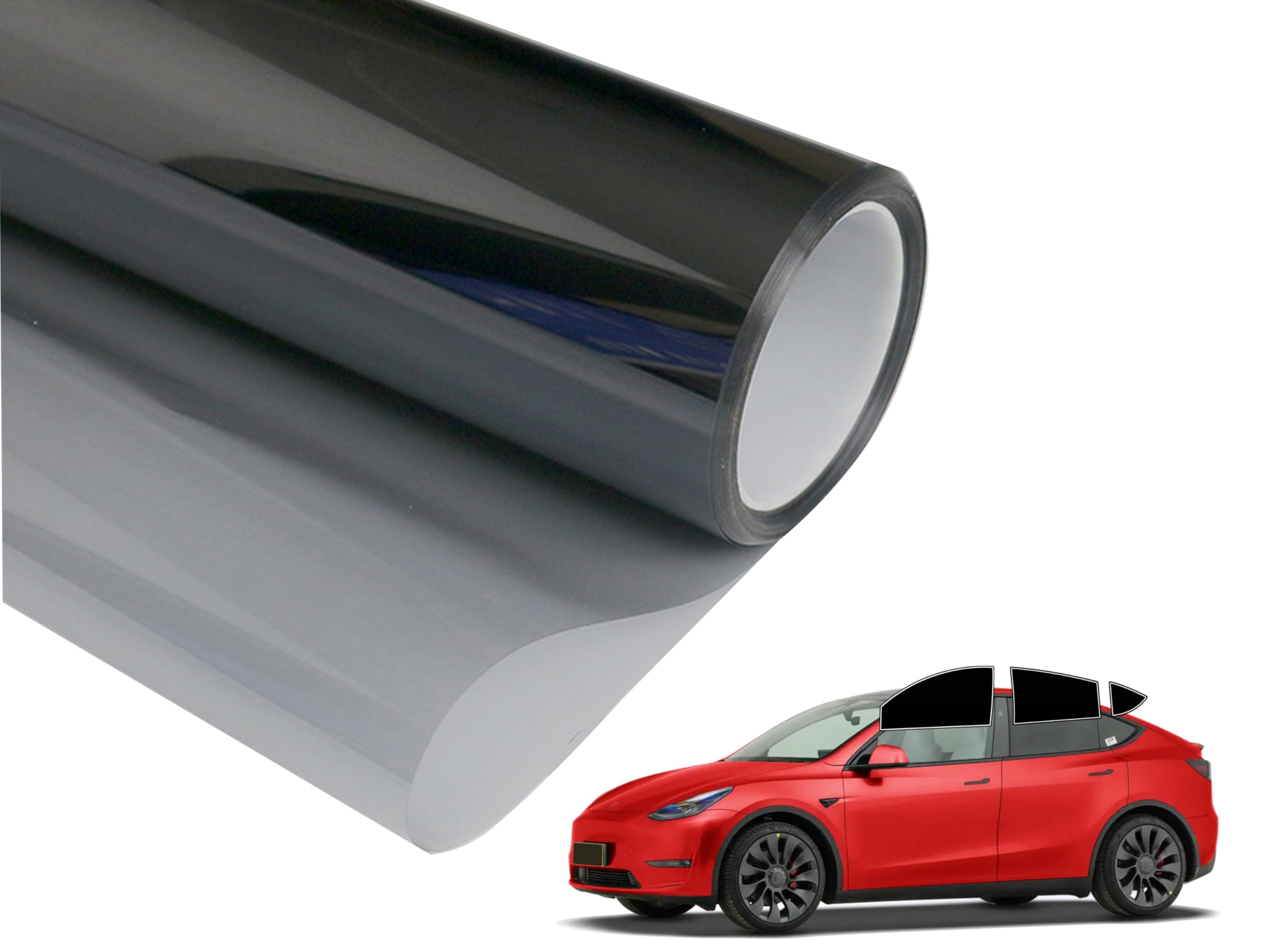
The budget 2-ply that a Chevy Equinox owner proved works.
Here is a direct comparison that matters: one owner used this 36x20ft roll and it fully covered the side and rear windows of a Chevy Equinox, recommending 25ft if you need room for mistakes. That kind of real-world coverage tells you the 20in x 15ft size (14.7 square feet per roll) is genuinely useful for a full car job, not just a single door. The 2-ply PET (polyethylene terephthalate) construction is designed to shrink easily with a basic heat gun on curved glass, and the adhesive is reported to bond cleanly when the window is prepped properly.
Buyers praise the AUTOTEK film for its value-for-money. The film blocks most UV and heat to keep the interior from aging, and it strengthens glass against scratches and shattering. However, the tint quality is a mixed bag — some find the shade accurate and consistent, while others report the film is very thin and crinkles when heated. If you are an experienced DIYer, this is a cheap roll that can look great; beginners may find it fragile and sticky.
Premium 2-ply build
- Proven to cover a full Chevy Equinox — real-world sizing verified
- Easily shrinkable with a heat gun for curved window fitting
- Affordable enough to use as a learning roll before premium film
Heavier film weight
- Thin construction can crinkle and rip under aggressive heat-shrinking
- Tint quality is variable between rolls — check consistency before cutting
For long-term use: a full-car tint project on a tight budget where you have some installation experience and a heat gun ready.
For DIY beginners: you are a first-timer who needs a forgiving, thick film — this one is sticky and can tear if you rush.
6. Myuilor 70% VLT Car Window Tint Film

The cheap roll that works if you master the water trick.
This is the most-reviewed budget option in the 70% VLT space, and the consensus is consistent: the material is thin and the adhesive is aggressive. The key to success is using heavy soap and water during application so the film slides into position before it bonds permanently. Owners who follow that method report good results — one partner applied it to three windows with no issues and called it very easy to use. The film measures 21in x 10ft (17.5 square feet), sized for small jobs like a couple of car windows or a home window.
The biggest downside reported across reviews is adhesion — the edges may not stay down over time, and the material rips easily if you try to reposition after it grabs. Durability is also a concern; some owners found the adhesive separates from the film, leaving glue bubbles on the glass. This is a usable learning roll if you go in expecting to upgrade later, but it is not a low-maintenance solution.
Affordable tint film
- Very low entry price for testing the DIY water method
- Reduces glare and blocks 99% of UV as advertised
- Peel-and-stick vinyl is quick to cut and trim
Lower heat rejection
- Adhesive is permanent once it grabs — no sliding reposition
- Edges may lift over time; not recommended for daily-driver longevity
For budget builds: you want a cheap practice roll to learn on before committing to a premium film.
For premium cars: you need a durable, long-term tint that withstands sun and washing for years.
7. G Greenfilm 70% Static Cling Window Tint

The peel-off film that leaves zero residue when you move out.
Totally different approach — no adhesive, no glue, no residue. This film uses static cling to stick to clean glass, so you can peel it off, reposition it, remove it for storage, and reapply it somewhere else. The 70% very light tint (pale blue in color) lets nearly full natural light pass through while blocking 99% of UV rays. Owners mention it noticeably reduces solar heat gain — one installed it on five 34×76-inch office windows and felt meaningful afternoon heat relief. Another used it on large single-pane windows and found the AC worked much less.
The trade-off is optical clarity. Almost 45 owners note that the view through the film has a slight shimmer or unfocused look, especially noticeable up close. The outside also takes on a bluish tint. This is ideal for apartments, sunrooms, or office windows where you cannot apply permanent adhesive film, but not for your car’s windshield where perfect clarity matters. The 24in x 212in roll covers 35.33 square feet, and a separate installation kit with solution and squeegee is required.
Static cling easy
- Zero-glue static cling is renter-friendly and fully removable
- Reusable — peel off, store, and reapply at a new location
- Effective UV blockage (99%) with noticeable heat reduction
No adhesive grip
- Optical clarity is hazy with a slight shimmer — not perfectly clear
- Installation kit sold separately; you need a spray solution and squeegee
For temporary use: you rent an apartment or office and want UV/heat protection without permanent commitment to the glass.
For permanent install: you need crisp outward vision — the shimmer will annoy you on a daily driver or your main living room window.
Understanding the Specs
VLT (Visible Light Transmission)
This is the percentage of visible light that passes through the film. A 70% VLT film lets in 70% of light, making it one of the lightest tints available — ideal for windshields in states with strict tint laws. The lower the VLT number, the darker the film. At 70%, you get sun protection without the blacked-out look that can be illegal for front windows.
IR Rejection (Infrared Radiation)
This spec tells you how much solar heat the film blocks. Standard dyed films might block 30-40% of IR, while ceramic films often hit 85-95%. Higher IR rejection means a cooler cabin on hot days without needing a darker tint. If you live in a sunny climate, this number matters more than the VLT for comfort.
FAQ
Is 70% tint legal for front windshields?
Can I see clearly at night with 70% tint?
What is the difference between ceramic and 2-ply PET tint?
Will 70% window tint reduce interior heat?
How long does 70% window tint last on a car?
Can I install 70% window tint myself or do I need a pro?
Does 70% tint affect GPS or phone signal?
What is the best 70% window tint for a renter?
How do I remove old window tint residue?
Will 70% tint help with glare from headlights?
Final Thoughts: The Verdict
For the majority of shoppers, the best 70% window tint winner is the BLACKGLASS IX 70% VLT Light Smoke because it balances thick 2-ply build quality with forgiving DIY installation, backed by thousands of satisfied owners. If you want maximum heat rejection, grab the KORKIE Nano Ceramic for its genuine >85% IR performance at a value price. And for renters who need a no-commitment solution, the G Greenfilm Static Cling is the one to reach for — install it today, peel it off tomorrow, and leave zero evidence you were ever there.
How We Picked
We do not accept paid placement. Every pick is matched to a real buyer and a real use-case; we do not hands-on test units.
Sources & Methodology
Specifications: manufacturer listings and product documentation. Review insights: verified customer reviews, as of July 2026. Pricing: not shown on this page (it changes often); check the current price via the retailer link.
As an Amazon Associate, GoCarLife earns from qualifying purchases. This does not affect which products we feature.