
Our readers keep the lights on and the garage heater humming. As an Amazon Associate, I earn from qualifying purchases.
Specs are compiled from manufacturer listings and verified buyer reviews and can change over time — please confirm the key details on the product page before buying.
Nothing ruins a summer drive like feeling the sun scorch your arm through the glass. You want a film that actually stops the heat — not just darkens the view — without turning your dash into a solar collector. The trick is finding the right balance between infrared rejection, usable visibility at night, and a film that won’t bubble or peel by next season.
I’m Mo Maruf — the founder and writer behind GoCarLife. This guide is built by comparing the manufacturers’ published specifications and the patterns across verified customer reviews, so you get each pick’s real strengths and trade-offs instead of marketing spin.
We narrowed it down to the five best films that deliver genuine temperature drop without a shop-install price tag, all tested by thousands of owners who actually live with the glare every day. Here is our complete guide to the best window tint for heat reduction on the market right now.
Our Picks at a Glance
How To Choose The Best Window Tint for Heat Reduction
Picking a heat-blocking film means looking past darkness alone. The right roll keeps your cabin cooler and your radio clear.
Film Material: Carbon vs. Ceramic
Carbon films use embedded carbon particles to absorb infrared light — they cut glare without the metallic sheen that can mess with GPS and phone signals. Ceramic films use nano-ceramic particles to reject heat at a higher rate while staying optically clear. Ceramic is usually the pricier choice, but it leaves zero interference with your electronics.
Visible Light Transmission (VLT) and Your State Law
VLT is the percentage of visible light that passes through the film. A 20% VLT lets in twenty percent of outside light — dark enough for privacy but not a cave. Most states set a legal limit (often around 32% for front side windows), so check your local rules before cutting. The listed VLT on a roll is a nominal value; real-world readings can vary by a few points, which can matter at inspection time.
Quick Comparison
| Model | Best For | Material | VLT | Roll Size | Amazon |
|---|---|---|---|---|---|
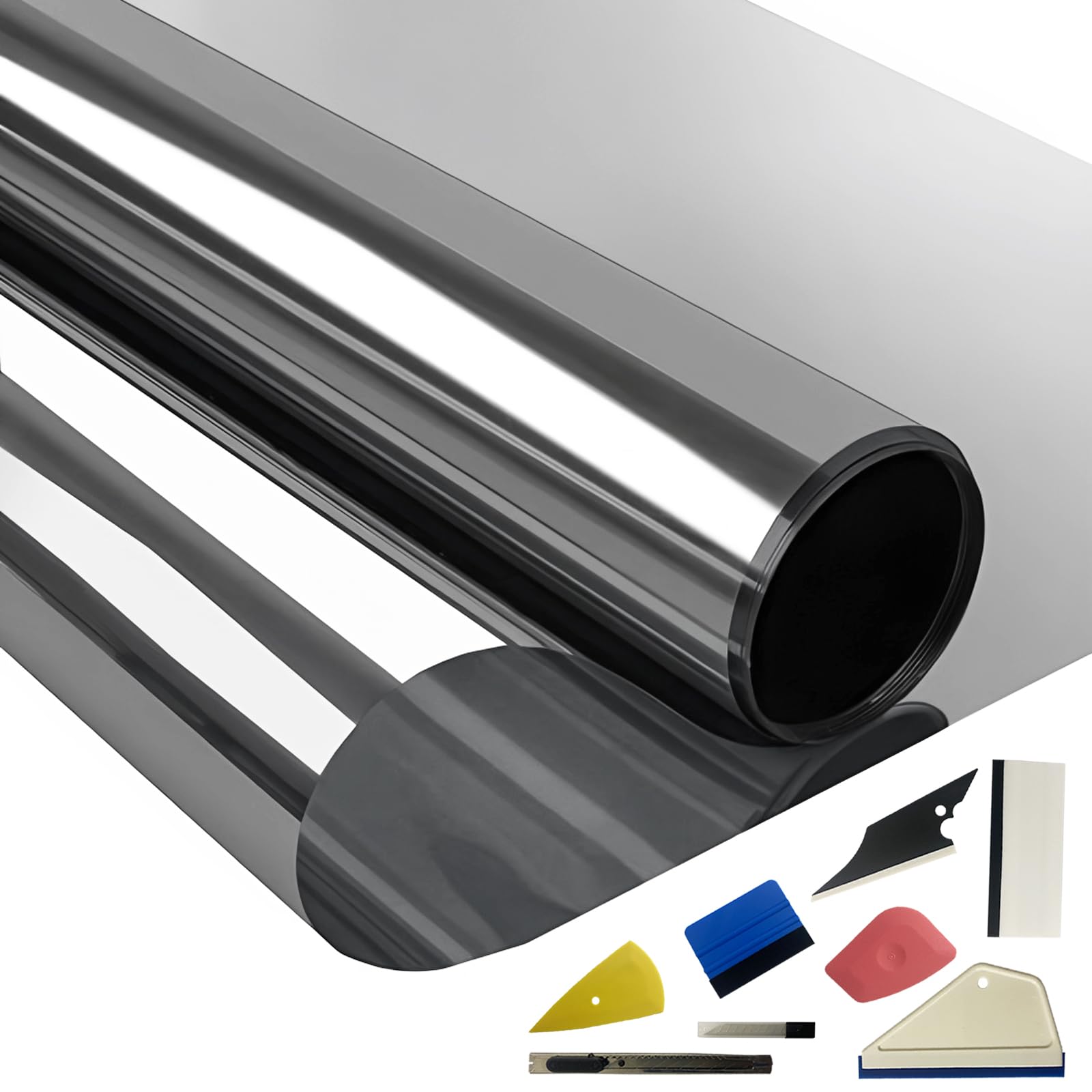
| 2PLY Premium Carbon 20% VLT★ Best Overall | Full coverage + tools bundle | Carbon | 20% | 20″ x 100′ | Amazon |
| ARANA 20% VLT CeramicBest Value | Budget ceramic entry point | Ceramic | 20% | 20″ x 19′ | Amazon |
| IAQWE 15% VLT Ceramic | Darker tint with signal safety | Ceramic | 15% | 20″ x 20′ | Amazon |
| TOYOCO Ceramic 20% VLT | No-signal-interference film | Ceramic | 20% | 24″ x 15′ | Amazon |
| United 20% VLT Carbon | Professional-grade roll for big projects | Carbon | 20% | 20″ x 100′ | Amazon |
In‑Depth Reviews
1. 2PLY Premium Carbon 20% VLT Window Tint Film
Our pick — over 4★ from 100+ verified ratings; the strongest balance of quality and price.
The big roll that wraps your whole car plus hands you every tool you need.
This is the pick for anyone who wants a single roll to do every side and rear window and still have material left over. The film is a 2PLY carbon build at 1.5 mil thickness — strong enough to resist scratches without feeling like stiff plastic. It blocks 99% of UV rays, which means the dashboard and seats fade slower, and the cabin stays noticeably more comfortable on a sunny afternoon.
The pack includes 8 installation tools, so you are not hunting for a squeegee or cutting blade before you start. Owners find the tint easy to cut and largely bubble-free if you follow the wet method. The downside is real-world VLT variation — a handful of buyers report a 35% film reading closer to 27% at inspection, which is worth knowing if you live in a strict state.
What wins people over
- At 20″ x 100′ plus tools, this is everything you need for a full car job in one box
- The carbon layer absorbs infrared heat without causing signal dropout on GPS or phone
- The 1.5 mil thickness gives you enough rigidity to slide into place without creasing easily
The honest trade-off
- The actual VLT can read a couple percent darker than the label — check your local laws before cutting
- A minority of rolls arrive with a slight manufacturing crinkle that takes extra care to smooth
Grab this if you want: a true one-and-done kit that leaves your whole car shaded, with spare material for home windows.
Look elsewhere if: you live in a state with a strict VLT reading limit — the variance on this film could put you over the edge.
2. ARANA 20% VLT Ceramic Car Window Tint Film
The ceramic entry that cuts heat without cutting your wallet.
You get genuine nano-ceramic construction (a heat-rejecting layer made from tiny ceramic particles) for less than most carbon-based films cost. The ceramic layer blocks 99% of UVA and UVB rays — so your dashboard fades less and the cabin stays noticeably cooler on a sunny afternoon. At 20% VLT (Visible Light Transmission, meaning how much light passes through), you get daytime privacy while still seeing the road clearly at night, which works well for most daily drivers.
Install is a straightforward peel-and-stick job, and the hard coating is built to resist scratches from wiper use and daily handling. The 18-month after-sales support from ARANA covers any questions. Some owners note the film is on the thinner side, which makes it prone to creasing if you rush the slide, and a few had trouble with adhesion around tight compound curves. The reviews say it best: “Not as clear as I was hoping. But it seems to keep my car a little cooler.”
Smart buy if: you want ceramic-level UV protection without spending three times as much. The film is slightly thinner than premium rolls, so take your time on curved glass.
Best fit: the budget-conscious owner who wants genuine ceramic heat rejection and does not mind a meticulous afternoon of installation.
Skip for: large vans or trucks with heavily curved windows — the thin film fights you on complex shapes.
3. IAQWE 15% VLT Ceramic Car Window Tint Film
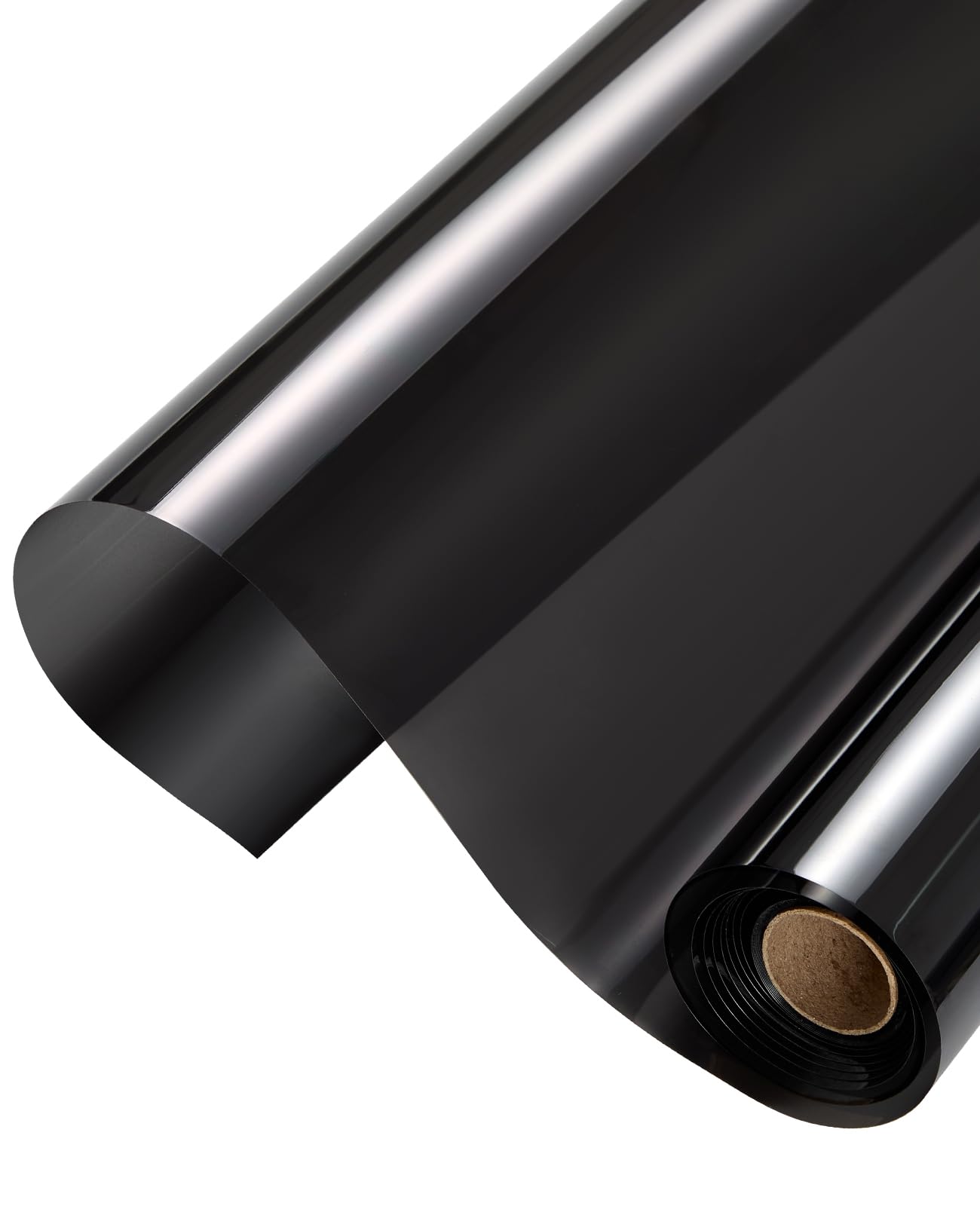
Darker privacy with a five-layer safety film that holds shattered glass.
At 15% VLT, this IAQWE roll sits on the darker side of the legal line for most states — it gives serious daytime privacy while keeping enough outward visibility for safe night driving. The ceramic construction is paired with a 5-layer safety film that helps hold broken glass in place during an impact, adding a genuine security layer to the heat reduction. The film also claims no signal interference, meaning your phone mount and GPS keep working as usual, which is a common headache with metal-based tints.
The roll is 20 inches by 20 feet, sized to cover a sedan’s side and rear windows with some planning. Owners consistently praise how easy it is to work with and how good it looks after install. On the other hand, some find it thinner than they expected — it can tear if handled roughly during the shrink step, and the instruction sheet could be clearer. A minority had a bad experience with the adhesive on the first batch, but the overall consensus is that it delivers solid heat relief for the money. As one buyer puts it: “the review pages sum it up: great product easy to work with looks awesome.”
What stands out
- 15% VLT gives a sleek low-visibility look while still being legal in most states for rear windows
- The 5-layer build adds impact protection not found on cheap single-ply films
- No metallic content so your phone and radio stay clear — a real perk compared to older carbon blends
Where it trips
- The film is thin — take extra care when heat-shrinking around curved rear windows
- A few rolls have arrived with minor adhesive inconsistency, though replacements seem smooth
Reach for it if: you want a dark profile and shatter protection without losing GPS signal. The safety layer alone justifies the upgrade for family vehicles.
Think twice if: you are a first-time DIY installer — the film’s thinness makes it less forgiving of beginner mistakes.
4. TOYOCO Ceramic Car Window Tint Film, 20% VLT, 24″ x 15FT
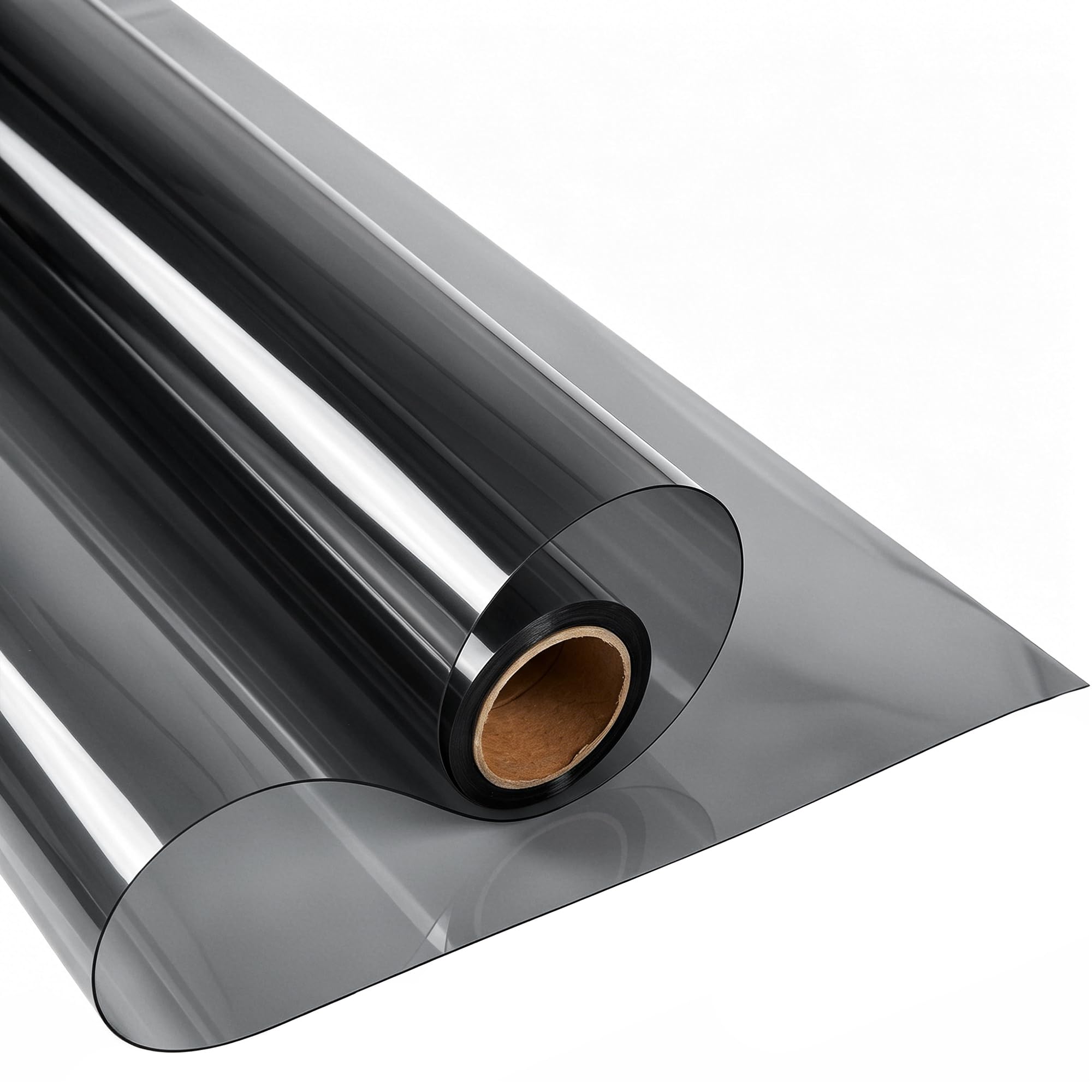
The wider roll that covers taller windows without piecing panels together.
Most window films are only 20 inches wide, so on a tall SUV rear door you often have to seam two strips together. This TOYOCO roll is 24 inches wide and 15 feet long — the extra width saves you that splicing hassle, and the 30 square feet of coverage fits a compact sedan or a couple of home windows. It is a 2PLY (two-layer) ceramic film that blocks 99% of UV rays, and the nano-ceramic construction lets your phone and GPS signals pass through without interference — a common problem with metal-based films.
Owners consistently report dramatic heat reduction, with one noting it made a real difference even in 100°F+ weather. The tint comes with a scraper and blade in the box, which helps if this is your first go at an install. That said, the film is not the thickest on the market — it sticks to itself easily if you fold it during the slip, and bubbles can appear if the application solution is not perfect. The word from the community is that this is a solid affordable solution for someone who does not mind a careful afternoon with a heat gun.
The extra width is the star: 24 inches means fewer seams on big windows. The film is thin but effective — take your time and it delivers real drop in cabin temperature.
Perfect for: SUV and truck owners tired of piecing narrow strips together, or anyone doing home windows where the 24-inch width saves a join.
Not for: those who want a thick, peel-proof film — treat this one gently during install.
5. United 20% VLT Carbon Window Tint Film – 20 x 100′ 2PLY
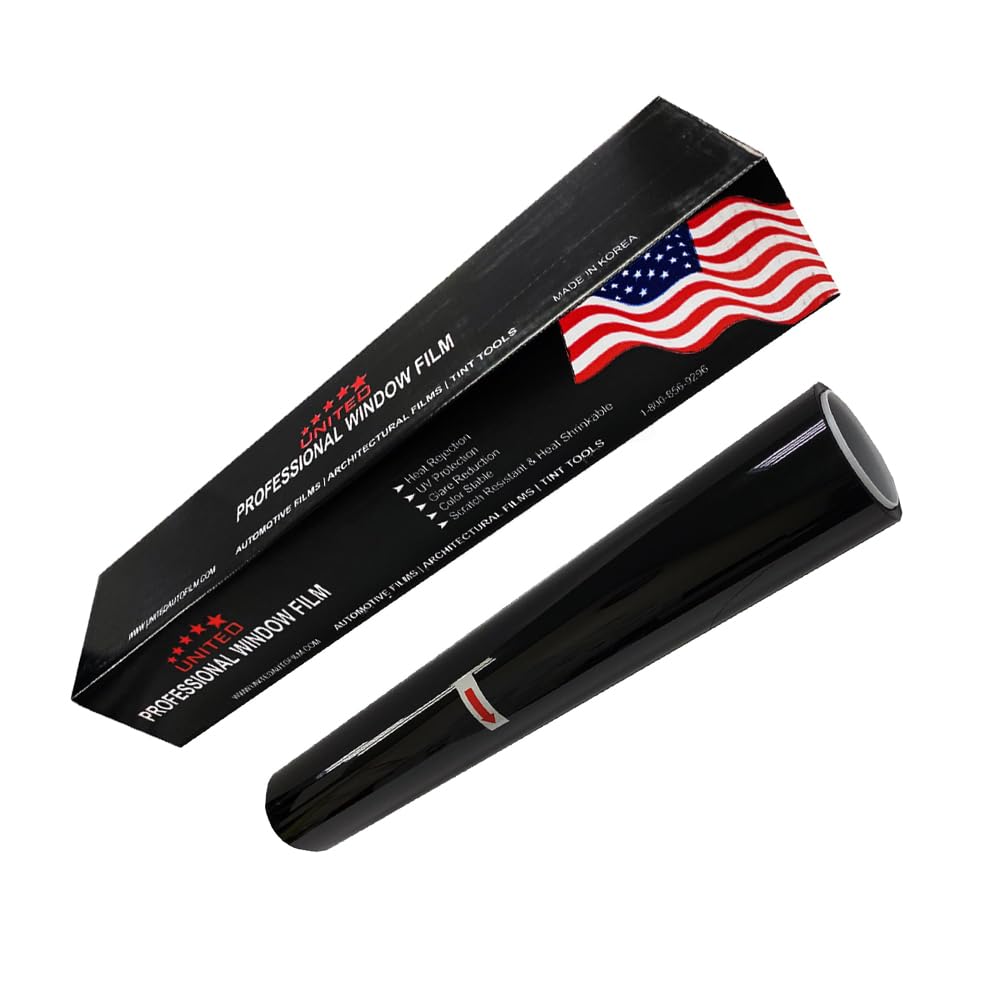
The 100-foot professional roll for the person doing multiple cars or a whole house.
This is the film you grab when one small roll is not enough. The United Carbon tint comes in a 20-inch by 100-foot length — enough to do two or three vehicles or a set of home windows in one pass. It is a 2PLY nano-carbon film that blocks 99% of UV rays and cuts down infrared heat, which keeps interiors cooler and slows sun damage to upholstery.
The film is designed for wet or dry heat-shrink installation — a method professionals use to mold the film around curved glass without distortion. Owners mention it cuts cleanly, bubbles out easily, and the adhesive is strong once set. It is slightly thinner than some store-brand films but does not crease as easily, which is a nice trade-off. One small gotcha: a few users found the 20% VLT looked closer to a lighter shade once installed, so if absolute darkness is your goal, you might need to step down a VLT. Overall, the review pages say it is a “life changing” upgrade for home heat reduction, and the value per square foot is tough to beat.
Why it earns the Pro label
- 100-foot continuous roll means you can tint an entire fleet or house without buying multiple rolls
- Heat-shrink compatible — a professional feature that lets you wrap curved glass without bunching
- The strong adhesive holds up well against temperature swings and resists peeling over time
A couple of notes
- The 20% VLT reads closer to a medium tint on some cars — check the shade before cutting if you need maximum darkness
- It is slightly thinner-feeling than premium shop films, though owners say it still lays down nicely
Best for: shop owners, fleet managers, or DIYers tackling a big project where material continuity matters more than perfection on every curve.
Consider another option if: you just need a single-vehicle roll — the 100-foot length may be more than you can store neatly.
Understanding the Specs
VLT — Visible Light Transmission
VLT tells you the percentage of outside light that passes through the film to your eyes. A 5% VLT is very dark (limo tint), 20% is a common street-legal shade for rear windows, and 50% or higher is nearly clear. The number does not tell you how much heat the film blocks. Two films with the same 20% VLT can stop very different amounts of infrared energy depending on their material — carbon or ceramic — so don’t pick by darkness alone.
Material Type — Carbon vs. Ceramic
Carbon films use embedded carbon particles that absorb infrared heat and block glare, which keeps the cabin cooler without the metallic look. Ceramic films use nano-sized ceramic particles that scatter and reject infrared at a higher rate while staying optically clear. Ceramic is generally more effective at heat rejection and causes zero signal interference with phones and GPS. Carbon costs less and still gives noticeable heat reduction, but may have a slightly darker appearance from the outside.
FAQ
Will a darker tint always block more heat?
Can I still use my phone and GPS with this film?
How long does a typical DIY window tint last?
Is 20% VLT legal everywhere?
Do I need a heat gun to install window tint properly?
Can I tint just my house windows with these rolls?
What does “2PLY” mean in window tint?
How do I clean window tint without damaging it?
Will the tint fade or turn purple over time?
Final Thoughts: The Verdict
For most owners, the top pick is the 2PLY Premium Carbon 20% VLT because the 100-foot roll plus a full tool kit makes it the most complete package for a whole-car job — no second roll needed. If you want genuine ceramic heat rejection on a tighter budget, the ARANA Ceramic 20% VLT delivers real UV-blocking at a price that beats most carbon films. And for anyone tackling a fleet, a big house project, or wanting professional-grade heat-shrink capability, the United 20% VLT Carbon 100-foot roll gives you the length and the flexibility to finish the job in one shot.
How We Picked
We do not accept paid placement. Every pick is matched to a real buyer and a real use-case; we do not hands-on test units.
Sources & Methodology
Specifications: manufacturer listings and product documentation. Review insights: verified customer reviews, as of July 2026. Pricing: not shown on this page (it changes often); check the current price via the retailer link.
As an Amazon Associate, GoCarLife earns from qualifying purchases. This does not affect which products we feature.