
Our readers keep the lights on and the garage heater humming. As an Amazon Associate, I earn from qualifying purchases.
Specs are compiled from manufacturer listings and verified buyer reviews and can change over time — please confirm the key details on the product page before buying.
If you’ve ever baked on a summer highway with the sun hammering your left arm, you already know the pain a great windshield tint film eliminates. But buying the wrong one means fighting bubbles, watching it peel, or losing your GPS signal. This guide cuts through marketing hype to deliver real specs and owner-verified trade-offs for the top nine films.
I’m Mo Maruf — the founder and writer behind GoCarLife. This guide is built by comparing the manufacturers’ published specifications and the patterns across verified customer reviews, so you get each pick’s real strengths and trade-offs instead of marketing spin.
Whether you’re after maximum privacy, heat rejection that saves your AC, or a simple DIY project that doesn’t end in frustration, the best windshield tint film is the one that balances your car’s needs with your skill level.
Our Picks at a Glance

How To Choose The Best Windshield Tint Film
Choosing a tint means balancing nighttime visibility, heat rejection, and ease of installation. Here is what matters.
Visible Light Transmission (VLT)
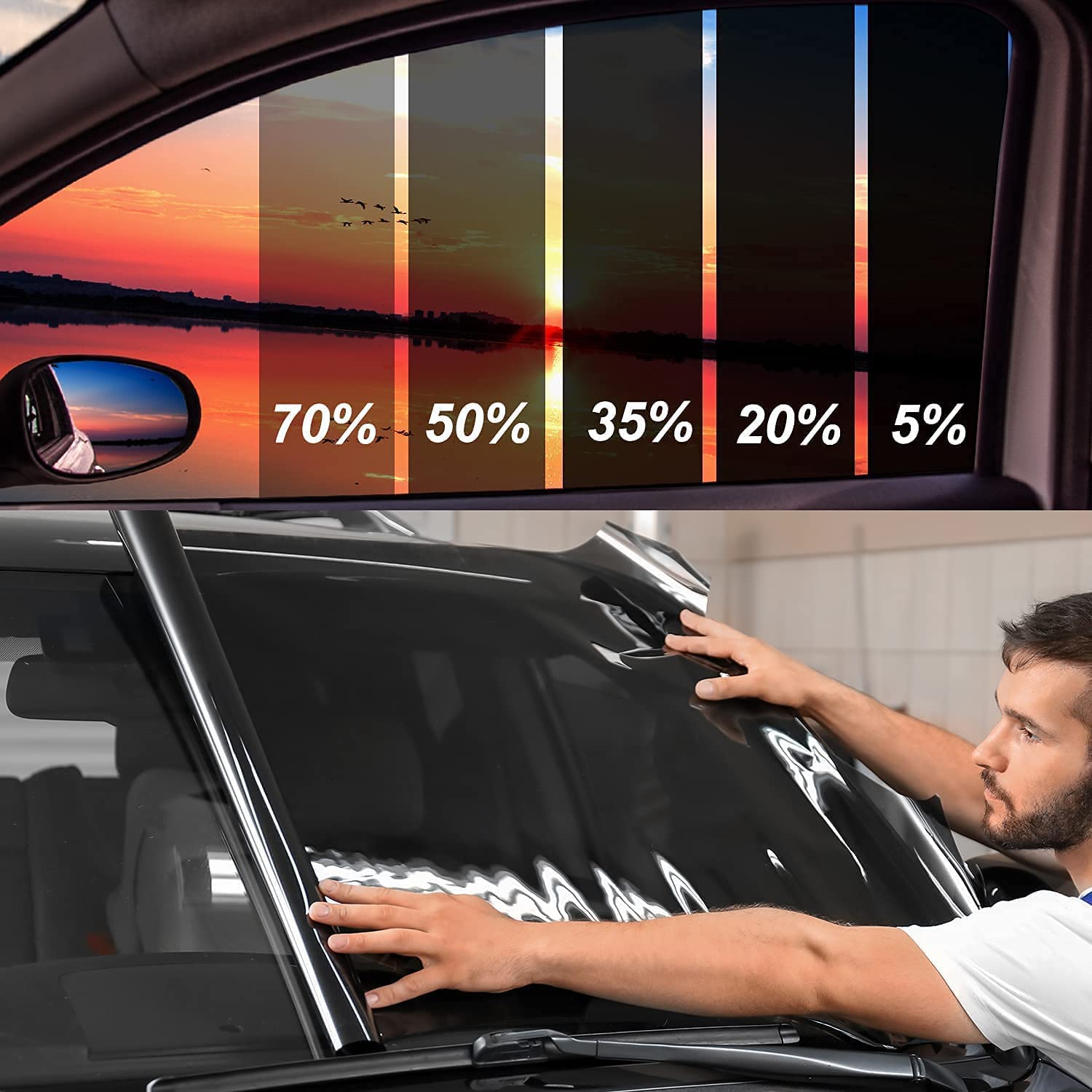
This is the percentage of light a film lets through. A 5% VLT (often called “limo tint”) gives you deep privacy during the day, but it makes backing up at night very difficult. A 20% or 35% VLT is far safer for your front windows and windshield strip while still cutting glare. Each state has its own legal limit, and you usually need a higher VLT on the windshield than on the rear.
Material: Dyed, Carbon, or Ceramic?
Dyed PET film is the budget classic — it blocks UV and looks dark, but it can fade to purple over a couple of years in direct sun. Carbon film adds a matte finish and resists fading better. Ceramic film is the top tier: it blocks more infrared heat without hurting signal reception, so your phone and GPS work perfectly behind the glass.
Shrinkability and Adhesive Quality
Rear windows with a big curve need a film that “shrinks” into shape with a heat gun. A film that shrinks poorly will wrinkle or pull away from the glass. The adhesive must be aggressive enough to hold the edge tight but forgiving enough to let you lift and re-squeegee a bubble. This is where most budget films fail.
Quick Comparison
| Model | Best For | VLT | Material | Dimensions | Amazon |
|---|---|---|---|---|---|
| United Universal 36″ x 100′★ Best Overall | Bulk coverage & value | 5% | 1Ply Dyed PET | 36 x 100 ft | Amazon |
| RockRose 20% Carbon 36 x 100FTTop Performer | High‑volume pro builds | 20% | 2PLY Carbon | 36 x 100 ft | Amazon |
| United 3‑Roll 20″ x 100′Multi‑Roll Value | Multi‑vehicle fleet | 20% | 1 Mil Dyed PET | 20 x 100 ft (3 rolls) | Amazon |
| TOYOCO Ceramic 20″ x 20FT | Ceramic on a budget | 5% | Ceramic | 20 x 20 ft | Amazon |
| TOYOCO 35% 36″ x 15FT | Legal windshield strip | 35% | 2PLY Ceramic | 36 x 15 ft | Amazon |
| IAQWE 20% Ceramic 20 x 20 ft | Balanced day & night use | 20% | Ceramic | 20 x 20 ft | Amazon |
| RockRose 70% Nano Ceramic 20 x 10FT | Nearly clear heat shield | 70% | Air Nano Ceramic | 20 x 10 ft | Amazon |
| TOYOCO Ceramic 20″ x 10FT | Small budget project | 5% | Ceramic | 20 x 10 ft | Amazon |
| ARANA Ceramic 20″ x 20FT | Value daily driver tint | 5% | Ceramic | 20 x 20 ft | Amazon |
In‑Depth Reviews
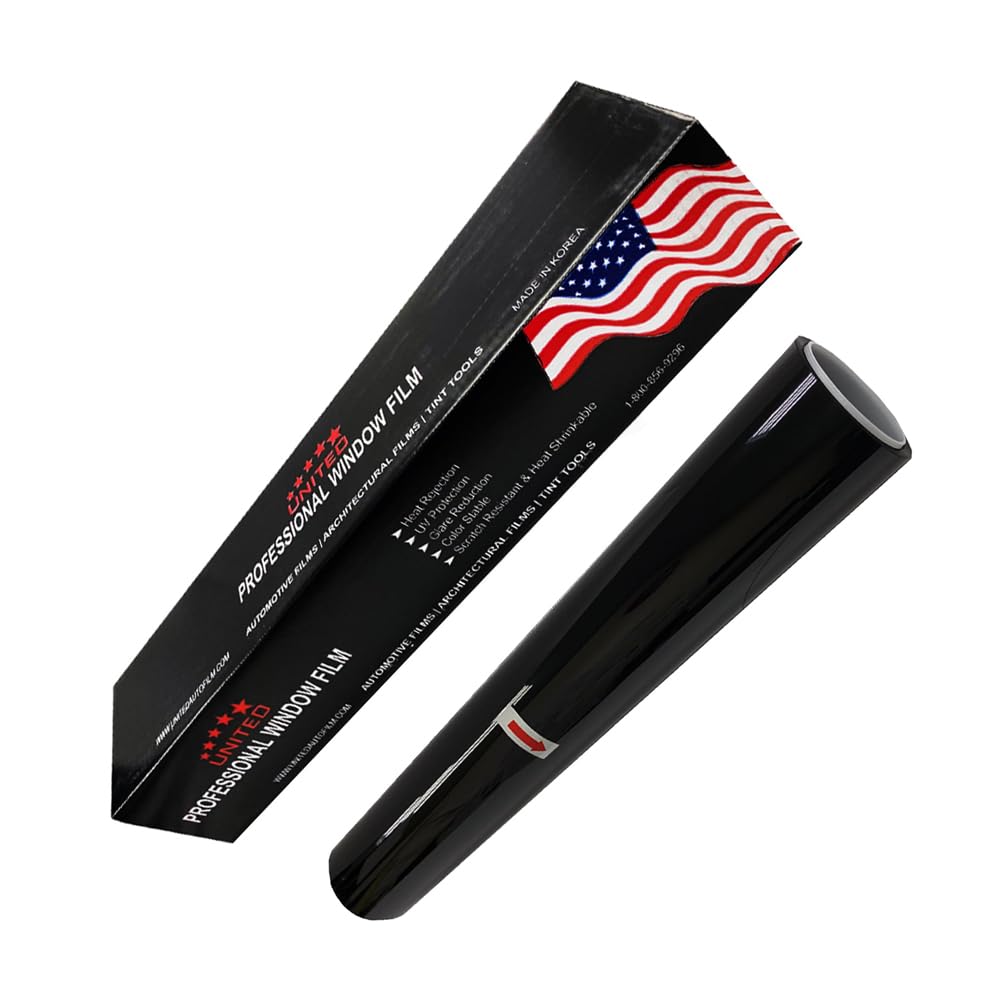
1. United Universal Black Window Tint Film 36″ x 100′ — 5% VLT
Our pick — over 4.5★ from 400+ verified ratings; the strongest balance of quality and price.
A 300‑square‑foot roll that is still tinting vehicles months after the job started.
The standout feature is the raw material: a 36‑inch by 100‑foot roll of 1Ply dyed PET film covering 300 square feet. One owner reported tinting six vehicles and still having material left. That bulk value earns it the top spot — the cost per square foot is exceptionally low for a film that blocks 99% of UV and delivers deep 5% VLT privacy.
Owners describe the film as thicker than expected, which makes it easier to handle during installation without tearing. The instruction calls for wet/dry heat shrink ability, so you can shape it around curved rear windows with a heat gun. Has not faded or nothing!” That real-world durability is exactly what you want from a dyed film at this scale. The trade-off is that 5% VLT is very dark for night driving, especially on the windshield strip; it is best used on rear passenger and cargo windows.
Bulk‑Value King: If you have several vehicles, a large SUV, or plan to tint home windows, this roll’s 300 square feet of material means you won’t run out mid-project.
One honest catch: The deep 5% shade gives maximum daytime privacy, but it significantly reduces rear visibility after dark. Consider this a rear‑seat and cargo‑area film, not a windshield strip choice.
Grab this if: You want a massive roll of proven dyed film that blocks UV, resists fading, and covers multiple vehicles for a single investment.
Think twice if: You need a film for your front side windows or windshield strip — the 5% VLT will be too dark for safe night driving in many states.
2. RockRose 20% Premium Carbon Car Window Tint 36 in x 100FT
The crowd‑favorite carbon film balances heat rejection with easy shrinking.
You get strong daytime privacy without making night driving dangerous with the RockRose 2PLY carbon film. Its 20% VLT (Visible Light Transmission — the percentage of light that passes through the film) lets in more light than the 5% films, so it is far safer for front windows and windshield strips. The carbon construction blocks up to 55% of infrared radiation (the heat you feel from the sun), giving you real heat reduction without the premium price of ceramic.
This roll is massive at 36 inches by 100 feet, and quality is the aspect owners highlight most — well over 200 buyers mention it positively. A long-time tinter with 20+ years of experience called it “one of the easiest tints to apply,” praising its shrinkability on curved glass. The adhesion feedback is more mixed: some buyers report it sticks perfectly, while others have had edge lifting issues. The most common advice from experienced installers is to prep the glass meticulously and re-squeegee the edges during the first few drying hours.
Why it works
- 20% VLT is both street‑legal (for many states) and privacy‑giving
- Carbon film is fade‑resistant compared to budget dyed films
- Plentiful 36 x 100 ft format covers an SUV plus a sedan
The skill note
- Adhesion is not universally consistent — some owners saw edge peeling that required re‑squeegeeing
- The film can fade slightly over years in brutal sun, with some noticing a darkness difference between fresh and aged rolls
Best suited for: The DIYer who wants a big roll of reliable carbon film that shrinks well and provides genuine heat rejection without breaking the budget.
skip it if: You want the highest possible IR rejection — ceramic films outperform carbon by a wider margin on scorching summer days.
3. United 20% VLT Professional Window Tint 3 Rolls — 20″ x 100′
Three rolls of upgraded dyed film for a fleet, a house, or a family of cars.
This kit gives you three separate 20-inch by 100-foot rolls of 20% VLT dyed PET film. The “upgraded” 1 mil thickness with enhanced adhesive is designed to address the common complaint about dyed films being too flimsy. Owners mention strong heat reduction and light blocking, with one reviewer stating, “this the best tint I have found for the price.”
The honest trade-off is in the adhesive and ease of use. Multiple owners note that separating the clear release liner from the tint is a real hassle — it takes patience to get started without damaging the film’s edge. The 20% VLT is a smart middle-ground choice for this kit: dark enough for solid daytime privacy, but light enough at night to avoid the dangerous blackout of a 5% film. If you are tinting an entire house or a small commercial space alongside your car, the three-roll format makes sense.
Fleet-ready: Three rolls of 20% VLT dyed film let you tackle a multi-vehicle household or a home tinting project in one purchase.
The real drawback: The release liner is famously difficult to separate from the film, which can be frustrating for a beginner installer.
Get this if: You have three cars, a car and a house, or need a bulk supply of 20% film for multiple projects.
Look elsewhere if: You are a first‑time installer — the liner separation issue may cause you to waste material out of frustration.
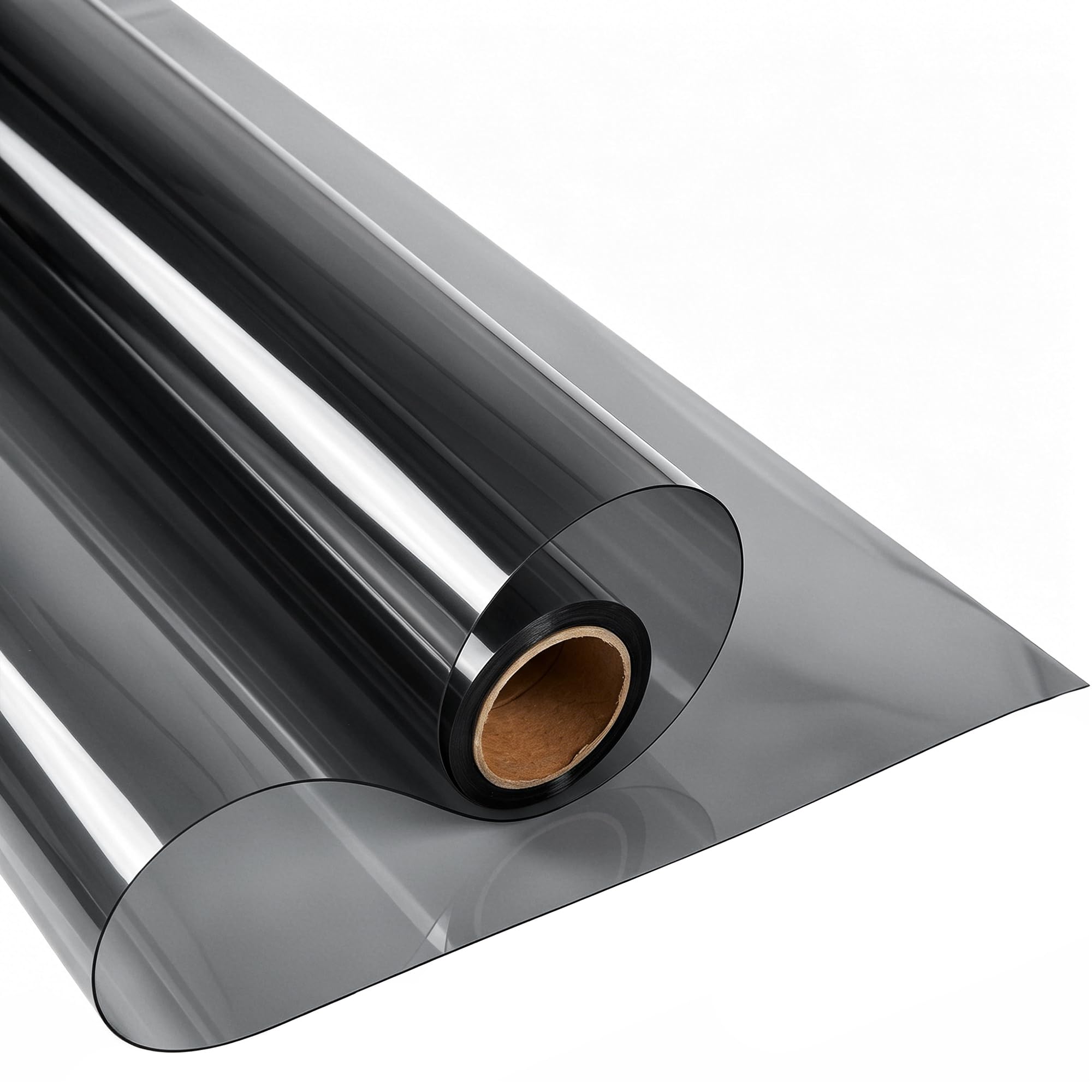
4. TOYOCO Ceramic Car Window Tint 5% VLT 20″ x 20FT
Ceramic heat rejection at a price that competes with budget dyed films.
The 2PLY ceramic construction here is the headline feature — it blocks 99% of UV rays and, unlike metal-based films, does not interfere with GPS, phone, or radio signals. At 5% VLT, this is a deep privacy tint that customers note dramatically reduces cabin heat, with one describing a “dramatic heat reduction felt” right after installation.
The 20-inch by 20-foot roll is generous enough for a smaller sedan’s side and rear windows. Some owners found the film tricky to handle — it can stick to itself during installation and rip if you are not careful. The kit includes a scraper and blade, which is a nice touch for a first attempt. If you want ceramic performance for the rear windows without spending pro-shop money, this is a strong candidate.
Ceramic without the ceremony: True ceramic construction that keeps your phone and GPS working and blocks UV, all at a very accessible price point.
The catch: 5% VLT is extremely dark at night — not a film for anyone who drives after dark on unlit roads.
Reach for this if: You want real ceramic heat-blocking tech for your side or rear windows without the usual ceramic price premium.
pass on it if: You need a legal front-window tint — the 5% VLT will fail inspection in most states.
5. TOYOCO Ceramic 35% VLT 36″ x 15FT
The lighter VLT that keeps your windshield legal and your interior cooler.
At 35% VLT, this is the brightest film on our list — and that is a feature, not a limitation. For a windshield sun strip or front side windows, 35% is the highest VLT you can run while still cutting glare dramatically. The 2PLY ceramic construction blocks 99% of UV and delivers the same no-signal-interference benefit as the darker TOYOCO film. The 36-inch width by 15-foot length gives you 45 square feet, which is ideal for a single vehicle’s front windows and a windshield strip.
Owners with experience note that this film is thick, easy to cut, and includes a cutter and squeegee in the package. The main feedback from installers is that persistent bubbles can remain for days after application, and some had edge peeling on the left side that required careful re-squeegeeing. If you are a beginner, you will want to watch a few tutorials before starting.
Legal and liveable: 35% VLT is legal for windshield strips in most states and for front side windows in many, while still blocking the harsh glare of oncoming headlights.
Know before you go: The ceramic film does not shrink as easily as some carbon films, so a highly curved rear window may bubble or wrinkle.
Perfect for: The driver who wants a nearly-clear UV and heat barrier for the windshield strip or front windows without risking a ticket.
Not for: Anyone looking for maximum rear privacy — 35% VLT is quite transparent from outside during the day.
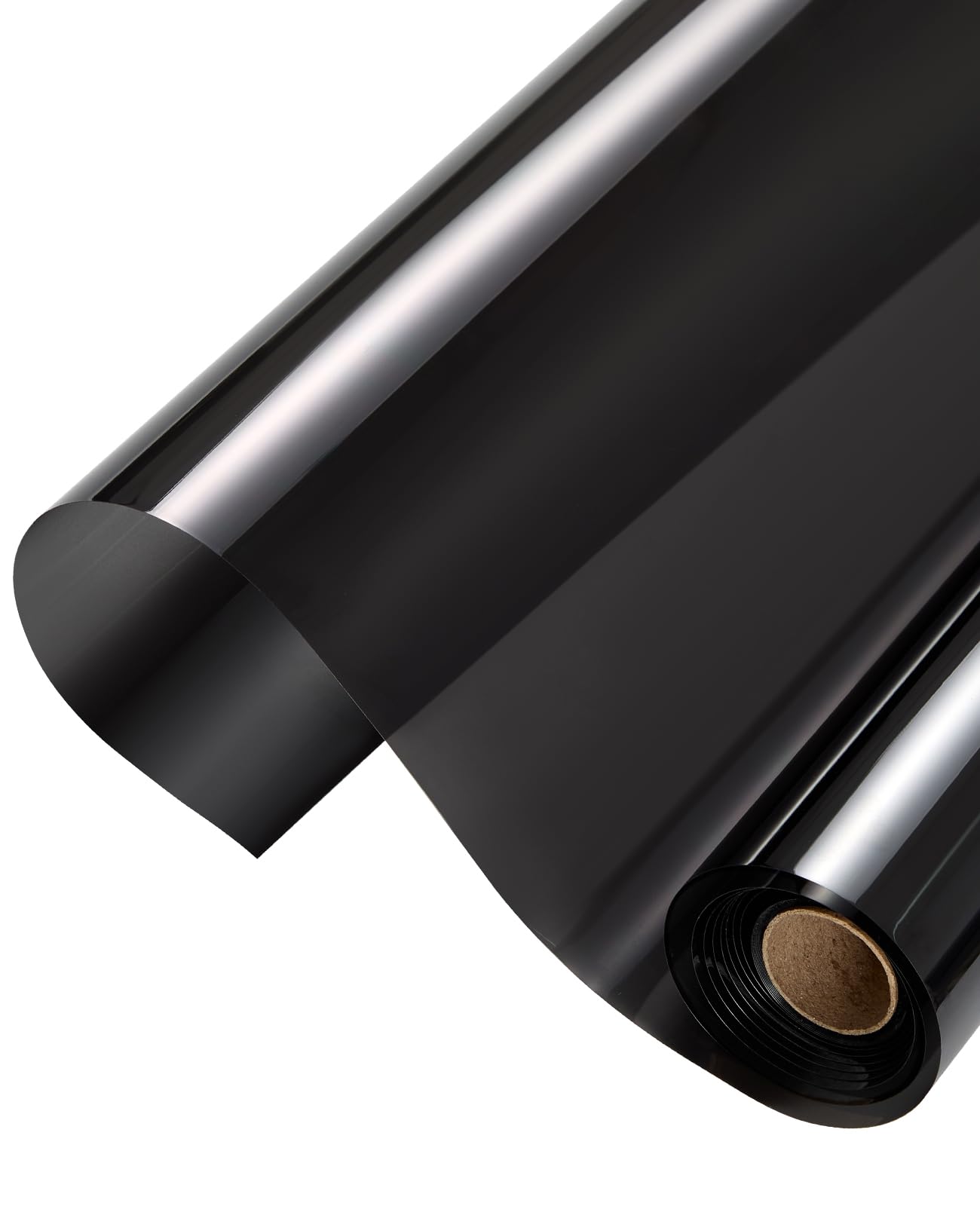
6. IAQWE 20% VLT Ceramic 20 in x 20 ft Roll
The ceramic 20% film that leaves your night vision intact.
20% VLT is the just-right zone for many drivers: dark enough for daytime privacy and a sleek uniform look, but light enough to see pedestrians and curbs at night without rolling the window down. IAQWE’s 5-layer ceramic construction adds a shatterproof safety layer that holds glass together on impact — a real bonus if you live in an area with break-in risks. The film blocks 99% of UV rays and the 20-inch by 20-foot format covers a typical sedan’s side and rear windows.
The install feedback is positive — owners call it “great product easy to work with” and many completed the job without professional help. The honesty note comes from a few critical reviews that received the film in a plain cardboard tube and found the tint was darker than the advertised 20%. If you order this, open and inspect the roll immediately to confirm the VLT matches what you expect.
Day‑night balance: 20% VLT gives you strong daytime privacy without turning your windows into mirrors at night, making it one of the safest all-rounder choices.
Packaging note: A few reviewers point out the film arrived in bare-bones packaging with no protective backing tube, so inspect on arrival for any edge damage.
Buy this if: You want a ceramic film that is easy to install and offers a real 20% tint that works for both daytime style and nighttime safety.
it’s not for you if: You need an exact match for a specific VLT requirement — the actual darkness may vary slightly from the spec.
7. RockRose 70% Air Nano Ceramic 20 in x 10FT

Blocks heat without changing how your car looks from the outside.
This film is for the driver who wants the performance of ceramic tint — 93% to 95% infrared rejection and 99% UV block — without the dark-window look. At 70% VLT, it is almost clear, making it one of the few films suitable for a full windshield application in states that allow it, or for drivers who simply prefer a factory-clear appearance. RockRose calls it “Air Nano Ceramic” and markets its haze-free clarity.
Reviews reveal a mixed reputation for this film. The shrinkability is a known struggle — several owners found it would not conform to curved rear windows, and the adhesive quality draws consistent negative feedback. If you are buying this specifically for a windshield strip (a relatively flat surface), it may work fine. If you need it for a highly curved side or rear glass, expect a challenging installation.
The invisible heat shield: Nearly clear 70% VLT and strong IR rejection make this ideal for a windshield strip if you want maximum glare reduction with minimal visual change.
The real issue: The adhesive and shrinking performance are below par — this film is not a good fit for beginners or for highly curved windows.
Use this if: You need a nearly transparent ceramic film for a flat windshield strip and you are an experienced installer with good heat‑gun technique.
Avoid this if: You are a beginner or you plan to tint heavily curved rear windows — the poor shrinkability will cause frustration.
8. TOYOCO Ceramic 5% VLT 20in x 10Ft
A ceramic film at a price that makes it an impulse buy for a small project.
This 20-inch by 10-foot roll of 5% VLT ceramic film is the smallest ceramic option here, and it is priced to match. It blocks over 99% of UV rays and more than 95% of IR rays, making it a serious heat fighter despite the small format. Owners who installed it on Jeep Wrangler roof toppers and Cherokee back windows praised the forgiving adhesive that allows repositioning without tearing.
The small roll size means you can only cover about two side windows or a single rear window on a sedan — plan your project accordingly. A few buyers reported the film arriving wrinkled and dirty, and a couple of critical reviews say it peeled away in direct sunlight. If you want to dip your toe into ceramic film for a modest budget, this is the roll to try, but the smaller dimensions and inconsistent arrival condition are honest limiting factors.
Low‑risk entry: Ceramic UV and IR blocking for under a small budget, with an adhesive that is forgiving enough for a first-time installer.
Size reality: At 10 feet long, this roll is only enough for a couple of side windows — not a full-vehicle project.
Perfect for: A small test project — try ceramic tint on your rear quarter windows before committing to a full roll.
Not right for: Anyone who needs to tint a full SUV or sedan — you will need at least two rolls of this size.
9. ARANA 5% VLT 20″×20FT Ceramic Film
A ceramic film that keeps your car cooler but asks for a patient hand during install.
ARANA brings a 5% VLT ceramic film with 99% UV block and a stable adhesive that the manufacturer says resists bubbling, peeling, and yellowing. The 20-inch by 20-foot roll gives you a solid amount of coverage for a sedan’s side and rear windows. The company backs it with an 18-month after-sales support policy, which is a nice safety net for a budget ceramic purchase.
The feedback is genuinely mixed. Some owners find the value excellent and the tint effect pleasing. Others note the film is not as dark as advertised — claiming it looks closer to 20% than the labeled 5% — and that the material is thin and prone to creasing during installation. A professional installer told one buyer the film was “poor quality” and would not stick properly. If you are an experienced DIYer and can handle thin film, the 18-month support is a worthwhile hedge.
Safety net included: 18 months of after-sales support is rare at this price level and gives you recourse if the film fails prematurely.
The thin film challenge: The material is not very thick and creases easily, so a steady hand and patience are essential during the squeegee step.
Best for: A budget-conscious buyer who has some tinting experience and wants a ceramic film with a solid warranty period.
Think twice if: You are a first-time installer — the film’s thinness and reported creasing issues may lead to wasted material.
Understanding the Specs
Visible Light Transmission (VLT)
This is the number that dictates your privacy, your night vision, and your legal risk. A 5% VLT means only 5% of visible light passes through — deep privacy during the day, but a dangerous blackout at night. A 20% VLT gives a good balance: you can still see pedestrians at night, and the police in most states will not bother you for front-side windows. A 35% or 70% VLT is essentially clear to the eye, used mainly for heat rejection on windshields.
Infrared Rejection (IRR)
This is the real heat metric. A film can block 99% of UV rays (most do) but only reject 50-95% of infrared heat. Higher IRR means your car’s cabin stays cooler and your AC works less. Ceramic films typically deliver 90%+ IRR, while dyed PET films may only achieve 40-55%. If you live in a hot climate, IRR is the spec that matters more than VLT.
Ceramic vs Dyed PET vs Carbon
Dyed PET is the cheapest: it blocks UV and looks dark, but it fades to purple over time and offers little heat rejection. Carbon film uses embedded carbon particles for a matte finish that resists fading and blocks a moderate amount of infrared. Ceramic is the top layer: it uses nano-ceramic particles that block high percentages of IR without interfering with radio, GPS, or phone signals. Ceramic also does not fade, but it costs more per square foot.
Shrinkability
When you install tint on a curved rear window, you need to heat-shrink the film to match the glass contour. A film with good shrinkability pulls tight and flat with a heat gun. A film with poor shrinkability wrinkles, creases, or pulls up from the glass edge. This spec is rarely published by manufacturers, so the best clue is owner reviews — experienced tinters will mention if a film shrinks well or fights them.
FAQ
Can I put 5% VLT film on my windshield?
Will ceramic tint interfere with my GPS or phone signal?
How long does dyed PET film last before fading?
What is the difference between 1‑ply and 2‑ply film?
Does window tint film reduce heat or just block UV?
How do I know which VLT is legal in my state?
Can I install tint film on a curved rear window by myself?
Will tint film help hold broken glass together in an accident?
How do I remove old window tint without damaging the defroster?
Final Thoughts: The Verdict
For the majority of shoppers, the best windshield tint film winner is the United Universal 36″ x 100′ because it delivers a proven 5% VLT dyed film that has held up for over a year in real sun, and the 300-square-foot roll covers multiple vehicles for the price of a single pro install. If you want a carbon film that balances heat rejection with easier night visibility, grab the RockRose 20% Carbon 36 x 100FT. And for a nearly clear ceramic option that gives you top-tier UV and IR protection without changing your car’s appearance, the RockRose 70% Air Nano Ceramic is the one to reach for.
How We Picked
We do not accept paid placement. Every pick is matched to a real buyer and a real use-case; we do not hands-on test units.
Sources & Methodology
Specifications: manufacturer listings and product documentation. Review insights: verified customer reviews, as of July 2026. Pricing: not shown on this page (it changes often); check the current price via the retailer link.
As an Amazon Associate, GoCarLife earns from qualifying purchases. This does not affect which products we feature.