
Our readers keep the lights on and the garage heater humming. As an Amazon Associate, I earn from qualifying purchases.
Specs are compiled from manufacturer listings and verified buyer reviews and can change over time — please confirm the key details on the product page before buying.
A helmet you forget you are wearing is the single best investment you can make for long days in the saddle. The wrong one pinches, steams up your sunglasses, and leaves you tugging at the chin strap instead of pedaling. The choice depends on three things: how well it fits a women’s head shape, how much air it pulls through on a summer climb, and how confidently you can trust the protection underneath that sleek shell.
I’m Mo Maruf — the founder and writer behind GoCarLife. This guide is built by comparing the manufacturers’ published specifications and the patterns across verified customer reviews, so you get each pick’s real strengths and trade-offs instead of marketing spin.
Whatever your distance or budget, this roundup of the best women’s road cycling helmet options cuts through the noise by balancing crash protection technology, weight on the scale, and real-world comfort across every ride.
Our Picks at a Glance

How To Choose The Best Women’s Road Cycling Helmet
Picking a road helmet is a balance between safety certification, fit mechanics, and weight so it disappears on your head. Knowing the specs that actually protect you and those that simply add ounces makes the choice much simpler.
Rotational Impact Systems (MIPS, Koroyd, KinetiCore)
These systems are the biggest safety jump in decades. MIPS (Multi-Directional Impact Protection System) adds a low-friction layer that lets the helmet rotate slightly on impact, which can reduce rotational forces to your brain in certain angled crashes. Smith uses Zonal Koroyd — a honeycomb-tube layer that crushes progressively to absorb energy while staying breathable. LAZER uses KinetiCore, which integrates folded crushable zones directly into the foam, so there is no separate plastic liner and the helmet stays lighter. All three meet the same core safety standards, but each has a different feel in terms of weight and ventilation.
Fit Systems and Retention
A helmet that wobbles at speed is dangerous. Look for a dial at the back that tightens evenly around the widest part of your skull — Giro’s Roc Loc 5 lets you adjust both tension and vertical position. KASK’s Octo Fit uses a rubberized micro dial plus gel pads for a truly custom feel. A quality retention system should let you dial it in one-handed while moving.
Weight and Ventilation
Road helmets trade weight for aerodynamics and airflow. A heavier lid (over 300 grams) can fatigue your neck on long climbs, while a helmet below 250 grams feels nearly invisible. Vents matter more for keeping your eyewear fog-free than for whole-head cooling — Smith’s AirEvac system is a great example of channeling breath away from lenses. Look for deep internal channels that force air across your scalp, not just holes drilled in the shell.
Quick Comparison
| Model | Best For | Weight | Protection System | Vents | Amazon |
|---|---|---|---|---|---|
| Smith Persist MIPS★ Best Overall | Best Overall | 310 g | MIPS + Zonal Koroyd | 21 fixed vents | Amazon |
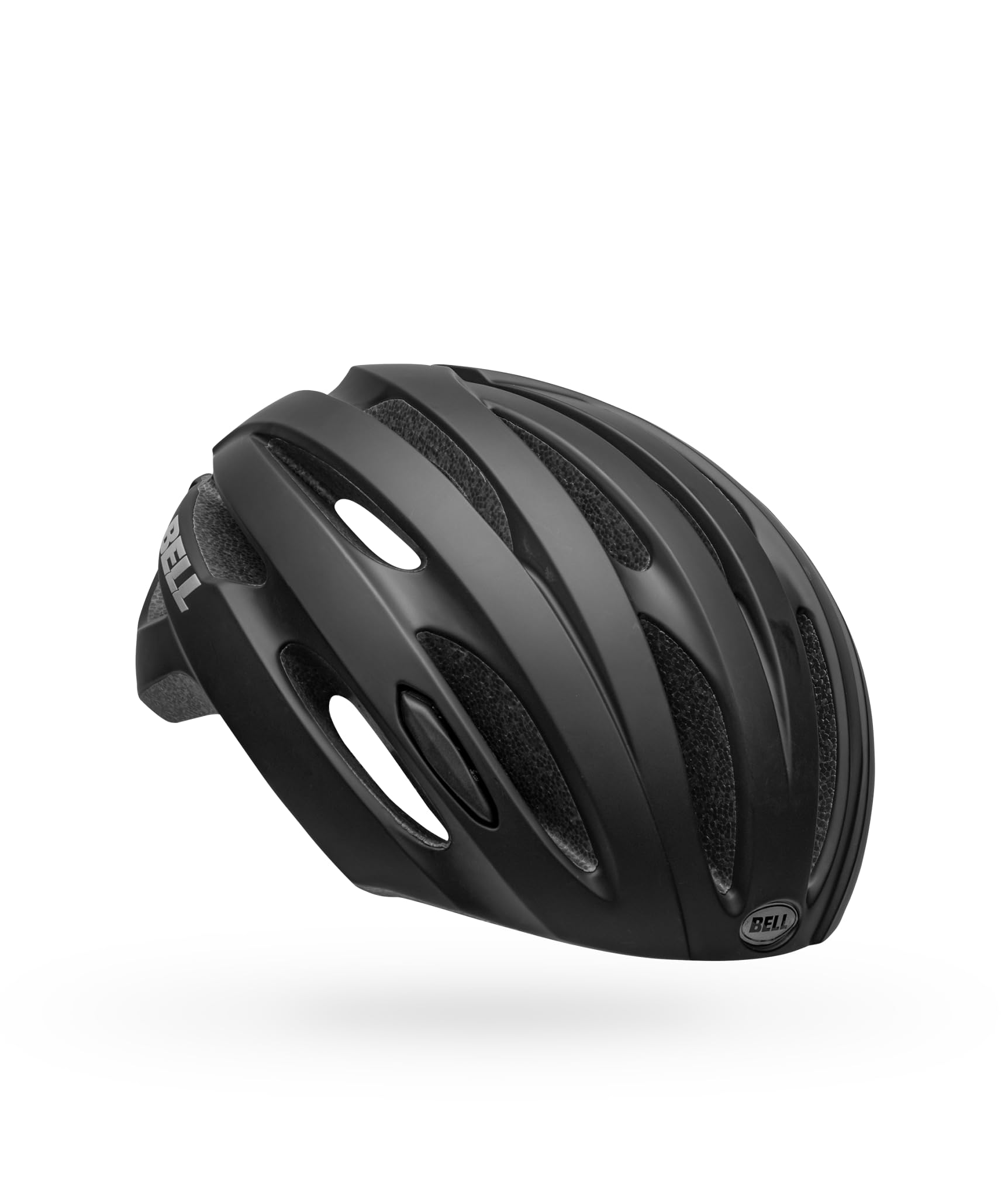
| BELL Avenue MIPSBest Value Safety | Best Value Safety | 0.69 kg | MIPS Evolve | — | Amazon |
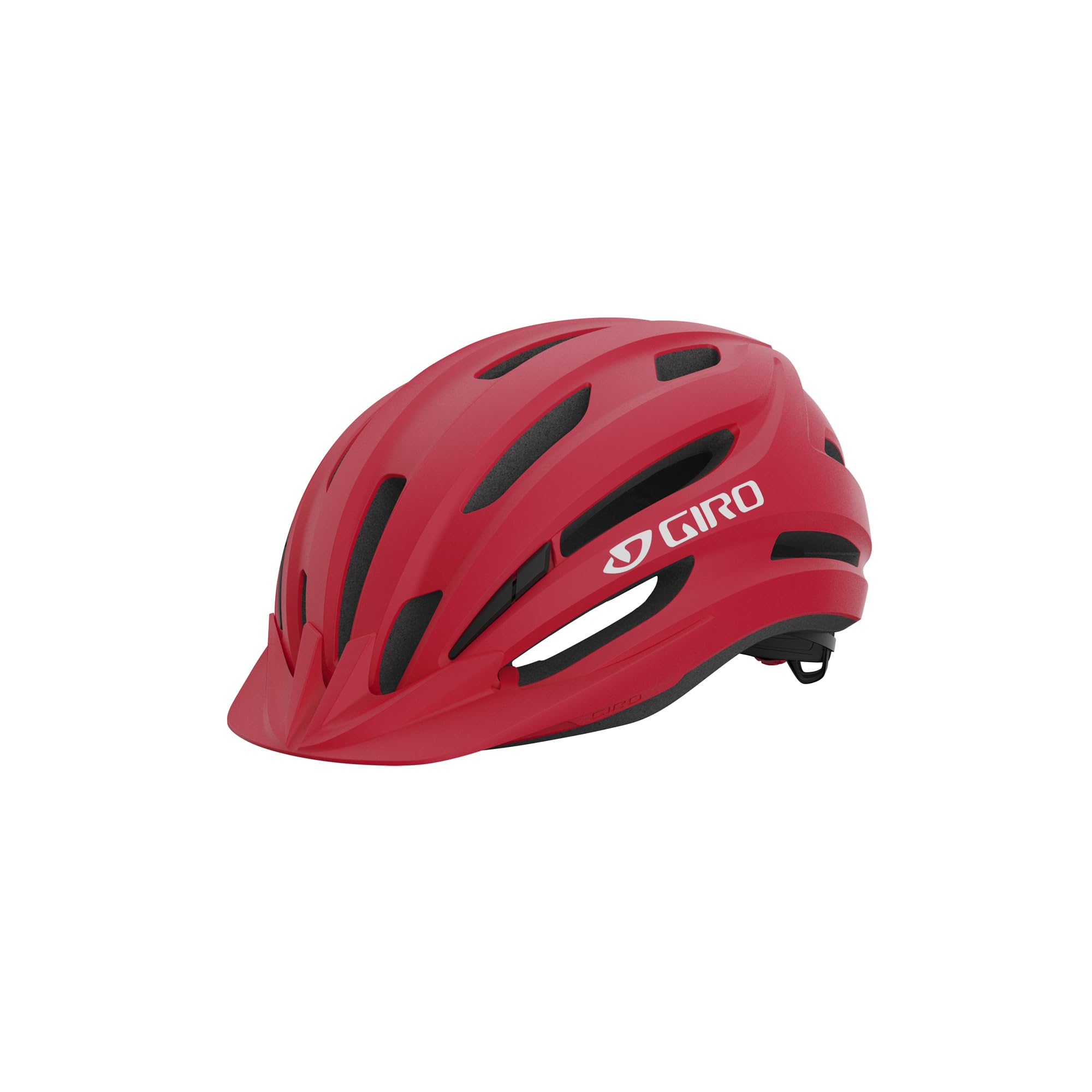
| Giro Register MIPS IIComfort Pick | Comfort & Protection | 0.51 kg | Integrated MIPS II | — | Amazon |
| Giro Artex MIPS | Premium Ventilation | 9.6 oz | MIPS | Roc Loc Air | Amazon |
| LAZER Strada KinetiCore | Ultra-Comfort | 290 g | KinetiCore | Massive ventilation channels | Amazon |
| MET Vinci MIPS | Top-Rated Safety | 275 g | MIPS C2 | — | Amazon |
| KASK Mojito3 | Premium Italian Craft | 1.2 lb | WG11 Rotational Impact | tune vent system | Amazon |
| Abus GameChanger | Aero Performance | 1.8 lb | Multi-Shell In-Mold | Forced Air Cooling | Amazon |
| LAZER Vento KinetiCore | Lightweight Sprint | 130 g | KinetiCore | Cleverly-positioned channels | Amazon |
In‑Depth Reviews
1. Smith Persist MIPS Cycling Helmet
Our pick — over 4.5★ from 400+ verified ratings; the strongest balance of quality and price.
Two protection layers in one helmet — the honeycomb Koroyd tubes that crush on impact plus the MIPS slip plane — make this the pick for riders who want the most safety tech without a three-digit price tag.
This helmet protects you two ways rather than one. Beyond the standard MIPS (Multi-Directional Impact Protection System, a low-friction layer that lets the helmet rotate slightly on impact), Smith adds Zonal Koroyd — a honeycomb of thin welded tubes that crumple on impact while leaving room for airflow. The result is a lid that feels sculpted to your head. Buyers consistently praise the fit and adjustability, especially the chin strap system that does not dig in. The weight sits at 310 g, which is mid-range on paper, but the way it balances on your skull makes it feel lighter during a full day out. One owner described it as “very comfortable and lightweight” and noted it has “all the latest in protection for my head.” The real-world feedback loop is strong: fit is mentioned more than any other feature, and by a wide margin. A named trade-off versus the BELL Avenue is that this Smith lacks dedicated sunglass storage ports, which some buyers wish it had.
Smith Persist safety
- MIPS plus Zonal Koroyd gives dual-layer energy absorption that MIPS alone does not.
- 21 vents combined with the AirEvac channel keep eyewear fog-free on long climbs.
- Buyers report the fit adjustment dial and strap system are the easiest to dial in.
Fit adjustment quirk
- The 310 g weight is noticeably heavier than sub-250 g race helmets.
- A few owners wish there were built-in holes to store sunglasses.
commuters: Road riders who want the highest density of protection features without stepping into three-digit price territory.
tight budgets: Every gram matters on race day — a sub-200 g option like the LAZER Vento may suit you better.
2. BELL Avenue MIPS Adult Road Bike Helmet
A practical MIPS helmet that brings safety to an affordable price — the most praised feature is its comfortable fit.
The MIPS Evolve system (an integrated version where the slip plane is built into the retention ring, not a separate liner) reduces weight and complexity. The result is a compact shape that sits closer to your head. The rubber-overmolded dial is easy to grip even with gloves on, and the Sweat Guide pad design pulls moisture away from the brow pad so it does not drip onto your eyewear. At 0.69 kg it is heavier than the Giro Register MIPS II (0.51 kg), but the added heft comes from a sturdy shell that owners trust implicitly. The thing everyone raves about is the perfect fit — that is the most-cited aspect by a clear margin. The recurring gripe is the chin strap, which some find works loose during a ride and has a tendency not to stay tight.
Bell Avenue value: Owners consistently praise the comfortable fit and the MIPS protection at an affordable price. That kind of value is rare at this price point.
Ventilation limits: Riders who need very long chin straps or prefer a featherlight feel — this is a solid, slightly heavier build.
3. Giro Register MIPS II Helmet
MIPS II protection that feels like a premium Giro lid for half the usual cost – buyers consistently compare it to Giro models costing more.
Giro’s Universal Fit system is the star here. The Register MIPS II uses proprietary shell sizes based on specific customer head shapes, which means it tends to fit correctly straight from the start — no guessing between sizes. The Hardshell with In-Mold Hardbody Lower Wrap fuses a tough polycarbonate outer shell to the EPS (expanded polystyrene) liner, adding durability without the extra weight of a separate plastic clip-on. At 0.51 kg it is noticeably lighter than the BELL Avenue (0.69 kg) — a 35% weight difference you will feel on a long climb. Owners consistently compare it to Giro models costing over, praising the “excellent comfort and protection” for a fraction of that price. Adjustability is the second most-praised aspect, and the visor is part of the formed helmet shell rather than a snap-on piece. The catch, as some owners note, is that the brim does not extend far enough to block the sun effectively unless you tilt the helmet down low.
casual riders: Riders who want a premium-feeling fit and MIPS II protection without crossing the threshold.
sunny days: The short brim may leave you squinting on bright afternoon rides, so pair it with cycling sunglasses.
4. Giro Artex MIPS Bicycle Helmet
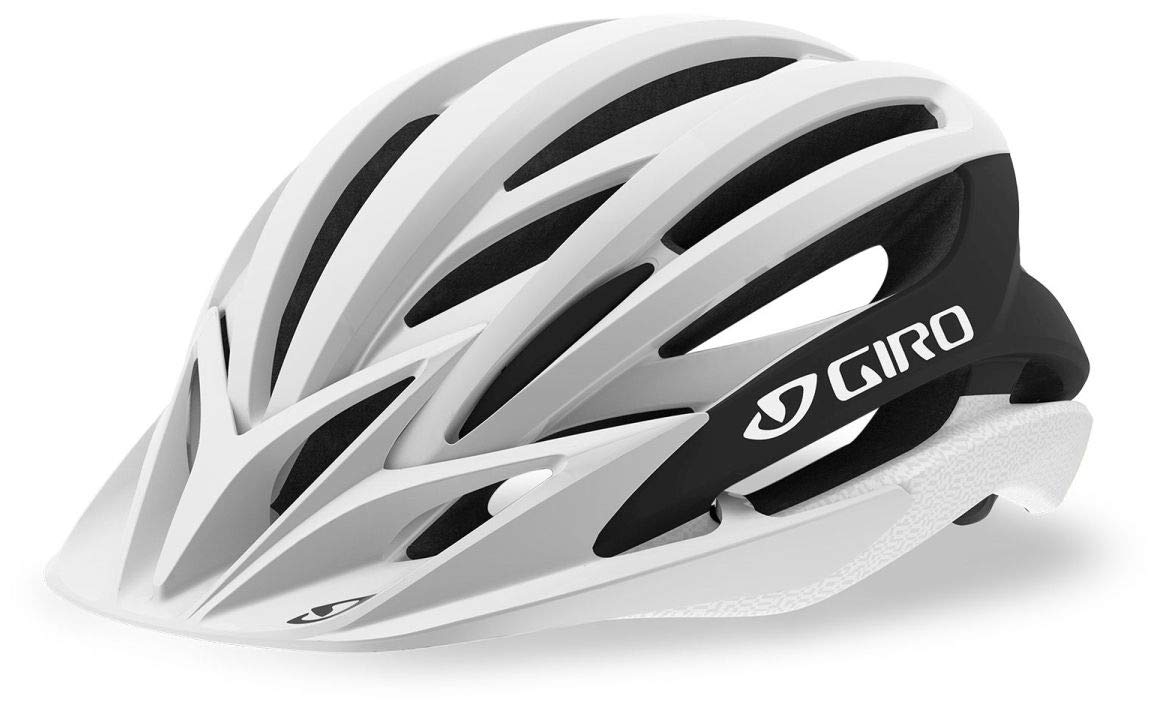
Engineered airflow that lifts the shell off your scalp for constant cooling – the Roc Loc Air system creates an active gap, not just vent holes.
The Roc Loc Air system is the differentiator here. It uses a lightweight cradle that suspends the helmet slightly above the top of the head, creating a gap that forces air to flow over your scalp and exit out the rear exhaust ports. This is not just vent holes — it is an active ventilation channel. The weight is a mere 9.6 oz, which is impressively light for a MIPS-equipped helmet. Build quality is the most-raised positive, and the helmet is described as “very well ventilated” by owners. The Roc Loc 5 system also lets you adjust the vertical position of the helmet on your head along with the tension — something most budget lids skip. The downside is the visor attachment. Several owners say the visor clips are fragile and pop off easily, and one owner reinforced theirs with clear silicone RTV to make it permanent. Chin straps are also noted as on the shorter side, which is a drawback compared to the longer straps on the KASK Mojito3.
hot weather: The active ventilation gap makes this one of the coolest-feeling MIPS helmets on the market.
style seekers: Anyone who relies on a visor for sun coverage — plan on wearing sunglasses or dealing with a finicky clip.
5. LAZER Strada KinetiCore Bike Helmet

A five-star safety score from Virginia Tech without the MIPS plastic layer — instead it uses crushable foam zones that stay quiet and cool.
LAZER’s KinetiCore system integrates crushable crumple zones directly into the EPS foam, which removes the separate plastic liner found in MIPS helmets. This makes the Strada quieter — there is no plastic-on-foam creaking during movement — and allows it to rank high on independent safety tests (the Virginia Tech 5-star list). The weight stays at a respectable 290 g, making it noticeably lighter than the BELL Avenue (0.69 kg). The ScrollSys fit system is a dial that cradles the skull with intuitive fine-tuning, and the massive ventilation channels push air through aggressively. Owners say it fits “like you don’t even know it’s up there” and that the green colorway on closeout is the best-priced 5-star road helmet available. The most mentioned positive is fit, followed by quality. The fiddly part is the strap adjustment — customers note it takes a few rides to get the webbing perfectly dialed in. A small number of owners with larger head shapes find the sides feel loose unless the dial is cranked quite tight.
speed enthusiasts: Riders who dislike the creaking sound of MIPS and want a simple, quiet, high-scoring safety system.
first-timers: Expect to spend ten minutes setting the straps before your first ride.
6. MET Vinci MIPS Helmet

A sub-280 gram Italian design that earns a top Virginia Tech rating at a competitive price – buyers who have ridden over 1000 miles in it praise the airflow and sunglass-storage vents.
The MET Vinci uses the MIPS C2 rotational management system (the latest-generation low-friction liner that integrates directly into the helmet’s padding) paired with an in-mold polycarbonate shell and EPS liner. At 275 g, it is one of the lighter MIPS helmets you will find at this price tier. The internal shape is refined for comfort, and the MET Safe-T DUO Fit System provides both a 360-degree head belt and vertical adjustments for a fully customized hold. Owners who have ridden over 1000 miles in this helmet praise the airflow and the ease of cleaning — the pads come out easily — and the ability to slot sunglasses into the vents. One owner described it as “not far off from my Trek Velocis helmet that was over twice the price.” The feedback is overwhelmingly positive, with a very small pool of owners — but those who own it ride it hard and often.
safety focused: Riders who want a high safety rating from an independent test lab without paying +.
data driven: With fewer total owner reports than the Smith or Giro picks, long-term durability data is less established.
7. KASK Mojito3 Helmet

Styled for gravel and road with a leather chin strap that ends irritation once and for all – owners with round head shapes say this solved fit issues they had with other brands.
KASK’s Mojito3 is the helmet you buy when fit sensitivity has made every other lid unwearable. The Octo Fit system uses a rubberized micro dial and gel pads at the contact points, plus supports that oscillate 180 degrees freely. That flexibility means the cradle molds itself to your head shape rather than forcing your head into the cradle. The WG11 rotational impact approval (an independent standard for reducing rotational forces in a crash that exceeds basic norms) adds an invisible layer of protection without extra weight. The front, crest, and rear ventilation channels are designed to capture airflow and pass it through internal channels, and owners consistently call the Mojito3 “the best helmet for under.” The slim, low-profile design avoids the mushroom-head look that some road helmets produce. Owners with a 56 cm round head say this solved fit issues they had with other brands. The leather chin strap is singled out by multiple owners as eliminating the chafing that nylon straps cause on long rides. Weight sits at 1.2 lb, which is mid-range, but the comfort makes that irrelevant.
weight weenies: Riders with rounder head shapes or those who have never found a helmet that fits without pressure points.
quick shoppers: A 59 cm head may find Medium too small — check the sizing guide closely and size up if between sizes.
8. Abus GameChanger Road Cycling Helmet
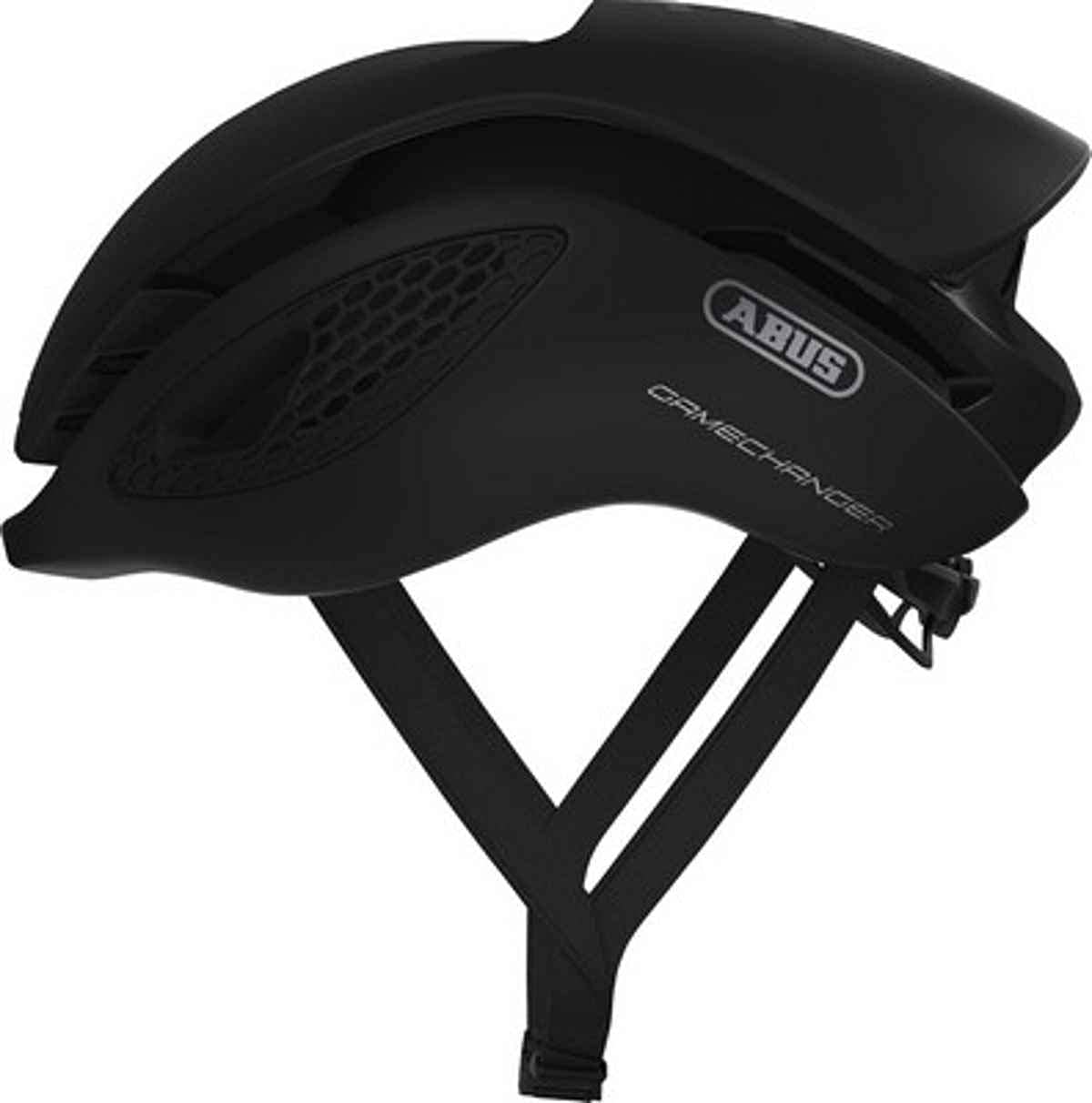
A multi-position aero shape that stays quiet at speed and works with a bandana underneath – owners with oval head shapes find it fits better than round-profile competitors.
The Abus GameChanger is designed for riders who value aerodynamics and a sleek profile. Its multi-position design lets the helmet maintain optimal airflow regardless of your head tilt — useful when you drop into an aero tuck. The Forced Air Cooling system uses a sophisticated internal ventilation network to manage the head climate, and the Zoom Ace fine-tuning adjustment wheel lets you make micro-adjustments while riding. Flow Straps are aerodynamic, flutter-free, and skin-friendly thanks to a specially developed belt profile. Owners with oval or long head shapes find this helmet fits them better than round-profile competitors. One owner called it the “most comfortable helmet in 35 years of cycling” after receiving a medium that fit perfectly despite ordering a large. The trade-off is the lack of MIPS — the GameChanger uses an in-mold multi-shell design for impact absorption, not a rotational slip plane. It also lacks a visor, which is standard for aero road helmets but worth noting.
racers: Time trialists, triathletes, and road riders who prioritize cutting through the wind over rotational impact systems.
budget buyers: Without MIPS or a visor, this is a pure aero lid — not the best choice for wet or low-light group rides where visibility and multi-directional impact protection matter more.
9. LAZER Vento KinetiCore Road Cycling Helmet
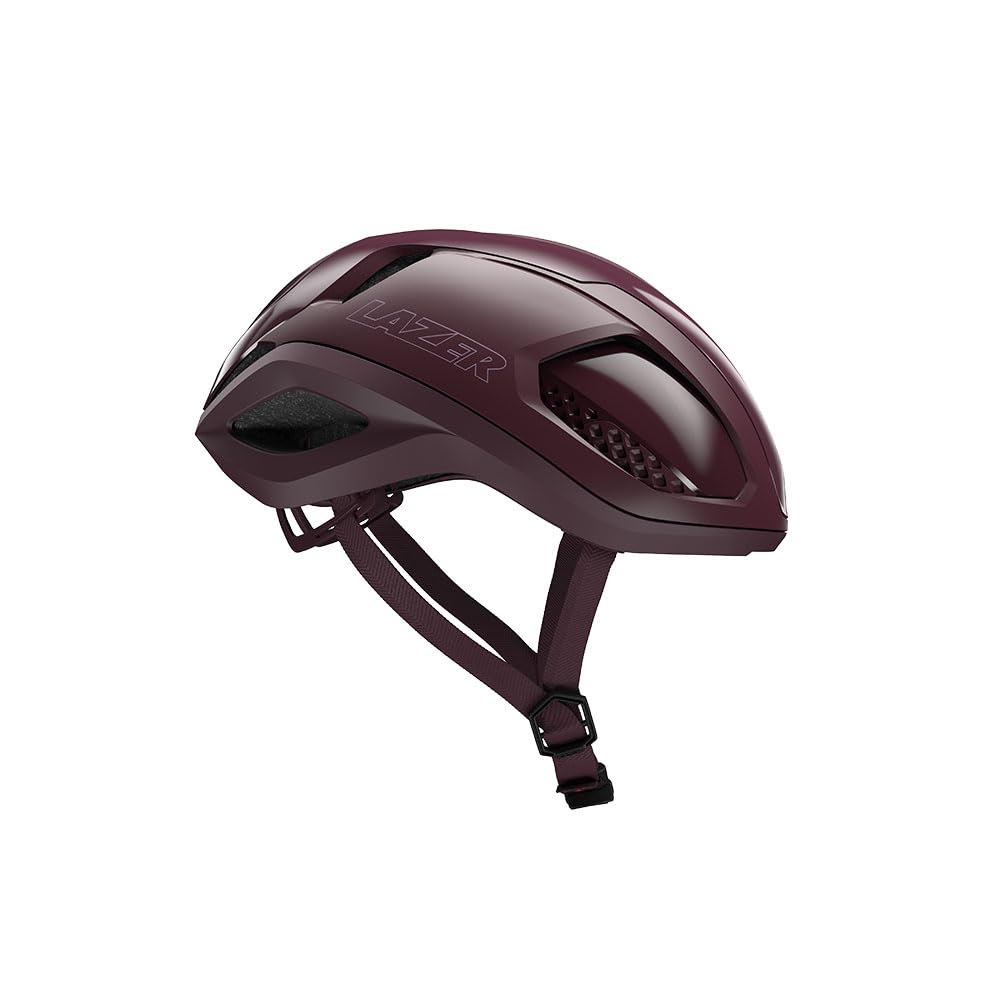
A featherweight 130 g shell designed for pure speed in the sprint position – it uses 90 g less plastic than its predecessor, reducing its carbon footprint while keeping the KinetiCore crush-zone protection.
This is the lightest helmet on the list by a significant margin. The Vento KinetiCore is designed with a reduced frontal surface area for a 15-degree “sprint position” angle, which is the head-down tuck racers use to boost speed. It uses 90 g less plastic than its predecessor, reducing the carbon footprint while keeping the KinetiCore crush-zone protection system intact. The scrollable ScrollSys dial cradles the skull and allows quick one-handed adjustments. The cleverly-positioned ventilation channels increase airflow without breaking the aero shape, and the weight is genuinely forgettable — at 130 g, this is one of the lightest production road helmets money can buy. The catch is the strap and retention system. Owners describe it as “too complicated and cumbersome” compared to a simple neck dial, and one owner returned it in favor of a Smith helmet that cost less. The light attachment system also received criticism for failing on the first ride.
ventilation fans: Racers and performance-focused riders who count every gram and ride in an aggressive aero position.
silence seekers: The complex strap system and fiddly light mount can be frustrating for everyday commuting or casual weekend spins.
Understanding the Specs
MIPS vs Koroyd vs KinetiCore vs WG11
These are different engineering solutions to the same problem: reducing rotational forces to the brain during a crash. MIPS uses a low-friction slip layer inside the helmet that rotates slightly on impact. Koroyd (used by Smith) is a honeycomb of thin welded tubes that crumple progressively while staying open for airflow. KinetiCore (used by LAZER) integrates folded crushable zones directly into the EPS foam, eliminating the separate liner for a lighter, quieter helmet. WG11 (used by KASK) is a rotational impact approval that exceeds standard norms. All are valid — the difference is mostly in weight, ventilation feel, and price.
Weight (grams vs ounces vs pounds)
Weight on your head matters far more than weight on your bike. A difference of 100 grams on your bar bag is negligible; 100 grams on your helmet translates to noticeable neck strain over a 60-mile day. Road helmets typically range from 130 g (race-oriented) to 350 g (entry-level with a thick shell). For long-distance recreational riding, aim for 250–310 g. For racing or very long alpine climbs, look for helmets under 250 g. For casual commuting, weight is less critical than fit and ventilation.
FAQ
Do I need a women’s specific road helmet or can I wear a unisex men’s helmet?
What is the difference between MIPS and KinetiCore?
How should a road cycling helmet fit?
How long does a road cycling helmet last?
Can I use a road helmet for mountain biking or gravel riding?
What does a 5-star Virginia Tech rating mean?
Are heavier helmets less safe than lightweight ones?
How do I clean my road cycling helmet?
Will a MIPS helmet make my head hotter?
Can I wear a cycling cap under my road helmet?
Final Thoughts: The Verdict
For most riders, the women’s road cycling helmet that earns the top spot is the Smith Persist MIPS because it layers dual protection technologies (MIPS plus Zonal Koroyd) while keeping the weight reasonable and the ventilation effective for all-day summer rides. If you want a helmet that has a proven crash-survival track record at a lower price, the BELL Avenue MIPS is a safe bet. And for riders who prioritize cooling airflow above all else, the Giro Artex MIPS with its Roc Loc Air suspension is the one to reach for.
How We Picked
We do not accept paid placement. Every pick is matched to a real buyer and a real use-case; we do not hands-on test units.
Sources & Methodology
Specifications: manufacturer listings and product documentation. Review insights: verified customer reviews, as of July 2026. Pricing: not shown on this page (it changes often); check the current price via the retailer link.
As an Amazon Associate, GoCarLife earns from qualifying purchases. This does not affect which products we feature.